
TL;DR:
- Lisbon offers diverse experiences, from iconic landmarks to hidden neighborhoods, adaptable to any travel style.
- Balancing guided tours with explorations of authentic local life allows travelers to discover the city’s soul.
- Outdoor adventures near Lisbon reveal spectacular coastlines and natural parks, enriching any itinerary.
Lisbon is one of those cities where every street corner seems to offer a new reason to stop and stare. The problem? Visitors often land with a browser full of tabs, a vague sense that they should see the Belém Tower, and absolutely no idea how to fill the hours in between. Whether you have two days or two weeks, the real challenge is not finding things to do in Lisbon, it's picking the right mix of iconic landmarks, hidden neighborhoods, outdoor escapes, and authentic local moments that actually match how you want to travel.
Table of Contents
- How to choose the best things to do in Lisbon
- Top historic and cultural highlights in Lisbon
- Offbeat outdoor adventures around Lisbon
- Self-guided strolls vs. expert-led tours: What's right for you?
- Planning your perfect Lisbon trip: Practical tips and ideas
- Our take: Discovering your Lisbon truly means making it personal
- Ready to explore Lisbon? Let us help you go deeper
- Frequently asked questions
Key Takeaways
| Point | Details |
|---|---|
| Blend classic and local | mix Lisbon’s major landmarks with neighborhood strolls and markets for the richest experience |
| Factor in terrain and mobility | steep hills and uneven streets are common, so plan transport and comfortable shoes |
| Try outdoor escapes | nearby hikes and parks offer adventure beyond the city center |
| Balance tour types | combine self-guided and expert-led tours for flexibility and insider perspective |
| Personalize your trip | the best memories often come from mixing planned favorites with spontaneous finds |
How to choose the best things to do in Lisbon
Building a good Lisbon itinerary starts with being honest about what kind of traveler you are. The city offers something for everyone, but trying to cram every highlight into a single trip is a classic mistake that leaves you tired and underwhelmed instead of inspired.
Start by thinking in layers:
- UNESCO landmarks and iconic sites: These are non-negotiable for most visitors. The Jerónimos Monastery and Belém Tower anchor the city's historical identity.
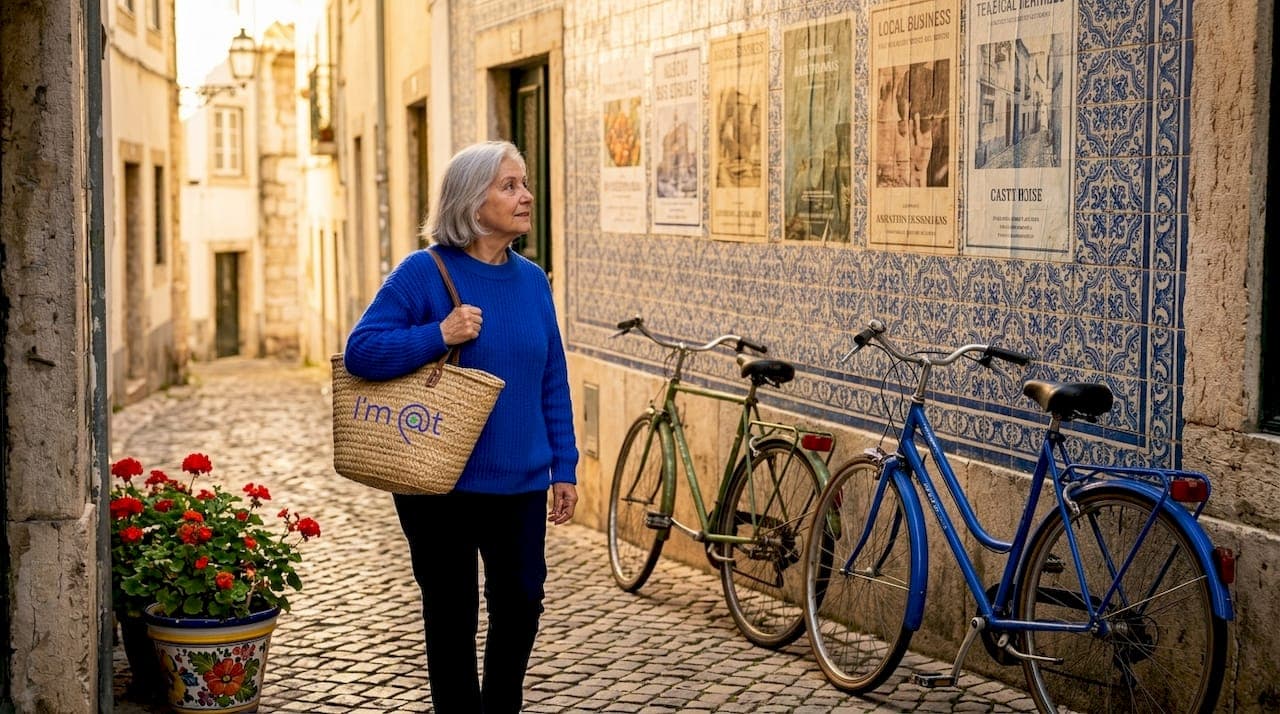
- Neighborhood wandering: Alfama and Graça reward slow walkers. The winding alleyways, tiled facades, and miradouros (viewpoints) are where Lisbon's soul lives.
- Day trips and outdoor adventures: Sintra, Arrábida, and the Setúbal Peninsula sit just beyond the city and add natural drama to any itinerary.
- Cultural depth: Markets, Fado performances, food tours, and multicultural museums add layers you won't find by just following a map.
One underrated tip: use the city's complete Lisbon city tour as a foundation before going deeper on your own. You get orientation, context, and a local's perspective all in one shot.
Pro Tip: Lisbon's free miradouros (viewpoints) are some of the best highlights in the entire city and cost absolutely nothing. Build them into your route rather than treating them as detours.
One practical note worth emphasizing: Lisbon's steep hills and uneven terrain are a real planning factor, especially in historic districts like Alfama. Wear good shoes, plan realistic daily distances, and consider transport options for hillier routes.
Top historic and cultural highlights in Lisbon
Lisbon's cultural landscape is extraordinary, and the key to enjoying it is balance. Go too heavy on famous sites and you miss the texture of real local life. Go too niche and you might skip something genuinely world class.
Here is a solid mix that covers both ends:
- Jerónimos Monastery (Belém): A jaw-dropping example of Manueline architecture, built in the 16th century to celebrate Portugal's Age of Discovery. Plan at least 90 minutes inside.
- Belém Tower: Tiny but iconic, this riverside fortress is one of Portugal's most photographed landmarks. Arrive early to avoid long lines.
- Alfama: This is Lisbon at its most raw and romantic. Climb through narrow streets, listen for Fado music drifting from open windows, and stop at every miradouro you find.
- Miradouro da Senhora do Monte (Graça): The best panoramic view in the city, particularly stunning at golden hour.
- Time Out Market: A modern food hall that showcases Portugal's top chefs in one building. It's touristy, yes, but genuinely excellent.
- MAAT (Museum of Art, Architecture and Technology): Sits right on the waterfront in Belém and offers a thought-provoking contrast to the area's historical sites.
"Lonely Planet's approach to Lisbon mixes big-hitter UNESCO landmarks in Belém with neighborhood-level viewpoints and miradouros in Graça and Alfama, suggesting a day-by-day blend rather than trying to do everything at once." — Lonely Planet
For travelers who want to go beyond the obvious, the Lisbon hidden gems walking tour covers neighborhoods and stories that standard itineraries completely skip. If you're drawn to Lisbon's layered cultural identity, the multicultural Lisbon tour traces the city's art, music, and flavors from its diverse historical influences. History buffs who enjoy a darker angle should check out Lisbon's hidden history experience, which explores the city's lesser-known and sometimes unsettling past.
The biggest mistake first-time visitors make is treating Alfama like a checkbox. Spend an entire morning there, get a little lost, and you'll leave with the memory that defines your whole trip.
Offbeat outdoor adventures around Lisbon
Once you've absorbed the city's history and culture, the natural world waiting just beyond Lisbon's borders is genuinely spectacular. These outdoor options are close enough for a day trip but feel worlds away from the urban buzz.
Cabo da Roca and Ursa Beach: This is one of the most dramatic coastal hikes in all of Portugal. The Cabo da Roca to Ursa Beach trail covers roughly 1.8 miles with challenging terrain, including rocky descents and steep ascents down to one of the most secluded beaches on the Atlantic coast. There are no facilities at Ursa Beach, so pack water and snacks. The reward is a wild stretch of coastline that feels like the edge of the world, because historically, it was.
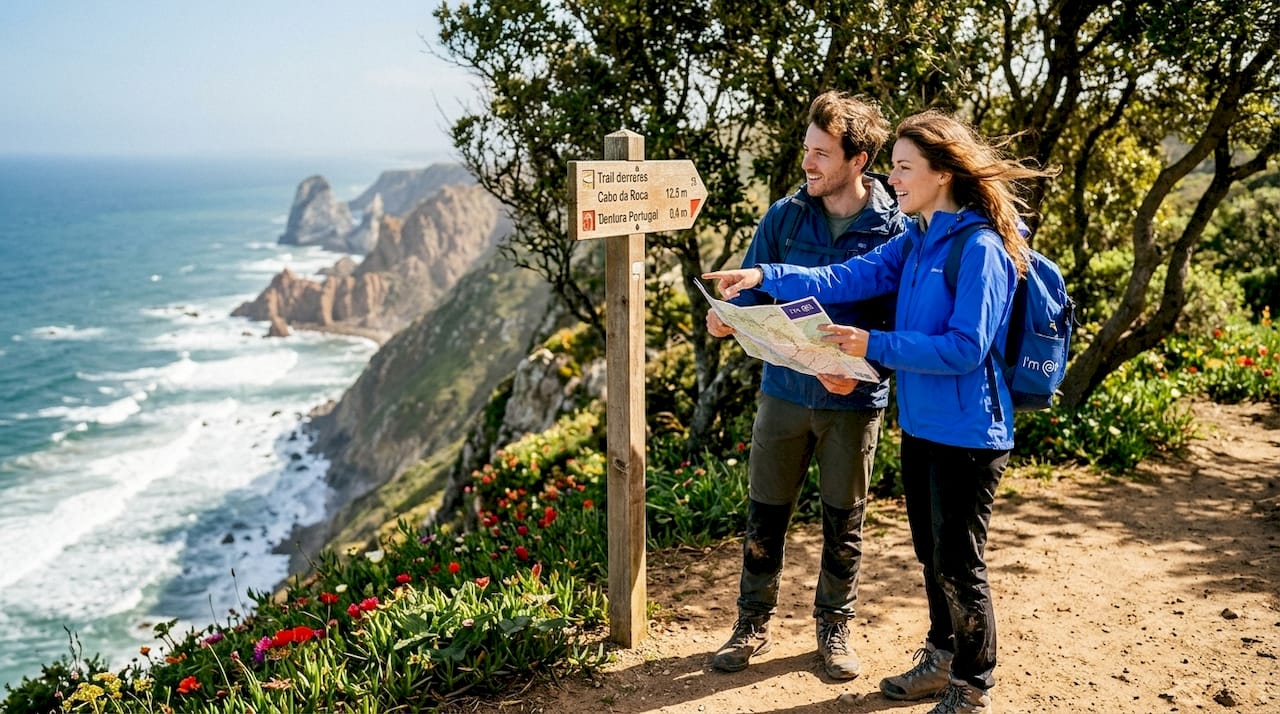
Arrábida Natural Park: About 40 minutes south of Lisbon by car, Arrábida is a protected park featuring turquoise water, limestone cliffs, and some of the best beaches in continental Europe. The area also produces excellent local wine, so combine a beach morning with a wine tasting in the afternoon for a genuinely full day.
Here is a quick comparison of the top outdoor options near Lisbon:
| Activity | Distance from Lisbon | Difficulty | Scenic highlights |
|---|---|---|---|
| Cabo da Roca – Ursa Beach hike | ~40 km | Moderate to challenging | Atlantic cliffs, hidden beach |
| Arrábida Natural Park | ~40 km | Easy to moderate | Turquoise beaches, limestone cliffs |
| Sintra day trip | ~30 km | Easy to moderate | Palaces, forest trails, sea views |
| Setúbal coastal walk | ~45 km | Moderate | Estuary views, fishing villages |
Pro Tip: Check trail conditions before heading out to Cabo da Roca. The descent to Ursa Beach is steep and can be slippery when wet. Proper hiking footwear is not optional.
The Arrábida and Sesimbra day trip from Im-at covers the park's best landscapes and includes the wine tasting component, making it one of the most satisfying single-day experiences you can book from Lisbon.
Self-guided strolls vs. expert-led tours: What's right for you?
This is one of the most common planning questions travelers have, and the honest answer is: it depends on what you want to get out of each day.
Self-guided exploration gives you freedom. You can linger at a café for an hour, take a spontaneous detour, or skip a neighborhood entirely if your energy runs low. Lisbon is highly walkable in many areas, and viewpoint-and-stroll planning is a proven way to see the city beautifully without spending much. The self-guided Lisbon GPS and audio tour is a smart middle ground: you keep your independence but still get real context through expert-crafted audio.
Expert-led tours deliver depth, access, and efficiency. A good guide doesn't just point at buildings, they tell you the story behind the tile pattern on a doorstep, the political controversy surrounding a monument, or the best unassuming restaurant three blocks from the main square. The small group guided Lisbon tour is consistently one of the highest-rated experiences for first-time visitors because it covers so much ground without feeling rushed.
Here is a step-by-step checklist to help you decide:
- How much time do you have? If you have only one or two days, a guided tour maximizes value. If you have a week, mix both approaches.
- Is this your first visit? First-timers benefit enormously from a guided orientation before exploring solo.
- Do you travel with mobility challenges? Expert guides know which routes are accessible and which are not.
- Are you a food or culture specialist? Themed tours like the Lisbon food walking tour go far deeper than any self-guided route can for niche interests.
- What's your budget? Self-guided is cheaper. Guided tours cost more but compress learning and discovery into fewer hours.
| Feature | Self-guided | Expert-led tour |
|---|---|---|
| Cost | Low to free | Moderate to high |
| Flexibility | Very high | Low to moderate |
| Insider knowledge | Limited | Deep |
| Accessibility support | None | High |
| Social experience | Solo or group | Built-in group dynamic |
Pro Tip: Mix both styles across your trip. Start with a guided city tour on day one to get your bearings, then spend day two exploring on your own with the confidence that comes from real orientation.
Planning your perfect Lisbon trip: Practical tips and ideas
Good trip planning is mostly about not fighting the city. Lisbon has a personality, a geography, and a pace. Work with those instead of against them.
Here are the practical principles that make the biggest difference:
- Group activities by neighborhood. Don't bounce from Belém to Alfama to Graça in a single morning. Each area deserves focused time, and the travel between them eats into your day faster than you expect.
- Front-load the hills. Do your Alfama walking in the morning when energy is high. Save the riverside Belém district for the afternoon when you need flatter terrain.
- Use transport creatively. Tram 28 is iconic but notoriously crowded. A Tuk Tuk viewpoints tour gets you to the city's best panoramic spots without the uphill grind, and you get commentary along the way.
- Plan themed evenings. Lisbon nights are made for Fado. A Lisbon Fado night tour gives you the musical and culinary experience of a lifetime in a single evening, with local context that makes the music land differently.
- Add adventure for variety. If you have more than three days, an electric quad and Tuk Tuk tour through Old Lisbon breaks up the museum-and-walking routine with something genuinely fun.
A useful stat to keep in mind: nearly every major viewpoint in central Lisbon sits at the top of a significant climb. Factor in 15 to 20 extra minutes per viewpoint visit, and build rest time into your afternoon schedule. Underestimating Lisbon's topography is the most common reason visitors end up exhausted by day two.
Our take: Discovering your Lisbon truly means making it personal
Here is something the standard "Top 10" lists won't tell you: the Lisbon that stays with you isn't the one you planned perfectly. It's the one you stumbled into.
Most travelers spend weeks building tight itineraries, only to find that their best memory is a conversation at a tascas (small traditional restaurant), an unplanned Fado performance they heard through a window, or a miradouro they found by accident while looking for something else entirely. Over-planning is the enemy of discovery. And Lisbon, more than almost any city in Europe, rewards the traveler who leaves gaps in the schedule.
That doesn't mean you should show up with nothing booked. A foundation of one or two expert-led experiences, like a good city tour or a private guided city tour, gives you the confidence to wander. Once you understand how the neighborhoods connect and what the city values historically and culturally, your spontaneous decisions become much better.
The real secret is calibration. Match your activity level to your energy. Chase the viewpoints when the light is good. Eat when the locals eat (later than you think). Choose based on your mood rather than your checklist.
In Lisbon, you'll remember the winding strolls and accidental finds as much as the famed towers. The city is generous to those who stay curious.
The travelers who come back from Lisbon raving about it aren't the ones who hit every landmark. They're the ones who let the city breathe a little.
Ready to explore Lisbon? Let us help you go deeper
Turning inspiration into an actual Lisbon experience is where Im-at comes in. Whether you're drawn to history, coastlines, food, or pure adventure, there's a curated, bookable activity waiting for you.
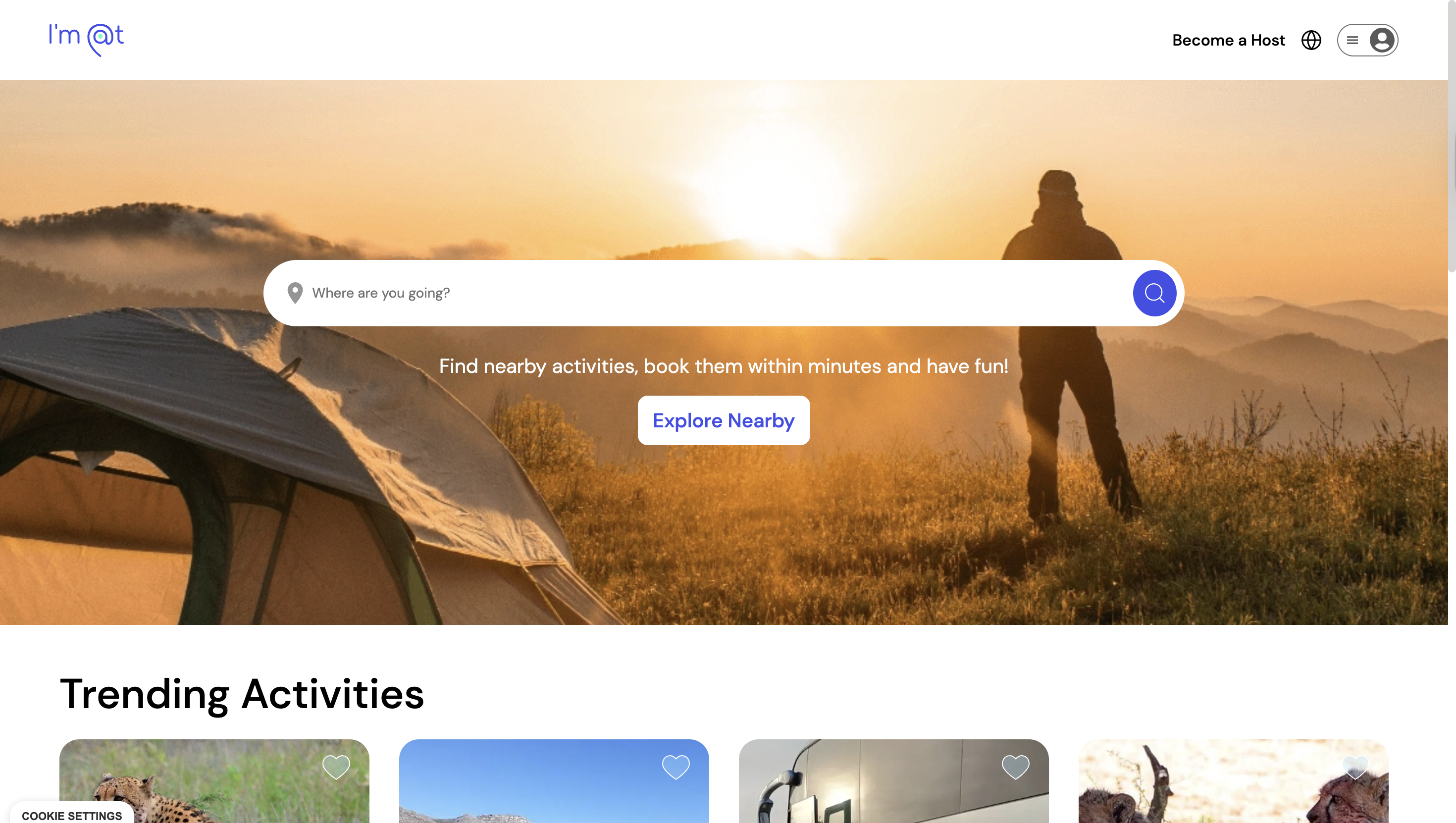
Im-at connects you with experienced local guides who know exactly how to make each experience feel personal rather than packaged. From the palaces and mystical gardens of the Sintra and Regaleira guided tour to the raw, off-road excitement of a 4x4 adventure near Lisbon, the platform offers small-group and private options that fit your pace and budget. Browse the full catalog, compare experiences side by side, and book in minutes so you can spend less time planning and more time actually living your Lisbon story.
Frequently asked questions
What are the must-see UNESCO sites in Lisbon?
The Jerónimos Monastery and Belém Tower are Lisbon's standout UNESCO World Heritage Sites, celebrated for their Manueline architecture and deep connection to Portugal's Age of Discovery.
Is it easy to get around Lisbon without a car?
Yes, but plan for steep hills and uneven terrain, especially in Alfama. Public transport, walking, and Tuk Tuks collectively make most major hotspots accessible and enjoyable.
Can I experience Lisbon's culture without spending much?
Absolutely. Viewpoint-and-stroll planning is one of the best low-cost strategies in the city. Many neighborhoods, markets, and miradouros are completely free and genuinely rewarding.
Are there good outdoor day trips near Lisbon?
Yes. The Cabo da Roca to Ursa Beach route and Arrábida Natural Park are two of the best options, both offering dramatic scenery within 40 to 45 kilometers of the city center.