
TL;DR:
- Porto offers a wealth of experiences within a compact space, from historic neighborhoods to scenic landscapes.
- To enjoy the city fully, travelers should prioritize their interests, plan ahead, and combine cultural, culinary, and outdoor activities.
- Balancing iconic sights with spontaneous moments and avoiding peak times enhances the authentic Porto experience.
Porto is one of Europe's most rewarding cities to visit, yet many travelers arrive without a clear plan and end up scrambling between landmarks they half-remember from a travel blog. The city packs an extraordinary range of experiences into a compact space: medieval towers, azulejo-tiled churches, world-famous port wine cellars, riverfront markets, and coastal hiking trails all within reach of the same afternoon. The challenge is not finding things to do in Porto. The challenge is figuring out which experiences truly match your travel style and how to fit them into the time you actually have.
Table of Contents
- How to choose your Porto adventures
- Top cultural and historic experiences
- Porto for food and wine lovers
- Outdoor adventures and scenic views
- Memorable local experiences beyond the basics
- Our take: The best ways to balance Porto's highlights and hidden gems
- Ready to experience Porto's best?
- Frequently asked questions
Key Takeaways
| Point | Details |
|---|---|
| Blend of history and culture | Porto's mix of UNESCO treasures, tilework, and lively markets makes it a uniquely engaging destination. |
| Local food and wine | From francesinha to world-class port cellars, savoring Porto's cuisine is essential for any traveler. |
| Scenic outdoor activities | Walk riverfront bridges, cruise the Douro, or hike spectacular trails for vibrant city views and fresh air. |
| Authentic local experiences | Fado nights and neighborhood discoveries let you connect with Porto’s living traditions and creative spirit. |
| Smart planning | Advance bookings and a mix of must-sees with spontaneous moments make your Porto trip unforgettable. |
How to choose your Porto adventures
Once you know what Porto has to offer, it helps to clarify your own travel priorities before diving into the options. Think of your ideal day: Do you want to stand inside a centuries-old cathedral, or would you rather nurse a glass of tawny port while watching boats drift along the Douro? Both are valid, and Porto delivers on both fronts.
Start by identifying your primary travel motivations:
- Culture and history: Porto's UNESCO-listed Ribeira District, baroque churches, and literary landmarks reward slow walkers and curious minds.
- Food and drink: From fresh seafood markets to port wine cellars, Porto is a genuine destination for gastronomy.
- Active outdoor adventures: River cruises, coastal hikes, and day trips to natural parks give you fresh air and unforgettable scenery.
- Unique local experiences: Fado performances, street art, and authentic neighborhood cafes offer something no tour package can replicate.
Beyond your interests, factor in practical constraints. Porto's older neighborhoods sit on steep hills, and some of the most rewarding climbs (like Clérigos Tower's 225 steps) are not accessible for everyone. If you have limited mobility, focus on riverfront neighborhoods and flat routes before tackling the heights. Also think about time: if you only have two days, you cannot do everything. Advance bookings for popular sites like Livraria Lello and port tours are essential because long queues can eat up hours you did not budget for.
Pro Tip: Build an itinerary that mixes at least three categories above. A morning at a cultural landmark followed by a market lunch and an evening Fado show creates a complete, layered day that feels nothing like a tourist checklist.
To get a structured introduction to the city's layout and major landmarks, a Porto city tour is one of the best ways to orient yourself before exploring on your own.
Top cultural and historic experiences
With your personal criteria in mind, start with Porto's cultural and historic gems that shape the city's identity. These are the experiences that stick with you long after the trip ends.
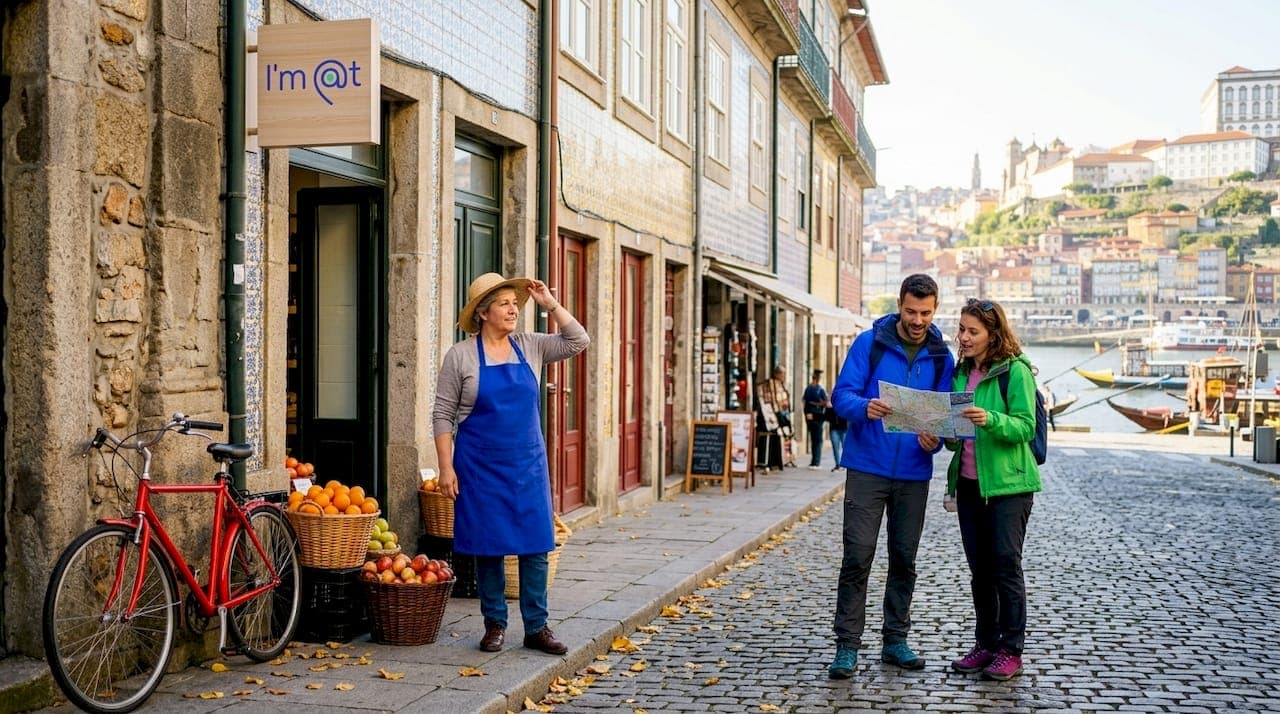
Ribeira District is the obvious starting point. This riverside neighborhood is a UNESCO World Heritage site packed with colorful buildings, narrow cobblestone streets, lively cafes, and centuries of riverside history. Walk along the waterfront at golden hour when the light turns the facades amber and the Douro reflects the bridges above. It is not just photogenic; it tells the whole story of Porto's trading past in one compact walk.
Livraria Lello deserves its reputation as one of the world's most beautiful bookstores. The neo-Gothic architecture and famous red staircase make it a visual spectacle unlike any other bookstore on the planet. Buy tickets in advance online because lines without reservations can exceed two hours during peak season.
For panoramic views, Clérigos Tower is the city's most dramatic vantage point. The 225-step climb rewards you with a full 360-degree sweep of rooftops, the river, and the Atlantic haze on clear days. Go early in the morning before crowds arrive and while the light is soft.
Porto's religious architecture is equally stunning at ground level. Porto Cathedral (Sé do Porto) dates back to the 12th century and its cloister contains azulejo tiles and a panoramic terrace that most visitors rush past. Slow down and read the tilework; each panel tells a biblical or historical story.
And speaking of azulejos, São Bento Station is a functioning train station that doubles as an open-air gallery. The entrance hall is covered in more than 20,000 blue-and-white tiles depicting Portuguese history, rural scenes, and royal ceremonies. It is completely free to enter and is best visited in the late morning when crowds thin slightly.
Local insight: Porto's tile tradition is not just decorative. The azulejo panels were used as a practical way to teach history and scripture to a largely illiterate population for centuries. Walking through São Bento or the Cathedral cloister is literally reading a book written in ceramic.
- Visit Ribeira at sunrise or sunset for the best light and fewer crowds.
- Buy Livraria Lello tickets online at least 48 hours ahead in high season.
- Pair Clérigos Tower with a walk through the adjacent gardens and historic university buildings.
- At Sé do Porto, pay the small fee to access the cloister; the main nave alone misses the best part.
Pro Tip: A guided city tour that covers multiple historic sites in sequence saves you from the logistical headache of navigating Porto's hill-heavy streets on your own, especially on a first visit.
Porto for food and wine lovers
After soaking up Porto's culture, indulge in its renowned food and wine scene. Here's how to savor the city like a local rather than like a tourist eating near the first landmark you see.
Mercado do Bolhão is Porto's most celebrated food market, recently restored to its original 19th-century glory. Arrive before 10 a.m. to see the vendors at their best: stalls overflow with glistening fresh seafood, cured meats, local cheeses, and the bacalhau (salted cod) that is fundamental to Portuguese cuisine. Locals come here to shop, not to pose for Instagram, and the atmosphere reflects that.
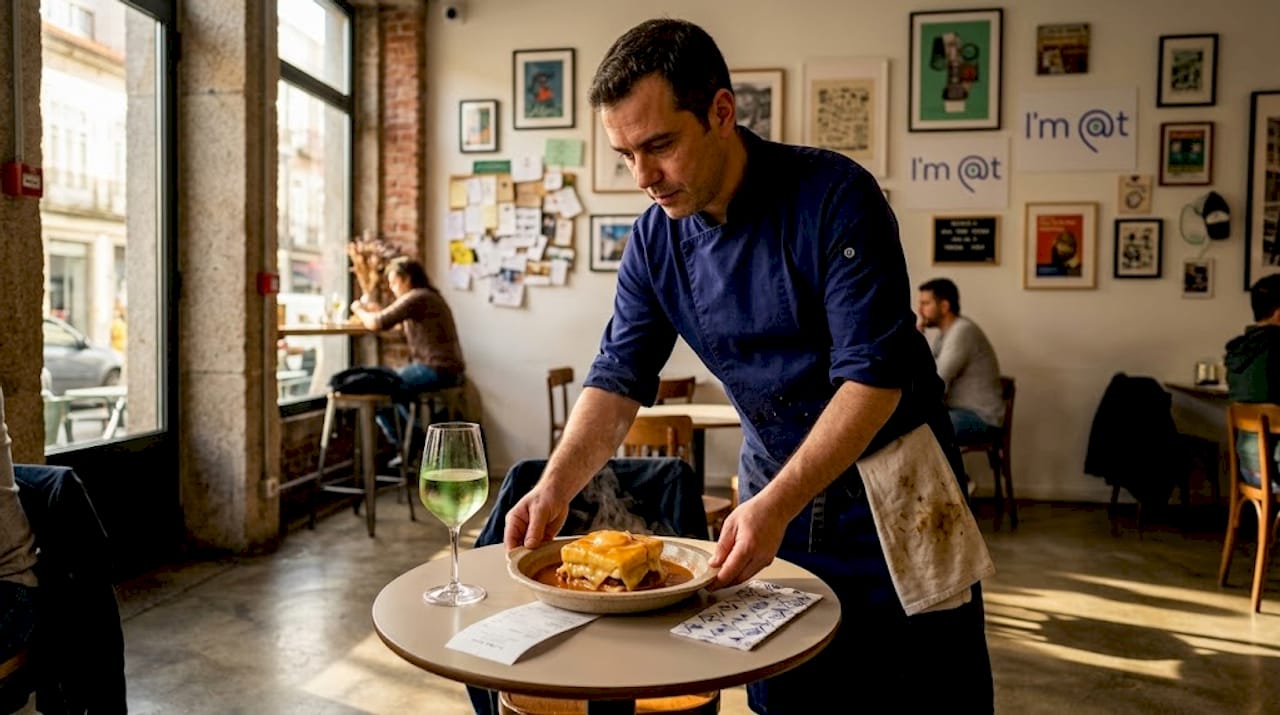
For a sit-down meal, the francesinha is Porto's signature dish and nothing quite prepares you for your first one. It is a layered sandwich of cured meats, linguiça sausage, and fresh sausage covered in melted cheese and soaked in a spiced beer-and-tomato sauce, usually served with fries. It is unapologetically heavy and completely delicious. Grilled sardines, meanwhile, are best enjoyed at a simple riverside restaurant with a cold glass of vinho verde.
The wine scene in Porto is anchored by Vila Nova de Gaia, the city directly across the river. Port wine cellars like Sandeman and Taylor's offer guided tours and tastings that explain the full production process, from the vineyards of the Douro Valley to the barrels aging in the lodges just steps from the river. This is not just a tasting room experience; it is a crash course in 300 years of Portuguese winemaking history.
For a deeper exploration of the region's wines, a Douro Valley wine trip takes you into the dramatic terraced vineyards that supply Porto's famous cellars. If you prefer a focused, expert-led introduction, a dedicated port wine tasting with a certified sommelier is the sharpest way to build your knowledge quickly.
- Visit Bolhão Market early (before 10 a.m.) when produce is freshest and lines are short.
- Try at least one full francesinha lunch at a traditional tasca (local diner), not a tourist-facing restaurant.
- Book wine cellar tours ahead; the most popular lodges sell out days in advance during summer.
- Ask your sommelier to compare a 10-year tawny against a vintage port; the contrast is eye-opening.
Pro Tip: Pair your Vila Nova de Gaia cellar visit with the walk across Dom Luís I Bridge. You get the wine experience and one of Porto's best panoramic views in the same afternoon.
Outdoor adventures and scenic views
Supplement Porto's urban experiences with memorable adventures outdoors and along the water. The city's natural setting along the Douro estuary and the Atlantic coast gives you options that feel completely different from anything you will find in the historic center.
Dom Luís I Bridge is a striking iron double-deck bridge designed by a student of Gustave Eiffel. Crossing the upper level on foot gives you the best panoramic views of both Porto and Vila Nova de Gaia while landing you directly at the port wine cellar district. The lower deck stays close to the water and is better for photos looking back up at the bridge itself.
The Douro River cruise is one of the most relaxing ways to take in the city's scale. The Six Bridges tour on a traditional Rabelo boat takes roughly one hour and glides beneath all six bridges that span the river between Porto and Gaia, giving you unobstructed views of the Ribeira skyline from the water. The Rabelo boats are historically significant too: they were used for centuries to transport port wine barrels down from the Douro Valley.
For hikers, Porto's coastal paths are surprisingly underused by international tourists. The Camino Portugués Coastal Route and paths toward Foz do Douro beaches offer a mix of clifftop views, fishing villages, and stretches of Atlantic shoreline that feel far removed from the city bustle.
If you want a full day adventure outside the city, Passadiços do Paiva is extraordinary. This 5.4-mile wooden boardwalk through Arouca Geopark winds alongside the emerald Paiva River with waterfalls, river beaches, and dramatic canyon views at every turn. It is about an hour's drive from Porto and makes for an ideal day trip.
| Outdoor experience | Duration | Difficulty | Best for |
|---|---|---|---|
| Dom Luís I Bridge walk | 20-30 min | Easy | Views, wine cellars |
| Douro River cruise | 1 hour | Easy | Relaxed sightseeing |
| Foz do Douro coastal walk | 2-3 hours | Moderate | Nature, solitude |
| Passadiços do Paiva | Full day | Moderate-Hard | Hardcore adventurers |
Pro Tip: Book cruise bookings and day trips early in summer. Douro boat tours fill up by mid-morning, especially on weekends.
Memorable local experiences beyond the basics
If you crave deeper immersion, Porto offers local experiences that reveal the city's soul beyond what any guidebook highlights.
Fado music is Portugal's most emotionally distinctive art form: soulful, melancholic, and utterly transporting when heard live. A Fado show with port wine in a historic venue is a UNESCO-recognized intangible heritage experience and one of the most intimate performances you can witness in any European city. Porto's Fado tradition has its own distinct flavor compared to Lisbon, drawing on working-class maritime themes and a rougher, rawer vocal style.
Cultural note: Porto Fado is sometimes called "Fado do Porto" or even "Fado da Mouraria Portuense." It differs from Lisbon Fado in instrumentation and emotional register; locals are genuinely proud of this distinction and happy to explain it if you ask.
- Attend a live Fado music by the river for the full atmospheric experience.
- Book a Fado dinner show for a longer evening that combines local food with music and a night tour.
- Explore the Art Block (Rua Miguel Bombarda) area for galleries, street murals, and independent bookshops that reflect Porto's contemporary creative culture.
- Wander the Bonfim and Cedofeita neighborhoods for family-run grocers, local bars, and the daily rhythms of real Porto life well outside the tourist core.
| Experience | Touristy? | Cost range | Booking needed? |
|---|---|---|---|
| Ribeira riverside walk | Very popular | Free | No |
| Fado show with dinner | Moderate | €€€ | Yes |
| São Bento Station tiles | Popular | Free | No |
| Street art in Cedofeita | Rare | Free | No |
Our take: The best ways to balance Porto's highlights and hidden gems
Here is something most Porto itineraries will not tell you: the checklist approach actively works against you. You can sprint between Livraria Lello, Clérigos Tower, and the port cellars in a single morning and come away feeling like you saw Porto without ever really feeling it. The city rewards presence over efficiency.
Our honest advice is to anchor your days around one or two headline experiences and leave the rest deliberately unplanned. Visit São Bento Station at 8 a.m. when it is nearly empty and spend twenty minutes reading the tiles instead of photographing them. Walk across Dom Luís I Bridge mid-afternoon and then follow your instincts into the back streets of Gaia rather than heading straight to the cellar entrance.
Crowds are genuinely manageable with simple timing. The most popular sites like Livraria Lello draw the heaviest foot traffic between 11 a.m. and 3 p.m. Arrive at 9 a.m. and you will sometimes have iconic spaces almost to yourself. Mid-week visits to markets, especially Bolhão, are noticeably calmer than weekends.
Do not over-concentrate your itinerary in Ribeira. The neighborhood is beautiful, but it is also Porto's most tourist-dense area. Baixa (the central commercial district) offers a more grounded urban pulse. Foz do Douro, at the river mouth where it meets the Atlantic, is where Porto's locals go on weekends for a reason: it is breezy, open, and authentically relaxed.
For wine lovers specifically, the Douro Valley deserves its own dedicated day rather than being squeezed into a city afternoon. A Douro Valley experience for wine lovers visiting multiple quintas (wine estates) in the terraced vineyards gives you a perspective on Portuguese wine culture that no cellar tasting in Vila Nova de Gaia can replicate. The drive alone through the valley's dramatic landscape justifies the day.
Porto's magic is heavily concentrated in unscripted moments: the local singing badly but joyfully in a bar in Bonfim, the grandmother hanging laundry from a window in Miragaia, the fisherman mending nets near Foz. Schedule some space for those.
Ready to experience Porto's best?
Porto rewards travelers who plan smart but stay flexible. With so many choices, booking an expert-led tour or exclusive local experience can help you make the most of your time in the city without sacrificing spontaneity.

At Im-at, we connect you directly with Porto's top-rated guided experiences: from Douro Valley small-group tours with wine tastings and river cruises, to intimate private Porto tours that give you a knowledgeable local guide without the crowd of a bus trip. Browse our curated activity catalog to find experiences matched to your travel style, available dates, and pace. Skip the planning stress, book in minutes, and spend your energy discovering the real Porto.
Frequently asked questions
What are the absolute must-see sights in Porto for first-time visitors?
First-time visitors should prioritize the Ribeira District's UNESCO waterfront, Livraria Lello bookstore, Clérigos Tower, and the port wine cellars in Vila Nova de Gaia. Together, they represent the city's history, architecture, and defining culinary heritage in four stops.
Is Porto walkable for travelers with limited mobility?
Central riverside areas are largely flat and accessible, but many of Porto's most iconic spots involve steep hills or staircases. The Clérigos Tower climb and Paiva trails present significant physical challenges and are not suitable for travelers with mobility limitations.
How can I avoid crowds at Porto's popular sites?
The single most effective strategy is booking tickets online in advance and arriving at opening time, typically 9 or 10 a.m. Shoulder seasons (March through May and September through November) offer thinner crowds with excellent weather throughout.
What is a unique local experience in Porto that tourists often miss?
A live Fado show in a historic venue with port wine is Porto's most authentically immersive evening and it remains significantly underbooked by international tourists compared to its Lisbon equivalent.
Are day trips from Porto worth it?
Absolutely. The Passadiços do Paiva boardwalk in Arouca Geopark and a full Douro Valley wine tour are two of the most memorable experiences in northern Portugal and both sit within easy reach of the city.