
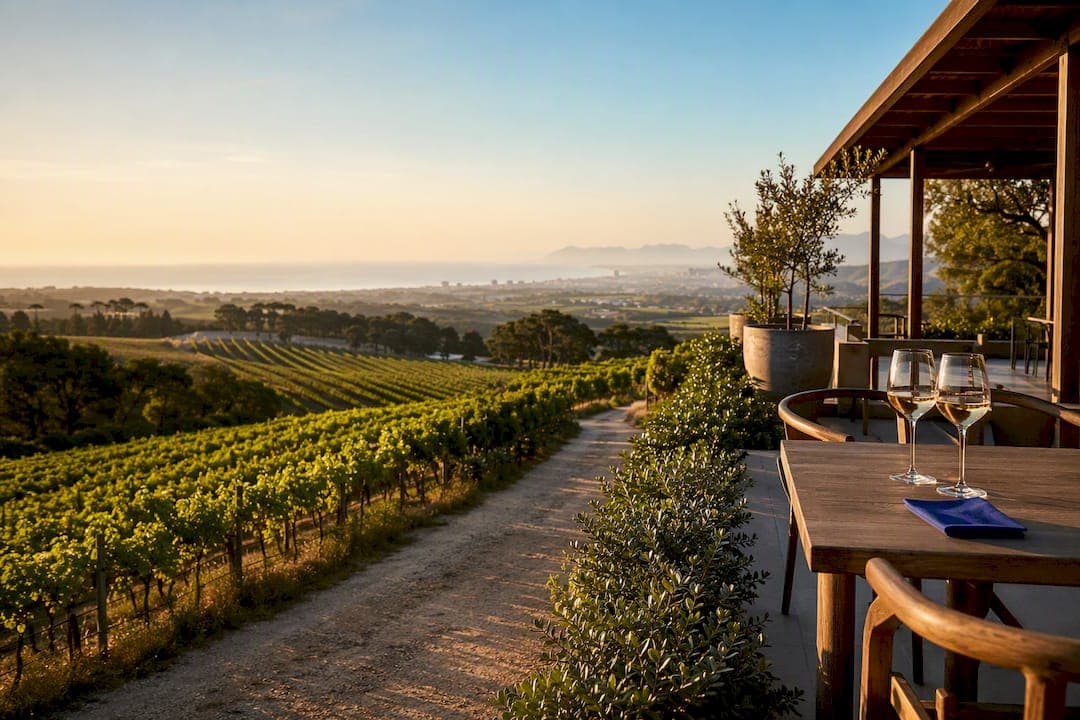
Durbanville Wine Valley is a cool climate wine region about 20 to 30 minutes from Cape Town, best known for Sauvignon Blanc and a compact cluster of family-run estates. The simplest way to see it is either a self-drive loop or the Durbanville Wine Safari, a hop-on hop-off tasting route. For a first visit, start with Diemersdal, Meerendal, Durbanville Hills, D'Aria, and Nitida.
TL;DR:
- Most estates prefer appointments, especially boutique labels, so calling ahead is essential if you want a walk-in or specific experience.
- The region's cool climate, influenced by Atlantic breezes, makes Sauvignon Blanc crisp and high in acidity, with reds like Pinotage and Merlot also thriving.
- The Durbanville Wine Safari is the most convenient way to visit multiple estates without driving, and booking the morning slot reduces crowd-related delays.
- A half-day typically covers three to four estates, ideal for short visits, while a full day allows for relaxed tastings, outdoor activities, and meals.
- Visiting during harvest season or open-cellar weekends offers added opportunities for unique tastings and festival atmospheres.
Table of Contents
- Which Estates Should You Visit on the Durbanville Wine Route?
- Why Does Durbanville Wine Taste Different?
- What Tasting and Tour Options Exist on the Wine Route?
- Where Should You Eat and What Else Is There to Do?
- How Do You Plan the Logistics of a Visit?
- What Does a Full Day on the Wine Route Look Like?
- How Do Families and Non-Drinkers Fit into a Wine Farm Day?
- Are There Wine Festivals or Events Worth Timing a Visit Around?
- How Im-at Simplifies a Durbanville Wine Day
- Book Your Durbanville Wine Route Experience Through Im-at
- Sources
Which Estates Should You Visit on the Durbanville Wine Route?
Ten estates come up again and again when locals talk about this valley, and each earns its spot for a different reason. Some reward you with a view, others with a kitchen worth lingering in, and a few are built specifically for a family day out rather than a serious tasting session.
- Durbanville Hills: sweeping views over Table Bay and an interactive tasting center that explains how the sea breeze shapes the wine, according to Wine.co.za.
- Meerendal Wine Estate: historic Cape Dutch buildings, old-vine Pinotage, and a relaxed lawn setting good for groups.
- Groot Phesantekraal: working farm feel with a strong focus on estate storytelling and terroir.
- Diemersdal: a walk-in favorite with a busy tasting room and farm-style lunches.
- Maastricht: a renovated tasting room known for seasonal cheese platters and a family-friendly pace.
- Klein Roosboom: smaller, boutique, and better suited to a quieter appointment-based tasting.
- Hillcrest Wine Estate: a casual restaurant, olives, and award-winning wines roughly 30 minutes from Cape Town.
- Nitida: consistently strong Sauvignon Blanc and a shaded picnic deck popular with couples.
- Bloemendal: known for its restaurant with valley views, good for a longer lunch stop.
- D'Aria: bold modern architecture and an easy walk-in tasting policy.
Diemersdal, D'Aria, and Maastricht generally welcome walk-ins, while smaller boutique labels tend to prefer a booked appointment, so call ahead if you're set on one of those.
Why Does Durbanville Wine Taste Different?
Durbanville sits in the Tygerberg Hills, close enough to the Atlantic that cool sea breezes roll through the vineyards most afternoons. That oceanic pull slows ripening, keeps natural acidity high, and gives the region's whites their signature snap. It's why Sauvignon Blanc has become the valley's calling card, with crisp, grassy, sometimes flinty examples that rarely need much oak to shine, a style Groot Phesantekraal attributes directly to the cool climate influence.
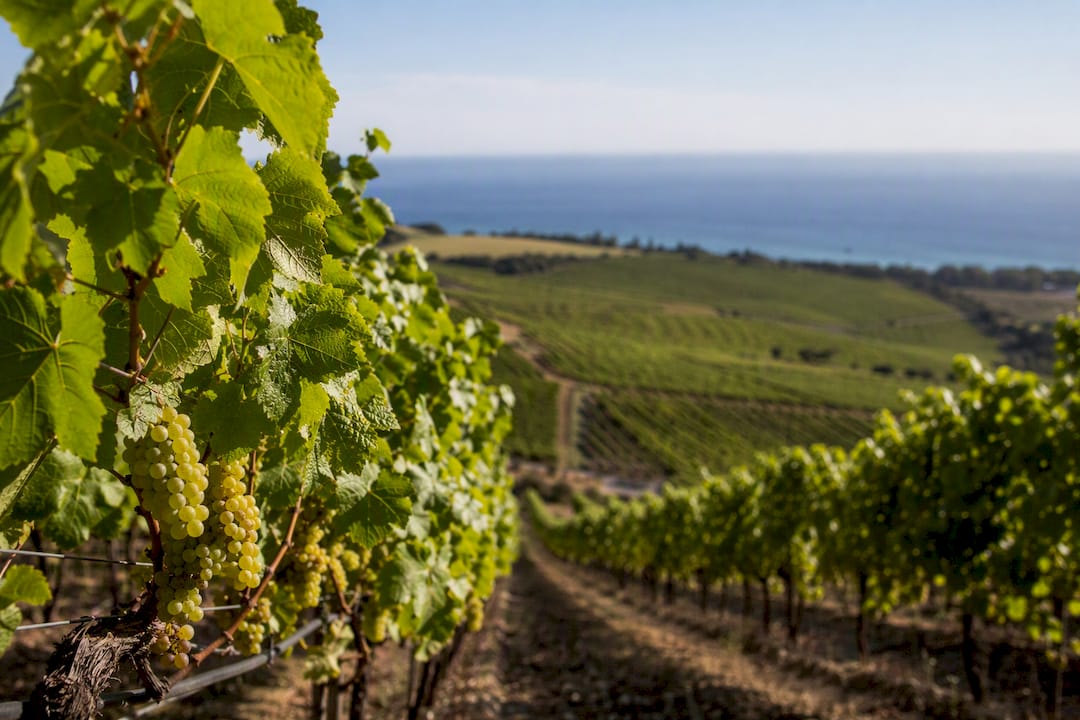
Reds still have a place here. Look for Pinotage, Merlot, and Cabernet Sauvignon, along with a growing number of Méthode Cap Classique and Chenin Blanc bottling. A smart tasting order runs whites to reds, lightest to fullest, finishing on anything sweet or sparkling. At the counter, ask which block the grapes came from and how close it sits to the ocean. That one question usually unlocks the whole terroir conversation.
What Tasting and Tour Options Exist on the Wine Route?
Three ways to move through the valley, ranked by how much thinking you want to do yourself.
- Durbanville Wine Safari: a hop-on hop-off shuttle running a Northern and a Southern line, linking the valley's best-known cellars and storing any bottles you buy so you're not lugging cases between stops, per Time Out. It's the easiest choice for groups who don't want a designated driver.
- Private tour or transfer: a driver takes you between three or four estates on your own schedule, which suits couples or small groups who want flexibility without doing the navigating themselves.
- Self-drive: cheapest and most flexible, but someone in the car has to stay sober, and Durbanville's roads get busy on weekend afternoons.
If you'd rather book a seat than plan a route, a private day tour through Cape Town Wine Route and Wine Experience Private Day Tour covers the logistics for you.
Pro Tip: Book the Wine Safari's morning slot if you can. Estates get crowded by early afternoon, and tasting-room staff have more time to talk terroir when the queue is short.
Where Should You Eat and What Else Is There to Do?
Food is not an afterthought on this route, making it essential to understand the art of crafting exceptional experiences as detailed in Defining Culinary Experiences: a Traveler’s Guide. Several estates run proper kitchens alongside the tasting rooms, and the valley's location near the Tygerberg Nature Reserve means you can pair a glass of Sauvignon Blanc with something more active than sitting at a table.
- Bloemendal's restaurant leans into the valley views for a slower lunch.
- Diemersdal and Maastricht both serve farm-style platters that work well for families.
- Hillcrest's casual restaurant pairs its wine with estate-grown olives.
- Mountain biking and walking trails wind through the surrounding hills, part of a regional network estimated at around 170 kilometers.
- Birdwatchers will find several quiet spots near the reserve edges worth the detour.
Estates with dining, outdoor activities, and fine-dining options side by side make it easy to build a day that isn't only about the glass in your hand. If you're traveling with kids or non-drinkers, ask at reception about picnic spots. Most farms are relaxed about a blanket on the lawn even if you're not tasting.
How Do You Plan the Logistics of a Visit?
Getting there is the easy part. Durbanville sits about 20 to 30 minutes from central Cape Town, and most estates have free on-site parking with no real accessibility issues for standard visits.
- Diemersdal runs a strict first-come, first-served policy, with tasting hours typically Monday through Saturday from 09:00 to 17:00, according to its own tasting room information.
- Boutique producers, and most group bookings of six or more, usually need an appointment.
- Budget somewhere between $5 and $10 per tasting flight at most estates, though this varies.
- A half-day covers three to four estates comfortably; a full day lets you add lunch and one outdoor stop.
- Weekday mornings are quieter than Saturday afternoons, and spring through early autumn brings the best weather for lingering outdoors.
What Does a Full Day on the Wine Route Look Like?
A half-day plan works well if you're short on time. Start at Diemersdal around 10:00 for a walk-in tasting, move to D'Aria for its architecture and a second flight, then finish at Durbanville Hills for the view and a light lunch on the terrace. Three estates, no bookings required, done by early afternoon.
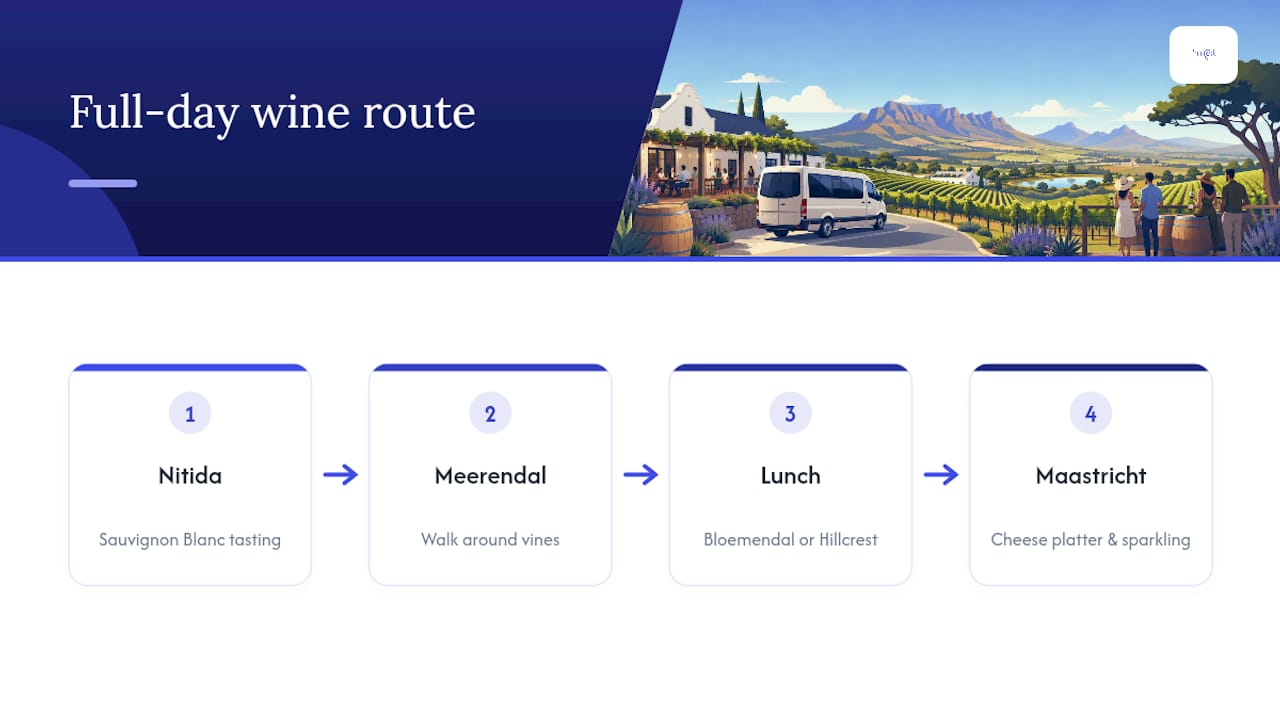
A full day gives you room to slow down. Begin at Nitida for Sauvignon Blanc while the tasting room is still quiet, then head to Meerendal for a longer stop among the old Cape Dutch buildings and a walk around the vines. Break for lunch at Bloemendal or Hillcrest, both known for their kitchens, then close the afternoon at Maastricht with a cheese platter and a glass of something sparkling.
Groups that want to mix Durbanville with a broader Winelands day often add Stellenbosch onto the same trip. A packaged option like the Cape Town Private Tour, Stellenbosch Winelands Full Day handles that combination without you needing to plot two regions on one map. Either version of the day works. The half-day suits anyone flying in or out the same day; the full day suits visitors who have nowhere else to be.
How Do Families and Non-Drinkers Fit into a Wine Farm Day?
Durbanville handles mixed groups better than most wine regions, mainly because the estates lean toward farm life rather than formal cellar tours. Maastricht's tasting room keeps a family-friendly pace with food that works for kids, and its seasonal platters give non-drinkers something to enjoy that isn't an afterthought.
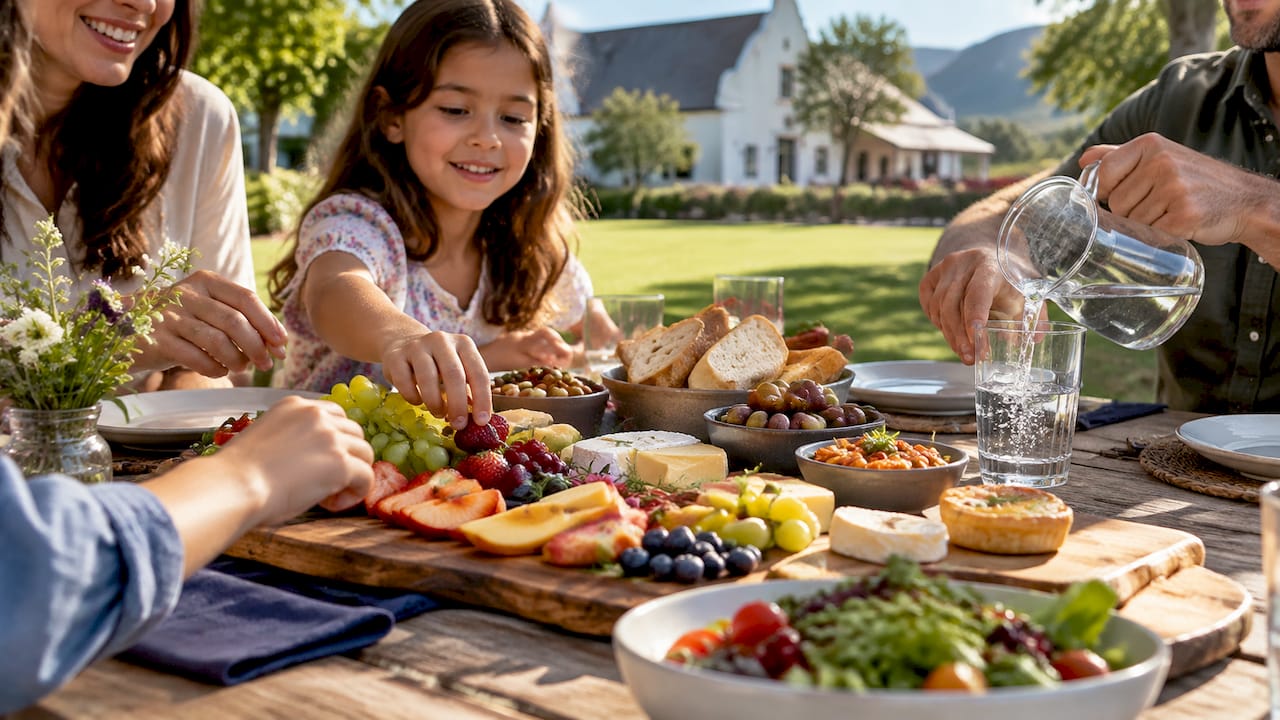
Bring a driver's license worth of restraint into the planning: if half your group isn't tasting, pick estates with lawns, picnic spots, or a proper restaurant rather than a standing-room tasting counter. Bloemendal and Hillcrest both fit that brief, since their kitchens are the main draw and the wine is a companion rather than the point.
Ask ahead about pets and prams. Policies vary estate by estate and aren't always listed online, so a quick phone call before you leave saves an awkward conversation at the gate. Non-drinkers should ask about grape juice or non-alcoholic options at the tasting counter. Several farms keep something on hand even if it's not on the printed menu.
For families traveling with older kids who might enjoy learning rather than just waiting around, Durbanville Hills' interactive visitor center gives them something to do while the adults taste, explaining how slope and sea breeze shape flavor in terms that actually hold a child's attention.
Are There Wine Festivals or Events Worth Timing a Visit Around?
Durbanville's estates run seasonal events throughout the year, mostly built around harvest and the warmer months when outdoor tastings and long lunches make more sense. Harvest season, typically running from late summer into early autumn, brings pop-up events at several farms celebrating the new vintage, and it's worth checking individual estate calendars before you book if a festival crowd or a quieter weekday visit better suits your plans.
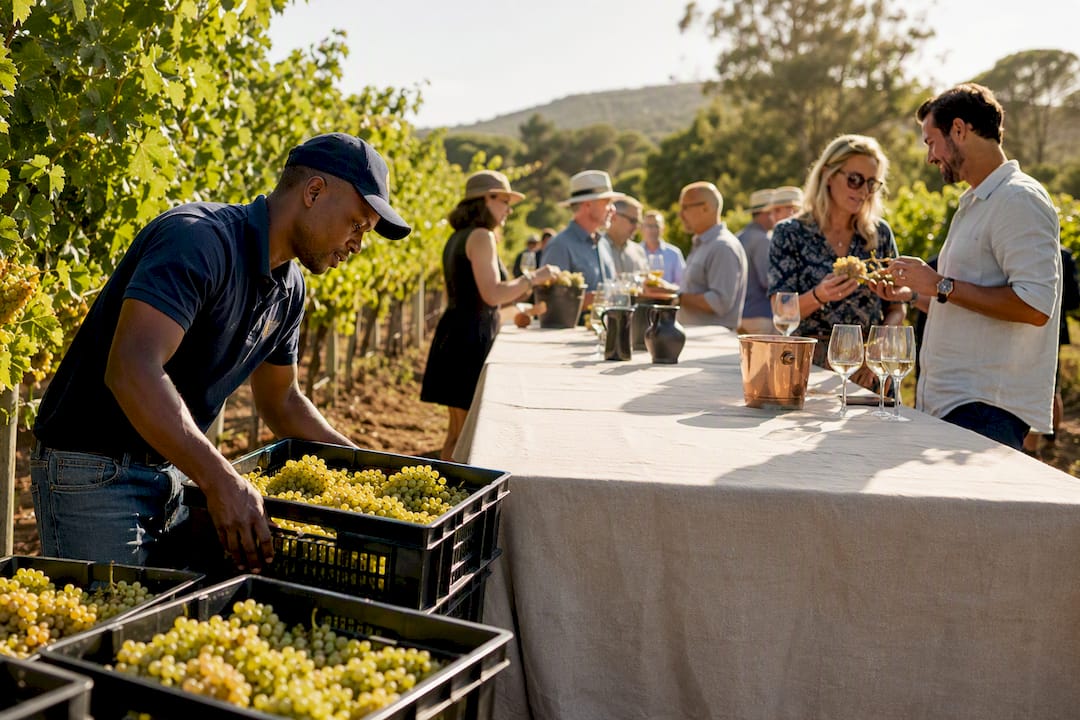
Smaller boutique producers sometimes host open-cellar weekends where usually appointment-only tastings open up to walk-in visitors, a good chance to try labels you'd otherwise need to book ahead for. These tend to be announced closer to the date rather than fixed on an annual calendar, so a quick check with the estate or the regional Durbanville Wine Valley listings before your trip is worth the five minutes it takes.
If your visit lines up with one of these events, build extra time into your day. Festival crowds move slower, parking fills up faster, and the best stalls or tastings tend to have queues by midmorning.
How Im-at Simplifies a Durbanville Wine Day
Planning a wine route day usually means juggling estate hours, booking policies, and transport all at once. Im-at handles that by packaging curated tours where the driving and reservations are already sorted. Options like the Full Day Cape Tour suit visitors who want wine alongside other Cape Town highlights in one booked trip.
Self-planning works fine if you enjoy the logistics. If you'd rather skip the phone calls to boutique estates and just show up, a pre-booked tour is the lower-effort route, and it's the one Im-at is built around.
— Mikahil
Book Your Durbanville Wine Route Experience Through Im-at
Im-at gives you one place to compare and book wine country experiences instead of calling five different estates to check who takes walk-ins this week. For readers weighing a Durbanville day against other Cape Town options, browsing curated listings beats piecing together a plan from scattered estate websites.
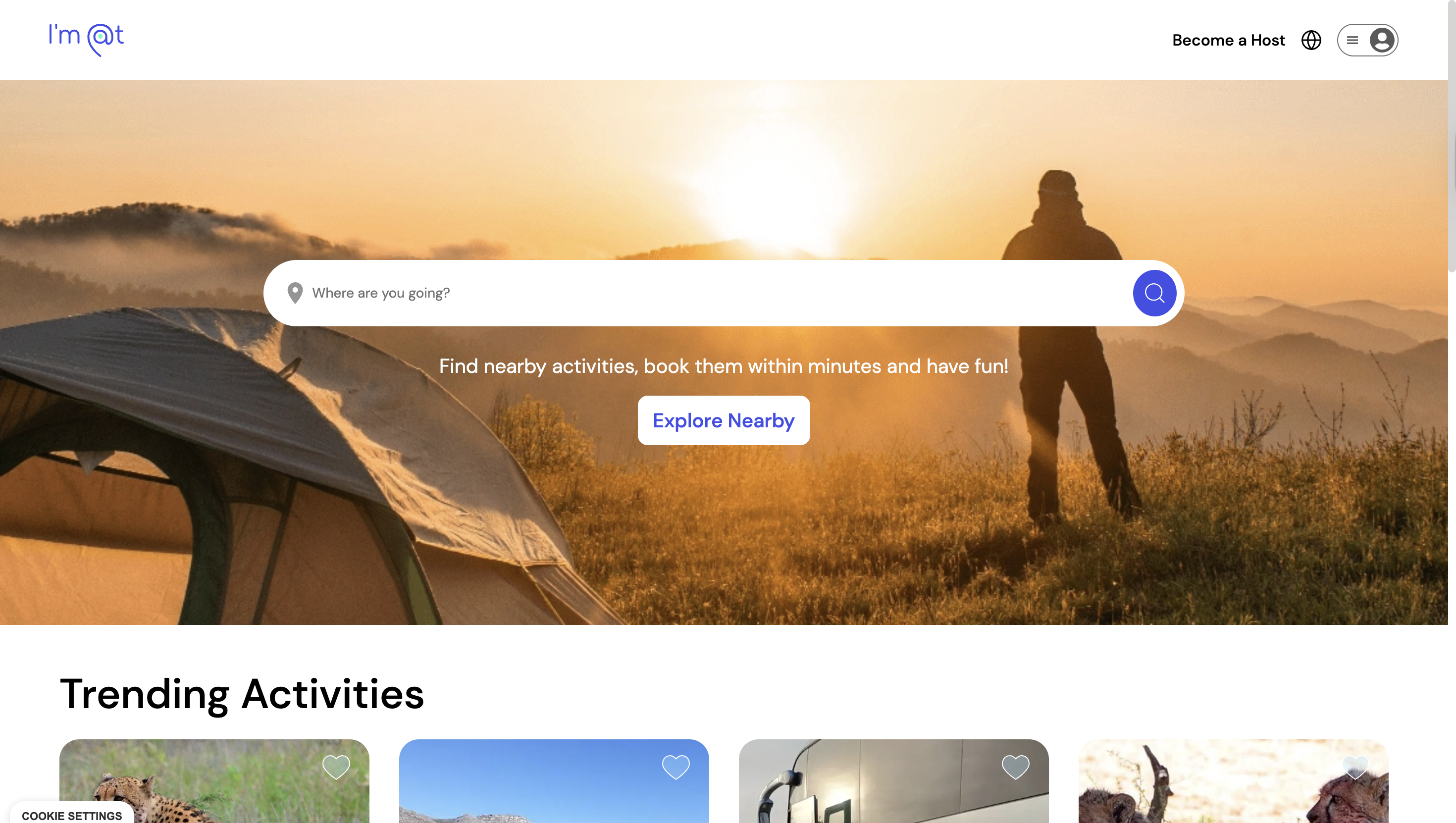
Booking typically follows three steps: search for the experience, select your date and group size, and pay securely online, with cancellation terms shown clearly before you confirm. If you want to pair wine tasting with a different kind of cultural outing on the same trip, the Lesedi Cultural Village Day Tour is worth adding to your shortlist. For a broader regional wine experience beyond Durbanville alone, check The Unholy Secrets listing to see what else is available for the same trip window, or start by searching current availability for wine country tours near Cape Town.
Sources
- Groot Phesantekraal — Durbanville wine route
- Durbanville Wine Valley | Cape Town’s Northern Vineyards
- Time Out — Ultimate guide to Durbanville Winelands
- Diemersdal — Our tasting room