
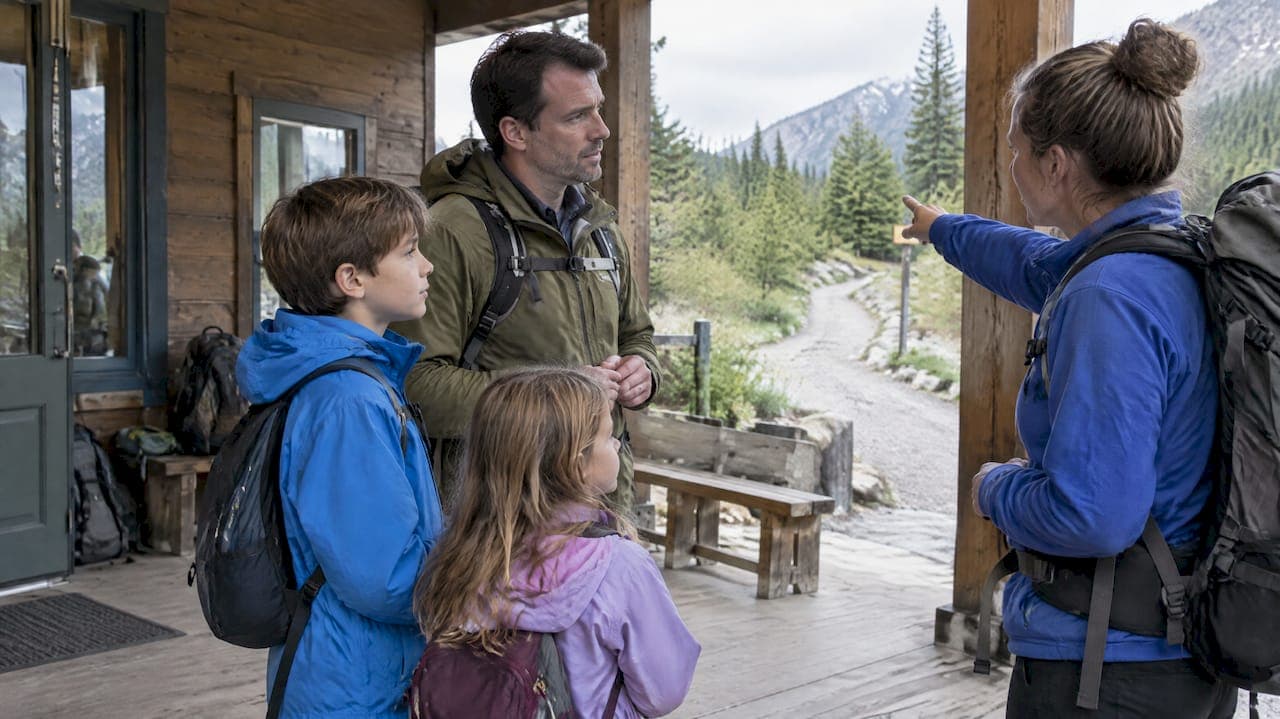
Family-friendly tours are trips and activities built around the pace, safety needs, and attention spans of children, not adults. Start your search two ways: filter packaged tours by age range, or book short, marketplace-listed local experiences like half-day excursions. Either way, pacing and safety matter more than itinerary length or price.
TL;DR:
- Family tours should match children’s ages, energy levels, and patience, requiring detailed confirmation of supervision ratios, bathroom access, and accessibility.
- Booking with clear filters for age range, duration, and included amenities reduces the risk of choosing unsuitable activities and saves parents time.
- Traveling with kids requires early health planning, including vaccination timelines, packing a first-aid kit, and knowing nearby medical facilities for emergencies.
- Budget strategies such as booking accommodation with kitchen access and off-peak travel can significantly lower overall costs for family trips.
- Engaging children with participation tactics and packed snacks improves their enjoyment and cooperation during tours, especially when managing meal and activity expectations.
Table of Contents
- 1. Popular tour types families actually book
- 2. How do you choose the right family-friendly tour?
- 3. Safety and health prep before you travel with kids
- 4. Budgeting and logistics that keep family tours affordable
- 5. Keeping kids engaged with 'kidfluence' tactics
- 6. Meal planning and food on family tours
- 7. Handling emergencies and unexpected moments with kids
- 8. Our take: what family travel planning should actually solve
- Book a family tour that fits your kids, not just your dates
- FAQ
- Sources
1. Popular tour types families actually book
Most family trips fall into a handful of proven formats, and knowing which fits your crew saves hours of scrolling.
- Beach and resort packages: best for toddlers through teens, low physical demand, often include pools and kid clubs.
- Theme park add-ons: suit kids ages 4 and up who can handle lines and crowds; look for fast-pass or skip-line options.
- City walking tours: work well for school-age kids and up, usually 1.5 to 3 hours, scavenger-hunt formats keep younger ones engaged.
- Nature and day trips: wildlife viewing, farm visits, or light hikes, flexible pacing, good for mixed-age groups.
- Cultural workshops: cooking classes or craft sessions, hands-on format holds attention better than lecture-style tours.
- Boat or dolphin-watching tours: appeal to most ages but require close water supervision for toddlers.
- Short adventure outings: zip-lining, kayaking, or climbing for older kids and teens with higher stamina.
Beach vacations, visits with family or friends, and theme or water parks top the list of planned family trips this year, according to the 2025 Family Travel Survey. Inclusions vary widely, so always check whether meals, transport, and equipment rental are bundled before comparing prices.
2. How do you choose the right family-friendly tour?
A good tour fits your kids' ages, energy levels, and patience, not just your vacation dates. Run through this checklist before booking anything.
- Match the itinerary length and pacing to your children's ages and nap schedules.
- Ask about the adult-to-child supervision ratio and whether guides have child-specific training.
- Confirm junior-host or kids'-program options if your tour includes one.
- Check for on-site bathrooms, shaded rest areas, and snack or meal availability.
- Verify stroller access and car-seat or child-restraint policies for any included transport.
- Ask about accessibility accommodations if a family member has mobility or sensory needs.
- Review the cancellation and refund policy in case a child gets sick the morning of the tour.
Keep this list handy when you call or message a provider. A tour operator who can't answer supervision or bathroom questions clearly is usually not set up for young children.
Pro Tip: Call providers directly instead of relying only on listing descriptions. Phrasing like "family-friendly" means very different things across operators.
3. Safety and health prep before you travel with kids
Health preparation should start well before you pack. The CDC recommends consulting a travel medicine specialist at least one month before departure to review destination-specific vaccine needs. Some vaccines, including yellow fever, need about 10 days after the shot to become fully effective, so last-minute bookings can leave a gap in protection.
- Pack a child-sized first-aid kit and know where the nearest clinic or hospital is at your destination.
- Enroll in the State Department's Smart Traveler Enrollment Program for trips abroad.
- Keep toddlers within arm's reach near any water, and put life jackets on kids during any boating activity.
- Confirm your child's car seat works with the vehicle or carrier you've booked, and check airline rules on bringing one aboard.
Consulting a specialist a month ahead and allowing 10 days for the yellow fever vaccine to take effect are two of the most concrete, actionable timelines in the CDC's family travel guidance, and both are easy to miss when booking a trip in a hurry.
4. Budgeting and logistics that keep family tours affordable
Affordability is consistently the biggest obstacle families report when planning trips, according to the Family Travel Association's 2025 survey. A few practical moves make a real difference.
- Book lodging with kitchen access; half of surveyed families use this to cut food costs.
- Weigh all-inclusive resorts against mixed self-planning, since predictable pricing can offset a higher sticker price.
- Travel off-peak and bundle short local tours instead of one large, expensive excursion.
- Budget for hidden costs: extra airline seats for toddlers, car-seat rental fees, and mandatory guide supplements on some tours.
- Build nap-friendly, half-day itineraries to avoid paid childcare and expensive meltdown recoveries.
Around 46% of families also limit how many paid attractions they book per trip, leaning instead on free beach time, parks, or walking tours to fill the gaps.
5. Keeping kids engaged with 'kidfluence' tactics
Children who feel like active participants, not passengers, make tours go more smoothly for everyone. Giving kids small decisions and tasks turns a passive walk into something they actually want to do.
- Turn city or nature tours into scavenger hunts with a simple checklist to find and tick off.
- Offer a "Junior Explorer" role, letting one child lead for part of the activity.
- Let kids choose one small part of the day, like which exhibit to visit first.
- Pack a lightweight engagement kit: snacks, a small toy, an activity booklet, and offline games for transitions.
- For mixed-age groups, run parallel activities so younger and older kids aren't stuck doing the same thing at the same pace.
Parents who involve children in trip planning report higher engagement, and 74% say kids over age 7 genuinely enjoy helping plan parts of the trip, per the 2025 Family Travel Survey.
Pro Tip: Save screen time for transit legs only. Kids stay more engaged on the actual tour when screens are off until the car or bus ride.
6. Meal planning and food on family tours
Hungry kids derail even the best-planned tour, so food logistics deserve as much attention as the itinerary. Ask providers upfront whether meals or snacks are included, and if not, build in your own stops.
Pack portable, familiar snacks rather than relying on finding kid-friendly food on the road, especially for picky eaters or kids with allergies. Crackers, fruit, and shelf-stable protein travel well and don't need refrigeration for short outings. For full-day tours, check whether the stops include a real lunch break with seating, not just a quick grab-and-go window; toddlers and younger kids often need a sit-down meal to reset before the afternoon.

If you're staying somewhere with kitchen access, as many budget-conscious families now do, plan at least one meal a day at your accommodation instead of eating out for every meal. This cuts costs and gives kids a predictable meal they'll actually eat. When booking tours abroad, ask about local food safety for young children, including bottled water availability, since digestive upsets are one of the most common reasons families cut outings short.
For allergies, carry a written card in the local language describing the allergy and bring any needed medication. Confirm with tour operators in advance whether they can accommodate dietary restrictions rather than discovering the limits mid-tour.
7. Handling emergencies and unexpected moments with kids
Even well-planned tours hit snags, a meltdown, a skinned knee, a sudden fever, so having a simple response plan reduces panic for everyone. Before any tour, identify the nearest clinic or hospital and keep the address saved offline on your phone.
Carry a basic first-aid kit with children's pain reliever, bandages, and any prescribed medications, and know your child's weight in case a pharmacist or doctor needs it for dosing. If a child gets separated from the group, agree on a simple meeting point before the tour starts, and dress young kids in bright, easy-to-spot colors.
For weather-related disruptions, like a sudden storm on a boat tour, ask providers about their contingency plan before booking, not after boarding. Tours with vague answers on bad-weather protocols are a signal to look elsewhere. Keep a charged phone and a backup battery, and carry small bills for taxis or quick exits if a tour becomes too much for a tired or overstimulated child.

Above all, build slack into the day. A schedule with no buffer time turns a minor hiccup, a missed bus, a long bathroom line, into a stressful scramble instead of a manageable delay.
8. Our take: what family travel planning should actually solve
The real friction in family travel isn't finding activities, it's filtering out the ones that look family-friendly in a listing but fall apart once toddlers, nap schedules, and mixed-age siblings show up. Too many tours market themselves as suitable for all ages without stating pacing, supervision ratios, or bathroom access, leaving parents to find out the hard way.
As a travel booking marketplace, we built our filters around age range, duration, and amenities specifically because those three details predict whether a tour will actually work for a family, far more reliably than a five-star rating. Clear supplier notes on supervision and inclusions cut out most of the guesswork before a parent ever messages a provider.
— Mikahil
Book a family tour that fits your kids, not just your dates
We built a travel marketplace for searching, comparing, and booking tours and activities worldwide, with filters for age range, duration, and included amenities so you can skip the back-and-forth with providers.

- Filter by age range and tour length before you even open a listing.
- Compare family-friendly guided tours, day trips, and workshops side by side.
- Book a short half-day activity as a low-risk test run before committing to a longer excursion.
If you're planning a beach day, a cultural outing in Croatia, or a quick local experience closer to home, start browsing options built for families on the Im-at marketplace.
FAQ
Is $20,000 enough to travel the world with a family?
A budget can cover a meaningful multi-month trip for a family if you mix budget lodging with kitchen access, off-peak travel dates, and shorter local tours instead of constant paid attractions. Costs vary enormously by destination and family size, so the real answer depends on how many countries and how much comfort you're planning for.
What are the most popular vacation destinations for families?
Beach destinations top the list, followed by trips to visit family or friends and theme or water parks, according to the 2025 Family Travel Survey. Multigenerational trips that include grandparents are also increasingly common.
Which place is best for a 3-day family trip?
The best pick for a short trip depends on your kids' ages and how much travel time you can handle, but beach towns and day-trip-friendly regions tend to work well because they allow flexible, low-stamina itineraries. Look for destinations with a mix of beach or park time and one or two short guided activities rather than packing in long excursions.
What should I look for in a family tour package that includes flights?
Check whether the package clearly states child seat policies, luggage allowances for strollers or car seats, and whether meals are included for younger travelers. Packages that bundle flights with tours can simplify planning, but always confirm cancellation terms separately, since flight and tour refund policies don't always match.