
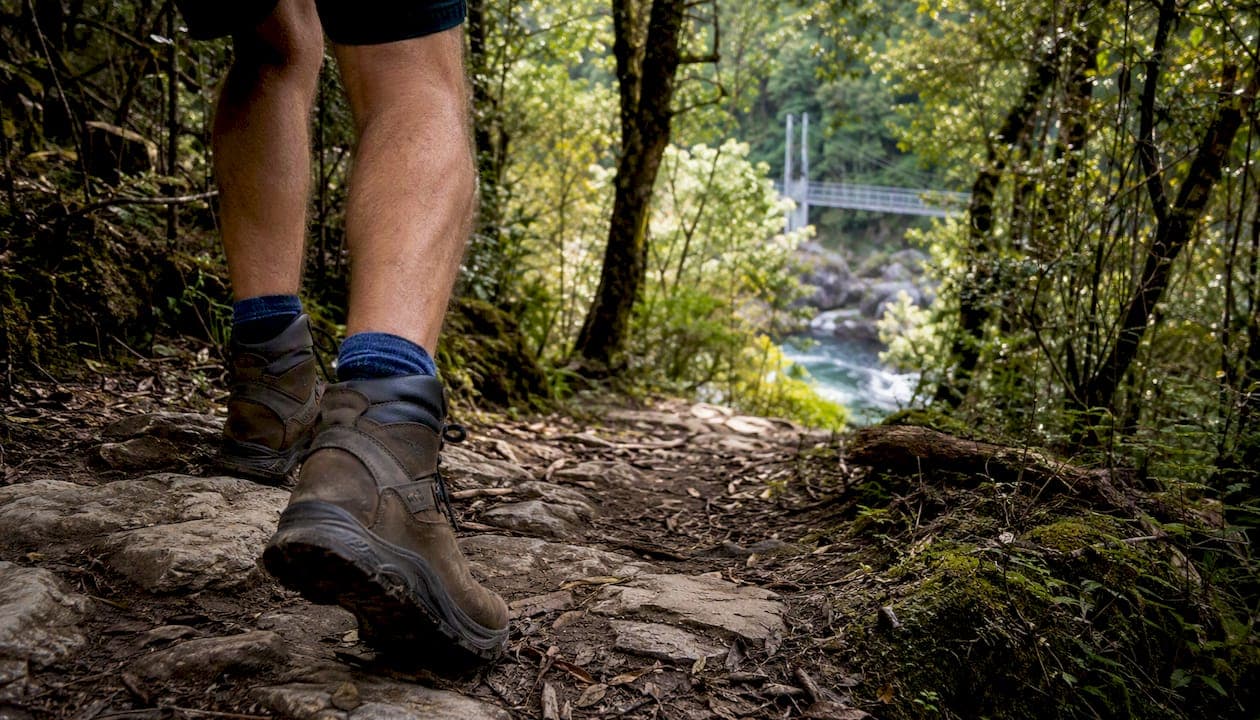
Hike Robberg Peninsula, kayak into the Storms River gorge, watch whales breach off Knysna, jump from Bloukrans Bridge, and self-drive through Addo Elephant National Park. Those five experiences alone justify the trip. Most travel planners recommend at least a week, with 10 days the sweet spot if you want to add Oudtshoorn and a safari extension without feeling rushed.
Quick base recommendations:
- Knysna — central, great for lagoon cruises, whale watching, and the Heads; ideal hub for 2–3 nights
- Plettenberg Bay — best beach base, closest to Robberg and Monkeyland; 2 nights minimum
- Wilderness — quieter, forested, perfect for birdwatching and kayaking; 1–2 nights
- Oudtshoorn/Addo — inland detour for Cango Caves, ostrich farms, and elephant safari; 2 nights
Pro Tip: Book the Otter Trail and Bloukrans bungy well before you travel. Both sell out weeks, sometimes months, in advance, especially over South African school holidays.
Key Takeaways
The Garden Route delivers its best value when you allow 7–10 days, base yourself in two towns, and book high-demand activities before you leave home.
| Point | Details |
|---|---|
| Trip length | Allow at least 7 days; 10 days is preferable to include Addo and Oudtshoorn without rushing. |
| Book early | Otter Trail, Bloukrans bungy, and guided marine safaris sell out; secure these before booking flights. |
| Best base towns | Knysna and Plettenberg Bay cover the most ground; add Wilderness for forest and lagoon experiences. |
| Whale season | June through November, peak in August–September; plan marine activities around this window. |
| Im-at packages | Im-at offers 3-day, 4-day, and 5-day Garden Route packages including private tours and Addo safari extensions. |
Table of Contents
- Where does the Garden Route actually run?
- What are the best Garden Route activities by theme?
- Where should you base yourself along the route?
- Three ready-made Garden Route itineraries
- What do you need to know before you go?
- Local nature highlights worth knowing
- What first-time visitors consistently get wrong about pacing
- Plan your Garden Route trip through Im-at
- Useful official links and recommended reading
- Sources
Where does the Garden Route actually run?
The Garden Route stretches along South Africa's southern coast, from Mossel Bay in the west to Storms River in the east, though most travelers extend the loop to Port Elizabeth (Gqeberha) and Addo Elephant National Park. The N2 highway is your spine the whole way.
Main stops, west to east:
- Mossel Bay — the western gateway; whale watching, historic Diaz Museum, and a gentler introduction to the coast
- George — the region's largest town; airport hub, gateway to Wilderness, and home to The Links at Fancourt golf course
- Wilderness — small, lush, and threaded with rivers and lagoons; popular with birdwatchers and paddlers
- Sedgefield — low-key surf town with a Saturday slow market worth stopping for
- Knysna — the Garden Route's most iconic town; the Heads, the lagoon, and the oysters
- Plettenberg Bay — the beach capital; Robberg Peninsula, marine safaris, and the animal sanctuaries cluster nearby
- Storms River / Tsitsikamma — the dramatic eastern end; suspension bridges, gorge kayaking, and the start of the Otter Trail
- Oudtshoorn — inland over the Outeniqua Pass; Cango Caves and ostrich country
- Addo Elephant National Park — technically outside the Garden Route boundary but the most common and rewarding extension
The loop approach works better than a strict linear drive. Starting in Cape Town, driving east to Addo, then looping back via Oudtshoorn and the Outeniqua Pass cuts backtracking and adds variety to the scenery.
What are the best Garden Route activities by theme?
The Garden Route's signature experiences span everything from cliff-edge hikes to underground cave crawls. Here is how they break down by interest.
Nature and hiking
Robberg Nature Reserve near Plettenberg Bay is a World Heritage Site with three circular trails ranging from 2.1 km to 9.2 km. The short loop suits families; the full 9.2 km circuit is a proper half-day hike with cliff-edge views and a seal colony below. Strong coastal winds and exposed cliff edges mean proper footwear is non-negotiable. Best for: nature lovers, couples. Duration: 1–4 hours.
Tsitsikamma National Park packs suspension bridges over crashing surf, a gorge kayaking run up the Storms River, and the start of the legendary Otter Trail into one compact area. The Garden Route National Park's Tsitsikamma section lists these as its headline activities, and they earn that billing. Best for: adventure seekers, couples. Duration: half day to multi-day.
Goukamma Nature Reserve sits between Wilderness and Knysna and covers approximately 2,500 hectares of coastal forest and estuary, supporting more than 220 bird species including the rare African black oystercatcher. It gets a fraction of Robberg's foot traffic, which is exactly why serious birders love it. Best for: nature lovers, birdwatchers. Duration: 2–4 hours.
Marine and wildlife
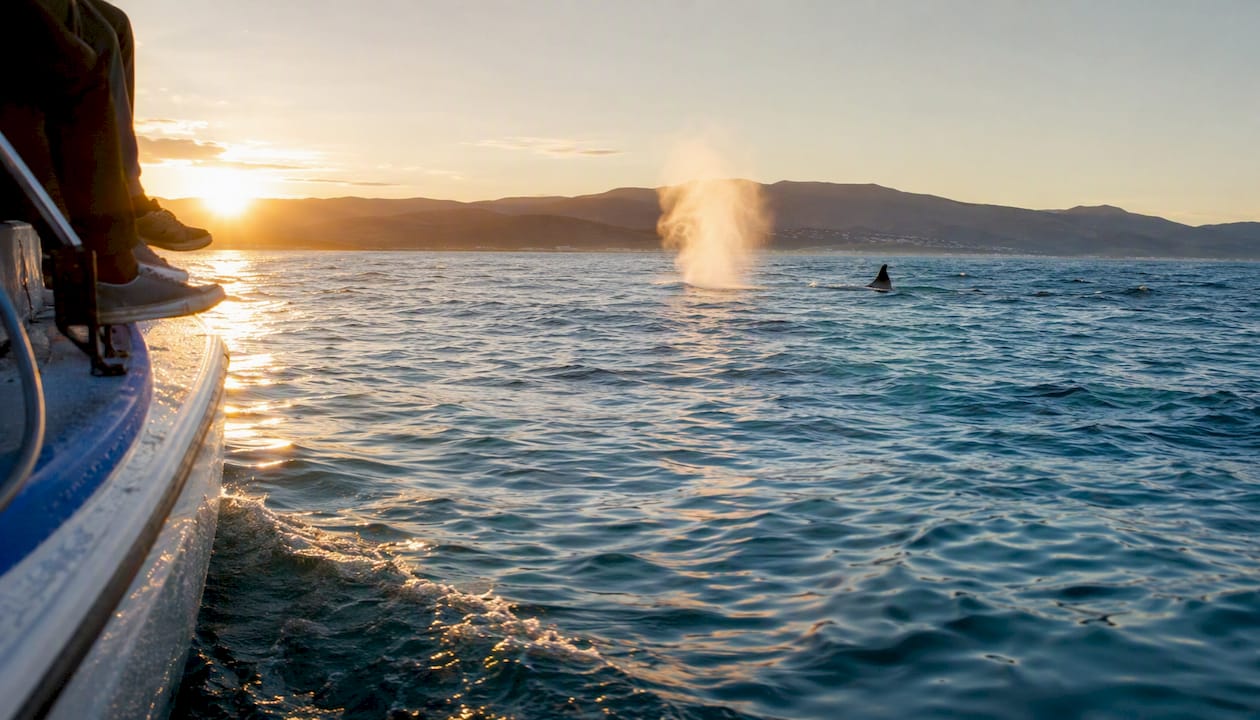
Whale and dolphin watching in Knysna and Plettenberg Bay is the Garden Route's most celebrated seasonal draw. Southern right whales move into these waters from June through November, with peak sightings in August and September. Bottlenose and humpback dolphins are present year-round. Boat-based marine safaris out of Plettenberg Bay often spot both species on the same trip. Best for: families, couples. Duration: 2–3 hours.
Addo Elephant National Park is a self-drive safari you can do in a standard sedan, no 4x4 required. The park holds one of Africa's densest elephant populations, plus lion, buffalo, rhino, and black rhino. Most visitors see elephants within the first hour. Best for: families, couples, safari first-timers. Duration: full day or overnight.
Stony Point Penguin Colony at Betty's Bay sits just west of the Garden Route proper but is a natural add-on for travelers starting from Cape Town. African penguins nest here year-round, and the boardwalk puts you within a few meters of them. Best for: families. Duration: 1–2 hours.
Water activities
Storms River gorge kayaking paddles you between towering canyon walls to the base of a waterfall. It is one of the most visually dramatic short paddles in South Africa. Best for: adventure seekers, couples. Duration: 2–3 hours.
Kayaking and stand-up paddleboarding on the Wilderness lagoons is the calmer alternative: flat water, forest reflections, and almost no crowds on weekday mornings. Best for: families, beginners. Duration: 1–3 hours.
Surfing at Plettenberg Bay and Sedgefield suits beginners and intermediates. The Keurbooms River mouth and Lookout Beach both offer consistent breaks. Best for: adventure seekers. Duration: half day.
Adventure
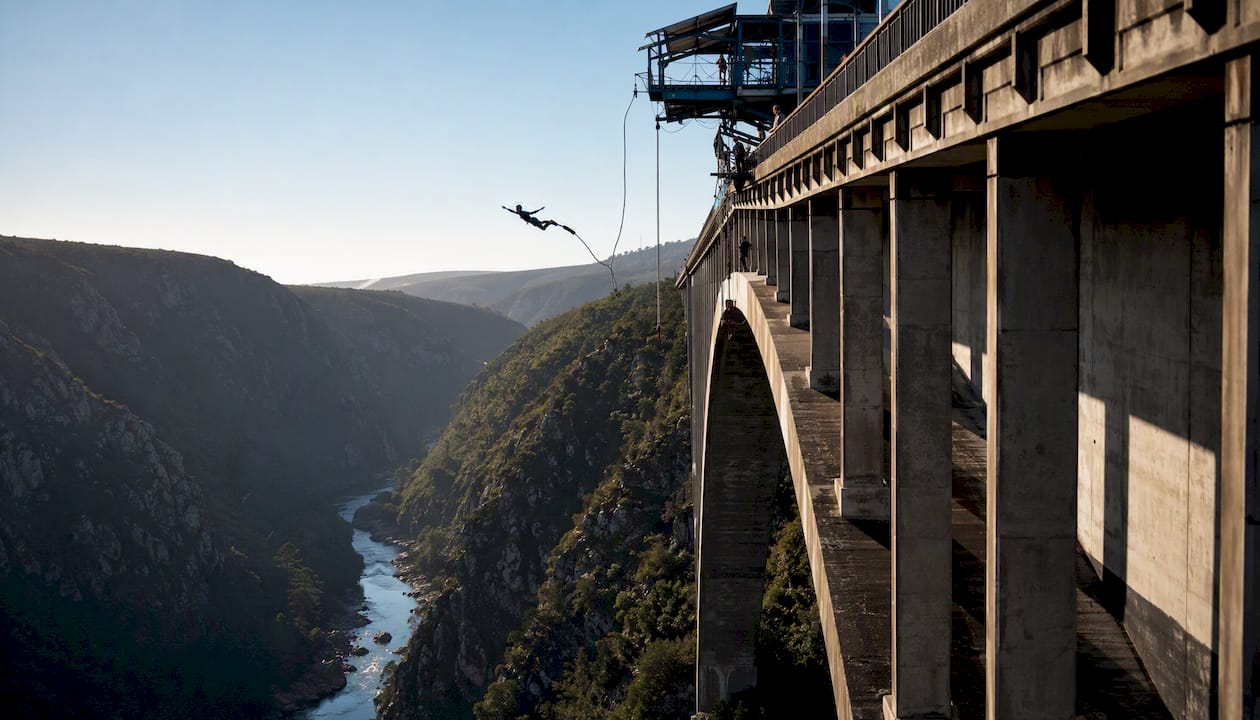
Bloukrans Bridge bungy at 216 meters is the world's highest commercial bungy jump. It sits right on the N2 between Plettenberg Bay and Storms River, so it is easy to work into any eastward drive. Book ahead; slots fill fast on weekends and during school holidays. Best for: adrenaline seekers. Duration: 2–3 hours including wait time.
Ziplining and canopy tours through the Tsitsikamma forest are a gentler adrenaline option that still gets you up into the tree canopy. Best for: families, couples. Duration: 2–3 hours.
Paragliding over Wilderness offers a bird's-eye view of the lagoon system and coastline. Tandem flights are available for beginners. Best for: adventure seekers. Duration: 30–60 minutes.
Family and animal sanctuaries
Birds of Eden near Plettenberg Bay is the world's largest free-flight bird aviary, a single-dome structure covering several hectares of indigenous forest. You walk a suspended boardwalk through it. Best for: families, nature lovers. Duration: 2–3 hours.
Monkeyland next door is a free-roaming primate sanctuary where guides lead you through forest trails while lemurs and spider monkeys move overhead. Combined tickets with Birds of Eden are available and worth it. Best for: families. Duration: 2–3 hours.
Tenikwa Wildlife Awareness Centre focuses on rehabilitation of indigenous predators including cheetah, serval, and caracal. Cheetah walks are the headline experience. Best for: families, wildlife lovers. Duration: 2–3 hours.
Caves and culture
Cango Caves near Oudtshoorn is one of the world's great cave systems, with chambers large enough to hold a concert. The standard tour covers the main chambers; the adventure tour adds tight crawl-throughs that are genuinely challenging. Best for: families, adventure seekers. Duration: 1–2 hours.
Oudtshoorn ostrich farms offer a genuinely odd and entertaining experience: you can ride an ostrich, hold a chick, and eat a three-course ostrich-based meal. Best for: families. Duration: 2–3 hours.
Knysna Heads and lagoon cruise — the twin sandstone cliffs at the mouth of the Knysna lagoon are the region's most photographed landmark. A short boat cruise through the Heads and across the lagoon is one of the easiest and most rewarding two hours on the whole route. Best for: families, couples. Duration: 1.5–2 hours.
Golf and food
The Links at Fancourt in George is regularly ranked among Africa's top golf courses. It is a full resort with multiple courses, so a dedicated golf stay makes sense rather than a quick round. Best for: golfers, couples. Duration: 1–2 days.
Knysna oysters are farmed in the lagoon and served at restaurants along the waterfront. The Knysna Oyster Festival runs every July and draws serious food travelers. Plettenberg Bay's beachfront restaurants are the place for fresh fish; Wilderness has a handful of excellent farm-to-table spots along the lagoon road.
Activity comparison at a glance:
Where should you base yourself along the route?
Knysna — 2 to 3 nights
The lagoon, the Heads, and the oysters make Knysna the Garden Route's most complete town. Top draws: Knysna Heads viewpoint, lagoon cruises, whale watching (June–November), and the Knysna Elephant Park. Accommodation ranges from backpacker hostels on the waterfront to luxury lodges on the lagoon's edge. Drive time to Plettenberg Bay: about 35 minutes.
Plettenberg Bay — 2 nights
Plett is the beach and wildlife hub. Robberg Peninsula, Monkeyland, Birds of Eden, Tenikwa, and Bloukrans Bridge are all within 30 minutes. The beachfront has good mid-range and upscale hotels; the hinterland has guesthouses and self-catering cottages. Dining highlight: fresh seafood at the Lookout Deck above the beach.
Wilderness — 1 to 2 nights
Smaller and quieter than Knysna, Wilderness suits travelers who want forest walks, lagoon paddling, and birdwatching without the crowds. The Garden Route National Park's Wilderness section borders the town. Guesthouses and self-catering units dominate; a few boutique hotels sit right on the lagoon. Drive time to Knysna: about 25 minutes.
Mossel Bay — 1 night
A practical first or last stop. The Diaz Museum complex, whale watching from the cliff paths, and a good harbor restaurant scene make it worth an overnight rather than a drive-through. Mostly mid-range hotels and B&Bs.
George — 1 night (golfers: 2–3 nights)
George is mainly a logistics hub: it has the closest airport to the Garden Route and is the gateway to Fancourt. Non-golfers rarely need more than one night. Golfers should plan around The Links at Fancourt and its resort accommodation.
Sedgefield — 1 night
The Saturday Slow Market is the reason to stop. Artisan food, local crafts, and a relaxed vibe. Mostly self-catering and guesthouse accommodation. Good surf at Myoli Beach.
Oudtshoorn — 1 to 2 nights
The inland detour over the Outeniqua Pass rewards you with Cango Caves, ostrich farms, and a completely different semi-arid landscape. Guesthouses and farm stays are the norm; a few boutique options exist in town.
Addo Elephant National Park — 1 to 2 nights
Stay inside the park at the main Addo Rest Camp (SANParks chalets and camping) or at a private lodge just outside the gate. An overnight stay means an early-morning game drive before day visitors arrive, which is when elephant sightings are most reliable.
Three ready-made Garden Route itineraries
3-day weekend: compressed highlights
Day 1 — Plettenberg Bay base Morning: drive from Cape Town (4.5 hours) or fly into George and drive east. Afternoon: Robberg Peninsula short loop (2.1 km, about 1 hour). Sunset: beachfront dinner in Plett.
Day 2 — Tsitsikamma and Bloukrans Morning: Storms River Mouth suspension bridges and gorge kayaking (half day). Midday: Bloukrans bungy if booked in advance. Afternoon: drive back to Plett or overnight at Storms River.
Day 3 — Knysna and drive home Morning: Knysna lagoon cruise and Heads viewpoint (2 hours). Late morning: oyster lunch on the waterfront. Afternoon: drive west.
7-day classic loop
Day 1 — Cape Town to Mossel Bay (4 hours). Whale watching from the cliff path, Diaz Museum, overnight Mossel Bay.
Day 2 — Mossel Bay to Wilderness via George (1.5 hours). Lagoon kayaking, forest walk in the Garden Route National Park's Wilderness section, overnight Wilderness.
Day 3 — Wilderness to Knysna (25 minutes). Knysna Heads, lagoon cruise, Goukamma birdwatching detour, overnight Knysna.
Day 4 — Knysna to Plettenberg Bay (35 minutes). Monkeyland and Birds of Eden (half day), Robberg Peninsula hike (afternoon), overnight Plett.
Day 5 — Plettenberg Bay to Storms River (1 hour). Tsitsikamma suspension bridges, gorge kayaking, Bloukrans bungy, overnight Storms River.
Day 6 — Storms River to Addo (2.5 hours). Afternoon self-drive game drive in Addo Elephant National Park, overnight Addo Rest Camp.
Day 7 — Addo to Port Elizabeth (Gqeberha) for flights, or drive back west via Oudtshoorn (Cango Caves, 2.5 hours from Addo) and overnight in George.
10 to 14 day extended trip
Days 1–7 follow the classic loop above. The extra days open up:
Days 8–9 — Oudtshoorn deep dive. Cango Caves adventure tour, two ostrich farm visits, a drive through the Swartberg Pass (one of South Africa's great mountain roads). Stay in a farm guesthouse.
Days 10–11 — Otter Trail (if pre-booked). South Africa's most celebrated coastal trail runs 42.5 km over five days between Storms River Mouth and Nature's Valley. SANParks manages bookings and they open a year in advance; plan accordingly. If the Otter Trail is not booked, use these days for a second Addo game drive or a private game lodge stay.
Days 12–14 — Slow days and beach time. Return to Plettenberg Bay or Wilderness for rest, surfing, or a stand-up paddleboard session on the lagoon. The Garden Route rewards travelers who leave a day or two unscheduled.
What do you need to know before you go?
When to visit
The Garden Route has a temperate climate year-round, but the seasons matter for specific activities. June through November is whale season, when southern right whales move into the bays and estuaries. August and September are peak sighting months. Summer (December through February) is the busiest period: school holidays, higher prices, and crowded beaches. Spring (September through November) and autumn (March through May) offer the best balance of good weather, manageable crowds, and lower rates.
Hiking conditions are best in spring and autumn. Summer brings afternoon thunderstorms in the mountains; winter is mild on the coast but can be wet and windy, especially in Tsitsikamma.
Driving tips
The N2 is well-maintained and straightforward. Distances feel short on a map but add up quickly once you factor in stops. A realistic daily driving target is 150–200 km with activities. Fill up in every major town; fuel stations thin out between Storms River and Addo. Toll plazas operate on the N2; keep cash or a card handy. Drive on the left. Watch for baboons near Knysna and Plettenberg Bay — they are bold and will approach vehicles.
Safety and health
The Garden Route is one of South Africa's safer tourist regions, but standard precautions apply: do not leave valuables visible in a parked car, use hotel safes, and be aware of your surroundings in town centers after dark. Ocean swimming carries rip current risk at some beaches; swim between the flags where lifeguards are present. Tick-borne illness is a real risk in forested and grassland areas — check yourself after hikes and use repellent. Sun protection is non-negotiable; the UV index is high year-round.
Booking guidance and costs
- Otter Trail: book through SANParks up to 11 months in advance; this trail sells out completely
- Bloukrans bungy: book directly with Face Adrenalin; 1–2 weeks ahead minimum for weekends
- Guided marine safaris: book 2–3 days ahead in peak season (December–January, whale season)
- Addo Elephant National Park: book gate entry or accommodation through SANParks online
- Cango Caves: walk-in is usually possible, but the adventure tour has limited group sizes
Park entry fees, accommodation, and activity costs are denominated in South African rand (ZAR).
Pro Tip: Download the SANParks app before you leave home. It shows real-time park availability, lets you book accommodation, and holds your permit confirmation offline — useful when you are in areas with patchy cell signal.
Local nature highlights worth knowing
Goukamma Nature Reserve is one of the Garden Route's most underrated stops. At approximately 2,500 hectares of coastal forest, fynbos, and estuary, it supports more than 220 recorded bird species, including the African black oystercatcher, a species that nests on rocky shores and is sensitive to human disturbance.
220+ bird species have been recorded at Goukamma Nature Reserve, including the rare African black oystercatcher.
Robberg Peninsula's trail network is more varied than most visitors realize. Three circular routes range from 2.1 km to 9.2 km, making it accessible to nearly every fitness level. The 9.2 km full circuit crosses exposed ridgelines with significant drop-offs; strong coastal winds can arrive without warning, and the trail requires solid footwear even in dry conditions. The Cape fur seal colony at the tip of the peninsula is visible from the cliff path and audible well before you see it.
Marine sightings along the Garden Route follow a clear seasonal pattern. Southern right whales are present from June through November, with the highest concentration in August and September. Bottlenose dolphins are resident year-round. Humpback whales pass through on their northward migration in June and July. Great white sharks are present in these waters; reputable marine safari operators follow strict approach protocols.
| Protected area | Size | Key species | Trail / access notes |
|---|---|---|---|
| Robberg Nature Reserve | Marine reserve + peninsula | Cape fur seals, African penguins, seabirds | 3 circular trails: 2.1 km, 9.2 km |
| Goukamma Nature Reserve | ~2,500 hectares | 220+ bird species, African black oystercatcher | Hiking, kayaking, 4x4 beach access |
| Garden Route National Park | Multiple sections | Knysna elephants, Cape clawless otter, birds | Wilderness, Knysna, Tsitsikamma sections |
| Addo Elephant National Park | approximately 30,000 hectares | Elephant, lion, rhino, buffalo, black rhino | Self-drive; standard sedan suitable |
For permits and current trail status, check SANParks for Garden Route National Park and Addo, and CapeNature for Robberg and Goukamma. Both sites list current fees, booking windows, and any seasonal closures.
Pro Tip: At Robberg, stay at least 5 meters from the cliff edge and keep noise low near the seal colony. Breeding season runs October through December; rangers may restrict access to certain sections during this period.
What first-time visitors consistently get wrong about pacing
Most people underestimate how much the Garden Route rewards slowing down. The instinct is to tick every stop, which turns a genuinely beautiful coastal drive into a blur of parking lots and entrance gates. First-time visitors are better served by picking two or three anchor experiences per day and leaving the rest of the afternoon unscheduled.
The Otter Trail is the clearest example of this principle. It is five days of coastal hiking between Storms River Mouth and Nature's Valley, and it is the kind of experience that changes how you think about the whole region. The problem is that most travelers only hear about it after they have already booked a week-long trip with no slack. Book it first, then build the rest of the itinerary around it.
For repeat visitors, the inland detour to Oudtshoorn and the Swartberg Pass is the move. Most people skip it on their first trip because it feels like a deviation. It is not. The Cango Caves and the Swartberg Pass together are as impressive as anything on the coast, and the semi-arid Karoo landscape is a complete tonal shift from the forest and ocean that dominates the rest of the route.
The marine experiences are also more seasonal than the brochures suggest. Whale watching in July is genuinely spectacular; whale watching in February is mostly dolphin watching. If whales are a priority, plan around June through November and book a reputable boat-based safari rather than relying on shore sightings alone.
Plan your Garden Route trip through Im-at
Putting together a Garden Route itinerary that actually works — right balance of driving, activities, and rest days — takes more planning than most people expect. Im-at's Garden Route packages cut that work down significantly. The 3-day private tour from Cape Town covers the coastal highlights in a guided format, ideal if you want someone else handling the logistics. The 5-day Garden Route and Addo adventure package pairs the coastal route with an Addo safari extension and accommodation, which is the combination most 7-day travelers wish they had booked from the start. For golfers, the 4-day Golf Hyatt Resort package bundles Fancourt access with luxury accommodation.
Browse the full range of Garden Route tours and book directly at Im-at. Listings include private tours, multi-day packages, and day trips, with clear pricing and straightforward booking. If you want to add a cultural experience to your trip, the Lesedi Cultural Village day tour pairs well with any itinerary that starts or ends in Johannesburg.
Useful official links and recommended reading
The sources below are the most reliable starting points for permits, current trail status, and booking:
- SANParks — Garden Route National Park activities: official trail listings, park entry fees, Otter Trail booking, and accommodation at Addo and Tsitsikamma
- CapeNature — Robberg Nature Reserve: trail maps, permit fees, seasonal access restrictions, and current conditions
- CapeNature — Goukamma Nature Reserve: entry fees, birding checklists, and activity options
- Garden Route road trip stops overview: practical loop-drive framing and stop-by-stop guidance
- Garden Route signature experiences roundup: curated list of must-do activities with seasonal context
- Im-at Garden Route tours and packages: booking portal for private tours, multi-day packages, and day trips across the Garden Route
For Otter Trail permits, book directly through the SANParks online reservation system. For Robberg and Goukamma, permits are managed by CapeNature and can be booked on their website or paid at the reserve gate (subject to availability).
Sources
- Reserves | Goukamma Nature Reserve
- Reserves | Robberg Nature Reserve
- Garden Route | What to do | SANParks
- Garden Route South Africa 2026: Top 10 Stops for an Epic Road Trip
- 16 Must-Do Experiences on South Africa's Garden Route