
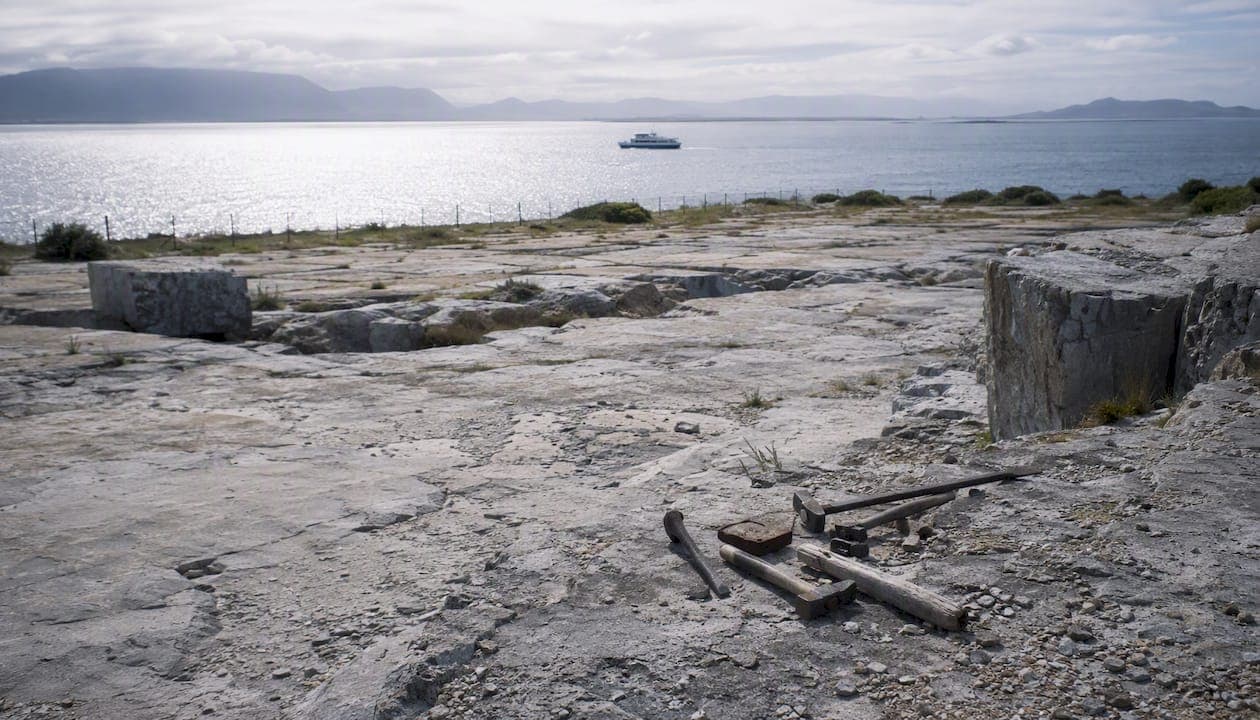
A guided Robben Island tour runs about 3 to 3.5 hours door to door, combining a ferry crossing from Cape Town with a bus tour of the island led by museum-trained staff. The prison segment is often narrated by a former political prisoner, giving the visit a weight no audio guide could match. Expect four stages: the multimedia exhibition at the Nelson Mandela Gateway, the ferry crossing, the island bus route past key historical sites including the lime quarry and Robert Sobukwe's house, and the walk through Section A of the Maximum Security Prison, ending at Nelson Mandela's cell.
- Gateway exhibition and check-in
- Ferry crossing (roughly 30 to 45 minutes each way)
- Bus tour of the island's landmark sites
- Prison walk-through with a guide, ending at Mandela's cell
Book ahead. Tours sell out during South African school holidays and peak summer months, and the official Robben Island Museum booking channel remains the only place to lock in a confirmed departure time.
Key Takeaways
A guided Robben Island tour works because former political prisoners turn a historical site visit into firsthand testimony that no standard museum tour can replicate.
| Point | Details |
|---|---|
| Tour length | Budget 3 to 3.5 hours total, including the ferry round trip and island bus route. |
| Departure point | All tours leave from the Nelson Mandela Gateway at the V&A Waterfront. |
| Book early | Reserve through the official museum site, especially during December and January peak season. |
| Pack for outdoors | Bring walking shoes, sun protection, and a light jacket for shifting weather on the island. |
| Compare and book easily | Im-at lists multiple Robben Island packages so you can pair the tour with other Cape Town plans in one booking. |
Table of Contents
- Who Are the Robben Island Tour Guides?
- When Do Robben Island Tours Run, and How Do You Book?
- What Happens on the Island, Step by Step?
- What Should You Bring and Wear?
- Can You Arrange Accessibility Support in Advance?
- How Do You Get the Most Out of Your Guide?
- Why This Tour Is Worth Prioritizing on Any Cape Town Trip
- Book Your Robben Island Visit Through Im-at
- Where to Verify Tour Details and Book Officially
- Robben Island Tour FAQs
- Sources
Who Are the Robben Island Tour Guides?
Two kinds of guides shape the experience, and knowing the difference changes what you should expect from each stage. Museum-trained staff handle the Gateway orientation, the ferry commentary, and much of the bus route around the island. But the prison building itself, the part most visitors came for, is frequently handed to a former political prisoner who spent real years behind those bars.
That handoff is not a gimmick. It is a deliberate interpretive choice by the museum, because firsthand testimony carries a kind of authority no script can replicate. A guide who slept in a cell three doors down from Mandela describes the isolation, the food, the labor in the lime quarry, and the small acts of resistance in a way that turns a walking tour into an oral history. According to South African History Online, this ex-prisoner narration has been part of the museum's visitor program since the prison was formally converted into a heritage site.
The prison tour segment is the heartbeat of the experience. It shifts the visit from sightseeing into a solemn, educational act, and it is the single reason most people remember Robben Island years later.
A few things to keep in mind about that segment:
- Guides often share personal memories, not just historical facts, so the tone can shift quickly from informative to emotional.
- Questions are welcome, but timing matters. Save personal questions for a pause rather than interrupting testimony.
- Group sizes vary by ferry load, and larger groups may mean less one-on-one time with the guide.
Pro Tip: If a guide mentions they were imprisoned on the island, listen for the specific section or block they reference. Asking about their exact experience there, rather than a generic "what was it like," tends to open up richer, more specific stories.
When Do Robben Island Tours Run, and How Do You Book?
Ferries depart from the Nelson Mandela Gateway at the V&A Waterfront, the same terminal building where the tour experience actually begins with its own multimedia exhibition. From there, scheduled sailings typically run at 09:00, 11:00, 13:00, and 15:00, though the exact lineup shifts with the season and sea conditions.
Total time, including the round-trip ferry and the island bus tour, comes to roughly 3 to 3.5 hours. A few practical notes worth building into your plans:
- Peak season (South African school holidays, especially December through January) fills up fastest. Book at least a week out, longer if you have a fixed travel date.
- Off-peak months (May through August) generally have more availability and shorter queues at the Gateway.
- Fares differ based on residency status and age categories. Prices vary over time, so verify current amounts directly through the official Robben Island Museum site. (https://www.robben-island.org.za/tour-types/) before you travel.
- Weather cancellations happen. Cape Town's wind and swell can shut down the ferry with little warning, so check tour status the morning of your visit rather than assuming your booking is fixed.
Booking through the museum directly is the authoritative route for confirming times and fares, though comparing options through a travel marketplace can help you see how a Robben Island visit fits around other Cape Town plans on the same trip.
What Happens on the Island, Step by Step?
The sequence rarely changes, which makes planning around it fairly easy.
- Arrival at the Gateway. You check in, watch a short multimedia exhibition setting historical context, then queue for boarding.
- The ferry crossing. Expect approximately half an hour to an hour on open water. Seasickness is common on rougher days, so grab a seat near the center of the boat if you're prone to it.
- Disembarking at Murray's Bay Harbour. Buses are waiting almost immediately, so there's little downtime between the boat and the island tour itself.
- The bus route. Stops typically include the lime quarry where prisoners performed forced labor, Robert Sobukwe's isolated house, old military and navy bunkers, and the leper colony graves, a reminder that the island's history predates the apartheid-era prison by centuries.
- The Maximum Security Prison. This is where the bus tour ends and the walking portion begins, moving through Section A and finishing at Nelson Mandela's cell.
- Return to the mainland. Ferries back to the Gateway run on a set schedule, so guides will tell you exactly when to be back at the harbor.
The whole loop, ferry included, runs close to 3.5 hours, and the pace on the bus portion moves faster than most visitors expect. Stops at the quarry and Sobukwe's house are brief, often just a few minutes, so photograph quickly and listen closely rather than trying to do both at once. Once you're back at the Gateway, the museum shop and nearby waterfront restaurants make for an easy debrief before you head into the rest of your Cape Town day.
What Should You Bring and Wear?
The tour is outdoors for most of its length, and the island offers little shelter or shade. The museum recommends comfortable walking shoes, a hat, sunglasses, sunblock, and a light jacket, since wind off the Atlantic can turn a warm morning cold fast.
- Comfortable, closed walking shoes (the prison floors and quarry paths are uneven)
- Hat, sunglasses, and sunblock, even on overcast days
- A light jacket or windbreaker for the ferry crossing
- A small water bottle, since amenities on the island are limited
- Any motion sickness medication, taken before boarding rather than after symptoms start
Seasickness is the most common complaint from visitors, particularly on windier afternoon sailings. Sitting low and central on the ferry, facing forward, tends to help. If you know you get seasick easily, some travelers choose to skip the crossing and instead visit the Gateway's own exhibition or other Cape Town city tours for context on the island's history.
Photography is generally allowed on the bus route and inside the prison, but during personal testimony from a former political prisoner, put the camera down and listen first. Small tips for guides are appreciated, though not required, and cash in rand is the practical option since there's no ATM on the island.
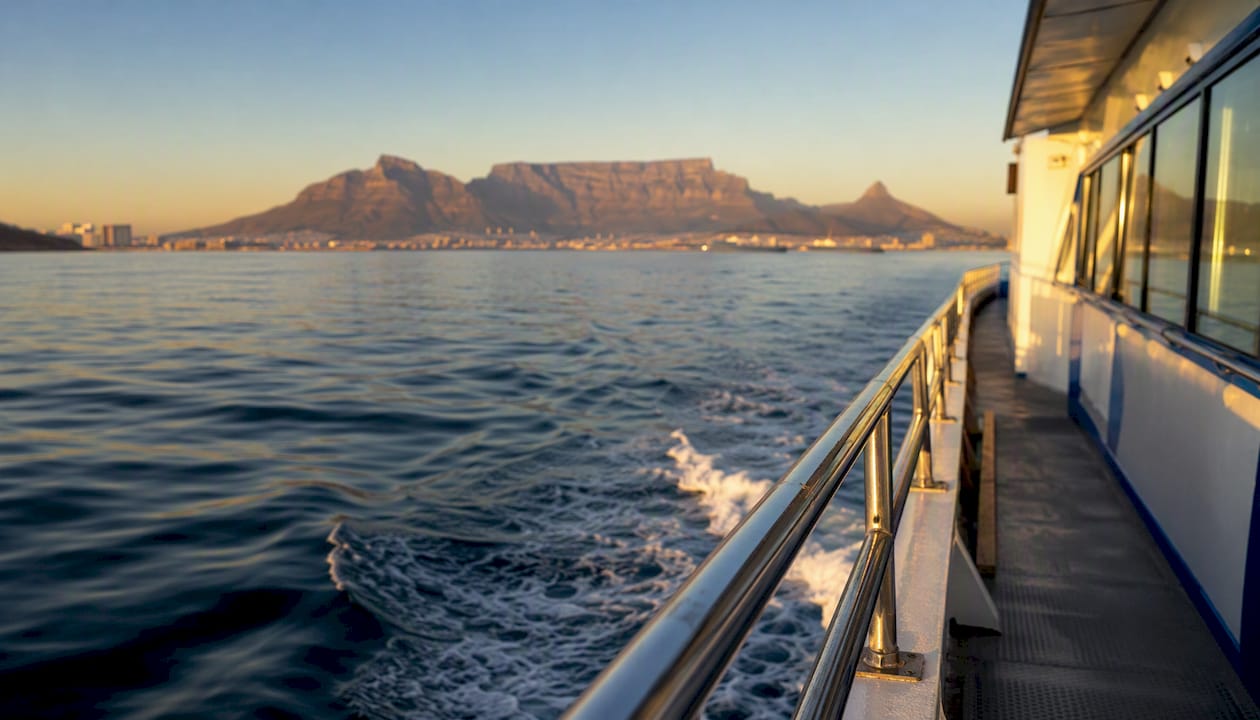
Pro Tip: Pack layers you can peel off or add quickly. The Gateway building, the ferry deck, and the open-air quarry stop can each feel like a different climate within the same hour.

Can You Arrange Accessibility Support in Advance?
The island tour runs almost entirely by bus, with short walking stretches at the prison and a few outdoor stops, so most mobility needs can be accommodated with advance notice. What can't be changed easily is the uneven ground at the quarry and around some of the older buildings.
- Contact the Robben Island Museum directly ahead of your visit to flag mobility limitations or request assistance boarding the ferry and bus.
- Deaf visitors should arrange a sign-language interpreter in advance through DeafSA Western Cape or the museum itself. This isn't something you can request on arrival.
- If you or someone in your group needs a specific accommodation, email or call the museum's visitor services team before booking rather than after, since staffing for special arrangements is limited.
How Do You Get the Most Out of Your Guide?
The people leading these tours have stories worth drawing out, and a few small habits make that easier. Ask about daily routines in Section A, the physical toll of the lime quarry, or how the site is preserved today rather than sticking to textbook questions they've answered a thousand times.
- Listen fully during personal testimony before raising your hand with questions.
- Ask permission before photographing an individual guide, especially during emotional moments.
- Save deeper or more personal questions for the pause after the formal prison narration ends.
Pro Tip: Guides often open the floor for questions right after the cell block walk-through. That's your best window for a real conversation, not the middle of their scripted narration.
Why This Tour Is Worth Prioritizing on Any Cape Town Trip
Few historical sites let a survivor of the events walk you through them personally. That's what makes Robben Island different from a plaque and a placard. Hearing someone describe their own imprisonment, standing in the actual quarry where they labored, does more to explain South Africa's path to democracy than any museum exhibit alone could.
Book Your Robben Island Visit Through Im-at
Im-at is the faster way to line up a Robben Island tour alongside everything else on your Cape Town itinerary, without juggling five different booking tabs. Instead of hunting separately for ferry times, a nearby Table Mountain cable car slot, and a township tour, you search, compare, and pay in one place.

The platform lists several Robben Island packages, including a combined heritage tour, a private Gateway and Table Mountain option, and a multi-day Cape Town experience that bundles the island into a longer trip. If you'd rather pair Robben Island with penguins and the Cape Peninsula in the same day, there's an option for that too. Browsing listings like The Unholy Secrets shows how straightforward the reservation flow is on Im-at, from search to confirmed booking.
Always double check exact fares and ferry availability against the official Robben Island Museum site before you finalize plans, since schedules shift with weather and season. Search Robben Island on Im-at now and reserve your spot alongside the rest of your Cape Town plans.
Where to Verify Tour Details and Book Officially
For current tour types, times, and fares, go directly to the Robben Island Museum's official pages. The island's UNESCO World Heritage listing offers deeper historical context on why the site carries such protected status. The museum remains the only authoritative source for fares and schedules, so treat any third-party number as a starting estimate, not a final price.
- Robben Island Museum booking and tour types
- UNESCO World Heritage Centre listing for Robben Island
- South African History Online overview of Robben Island Museum
Robben Island Tour FAQs
Do I need to book a Robben Island tour guide in advance, or can I just show up? Book in advance. Ferries have limited capacity, and tours regularly sell out during peak season, so confirming your slot through the official museum booking page is the safer route.
Is the Robben Island prison tour always led by a former political prisoner? Not guaranteed on every single departure, but the museum's standard tour model builds the prison segment around former-prisoner narration whenever staffing allows.
How long does the full Robben Island tour take, including the ferry? Plan for roughly 3 to 3.5 hours door to door, covering the Gateway exhibition, both ferry crossings, and the island bus and prison tour.
What if I get seasick on the ferry to Robben Island? Sit low and central on the boat, and consider timing your trip for calmer morning sailings. If you know rough water is a serious problem for you, the Gateway's own exhibition offers historical context without the crossing.
Are there accessibility accommodations for visitors with mobility issues or hearing loss? Yes, but they need advance notice. Contact the Robben Island Museum ahead of your visit for mobility assistance, and Deaf visitors should arrange sign-language support through DeafSA Western Cape before booking.
Sources
- Tour Types - Robben Island Museum
- Robben Island - UNESCO World Heritage Centre
- Robben Island Museum | South African History Online