
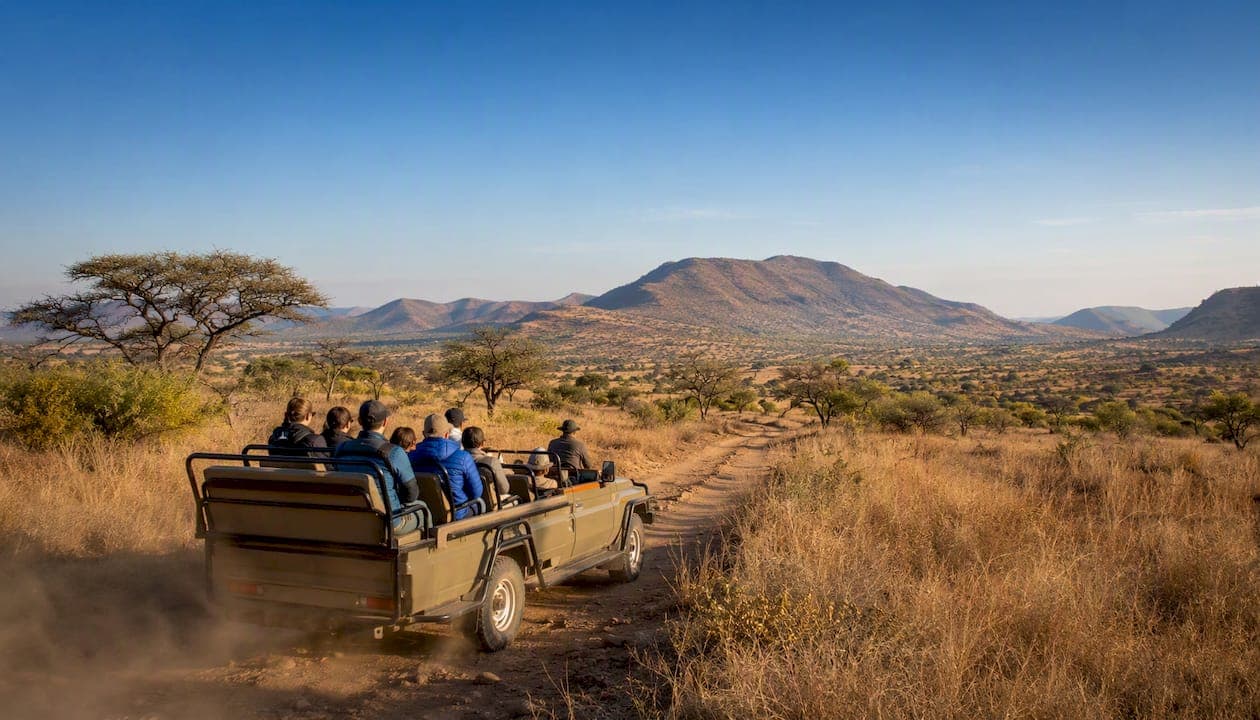
If you want the short answer: pick Pilanesberg National Park for a malaria-free Big Five overnight, Lion & Safari Park if you're taking kids or short on time, and Kruger National Park when you have four or more days and want the real deal. Most visitors based in Johannesburg do best with a Pilanesberg overnight, since it delivers Big Five sightings without the drive time or the antimalarial pills that Kruger requires.
A safari near Johannesburg doesn't have to mean an eight-hour drive or a flight. Pilanesberg sits roughly 150 to 165 km from the city, Lion & Safari Park is practically in the suburbs, and even Kruger is a manageable road trip or a 90-minute flight if you're pressed for time. The trick is matching the destination to how much time you actually have.
- Day trip, no overnight: Lion & Safari Park or Sibani Lodge near Sandton
- Short overnight, Big Five, malaria-free: Pilanesberg National Park
- Four-plus days, full immersive experience: Kruger National Park
Pro Tip: If sightings matter more than convenience, a multi-night stay at Pilanesberg is generally recommended to allow for multiple game drives and better tracking opportunities.
Ready to compare tours instead of guessing? You can browse and book vetted local safari experiences directly through Im-at.
Key Takeaways
Pilanesberg National Park offers the closest malaria-free Big Five experience to Johannesburg, and pairing it with an early departure and a two-night stay produces the strongest wildlife sightings for the least travel cost.
| Point | Details |
|---|---|
| Best day trip pick | Lion & Safari Park or Bothongo Rhino & Lion Reserve, both under an hour from the city. |
| Best overnight Big Five pick | Pilanesberg National Park, malaria-free and 90 to 100 minutes away. |
| Best for longer trips | Kruger National Park, worth the 4 to 5 hour drive for stays of 4+ days. |
| Timing tip | Leave Johannesburg before 06:00 and travel during dry season (May to September) for the best sightings. |
| Booking tip | Compare inclusions and check recent reviews before booking through Im-at. |
Table of Contents
- Best Safaris From Johannesburg: A Quick Overview
- Comparing Your Options at a Glance
- Day Trip Or Overnight: Which Should You Book?
- What a Safari Near Johannesburg Actually Costs and Requires
- How to Search and Book a Safari From Johannesburg on Im-at
- Book Your Safari Near Johannesburg Without the Guesswork
- Frequently Asked Questions
- Sources
Best Safaris From Johannesburg: A Quick Overview
Here's how the main contenders stack up before you dig into logistics.
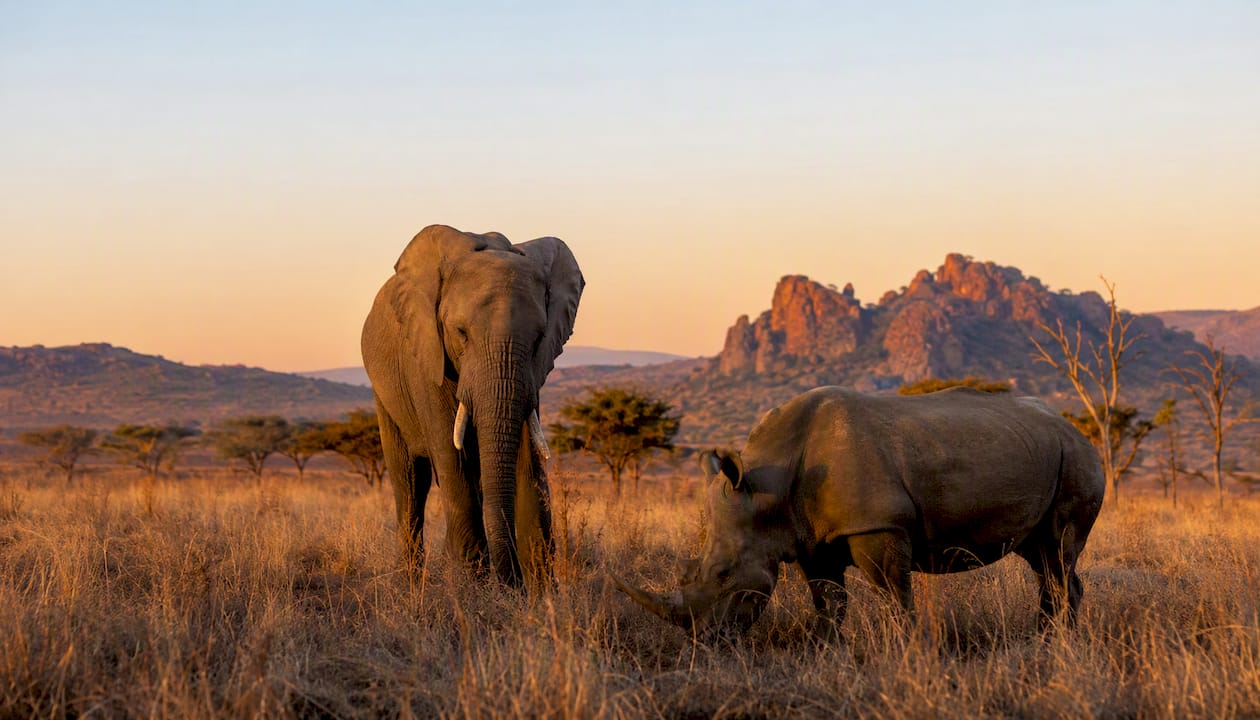
Pilanesberg National Park is the closest true Big Five reserve to Johannesburg and one of the most accessible in the country. It's malaria-free, sits inside an extinct volcanic crater (which makes for genuinely dramatic scenery), and works equally well as a single day trip or a 2 to 3 night stay. First-timers who want lions, elephants, rhino, buffalo, and leopard without medical prep should start here.
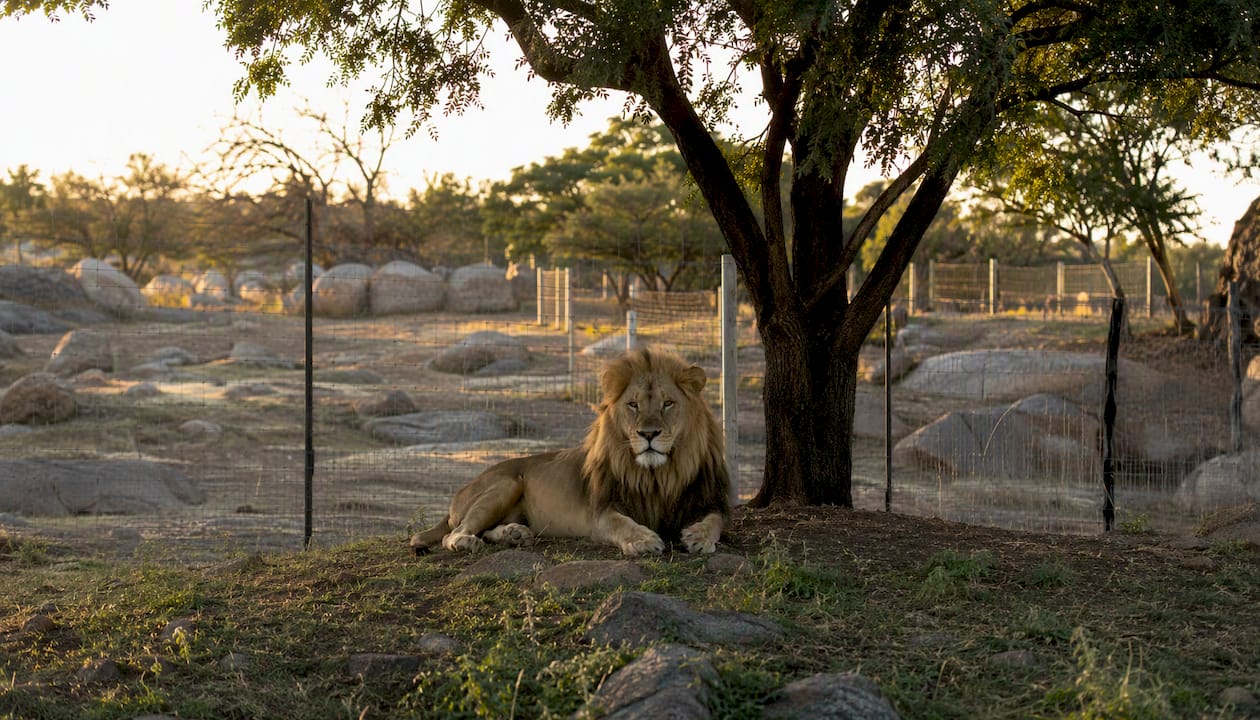
Lion & Safari Park is a different animal entirely, literally and figuratively. It's a wildlife attraction rather than a wilderness reserve, with enclosed lion and cheetah viewing, guided drives, a self-drive option, and giraffe feeding that keeps children entertained. Because it sits close to Johannesburg and the airports, it's the pick for a half-day outing or a layover activity, not a wilderness experience.
Kruger National Park is the long game. Reachable by a 4 to 5 hour drive or a short flight, it's a genuine malaria-risk area with dramatically more terrain, biodiversity, and immersion than anything closer to the city. Choose Kruger when you have four or more days and want a proper safari holiday, not a quick wildlife fix.
A few other close-in options round out the shortlist. Bothongo Rhino & Lion Nature Reserve in Gauteng runs guided open-vehicle drives and houses over 600 animals, making it another solid day-trip choice. Sibani Lodge, roughly 45 minutes from Sandton, offers an immersive drive experience for northern suburb residents who don't want to touch the highway at all.
- Pilanesberg: Big Five, malaria-free, day trip or overnight
- Lion & Safari Park: enclosed viewing, family-friendly, under an hour from the city
- Kruger: full wilderness immersion, malaria area, needs 4+ days
- Bothongo Rhino & Lion: 600+ animals, Gauteng-based day trip
- Sibani Lodge: 45 minutes from Sandton, quick immersive drive
Comparing Your Options at a Glance
The malaria column is the one people underestimate. Everything on this list except Kruger sits in a malaria-free zone, which matters if you're traveling with kids, pregnant, or simply don't want to deal with antimalarial medication for a weekend trip.
Trip length matters just as much as distance. A reserve 90 minutes away is pointless if you only have three hours before you need to be back in the city, and a park needing four days is a waste of vacation time if you only have a weekend.
- Families with young kids: Lion & Safari Park or Bothongo Rhino & Lion Reserve
- First-time safari-goers: Pilanesberg, 2 nights minimum
- Luxury travelers: Kruger private concessions or a luxury safari lodging and guest experience multi-night Pilanesberg and Madikwe package
- Weekend warriors with no time to spare: Sibani Lodge or Lion & Safari Park
Day Trip Or Overnight: Which Should You Book?
A day trip works when your destination is under two hours away and you're comfortable with one game drive instead of two. An overnight is worth the extra cost whenever you're heading to Pilanesberg for Big Five sightings, because a single afternoon drive rarely produces the same results as a dawn drive followed by a dusk drive the next day.
The dry season, roughly May through September, gives you the best odds regardless of trip length. Thinner vegetation and dwindling waterholes push animals into the open and concentrate them near remaining water sources, so guides spend less time searching and more time watching.
Timing inside the day matters too. Animals are most active in the cool hours around sunrise and sunset; the middle of the day is largely nap time for predators and grazers alike. A realistic day-trip schedule to Pilanesberg looks something like this:
- 05:30: Depart Johannesburg to beat outbound traffic
- 07:00: Arrive at the gate, meet your guide or vehicle
- 07:15 to 10:30: Morning game drive
- 10:30 to 12:00: Breakfast or brunch stop inside the reserve
- 12:00 to 15:00: Optional second drive or rest at a day lodge
- 15:00: Depart for Johannesburg, arriving before evening traffic peaks
Pro Tip: A same-day round trip to Pilanesberg is genuinely doable, but only if you're on the road by 06:00. Leave any later and you're fighting both morning traffic on the way out and afternoon congestion on the way back, cutting your actual drive time in half.
What a Safari Near Johannesburg Actually Costs and Requires
Getting there is simpler than most first-timers expect. Pilanesberg is reached via the N14 and then the R565, both paved roads that a standard sedan handles fine. You don't need a 4x4 for the approach, only for certain internal reserve tracks if you're self-driving off the main loops. Many visitors combine the trip with a stop at Sun City, which sits right next door.
Costs vary by how much is arranged for you. A guided day tour typically bundles the conservation fee, transfers, and a guide into one price. Self-driving cuts out the transfer and guide cost but still requires paying the park's entry and conservation fees at the gate.
| Cost Component | Guided Day Tour | Self-Drive Day Trip |
|---|---|---|
| Conservation/entry fee | Included in package | Paid on arrival |
| Transfers from Johannesburg | Included | Not applicable |
| Guide fee | Included | Not applicable |
| Meals | Sometimes included, confirm before booking | Bring your own or buy on-site |
| Overnight accommodation | Extra cost if staying multiple nights | Extra cost if staying multiple nights |
Pack light but smart: layered clothing for cold mornings and warm afternoons, a decent pair of binoculars, a camera with zoom, sunscreen, and your ID or passport for gate check-in. Because Pilanesberg and most of the reserves on this list are malaria-free, you can generally skip antimalarial tablets, though it's worth confirming current guidance if you're also planning a Kruger leg of your trip.
Standard tours usually cover the essentials listed above. What often costs extra: alcoholic drinks, hot-air balloon add-ons, professional photography guides, and premium lodge upgrades.
How to Search and Book a Safari From Johannesburg on Im-at
Booking shouldn't take longer than the drive itself. Here's the fastest route to a confirmed safari through Im-at.
- Search by departure city and trip length. Filter for Johannesburg departures and set your preferred trip length, whether that's a half-day outing or a multi-night package like the Pilanesberg and Madikwe safari.
- Compare inclusions side by side. Check whether transfers, meals, and the conservation fee are bundled, and confirm the meeting point before you commit.
- Confirm the cancellation policy and book. Read the fine print on rescheduling, then complete your booking directly through the platform.
Pro Tip: Before locking in any operator, scan their most recent guest reviews for two things: whether sightings were actually good in the past few weeks, and whether the guide showed up on time. A tour that was excellent six months ago can slip if the operator changes staff.
A Local Trip-Planner's Take On Short Safaris From Johannesburg
Short safaris from Johannesburg are safer and more straightforward than most first-timers assume. Distance intimidates people more than it should, and Pilanesberg's tarred approach roads mean you're never actually in remote territory.
My honest advice after looking at how these trips actually play out: leave before 06:00, always. It sounds excessive until you've sat in traffic on the N14 watching your morning game drive window shrink by the minute. Booking the earliest available slot and clearing the city before rush hour is the single habit that separates a great sighting day from a mediocre one.
Im-at lists verified local operators for Pilanesberg, Lion & Safari Park, and beyond, which makes comparing real inclusions and departure times far easier than cold-calling lodges one by one.
Book Your Safari Near Johannesburg Without the Guesswork
Im-at is the direct way to search, compare, and book safaris from Johannesburg without juggling five different operator websites and phone calls. Instead of hunting through scattered listings, you filter by departure city, trip length, and traveler type on one platform and see exactly what's included before you pay.
Every listing on Im-at shows clear inclusions and payment happens securely through the platform itself, so there's no back-and-forth over deposits or unclear cancellation terms. Before booking, take a minute to check recent guest reviews on the listing. It's a small step that catches issues like schedule changes or inconsistent sightings before they become your problem. If you're weighing a short local outing against something longer, you can also browse a multi-day wildlife adventure across South Africa, Botswana, and Zimbabwe for comparison. When you're ready, head to Im-at's safari listings and lock in your departure date.
Frequently Asked Questions
What is the closest safari to Johannesburg? Lion & Safari Park and Sibani Lodge are the closest, both under an hour's drive. For a full Big Five wilderness experience, Pilanesberg National Park at roughly 90 to 100 minutes is the nearest genuine option.
Is Pilanesberg malaria-free? Yes, Pilanesberg is malaria-free, which makes it a strong choice for families, pregnant travelers, and anyone avoiding antimalarial medication.
Can I do a Johannesburg safari day trip and see the Big Five? Yes, Pilanesberg can be done as a single day trip with an early departure, though an overnight stay gives you two game drives instead of one and typically better sightings.
How far is Kruger National Park from Johannesburg? Kruger is roughly a 4 to 5 hour drive, or about a 90-minute flight, making it reachable but better suited to trips of four days or longer.
What's the best time of year for a safari near Johannesburg? May through September, the dry season, gives the most reliable sightings because thinner vegetation and shrinking water sources concentrate animals in visible areas.
Sources
- How to Plan a Pilanesberg Safari. Day Trips, Lodges, and Logistics
- Pilanesberg National Park: malaria-free Big Five safari guide
- Lion & Safari Park
- Bothongo Rhino & Lion Nature Reserve | Adventure Awaits in Gauteng
- Immersive Safari Drive - Sibani Lodge