
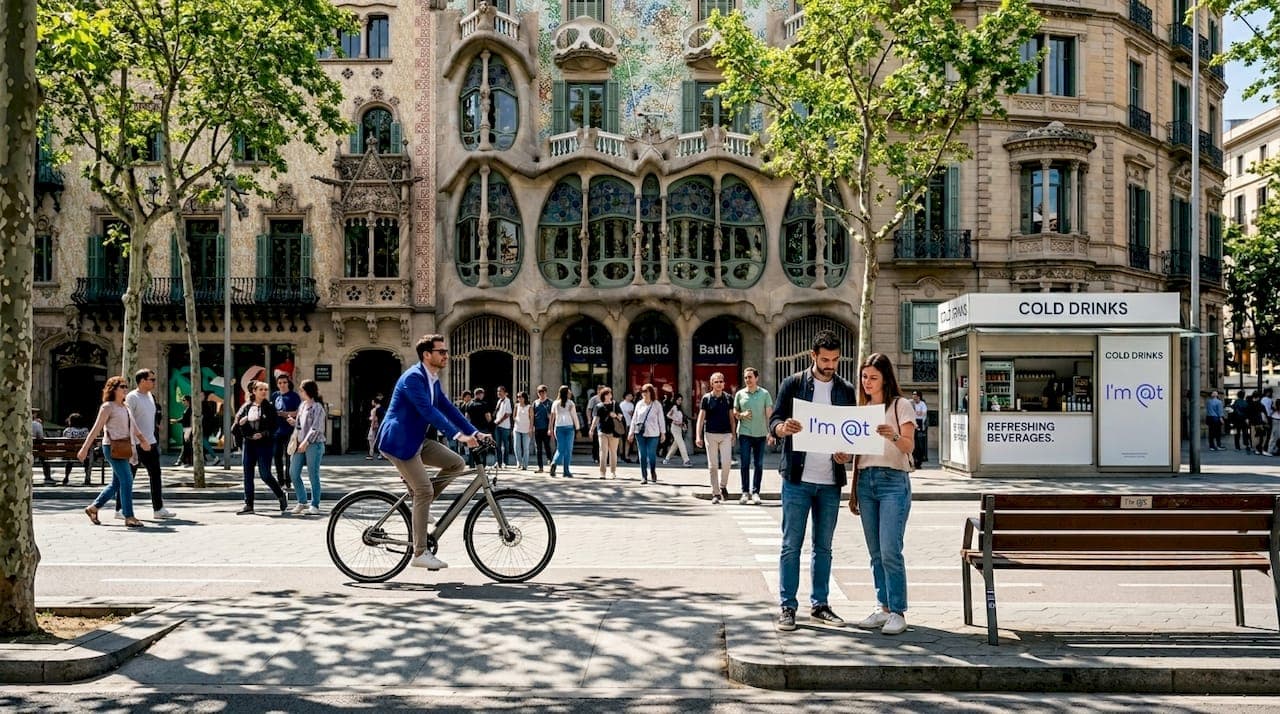
TL;DR:
- Barcelona's popularity creates a crowded experience, but exploring authentic neighborhoods reveals its true spirit.
- Focusing on less touristy sites and visiting during off-peak times allows a deeper, more genuine connection with the city.
Barcelona has a reputation problem. Not because it's bad, but because it's so good that everyone goes, and then everyone tells everyone else, and suddenly the city's most famous street feels like a theme park. If you're planning a trip and searching for things to do in Barcelona that actually feel worth your time, the real challenge isn't finding options. It's cutting through the noise to find the right ones. This guide gives you a framework for doing exactly that, covering iconic must-sees, authentic neighborhoods, and off-the-radar cultural gems that most visitors walk right past.
Table of Contents
- How to choose the best things to do in Barcelona
- Iconic Gaudí landmarks: The must-see masterpieces
- Neighborhoods to experience authentic Barcelona life
- Historic and cultural sites beyond the tourist hotspots
- Comparing Barcelona's top experiences: What to pick for your trip
- Why skipping the crowds reveals Barcelona's true spirit
- Discover unique Barcelona experiences with our guided tours
- Frequently asked questions
Key Takeaways
| Point | Details |
|---|---|
| Balance iconic and authentic | Combine visits to famous landmarks and local neighborhoods for a well-rounded Barcelona experience. |
| Use public transportation | Subway passes offer efficient, affordable travel and help you avoid tourist bus crowds. |
| Visit off-season | Traveling in November or March can help you avoid crowds and enjoy sites more peacefully. |
| Respect local culture | Learn basic Catalan phrases and follow neighborhood etiquette to connect with locals respectfully. |
| Plan guided tours | Booking private tours enhances your visit through expert insights and less crowded routes. |
How to choose the best things to do in Barcelona
Not every traveler wants the same Barcelona. An architecture obsessive, a beach lover, and a food-focused explorer will each get a completely different experience from this city, and that's the point. The first step is to actually name your priorities before you land.
Ask yourself: Do I want to understand Catalan design and history? Do I want to eat and drink like a local? Am I here to relax, or to cover ground? Your answer changes everything about how you plan.
A few practical decisions also matter more than most guides admit:
- Match your interests first. Architecture, beach culture, food markets, nightlife, and shopping all cluster in different parts of the city. Know which one drives you.
- Time your visits strategically. La Rambla and the Gothic Quarter at noon in July are genuinely unpleasant. The same streets at 8 a.m. or 9 p.m. are completely different experiences.
- Buy a multi-day transit pass. The metro is fast, clean, and connects every major attraction. Tourist buses are slow and expensive by comparison.
- Build in one neighborhood with no agenda. Just walk, sit at a cafe, and watch. That's often where the best memories come from.
- Prioritize depth over breadth. Three neighborhoods done properly will teach you more about Barcelona than ten sites checked off a list.
Experts recommend prioritizing authentic neighborhoods like Gràcia and Poblenou, avoiding overcrowded places such as La Rambla and the Gothic Quarter during midday peaks. This isn't contrarian advice. It's what distinguishes a memorable trip from an exhausting one.
Now that you understand the need for a thoughtful approach, let's explore the top iconic and local experiences worth building your itinerary around.
Iconic Gaudí landmarks: The must-see masterpieces
Antoni Gaudí's work isn't just architecture. It's a philosophy made physical, a rejection of straight lines in favor of forms borrowed from nature, bone, and coral. Understanding that context makes visiting his buildings something closer to an experience than a sightseeing stop.
Parc Güell is the most accessible entry point. The UNESCO World Heritage Site is open daily with extended summer hours and ticketed entry, offering a combination of ceramic mosaics, terraced gardens, and panoramic views across the city. The mistake most visitors make is rushing through the monumental zone without exploring the free walking paths above it. Those quieter paths give you the views without the crowd.
Casa Batlló rewards visitors who go slow. Gaudí's centenary exhibits use immersive technology to bring his design thinking to life, with tickets starting at €29. The rooftop alone, designed to resemble a dragon's back, is worth the price.
A few practical tips for this category:
- Book timed tickets weeks in advance, especially for summer visits
- Visit Parc Güell at opening time or in the last two hours of the day
- Pair Casa Batlló with Casa Milà (La Pedrera) on the same afternoon since they sit on the same boulevard, Passeig de Gràcia
- Consider a Gaudí bike tour to connect multiple sites efficiently without losing context between them
- The Barcelona Gaudí highlights tour also combines Old Town with Gaudí buildings for a cohesive half-day
Pro Tip: Skip the gift shop lines at Sagrada Família by booking the tower access add-on during your initial ticket purchase online. The view from the Nativity Tower at late afternoon light is genuinely extraordinary.
Having covered the iconic landmarks, let's discover the neighborhoods that reveal Barcelona's authentic daily life.
Neighborhoods to experience authentic Barcelona life
The neighborhoods are where Barcelona actually lives. Not for tourists, but for the people who shop at the same market every Saturday and have a regular table at the corner bar.
Gràcia is the clearest example. It retains a village-like feel with plazas like Plaça del Sol hosting local vermut rituals and weekend markets that represent real neighborhood culture. The August festival, Festa Major de Gràcia, transforms entire streets into elaborate themed installations. If your visit overlaps with it, don't miss it.
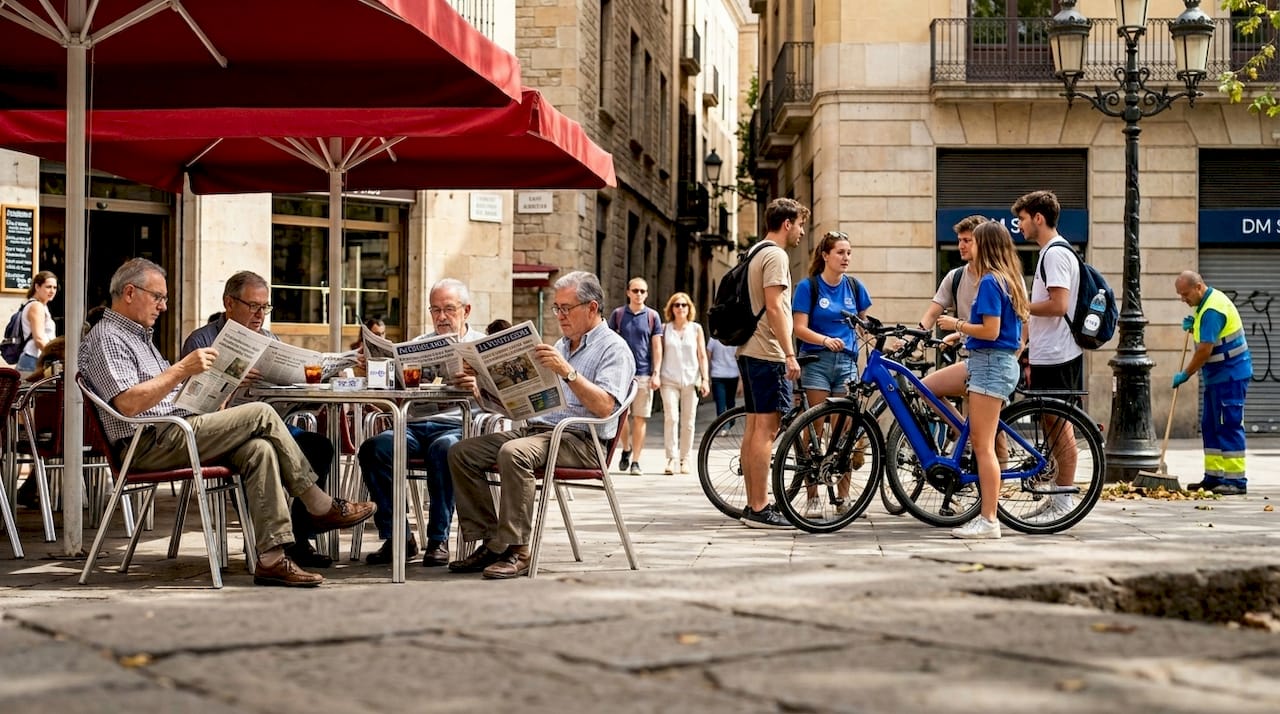
Poblenou is Barcelona's former industrial district, now home to creative studios, independent restaurants, and uncrowded beaches like Nova Icària and Bogatell. It offers a completely different mood from Barceloneta, which gets genuinely packed in summer. Poblenou's beach is quieter, cleaner, and five minutes further on the tram.
Sant Antoni has become a genuine hub for young locals. The Sunday book and design market outside the renovated Mercat de Sant Antoni draws crowds, but the kind you want to be part of. The specialty coffee scene here is also some of the best in the city.
Some things to keep in mind in these neighborhoods:
- Respect local etiquette. Don't walk into a shop or sit down at a restaurant in swimwear. Barcelona locals find this disrespectful, and they're right.
- Visit Mercat de la Boqueria early. Before 10 a.m., it's still a real food market. After 11 a.m., it's largely a tourist photo backdrop.
- Ask for the menu del día at lunch. Most neighborhood restaurants offer a three-course lunch with wine for €12 to €15. It's how locals eat affordably and well.
Pro Tip: Ride a bike through these neighborhoods rather than walking. You cover more ground without the exhaustion, and a Barcelona hidden gems bike tour will connect the dots between the areas in a way that makes the city's geography click.
Besides neighborhoods, Barcelona's rich history extends well beyond Gaudí's buildings into lesser-known cultural sites that most travelers never reach.
Historic and cultural sites beyond the tourist hotspots
Two sites in particular deserve more attention than they get.
Hospital de Sant Pau is a UNESCO site with 27 modernist buildings that somehow operates at a fraction of Sagrada Família's crowd level. The audio guide is thorough, the architecture is genuinely stunning, and you can take your time without being jostled.
Santa Maria del Mar is the finest example of Catalan Gothic architecture in the city. Unlike many Gothic churches that feel like monuments, this one still operates as a living parish. Visit during a morning mass or late afternoon when the light hits the stained glass from the west.
Here's a quick comparison of these sites alongside the more popular Barcelona attractions:
| Site | Entry cost | Crowd level | Best time to visit | Highlights |
|---|---|---|---|---|
| Sagrada Família | €26+ | Very high | Early morning | Stained glass, towers, Gaudí's vision |
| Parc Güell | €10 (monumental zone) | High | Opening hour or late afternoon | Mosaics, gardens, city views |
| Hospital de Sant Pau | €16 | Low | Anytime | 27 modernist buildings, audio guide |
| Santa Maria del Mar | Free (suggested donation) | Moderate | Off-peak hours | Gothic architecture, authentic community |
| Casa Batlló | €29+ | High | Early morning | Dragon rooftop, immersive exhibits |
To make the most of these sites:
- Book Hospital de Sant Pau tickets online to skip the small queue at the door
- Visit Santa Maria del Mar on a weekday morning for the most serene experience
- Combine both sites in one morning since they're accessible by metro or a short bike ride
- Consider a Gothic quarter walking tour to get historical context that turns a pretty building into a story
Exploring these cultural treasures, let's compare how Barcelona's diverse attractions suit different traveler types.
Comparing Barcelona's top experiences: What to pick for your trip
| Experience | Cost range | Crowd level | Best for | Authenticity level |
|---|---|---|---|---|
| Gaudí landmarks | €10 to €35 | High | Architecture lovers, first-timers | Medium |
| Authentic neighborhoods | Free to low | Low to medium | Culture seekers, food lovers | High |
| Historic cultural sites | Free to €16 | Low | History buffs, photography | High |
| Barceloneta beach | Free | Very high (summer) | Beach relaxers | Low |
| Poblenou beach | Free | Low to medium | Relaxation, locals | High |
| Sant Antoni market | Free | Medium | Design, books, coffee culture | High |
A few observations that the table can't fully capture:
- Off-season travel pays real dividends. November and March significantly reduce crowding at landmarks like Sagrada Família and let you support small businesses in neighborhoods like Sant Antoni that actually need your euros.
- Cost and authenticity are often inversely related. The most expensive tourist experiences are rarely the most memorable.
- Combine categories for your best days. A morning at a Gaudí site followed by an afternoon in Gràcia is a genuinely satisfying structure for a day.
Pro Tip: Reserve your Gaudí site for the first full day. It orients you to the city's scale and design vocabulary, making everything you see afterward more legible.
Why skipping the crowds reveals Barcelona's true spirit
Here's the uncomfortable truth about how most people visit Barcelona: they spend a lot of money to experience a version of the city that the city itself is actively trying to move away from.
Barcelona has doubled civic wardens in key areas and launched initiatives that push tourism toward cultural respect and neighborhood preservation. The city isn't rejecting visitors. It's asking them to be something more than consumers of landmarks.
That shift is an opportunity, not an inconvenience. When you sit at a plaza in Gràcia on a Sunday morning with a vermouth and olives, watching families and neighbors cycle through their rituals, you're participating in actual Barcelona. That costs almost nothing and gives you more than any timed ticket.
The travelers who come back from Barcelona talking about it years later are rarely the ones who hit the most sites. They're the ones who found a neighborhood bar where the owner spoke no English and they ordered by pointing and everyone laughed. They stayed long enough at a market to have a real conversation. They learned two Catalan words, "Bon dia" and "Gràcies," and used them every single day.
An authentic Barcelona bike experience gets you into those neighborhoods efficiently, with someone who can tell you what you're actually looking at. That's not a plug for convenience. It's an argument for depth over distance covered.
The city is worth your curiosity. Give it that, and it gives back enormously.
Discover unique Barcelona experiences with our guided tours
Planning a trip to Barcelona is exciting until you're standing at a crossroads between five different things that all look equally worth your time. That's where a well-designed guided tour makes the real difference.
At Im-at, our private Barcelona bike tour takes you through both famous landmarks and the neighborhoods that locals actually love, with a guide who knows the difference between what's on every itinerary and what's actually worth your time. If Gaudí's work is your focus, the dedicated Gaudí bike tour connects the key sites with expert commentary that turns a building into a biography. For a complete overview, the Barcelona highlights tour covers Old Town, Gaudí buildings, and cultural stops in a single, well-paced experience. Book in minutes and spend your time actually enjoying the city.
Frequently asked questions
What are the best neighborhoods to visit in Barcelona for an authentic experience?
Gràcia offers a village-like atmosphere with local plazas and weekend markets, while Poblenou features quiet beaches and a thriving creative scene. Both provide a genuine taste of Barcelona life far from the busiest tourist zones.
When is the best time to visit Barcelona to avoid crowds?
Off-season months like November and March reduce crowds significantly at major landmarks and give you more room to enjoy local businesses and neighborhoods without competing with tour groups.
How can I travel around Barcelona efficiently and affordably?
A multi-day metro pass, around €36 ($42) for four days, is the most practical option. Transit experts consistently recommend subway passes over hop-on-hop-off tourist buses for both value and actual convenience.
Are there cultural etiquette tips for visiting Barcelona?
Learning a few Catalan greetings like "Bon dia" (good morning) and respecting local customs such as not entering shops or restaurants in swimwear makes a real difference. Local etiquette guides emphasize that small gestures of cultural respect go a long way with Barcelona residents.
What is a good way to experience Gaudí's works without the crowds?
Book timed tickets early and visit Parc Güell at opening time or in the final two hours of the day. For an alternative, Casa Vicens in Gràcia is an official Gaudí site with a fraction of the crowds and genuine neighborhood context around it.