
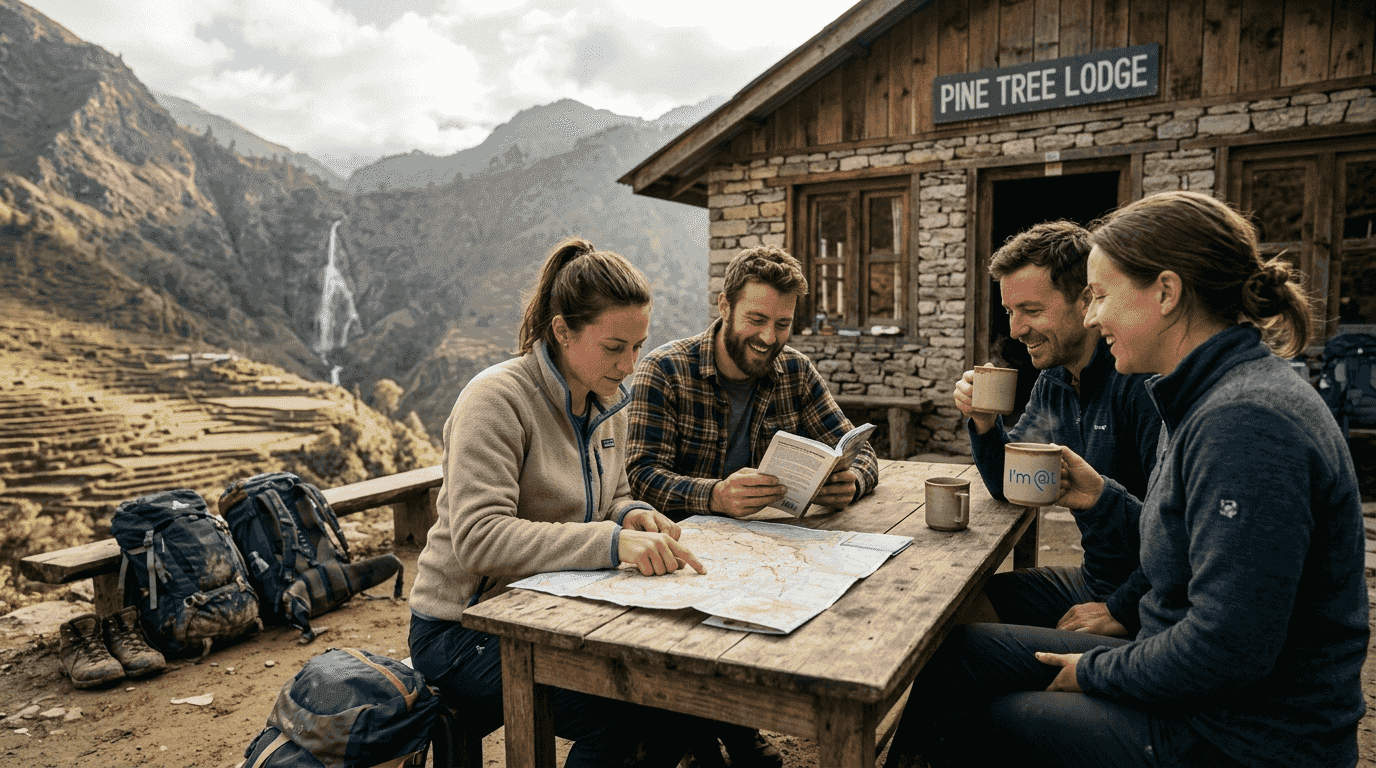
Choosing the right travel activities can transform a good trip into an unforgettable journey. With countless options ranging from adrenaline-pumping adventures to intimate cultural immersions, travelers often struggle to identify experiences that truly resonate with their interests and values. This guide explores diverse categories of travel activities, comparing their unique features, benefits, and ideal audiences to help you craft trips that deliver meaningful memories and personal growth.
Table of Contents
-
How to choose the right travel activities: criteria and considerations
-
Adventure tourism: soft and hard adventure activities explained
-
Cultural, culinary, and agritourism: immersing in local traditions and flavors
-
Ecotourism and sustainable travel: connecting with nature responsibly
-
Comparing travel activity types: benefits, risks, and ideal travelers
Key takeaways
| Point | Details |
| Activity diversity | Travel activities span adventure tourism, cultural experiences, ecotourism, agritourism, and culinary tours, each offering distinct engagement levels. |
| Adventure spectrum | Adventure tourism includes soft adventures for beginners and hard adventures for thrill-seekers. |
| Sustainability focus | Ecotourism emphasizes conservation and community support while delivering immersive nature experiences. |
| Cultural immersion | Culinary and agritourism connect travelers deeply with local traditions through food, farming, and heritage exploration. |
| Strategic selection | Matching activities to your risk tolerance, interests, and values ensures trips align with personal goals and satisfaction. |
How to choose the right travel activities: criteria and considerations
Selecting travel activities that align with your preferences requires evaluating several critical factors before booking. Your choices shape not just what you do, but how deeply you connect with destinations and cultures.
Start by assessing your risk tolerance. Adventure tourism caters to diverse preferences, from beginners seeking comfortable nature experiences to thrill-seekers looking for extreme challenges. If adrenaline excites you, hard adventures await. If relaxation matters more, gentle cultural tours might suit better.
Consider how much cultural engagement you desire. Some travelers crave deep dives into local traditions, languages, and histories. Others prefer surface-level exposure while focusing on landscapes or activities. Your curiosity about local life determines whether cultural tourism becomes a priority.
Sustainability values increasingly influence activity selection. Do you prioritize environmentally responsible travel that supports conservation? Are you willing to pay premiums for experiences that benefit local communities directly? These questions guide you toward ecotourism or away from mass-market options.
Physical ability and time commitment matter significantly:
-
Strenuous activities like mountaineering require fitness and acclimatization days
-
Gentle options like cooking classes suit varied fitness levels
-
Multi-day adventures demand schedule flexibility
-
Quick excursions work for packed itineraries
Budget and accessibility also shape feasible choices. Premium experiences like tailor-made 4x4 tours cost more but deliver personalization. Group tours stretch dollars further while still providing guided expertise.
Pro Tip: Create a priority matrix ranking thrill level, cultural depth, physical demand, and sustainability importance before exploring I’m @t activity catalogs. This framework eliminates mismatched bookings and focuses searches on experiences truly aligned with your travel philosophy.
Adventure tourism: soft and hard adventure activities explained
Adventure tourism divides into two distinct categories that cater to vastly different risk appetites and experience expectations. Understanding this spectrum helps you select activities matching your comfort zone while still delivering excitement.
Soft adventure includes low-risk activities like hiking, kayaking, wildlife watching, and camping. These experiences introduce outdoor thrills without requiring specialized skills or extreme physical conditioning. Beginners appreciate soft adventures because they deliver nature immersion and mild adrenaline rushes while maintaining safety margins.
Hard adventure involves high-risk activities such as skydiving, mountaineering, white-water rafting, and bungee jumping. These pursuits demand significant physical preparation, technical training, and acceptance of real danger. Thrill-seekers gravitate toward hard adventures specifically for the intense adrenaline and accomplishment that come from conquering challenging environments.
The adventure tourism market reflects growing global demand for these experiences. Tourism grows 20% year-over-year globally, with adventure segments expanding even faster as travelers seek authentic, active engagement over passive sightseeing.
Hard adventure examples that illustrate the category:
-
Skydiving in Dubai offers freefall from 4,000m at speeds reaching 193kmph
-
Ice climbing in Patagonia challenges technical skills in extreme cold
-
Cave diving in Mexico’s cenotes combines underwater navigation with claustrophobic environments
-
Volcano boarding in Nicaragua delivers high-speed descents on active volcanic slopes
Understanding this soft/hard spectrum helps you communicate preferences clearly when booking through platforms. If you’re exploring tailor-made 4x4 tours, specify whether you want gentle wildlife viewing or intense off-road challenges. For safari experiences like luxury safari tours, clarify if walking safaris or helicopter transfers better match your adventure appetite.
Your position on this spectrum isn’t fixed. Many travelers start with soft adventures, build confidence, then graduate to harder challenges. The key is honest self-assessment about current capabilities and willingness to push boundaries.
Cultural, culinary, and agritourism: immersing in local traditions and flavors
Beyond physical adventures, travel activities centered on culture, food, and agriculture offer profound connections to destinations through their most essential human elements. These experiences satisfy curiosity about how communities live, eat, and sustain themselves.
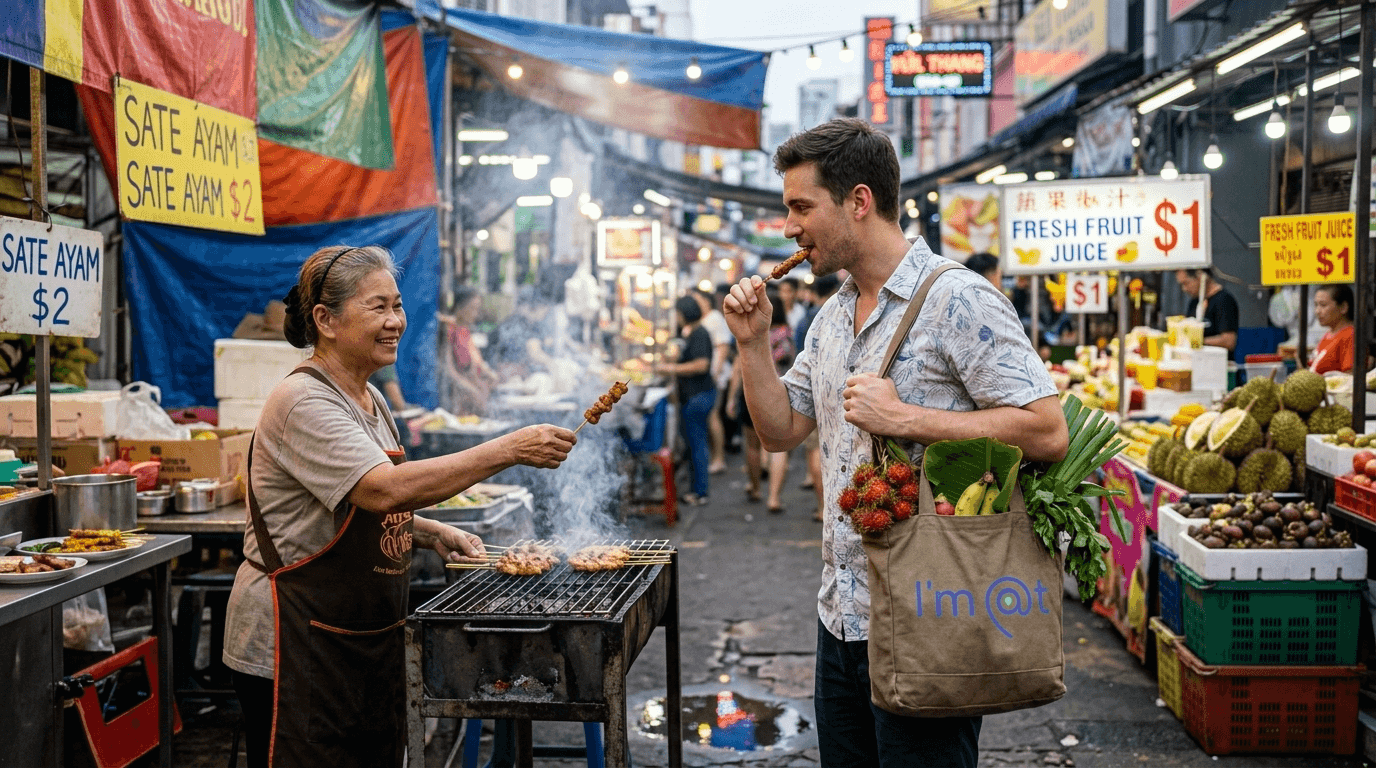
Cultural tourism immerses you in local heritage, artistic traditions, religious practices, and social identities. Visiting historical sites, attending festivals, learning traditional crafts, or participating in ceremonies deepens understanding of what makes places unique beyond their geography.
Culinary tourism applies to people traveling for food specifically or considering it an important exploration aspect when visiting. Regional cuisine encapsulates agricultural history, trade influences, climate adaptations, and cultural values. Tasting becomes a gateway to understanding civilizations.
Agritourism benefits struggling small farmers by creating revenue streams beyond commodity sales. Farm visits, harvest participation, and agricultural education programs connect urban travelers with rural production realities while supporting local economies directly.
These activity types enrich travel by:
-
Fostering genuine human connections with residents and artisans
-
Revealing daily life rhythms beyond tourist-facing industries
-
Supporting traditional knowledge preservation and transmission
-
Creating memorable sensory experiences tied to specific places
Immersive cultural and culinary activities include:
-
Cooking classes teaching regional recipes with market ingredient sourcing
-
Guided food tours exploring neighborhood eateries locals frequent
-
Farm stays offering hands-on agricultural work and home-cooked meals
-
Honey tasting tours explaining beekeeping traditions and terroir influences
-
Wine and flavors experiences pairing regional vintages with artisanal products
-
Heritage craft workshops teaching pottery, weaving, or woodworking techniques
-
Agricultural festivals celebrating harvest seasons and rural traditions
Ecotourism focuses on local culture, wilderness adventures, volunteering, personal growth, and learning new ways to live sustainably. Cultural and culinary activities often overlap with ecotourism principles when they emphasize community benefit and environmental stewardship.
These experiences suit travelers prioritizing authentic engagement over Instagram moments. If you value conversation depth with locals, understanding production processes, and tasting foods exactly as residents prepare them, cultural and agritourism activities deliver unmatched satisfaction.
Ecotourism and sustainable travel: connecting with nature responsibly
Ecotourism means responsible travel to natural areas that conserves the environment and improves the well-being of local people. This approach addresses tourism’s environmental costs while creating positive outcomes for destinations.
The sustainability imperative grows more urgent as tourism accounts for 8% of global greenhouse-gas emissions. Transportation, accommodation energy use, waste generation, and ecosystem disruption from visitor pressure create significant environmental footprints. Conscious travelers increasingly seek options minimizing these impacts.
Tourist development organizations shift focus toward sustainable tourism to minimize negative effects from growing visitor numbers. This industry evolution creates more ecotourism options across destinations, from certified eco-lodges to carbon-neutral tour operators.
Ecotourism activities typically include:
-
Guided wildlife tours emphasizing observation without habitat disturbance
-
Conservation volunteering like reef restoration or wildlife monitoring
-
Nature hikes and caving with environmental education components
-
Birdwatching expeditions supporting habitat preservation through fees
-
Kayaking or sailing trips powered by human effort or wind
Choosing ecotourism helps balance adventure desires, cultural curiosity, and environmental responsibility. You experience natural wonders while contributing to their protection rather than degradation.
Pro Tip: Verify ecotourism claims by researching operator certifications, community partnership structures, and specific conservation contributions. Greenwashing exists, so look for transparent documentation of environmental practices and local benefit distribution.
| Ecotourism Element | Traditional Tourism | Sustainable Ecotourism |
| Environmental impact | High resource use, habitat disruption | Minimal footprint, conservation support |
| Local benefit | Limited community revenue | Direct income to residents |
| Education focus | Entertainment-centered | Learning and awareness building |
| Group sizes | Large crowds straining sites | Small groups protecting ecosystems |
| Long-term effect | Potential destination degradation | Enhanced preservation and restoration |
Ecotourism works best when you genuinely care about environmental outcomes and willingly adjust comfort expectations. Eco-lodges may lack luxury amenities. Tours might limit participant numbers, raising per-person costs. These tradeoffs feel worthwhile when aligned with sustainability values.
Comparing travel activity types: benefits, risks, and ideal travelers
Understanding how activity categories differ across key dimensions helps match your preferences, capabilities, and goals with appropriate travel experiences. This comparison clarifies what each type delivers and demands.
| Activity Type | Primary Benefits | Physical Demand | Risk Level | Cultural Immersion | Ideal Traveler Profile |
| Soft Adventure | Nature exposure, mild thrills, accessible challenge | Low to moderate | Minimal | Limited to moderate | Beginners, families, fitness-conscious travelers seeking gentle excitement |
| Hard Adventure | Intense adrenaline, personal achievement, extreme environments | High | Significant | Minimal | Experienced adventurers, thrill-seekers, physically fit risk-takers |
| Cultural Tourism | Heritage understanding, artistic exposure, historical knowledge | Low | Minimal | Very high | Curious learners, history enthusiasts, travelers valuing authentic human connection |
| Culinary Tourism | Gastronomic discovery, cooking skills, flavor education | Low | Minimal | High | Food lovers, culinary students, travelers exploring through taste |
| Agritourism | Agricultural insight, rural life experience, farm-to-table connection | Low to moderate | Minimal | High | Sustainability-focused travelers, families, urban dwellers seeking rural authenticity |
| Ecotourism | Conservation support, environmental education, wildlife encounters | Varies widely | Low to moderate | Moderate | Environmentally conscious travelers, nature enthusiasts, conservation supporters |
This framework reveals that no single activity type satisfies all traveler needs. Adventure delivers physical challenge but limited cultural depth. Cultural experiences provide immersion but minimal adrenaline. Ecotourism balances nature and responsibility but may sacrifice comfort.
Most fulfilling trips combine multiple activity types strategically. A week might include hard adventure like skydiving, cultural immersion through cooking classes, and ecotourism via guided nature walks. This variety prevents monotony while addressing different aspects of curiosity and capability.
Consider how activities complement rather than compete. Culinary tours enhance cultural understanding. Agritourism often incorporates ecotourism principles. Soft adventures can include cultural education about indigenous land relationships. Thoughtful combinations create richer narratives than single-focus itineraries.
Your ideal mix depends on trip length, budget, travel companions, and primary motivations. Solo travelers might prioritize adventure and cultural immersion. Families often balance soft adventure with culinary experiences. Couples frequently combine cultural depth with romantic culinary tours.
Discover personalized travel experiences with I’m @t
Understanding activity types is just the starting point. Translating knowledge into actual bookings that match your preferences requires access to curated options and local expertise. I’m @t simplifies this process by connecting you with experiences spanning adventure, culture, gastronomy, and nature across global destinations. Whether you’re drawn to tailor-made 4x4 tours for adrenaline-fueled exploration or gastronomic experiences in Bologna for culinary immersion, the platform offers expertly designed tours with local guides who provide authentic insights. Booking personalized activities helps you optimize limited travel time while engaging fully with interests you’ve identified. From Vatican Museum private tours delivering cultural depth to nature excursions emphasizing sustainability, I’m @t removes planning friction so you focus on experiencing rather than researching.
FAQ
What are the main differences between soft and hard adventure tourism?
Soft adventure involves low-risk activities like hiking, kayaking, and wildlife watching that require minimal technical skills. Hard adventure includes high-risk pursuits such as skydiving, mountaineering, and extreme sports demanding specialized training and significant physical conditioning.
How does culinary tourism relate to cultural tourism?
Culinary tourism functions as an extension of cultural tourism by focusing specifically on regional food traditions and gastronomic heritage. Exploring local cuisine deepens cultural immersion by revealing agricultural history, trade influences, and social values expressed through cooking and eating practices.
What makes ecotourism important for sustainable travel?
Ecotourism prioritizes conserving natural areas while improving local community well-being through responsible travel practices. It minimizes tourism’s environmental footprint, supports conservation funding, and fosters cultural respect by emphasizing education and small-group experiences over mass-market exploitation.
Can I combine multiple activity types in one trip?
Absolutely. The most memorable trips strategically blend activity types to address different interests and energy levels. You might pair hard adventure experiences with cultural immersion days, add culinary tours for gastronomic exploration, and include ecotourism elements supporting sustainability values throughout your itinerary.
How do I verify ecotourism operators are genuinely sustainable?
Research operator certifications from recognized bodies, examine specific conservation projects they support, and review transparent documentation of environmental practices. Genuine ecotourism providers detail local benefit distribution, limit group sizes, minimize resource consumption, and prioritize education alongside entertainment.