
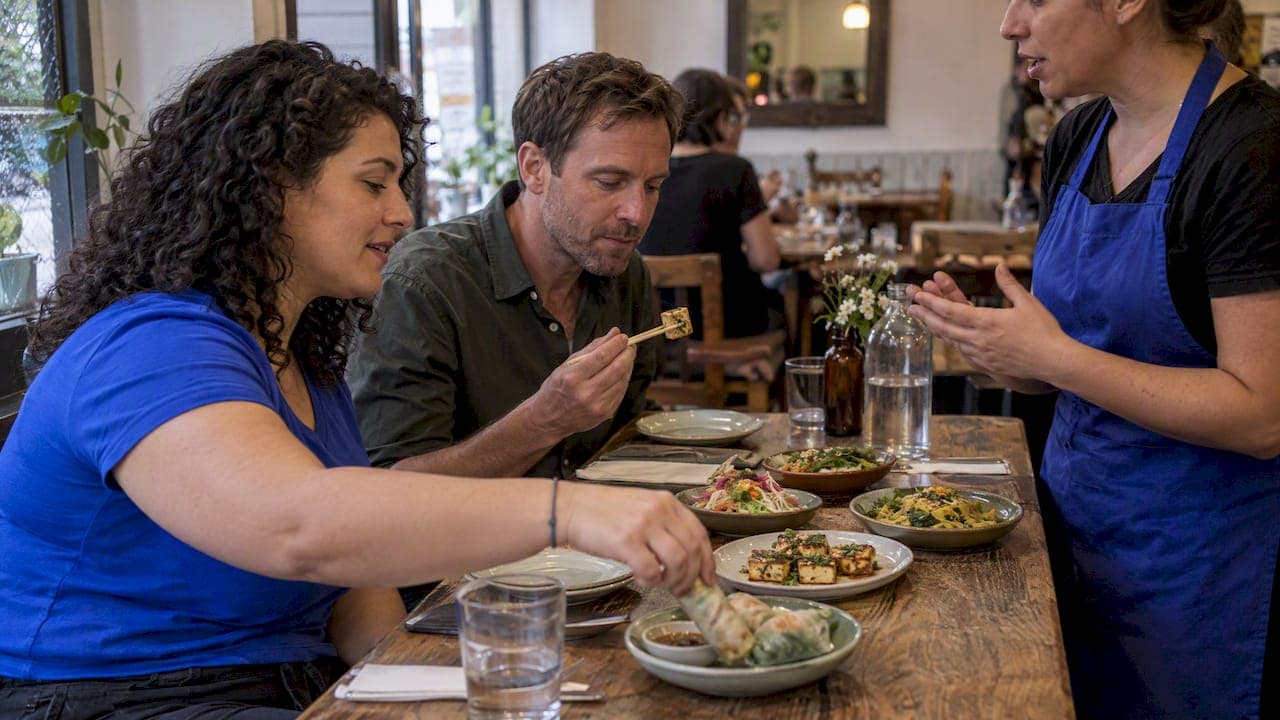
A vegan food tour is a guided, curated tasting route of plant-based dishes that saves you time vetting menus and guarantees vegan options. Use this article to find, evaluate, and book the right tour: check for a clear vegan guarantee, an allergy policy, and real ratings before you pay, and search a marketplace like Im-at to compare listings side by side.
TL;DR:
- Most tours last 2 to 4 hours and include 4 to 8 tastings; groups of 8 to 12 give guides more room to handle substitutions.
- A vegan label does not guarantee allergen control; ask whether kitchens can separate preparation, provide substitutes, and confirm accommodations in writing.
- Choose walking market routes for leisurely tastings, seated crawls for slower pacing, or scooter tours for broader coverage; ask about distance, stairs, and terrain beforehand.
- Compare tasting counts with portion sizes, then verify meeting details and cancellation terms; screenshot inclusions before paying because listings can change after tours sell out.
Table of Contents
- What to expect on a vegan food tour
- Types and styles of vegan food tours and which travel styles suit them
- How to choose the right vegan food tour
- What vegan food tours actually look like in practice
- How Im-at helps you discover, compare, and book vegan food tours responsibly
- When a guided vegan food tour beats going it alone
- Ready to book your vegan food tour
- FAQ
- Sources
What to expect on a vegan food tour
Most vegan food tours follow a similar shape even when the cities and cuisines differ. You walk, ride, or sit through a sequence of stops, each one built around a small plate or tasting portion rather than a full entree, so you leave full without having eaten one giant meal at a single restaurant.
A typical listing runs 2 to 4 hours and includes 4 to 8 tasting stops, though cooking-class formats often run longer since they combine a market visit with hands-on preparation. Meeting points are usually a named landmark or the first restaurant on the route, and some operators offer pickup from a central hotel district for an added fee or as part of a premium package.
What a vegan food tour typically includes:
- A guide fee covering route planning, reservations, and running commentary on dishes and history.
- Food tastings at every stop, usually portioned for sharing rather than individual full plates.
- Non-alcoholic drinks at some stops, with alcohol pairings offered separately on wine- or beer-focused tours.
- Transport between stops on tours that cover more ground, such as scooter tours or multi-neighborhood crawls.
What's commonly excluded: gratuities for guides, alcohol beyond what's stated, and transport to and from the meeting point unless pickup is explicitly listed. Small group size matters more than it might seem. A group capped at 8 to 12 people lets the guide answer questions, flag substitutions in real time, and keep the pace relaxed, while larger groups tend to rush through stops and limit how much a guide can personalize for dietary needs.
Types and styles of vegan food tours and which travel styles suit them
Not every vegan food tour looks the same, and the format matters as much as the destination when you're deciding what to book. Walking market tours suit travelers who want to move slowly, snack often, and ask questions at each stall. Scooter or motorbike tours, common in parts of Southeast Asia, cover more ground and access street vendors that a walking route would skip, but they ask more of your comfort with local traffic and a bit more physical ease getting on and off a bike repeatedly. Seated restaurant crawls, more typical in Europe and the United States, trade ground covered for a slower, more conversational pace with multi-course tastings at each stop.
Regional cuisine shapes format too. Street-food-focused tours dominate in Southeast Asian cities, where vendors operate from stalls and carts rather than sit-down dining rooms. Multi-course tasting formats are more common across European and American cities, where the tour moves between independent restaurants and each stop serves a composed small plate rather than a quick bite.
Styles worth matching to your travel energy:
- Active, ground-covering tours (scooter routes, multi-mile walking loops) for travelers comfortable with longer days and variable terrain.
- Relaxed, seated-crawl formats for travelers who prefer pacing over distance and want time to chat with guides and fellow guests.
- Hands-on cooking classes for travelers who want a souvenir skill rather than just a meal, often paired with a market visit beforehand.
- Hybrid tastings-plus-market tours that mix walking, browsing, and eating in roughly equal parts.
Accessibility deserves a direct question before booking, since very few listings state total walking distance or terrain details up front. If stairs, uneven cobblestones, or long stretches without seating would affect your experience, ask the operator directly rather than assuming a "walking tour" means flat, short distances.
How to choose the right vegan food tour
Picking a tour comes down to a short list of checks that take a few minutes but prevent a disappointing or even unsafe day. Work through these before you commit to a listing:
- Confirm the tour is explicitly marketed as vegan, not just "vegan-friendly" or "vegan options available," since those phrases often mean a few substitutions rather than a fully plant-based route.
- Read the allergy and cross-contamination policy. Some operators state plainly that they cannot guarantee allergen-free kitchens, which matters if you're managing a strict allergy on top of a vegan diet, as seen on one New York tour listing that warns it isn't recommended for strict vegans despite offering substitutions.
- Compare the number of tastings against the price to judge meal value, since a six-stop tour with generous portions can replace lunch and dinner, while a four-stop tour with small bites may just be a snack.
- Check the stated group size, since smaller caps generally mean more flexibility for substitutions and more guide attention per person.
- Look for guide credentials or experience mentioned in the listing, such as culinary training or years running the specific route.
- Verify meeting point, pickup options, and what happens if you're running late.
- Read the cancellation and refund policy before paying, particularly for tours booked weeks in advance.
Before booking, send a short message to the operator if you have a strict allergy: name the allergy, ask whether the kitchen can segregate preparation or whether you'll receive a pre-arranged substitute, and ask if they can accommodate a written confirmation. Carrying a multilingual chef card that states your allergy in the local language gives kitchen staff a clear, unambiguous reference beyond what a guide can translate on the spot.
Pro Tip: Screenshot the listing's inclusion and cancellation details before you book, since some platforms update or remove pages after a tour sells out.
Red flags to watch for: vague language like "plant-based friendly" instead of "fully vegan," no stated allergy policy at all, reviews mentioning long gaps between stops with no explanation, and a guide contact method that only works after you've already paid.
What vegan food tours actually look like in practice
Abstract checklists are useful, but seeing how tours play out in specific cities makes the format easier to picture. A street-food scooter tour through Ho Chi Minh City typically threads through alleyways inaccessible by car, stopping at five or six vendor stalls for dishes like vegan pho, fresh spring rolls, and grilled tofu skewers, with the guide translating ingredient lists at each stop since menus are rarely written in English.

In St. Augustine, Florida, one regional listing describes a half-mile walking route sampling six plant-based restaurants, a format aimed at an audience that doesn't need to be strictly vegan to enjoy the stops, since the listing notes guests of any diet are welcome. That detail matters: many "vegan food tours" are built to appeal to mixed groups, which can affect how strictly the kitchen handles cross-contamination, so it's worth confirming directly if you need a fully segregated prep.
Examples of how tours vary by city and format:
- A European tasting crawl might move between four or five independent vegan restaurants over three hours, each serving a composed small plate rather than a snack-sized bite.
- A Tulum-based tour often blends beachside cafés with a market stop, giving a mix of composed dishes and fresh produce tastings.
- A Las Vegas food tour might combine a strip-adjacent neighborhood walk with stops at dedicated vegan kitchens that also serve non-vegan guests, meaning the kitchen handles both diets side by side.
- Cities with dense vegan restaurant scenes, a pattern tied to broader vegan travel trends, tend to support more tour variety simply because there are more qualifying stops within walking distance.
Seasonal menus also shape what you'll actually taste. Tastings built around seasonal vegan ingredients change throughout the year, so a tour booked in summer may lean into fresh produce bowls while a winter booking shifts toward heartier, warming dishes. Operators sometimes require a signed waiver acknowledging that strict cross-contamination-free preparation isn't guaranteed, particularly on tours that serve mixed vegan and non-vegan guests from the same kitchen.
How Im-at helps you discover, compare, and book vegan food tours responsibly
We built Im-at as a searchable marketplace for tours and activities worldwide, which means you can compare vegan food tour listings from different operators and cities in one place instead of checking a dozen separate tour company websites. When searching, the details that matter for a vegan-specific booking include itinerary stops, allergy notes where operators list them, meeting point, and cancellation policy, all on the same listing page.
Some platforms surface trending and staff-picked experiences across categories including guided tours, classes and workshops, and health and wellness, so a plant-based cooking class or a city tasting crawl can show up alongside other culinary options worth considering. Listings like our Turin chocolate class and tasting show the format we use for tasting-class pages: clear inclusions, timing, and what to expect before you pay.
Many listings provide a way to contact the host with questions, which is helpful when confirming allergy accommodations or asking about group size before booking. Some platforms allow service providers to list their own vegan tours directly, which helps the catalog grow as more operators join.

When a guided vegan food tour beats going it alone
A guided tour earns its price when it offloads the research: vetted vegan stops, local context you wouldn't find on your own, and a guide who already knows which kitchen substitutes well. If you're staying somewhere for weeks, speak the language, or genuinely enjoy building your own route, skip the tour and explore independently instead. One habit worth keeping either way: pair a tour or self-guided day with a local vegan market or festival, which often reveals better food than any single tour stop.
— Mikahil
Ready to book your vegan food tour
Search Im-at for vegan food tours, cooking classes, and tasting crawls in your next destination, and compare listings before you commit.  Before you pay, confirm the vegan guarantee and allergy policy directly on the listing or with the host so there are no surprises on tour day.
FAQ
Is there a vegan cruise scheduled for 2026?
Vegan-themed cruises are organized periodically by independent travel groups and change year to year, so availability for 2026 depends on the specific operator running it. Check directly with cruise lines or vegan travel communities for current departure dates rather than relying on a fixed annual schedule.
Is Taylor Swift a vegan?
Taylor Swift has not publicly identified as vegan, and her dietary choices aren't tied to any confirmed plant-based lifestyle. Celebrity diet claims shift often and aren't a reliable basis for travel or dietary planning.
Where are the best places to vacation as a vegan?
Cities with dense concentrations of vegan restaurants and active plant-based food scenes, including hubs like London, Berlin, and Los Angeles, tend to offer the widest range of vegan dining experiences and tour options. Destinations with strong street food cultures, such as cities across Southeast Asia, also support vegan-adapted tours built around local market stalls.
What are some vegan tour companies?
Vegan tour operators vary widely by city and range from small independent guides to larger tour companies that run multiple routes. Rather than naming one operator, use a marketplace like Im-at to search listings by destination and compare vegan guarantees, group size, and reviews before booking.
What should I check before booking a vegan food tour?
Confirm the tour is explicitly vegan rather than just vegan-friendly, read the allergy and cross-contamination policy, and check the group size and cancellation terms. Sending the operator a direct question about strict allergies before paying is the safest way to avoid surprises on tour day.
Sources
- 21 Vegan Travel Statistics You Need to Know in 2025 ~ BackPackNess
- Devour New York Lower East Side Guided Food Tour – Discovering NYC