
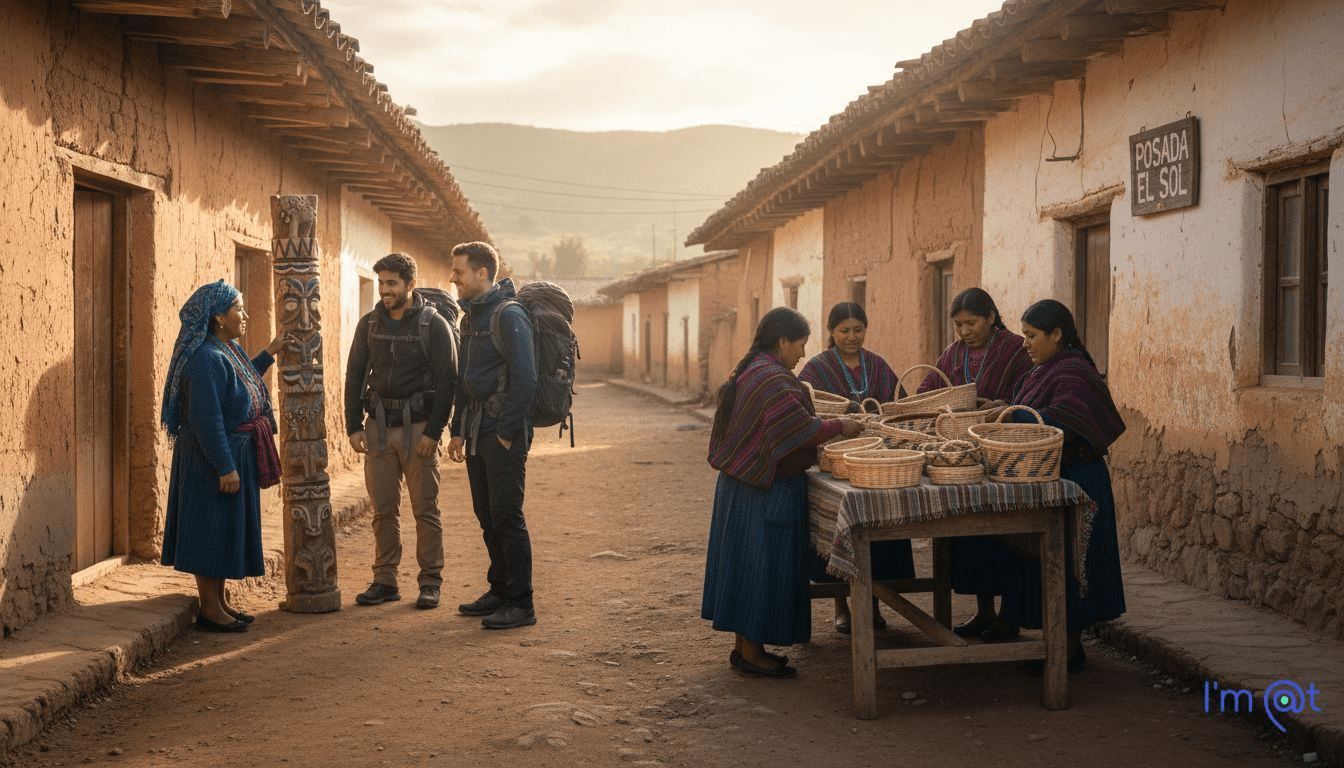
Over 70% of revenues stay local in community tourism projects, while conventional tourism retains less than 30%. This dramatic difference reveals why travelers seeking authentic cultural immersion increasingly choose community tourism. This guide explains what community tourism is, how it benefits both communities and travelers, and how you can participate ethically to maximize positive impact while experiencing genuine cultural connections.
Table of Contents
-
Understanding community tourism: definition and core principles
-
Economic and cultural benefits of community tourism for host communities
-
Community tourism vs related types: eco-tourism and voluntourism
-
Traveler benefits and how to engage ethically in community tourism
-
Case studies: successful community tourism projects around the world
-
Challenges, pitfalls, and how to evaluate community tourism experiences
Key takeaways
| Point | Details | |-------|---------|| | Definition and principles | Community tourism prioritizes local participation, fair revenue sharing, cultural preservation, and environmental sustainability with direct community benefits. | | Economic impact | Local incomes can increase up to 45%, with over 80% of wages paid to residents and revenue supporting education and healthcare. | | Ethical engagement | Spend 30-40% directly with community businesses, research local ownership, respect customs, and avoid large intermediaries. | | Common misconceptions | Not the same as eco-tourism or voluntourism; fair pricing sustains communities rather than indicating exploitation. | | Evaluation criteria | Verify local ownership, transparent revenue distribution, cultural respect practices, and genuine community participation before booking. |
Understanding community tourism: definition and core principles
Community tourism places local residents at the center of tourism planning, operation, and benefit distribution. Unlike conventional tourism where profits flow to external corporations, community tourism prioritizes social relationships and direct benefit sharing with host communities.
This approach integrates economic, cultural, and environmental sustainability. The revenue retention statistics tell the story: over 70% stays within local economies compared to less than 30% in traditional tourism models. That difference translates to tangible improvements in community infrastructure, education, and quality of life.
Community tourism differs from eco-tourism, which focuses primarily on environmental conservation, and voluntourism, where travelers perform volunteer work that sometimes displaces local jobs. The distinction matters because each model creates different impacts and benefits.
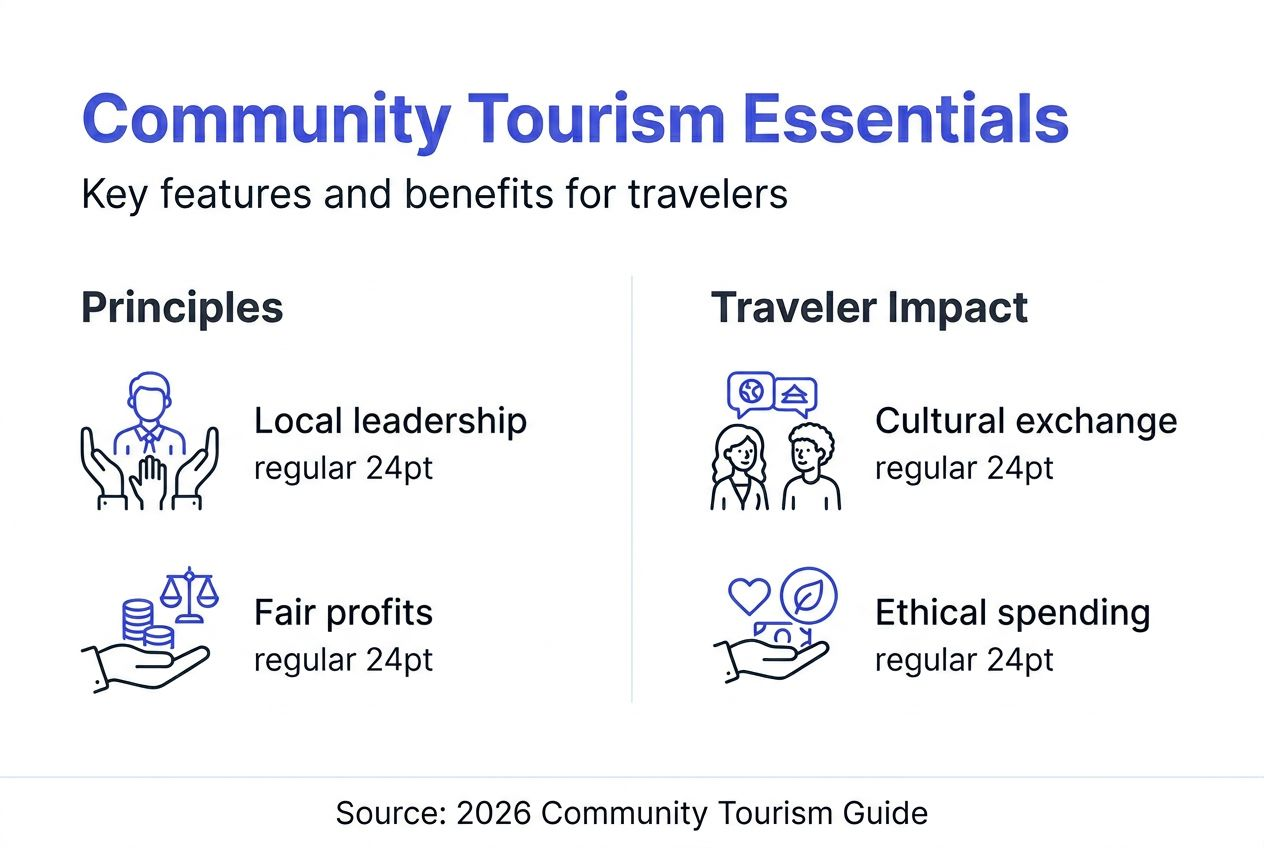
Four pillars define authentic community tourism:
-
Active community participation in planning and decision making
-
Fair and transparent revenue sharing that benefits residents directly
-
Cultural preservation through respectful presentation of traditions
-
Environmental sustainability integrated with social and economic goals
These principles ensure tourism serves community interests rather than exploiting cultural heritage for external profit. When properly implemented, community tourism creates sustainable livelihoods while maintaining cultural authenticity.
Economic and cultural benefits of community tourism for host communities
Community tourism generates substantial economic impact. Case studies document local income increases up to 45% in communities that successfully implement tourism projects. This revenue doesn’t just create individual wealth; it circulates through local economies to fund schools, healthcare facilities, and infrastructure improvements.
Traditional crafts experience revival through community tourism. Over 60% of craft enterprises in community tourism zones report growth in sales and cultural recognition. Artisans gain markets for authentic handmade goods while preserving techniques that might otherwise disappear.
Employment opportunities emerge in regions where economic options were previously limited. Community members work as guides, hospitality providers, cultural educators, and enterprise managers. These jobs often pay better than alternatives and allow residents to stay in their communities rather than migrating to cities.
| Benefit Category | Impact Measure | Community Outcome |
| Income growth | Up to 45% increase | Enhanced household financial stability |
| Craft enterprises | 60%+ report growth | Cultural preservation and economic opportunity |
| Employment | New sustainable jobs | Reduced outmigration from rural areas |
| Revenue circulation | Funds community services | Improved education and healthcare access |
Cultural preservation happens naturally when communities control tourism narratives. Visitors experience authentic traditions presented by community members themselves, creating respect and understanding. This contrasts sharply with staged cultural performances designed by external tour operators.
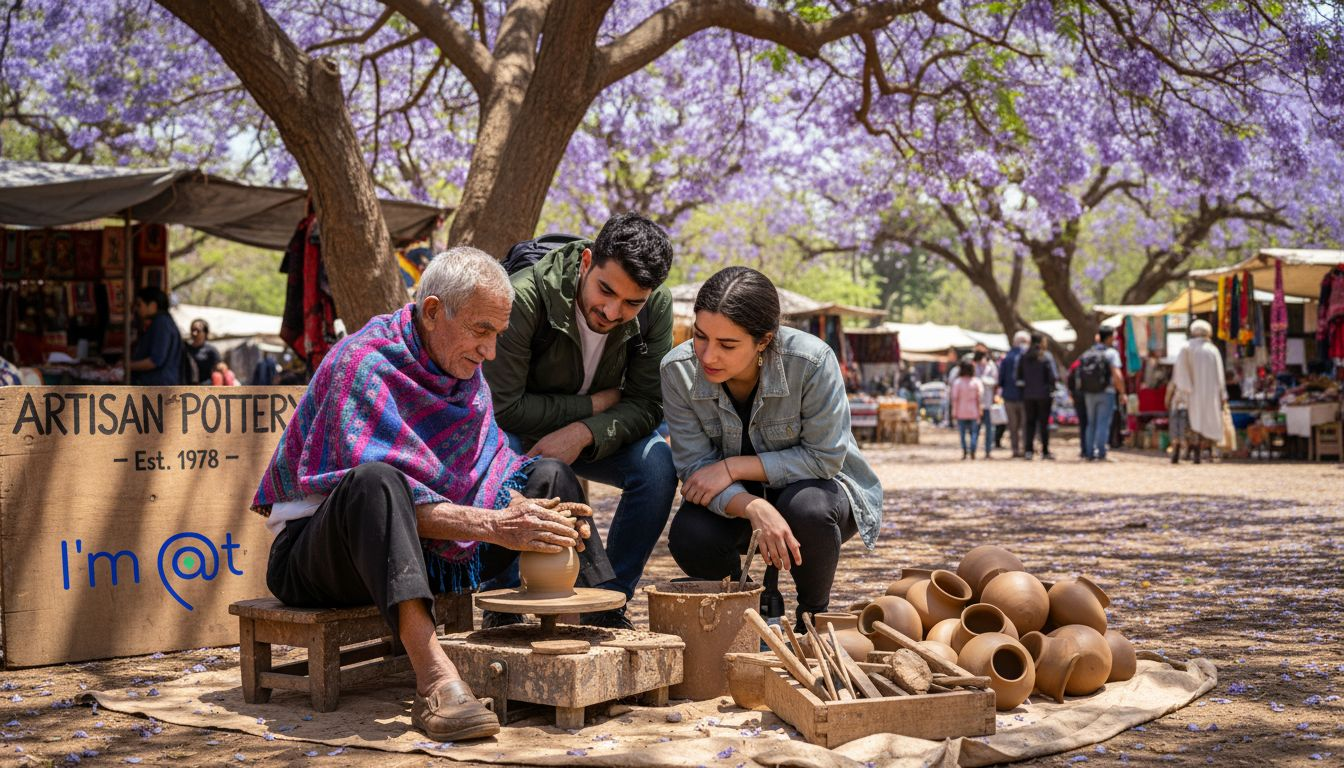
Experiences like the Lesedi Cultural Village Day Tour demonstrate how cultural presentation can educate visitors while honoring traditions. Revenue supports cultural education programs that teach younger generations about their heritage.
Community tourism vs related types: eco-tourism and voluntourism
Travelers often confuse community tourism with similar concepts. Understanding distinctions helps you choose experiences aligned with your values and creates appropriate impacts.
Community tourism centers on direct social and economic benefits for local residents. Decision making power rests with community members who determine how tourism develops and how benefits distribute. The focus extends beyond environmental protection to encompass cultural vitality and economic equity.
Eco-tourism prioritizes environmental conservation, often channeling profits to environmental organizations rather than local communities. While valuable for protection efforts, about 80% of community tourism wages are paid to local residents, whereas eco-tourism profits frequently support external conservation groups.
Voluntourism involves travelers performing volunteer work, sometimes competing with local workers who need those jobs. Well-intentioned volunteers may lack skills for complex tasks like construction or teaching, potentially creating more problems than solutions.
| Tourism Type | Primary Focus | Benefit Distribution | Community Role |
| Community tourism | Social and economic equity | 70-80% stays local | Leadership and ownership |
| Eco-tourism | Environmental conservation | Often to external organizations | Service providers |
| Voluntourism | Volunteer service | Variable, sometimes displaces local jobs | Recipients of assistance |
Pro Tip: Look beyond marketing labels when evaluating tours. Ask specific questions about local ownership, revenue distribution, and community participation in decision making. Authentic community tourism experiences provide transparent answers to these questions.
Activities like hiking and caving Terceira island can incorporate community tourism principles when local guides lead expeditions and revenue supports island communities. Verify these details before booking.
Traveler benefits and how to engage ethically in community tourism
Community tourism enriches travelers beyond typical vacation experiences. Participants report 72% enhanced cultural understanding compared to conventional tours. You gain authentic insights into daily life, traditions, and perspectives that staged experiences cannot replicate.
Ethical engagement requires intentional choices. Respecting local customs and cultural norms shows genuine interest rather than treating communities as entertainment. Research customs before arrival; small gestures like appropriate dress and greetings demonstrate respect that community members notice and appreciate.
Allocating spending strategically maximizes positive impact. Dedicate at least 30 to 40% of your travel budget to community businesses rather than international chains. This might mean staying in family-run guesthouses, eating at local restaurants, and purchasing directly from artisans.
Follow these steps for ethical participation:
-
Research tour operators to verify local ownership and transparent revenue sharing practices.
-
Learn basic customs, phrases, and cultural norms before arrival to show respect.
-
Spend money directly with community businesses whenever possible.
-
Engage respectfully, asking permission before photographing people or sacred sites.
-
Provide constructive feedback to operators about your experience.
Pro Tip: Budget realistically for ethical community tourism. Fair prices reflect sustainable wages and quality experiences. If a tour seems remarkably cheap, investigate whether corners are cut through underpaid guides or exploited workers. Spending fairly supports the sustainability you seek.
Platforms like I’m @t can connect you with community-focused experiences when you filter for locally operated tours. Destinations like Visit Pinhão offer wine tourism that supports family vineyards and regional economies when booked through community operators.
Common misconceptions about community tourism
Several myths about community tourism create unrealistic expectations or discourage travelers from participating. Understanding reality helps you make informed choices.
Community tourism is not always budget travel. Fair pricing reflects sustainable wages, quality experiences, and community development investments. Rock-bottom prices often indicate exploitation or corners cut through underpaid staff. Value comes from authentic experiences and positive impact, not just low cost.
The terms eco-tourism, community tourism, and voluntourism are not interchangeable. Each represents distinct approaches with different beneficiaries and impacts. Using precise language helps you find experiences matching your values and creates appropriate expectations.
Cultural commodification is a legitimate concern, but authentic community tourism actively resists it. Communities controlling their own narratives preserve traditions rather than performing caricatures for tourists. The difference lies in who makes decisions and how culture is presented.
Key realities to understand:
-
Sustainable operations require transparency in revenue distribution and community participation.
-
Booking through large intermediaries often results in revenue leakage away from communities.
-
Quality community tourism invests in guide training, cultural education, and infrastructure.
-
Authentic experiences prioritize cultural respect over tourist convenience.
-
Fair compensation ensures community members benefit rather than just tolerating tourism.
Recognizing these facts helps you evaluate opportunities critically and choose experiences that genuinely support communities rather than just claiming to do so.
Case studies: successful community tourism projects around the world
Real-world examples demonstrate community tourism’s transformative potential across diverse cultural contexts.
Guatemalan highland communities developed tourism projects that increased local incomes substantially while funding education initiatives. Women’s weaving cooperatives gained international markets, and youth learned traditional techniques alongside modern business skills. Tourism revenue built schools and provided scholarships that kept families together rather than forcing migration.
Tanzanian villages near conservation areas partnered to create cultural tourism experiences that improved healthcare access. Community health centers received funding from tourism fees, and traditional healers shared knowledge with visitors interested in medicinal plants. The projects created jobs for guides, hospitality workers, and artisans while protecting cultural practices.
Key outcomes from successful projects:
-
Infrastructure improvements including roads, utilities, and communication networks funded by tourism revenue.
-
Educational opportunities expanded through scholarships and school construction.
-
Healthcare facilities enhanced with equipment and staffing supported by tourism income.
-
Cultural preservation programs teaching traditional practices to younger generations.
-
Environmental protection initiatives led by communities benefiting from sustainable tourism.
These cases share common elements: strong community leadership, transparent governance, fair revenue distribution, and genuine cultural respect. Success requires time, investment in capacity building, and commitment to authentic community control rather than external management.
Different cultural contexts require adapted approaches. What works in Central American highlands differs from island communities or African savannas. Effective community tourism respects local knowledge and builds on existing strengths rather than imposing external models.
Challenges, pitfalls, and how to evaluate community tourism experiences
Community tourism faces real challenges that travelers should understand. Up to 30% of revenues can leak to external intermediaries when communities lack direct booking systems or marketing capacity. This leakage undermines the core principle of local benefit.
Over-tourism threatens even well-intentioned projects. Too many visitors overwhelm community capacity, damage environments, and transform authentic culture into performance. Communities need visitor management strategies and the power to limit numbers when necessary.
Mismanagement risks exist when communities lack tourism experience or face pressure from external developers. Transparent governance and capacity building help communities navigate these challenges, but not all projects succeed.
Evaluate potential experiences using this framework:
-
Local ownership: Are community members owners or just employees? Who makes decisions?
-
Transparency: Does the operator clearly explain revenue distribution and community benefits?
-
Cultural respect: How are traditions presented? Do community members control narratives?
-
Sustainability practices: What environmental and social sustainability measures exist?
-
Traveler education: Does the experience teach about local culture and appropriate behavior?
Pro Tip: Ask tour operators direct questions about revenue distribution and community participation before booking. Authentic community tourism providers welcome these questions and provide specific answers. Vague responses or defensiveness suggests the operation may not genuinely prioritize community benefits.
Share feedback after your experience. Constructive reviews help future travelers make informed choices and encourage operators to maintain high standards. Your voice contributes to improving community tourism practices industry-wide.
Explore authentic community tourism experiences with I’m @t
Ready to experience community tourism firsthand? I’m @t curates tours emphasizing local culture and direct community benefits. The platform connects you with authentic experiences led by community guides who share their heritage and knowledge.

Explore options like the Lesedi Cultural Village Day Tour, where multiple South African cultures present their traditions through community-controlled experiences. Or discover the Bike tour on the west coast of Madeira, supporting island communities while exploring stunning landscapes.
These curated experiences align with community tourism principles: local guides, transparent operations, and revenue that supports regional economies. Your travel choices create meaningful impact when you book thoughtfully and engage respectfully.
FAQ
What are the main principles of community tourism?
Community tourism operates on four core principles: active community participation in planning and operations, fair and transparent revenue sharing that benefits residents directly, cultural preservation through respectful presentation of traditions, and environmental sustainability integrated with social goals. These principles ensure tourism serves community interests rather than exploiting cultural heritage.
How can travelers ensure their spending benefits local communities?
Choose tours and accommodations with verified local ownership rather than international chains. Spend at least 30 to 40% of your budget directly with community businesses including local restaurants, artisan markets, and family-run guesthouses. Avoid booking exclusively through large intermediaries that take substantial commissions, and ask operators specific questions about revenue distribution.
What are common mistakes travelers make in community tourism?
Booking through large agencies that extract high commissions, underbudgeting and then seeking the cheapest options that often underpay workers, and disrespecting local customs through inappropriate dress or behavior. Many travelers also assume all “eco” or “cultural” tours genuinely benefit communities without verifying ownership and revenue distribution.
Can community tourism be affordable for budget travelers?
Yes, but expectations matter. Fair pricing reflects sustainable wages and quality experiences rather than exploitation. Research thoroughly and book early for better rates, stay in community guesthouses instead of hotels, and eat at local restaurants. The value comes from authentic experiences and positive impact, not just low prices, so budget realistically for meaningful engagement.