
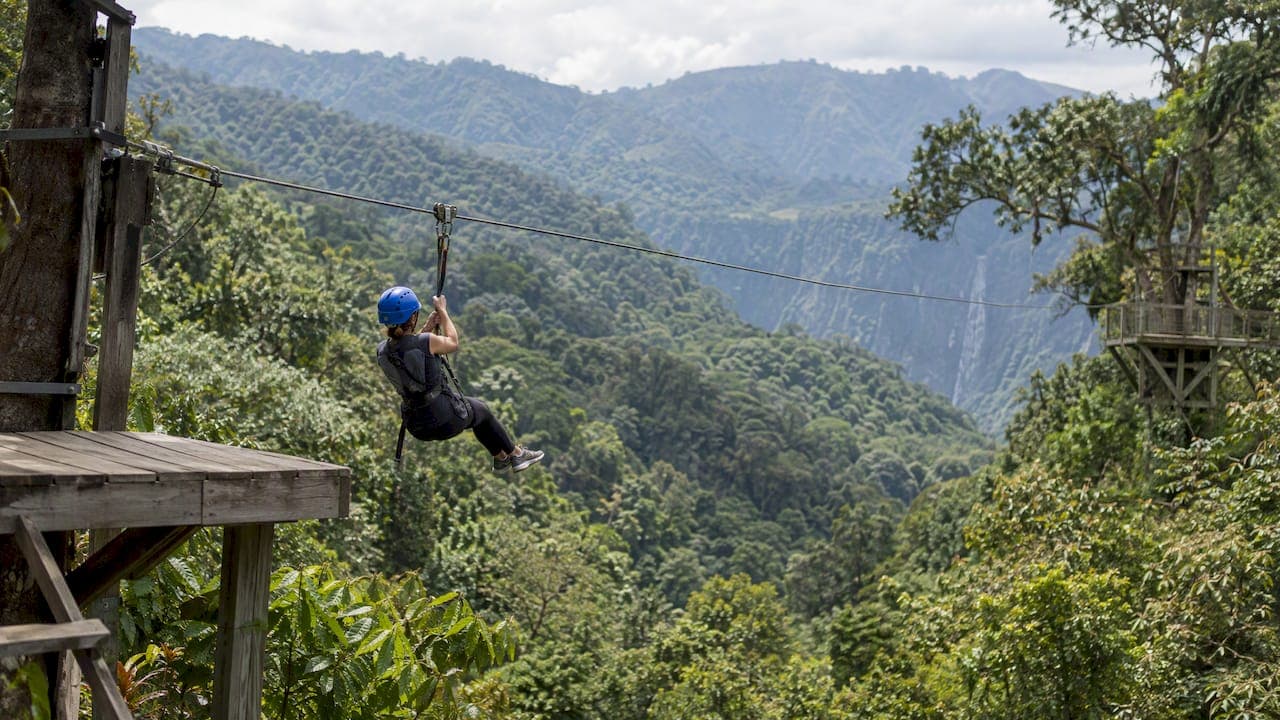
A zipline tour is a guided aerial circuit that lets you soar over a landscape while trained guides handle safety and transitions. It suits adventure travelers, families with kids above the minimum age, and thrill-seekers who want scenery with their adrenaline. The experience you get depends heavily on the operator, so choosing one with strong safety practices matters more than chasing the longest or fastest line.
TL;DR:
- Safety standards vary, so choose operators that follow recognized guidelines like ACCT to ensure equipment and staff training meet professional benchmarks.
- The most memorable zipline experiences depend on landscape matchups, with cloud forests favoring wildlife viewing and canyon or alpine courses emphasizing scale and speed.
- Weather conditions, especially wind and lightning, critically influence tour safety, making morning departures preferable and seasonal planning essential for remote locations.
- Booking options include local operators or third-party platforms; verify inspection dates, safety certifications, and recent reviews before confirming your reservation.
- Prepare physically with basic grip, balance, and stamina exercises, and dress in fitted clothing with closed-toe shoes to maximize comfort and safety during your adventure.
Table of Contents
- What to expect on a zipline tour
- Which type of zipline experience fits your trip
- Safety standards and what to check before you book
- Who should go: age, fitness, and medical considerations
- How to choose and book a zipline tour
- Pricing and how much time to set aside
- Getting your body ready before you go
- Weather and the best time of year to go
- What happens during the safety briefing
- What happens after you finish the course
- Environmental impact and responsible operators
- What to wear and bring on your tour
- What I noticed riding different types of courses
- How Im-at helps you find and book a zipline tour
- FAQ
- Sources
What to expect on a zipline tour
Most zipline tours run 1 to 3 hours and include somewhere between 3 and 12 individual lines, depending on the course design and the terrain. A typical tour moves you platform to platform: you ride one line, a guide unclips you and checks your harness, you walk or climb a short distance, then clip into the next line. Between lines, guides usually run a quick safety check and point out scenery or wildlife worth noticing.
Standard inclusions vary by operator, but most packages cover:
- Full harness, helmet, and gloves fitted before the first line
- Transport between platforms on foot, by cart, or occasionally by cable car on larger courses
- A ground-school briefing covering clipping, braking, and landing technique
- Photos or video, either included or available as a paid add-on
Some tours are built around a single long zip across a canyon or valley, which emphasizes speed and a dramatic single view. Others are multi-line canopy circuits that string together 6 to 10 shorter lines through a forest, prioritizing variety and immersion over any one spectacular drop. A number of operators also offer add-ons like rappelling, Tarzan swings, or suspension bridge crossings tacked onto the main circuit.
Braking and clipping are handled differently across operators. Some use guide-controlled braking systems where staff manage your speed remotely, which reduces rider error. Others rely on rider-operated brakes, which require more attention during the briefing. Either way, a competent guide team clips and unclips every rider at every platform, rather than letting people self-manage their harnesses.
Which type of zipline experience fits your trip
The kind of zipline experience you want should drive where you book, more than any single destination name. Cloud forest courses, common in places with dense high-altitude forest, emphasize wildlife spotting and layered green views; you move slower and guides often pause to point out birds or monkeys. Volcano-adjacent courses trade some of that stillness for dramatic sightlines over craters or lava fields, and tend to run slightly faster lines to cover more open terrain.
Alpine and canyon courses lean into scale: longer spans, bigger drops, and views over rivers or gorges that reward riders who want intensity over immersion. Urban and harbor-based zips are shorter and more convenient, built for travelers who want a quick adventure without a full-day commitment, often in a city or waterfront setting. Coastal and over-water zips add a different sensory layer, with ocean spray and horizon views instead of forest canopy.
According to travel roundups of the best zipline tours worldwide, the strongest experiences are defined by how well the course design matches the landscape, not by raw speed or line length. A cloud-forest-style canopy course built for wildlife viewing will disappoint a rider chasing high-speed drops, and the reverse is just as true.
Trade-offs worth weighing before you book:
- Scenery-and-wildlife courses move slower and have more stops, which some riders find less thrilling
- High-speed canyon or alpine lines offer less time to take in detail
- Urban and coastal zips are the most accessible but usually shorter and less immersive
Remote or high-altitude locations add logistics to plan around: longer transfer times, altitude acclimation for some travelers, and limited daily departures. Travel guides covering top global zipline destinations point to categories like cloud forest canopy tours, volcano-adjacent courses, high-speed alpine lines, and high-altitude canyon runs as the main types travelers plan trips around.
Pro Tip: Book remote or high-altitude courses for the morning, when winds are calmer and visibility tends to be better.
Safety standards and what to check before you book
The industry benchmark for challenge courses and canopy tours is maintained by the Association for Challenge Course Technology, known as ACCT. ACCT holds ANSI accreditation and sets standards covering structural engineering, equipment specifications, staff training, and inspection practices. An operator that follows ACCT-style standards, or an equivalent national body where ACCT doesn't apply, is giving you the clearest signal of professional safety practices available.
Injury risk is real but should be kept in context. A study from Nationwide Children's Hospital estimated 16,850 non-fatal zipline-related injuries treated in U.S. emergency departments between 1997 and 2012, with injury counts rising over that period as the activity grew more popular, including at backyard installations with far less oversight than commercial courses. Most incidents tie back to user error during transitions or landings rather than equipment failure, which means careful attention during the briefing is one of the most effective things you personally control.
Before booking, run through this checklist:
- Look for posted inspection dates on equipment or signage, or ask staff directly
- Confirm the course uses a secondary safety cable or equivalent backup system
- Ask how long staff training takes and whether guides are certified under a recognized standard
- Expect a thorough ground-school briefing, not a rushed five-minute rundown
- Ask what the emergency procedure is if a rider gets stuck mid-line
One widely cited estimate puts non-fatal zipline injuries treated in U.S. emergency rooms at 16,850 between 1997 and 2012, with counts rising over that period. That trend underscores why operator vetting matters more as the activity grows more common.
Red flags include staff who rush through safety instructions, visibly worn or frayed gear, and any operator unwilling to answer questions about inspection history.
Who should go: age, fitness, and medical considerations
Most operators set minimum ages between 7 and 10 and weight limits somewhere between 70 and 275 pounds, though exact figures vary enough that you should confirm them directly with the operator before booking. Fitness demands are usually modest: you need to manage some stairs, a short hike between platforms, and enough balance to stand steady on a platform while clipped in.
Medical cautions matter more than most travelers expect. Pregnancy, recent surgery, heart conditions, and significant joint or back problems are common reasons operators ask you to consult a physician first. If you're unsure, a quick call to your doctor before the trip is worth more than guessing.
Questions worth asking before you book:
- What are the exact age and weight limits for this specific course?
- Is there a maximum group size per guide?
- What adaptive options exist for riders with mobility limitations?
- Are there medical conditions that would disqualify a rider outright?
How to choose and book a zipline tour
Start with a short decision checklist: safety credentials first, then group size, then guide qualifications, then price transparency. An operator that's happy to discuss its inspection schedule and staff training is almost always a better bet than one that only talks up line length or speed.
- Confirm the operator follows ACCT or an equivalent recognized standard
- Check typical group size per guide, since smaller groups usually mean closer supervision
- Ask about guide certification and how often staff retrain
- Compare pricing across a few operators to spot outliers that might signal cut corners
- Read recent reviews and look specifically at photos of equipment condition
Booking direct with the operator often gets you more accurate local information and sometimes better pricing, but it puts the burden of vetting safety credentials entirely on you. Booking through a third-party platform can add flexibility, bundled logistics, and visible reviews, which is useful when your itinerary is tight or you're unfamiliar with the area.
Before you book anywhere, ask about inspection dates, weight and age limits, and what to wear or bring. Scan recent reviews, not just the top-rated ones, since a course's condition can change season to season.
Pro Tip: Search review photos from the last few months rather than the operator's own marketing images, since gear condition and course upkeep can shift fast.
Pricing and how much time to set aside
Short canopy tours typically run roughly $50 to $150 for 1 to 3 hours, while premium or remote courses, including multi-line circuits in harder-to-reach locations, can run $200 or more depending on inclusions like transport, meals, or photo packages. Prices vary by region and by what's bundled in, so treat these as a planning range rather than a fixed number.
Plan for more time than the course itself takes. Factor in:
- Transfer time to and from the course, which can run 30 minutes to several hours for remote locations
- Check-in, gear fitting, and the ground-school briefing, often 20 to 40 minutes before you start
- Wait times between groups at busier operators, especially during peak season
A half-day plan might look like a morning pickup, an hour of transfer, 30 minutes of briefing and gear-up, 1.5 to 2 hours on the course, and a return by early afternoon. A full-day version adds a second activity, like a hike or a meal stop, around the same core zipline block.
Getting your body ready before you go
You don't need athletic training to enjoy a zipline tour, but a little preparation makes the day smoother. Basic leg strength helps with the stairs and short hikes between platforms, and some general cardio fitness, even just regular walking in the weeks before your trip, reduces fatigue on longer multi-line courses.
Grip strength matters more than people expect, especially on courses with rider-operated braking, since you'll be holding onto harness lines and brake handles repeatedly. A few weeks of light forearm or grip exercises can help if you're not used to that kind of repetitive hand use.
Balance is the other quiet factor. Platforms can be narrow, and you'll often be standing on one while clipped in and waiting for your turn. If you have any balance concerns, practicing standing on one leg or doing basic stability exercises beforehand can help you feel steadier on the course itself.
Stretch your legs, shoulders, and back the morning of your tour, since the harness sits snug around your hips and thighs for the full session. If you know you'll be nervous, a short warm-up walk before check-in can help settle your nerves before the first line.
Weather and the best time of year to go
Weather shapes zipline tours more than most other adventure activities, since high winds, heavy rain, or lightning can shut a course down for safety reasons. Wind is the biggest factor: gusty conditions make lines sway and can delay or cancel a tour outright, particularly on exposed canyon or alpine courses.

Rain itself isn't always a dealbreaker since many courses run through light rain, but heavy storms or lightning almost always pause operations. Cloud forest and rainforest courses see rain regularly, so operators there are usually well set up to run safely in damp conditions, though visibility can drop.
Morning tours tend to have calmer winds than afternoon sessions, which is part of why many operators schedule their first departures early. Seasonal availability varies by destination: some remote or high-altitude courses only run during drier months when access roads are passable, while coastal and urban zips often operate year-round with only occasional weather closures.
Check the specific operator's seasonal calendar before booking a trip built around a remote course, since availability can be limited outside peak months.
What happens during the safety briefing
Every reputable operator runs a ground-school briefing before you touch a line, and it's worth paying close attention rather than treating it as a formality. Guides typically cover how to clip and unclip your harness, how braking works on that specific course, body position during the ride, and what to do if you come to a stop mid-line instead of reaching the platform.
Expect a hands-on component. Many operators have you practice clipping in on a low platform or short practice line before sending you up to the main course, which gives staff a chance to correct your form before it matters. You'll also get specific instructions about hand placement, since grabbing the wrong part of the line or harness is one of the more common rider mistakes.

A thorough briefing usually takes 15 to 30 minutes and should leave you clear on hand signals, what guides will shout during the ride, and what the emergency procedure looks like if something goes wrong. If a briefing feels rushed or staff seem more interested in getting you moving than making sure you understand the instructions, treat that as a warning sign about the operator overall.
What happens after you finish the course
Most zipline tours wrap up with some kind of debrief and gear return, and many operators build in options to capture the experience before you head out. Photo and video packages are common add-ons, sometimes included in the base price and sometimes sold separately; a guide or a mounted camera system captures riders mid-air on key lines, and you can usually review and purchase footage shortly after finishing.
Some operators sell printed photos or branded souvenirs like T-shirts or certificates on site, which can be a nice way to mark the experience if you're traveling with kids. If photo packages matter to you, ask about pricing and format before the tour starts, since costs and options vary widely between operators and some only offer digital downloads rather than prints.
Many courses end near a café, gift shop, or viewpoint, giving you a natural stopping point to rehydrate and decompress before moving on to the rest of your day. If you booked a half-day tour, this is often where you'll have time built in before transport back to your accommodation.
Environmental impact and responsible operators
Zipline courses are built into existing forest, canyon, or coastal terrain, and the better-run operators design platforms and lines to minimize disruption to the landscape and wildlife around them. Look for operators that talk openly about their conservation practices, whether that's limiting group sizes to reduce noise disturbance, protecting surrounding habitat, or partnering with local conservation programs.
Responsible operation extends to how a course handles waste, water use, and the footprint of transport getting riders to and from remote sites. Guidance on sustainable and responsible expedition practices highlights questions worth asking any adventure operator, including how they manage environmental impact around transport and site access, which applies just as directly to zipline operators working in sensitive forest or coastal areas.
Choosing an operator that's transparent about its environmental practices, not just its safety record, is a reasonable way to support courses that are built to last rather than ones that degrade the landscape they depend on.
What to wear and bring on your tour
Closed-toe shoes are non-negotiable at almost every operator, since sandals and flip-flops don't work with harnesses or platform footing. Athletic shoes with good grip are the safest bet. Wear fitted, comfortable clothing that won't bunch up under a harness; avoid loose scarves, long necklaces, or anything that could catch on a line or carabiner.
Tie back long hair and leave dangling jewelry at home or in a bag at the base station. Sunscreen and a hat help on exposed or coastal courses, while a light layer is worth packing for cloud forest or alpine tours where temperatures can swing between the base and higher platforms.
Bring minimal loose items, since most courses don't allow backpacks or loose bags on the lines themselves. A small zippered pocket for a phone, secured and strapped down, is usually fine, but check with your specific operator, since some ban phones entirely during the ride for safety reasons.
What I noticed riding different types of courses
Pacing varies more than speed does. A slower cloud-forest-style circuit with a guide who takes time to point out wildlife often felt more memorable than a faster canyon line rushed through to keep a schedule. Guide quality showed up fastest at the ground school: the operators who spent real time on clipping and braking instructions were consistently the ones whose staff handled transitions smoothly later on.
A few practical habits made a real difference: arriving early enough to avoid a rushed briefing, securing anything loose before the first platform, and listening closely during ground school rather than tuning out because it felt routine. Marketing claims about length or speed told me far less than watching how a guide team actually ran the course.
— Mikahil
How Im-at helps you find and book a zipline tour
Im-at is a marketplace where you can search, compare, and book zipline tours alongside guided trips, outdoor adventures, and workshops in one place. Listings come from local providers and guides, letting you check recent reviews, course details, and logistics side by side before committing, rather than piecing that information together across scattered operator websites.

It is straightforward to compare your options, but the safety homework is still on you: confirm inspection dates and certifications directly with the operator before you book. Search zipline tours and outdoor adventures on Im-at to start comparing courses near your next destination.
FAQ
Where is the best place to go ziplining?
The best location depends on what you want from the ride: cloud forest courses favor wildlife and layered views, volcano-adjacent courses favor dramatic overlooks, and alpine or canyon courses favor scale and speed. Rather than one single "best" spot, match the destination type to the experience you're after and vet the specific operator's safety record.
What are the top 5 longest ziplines in the US?
Specific ranked lists of the longest U.S. ziplines change as new courses open and existing ones get modified, so we won't state a fixed top five here. Check current listings directly with operators or recent travel guides for up-to-date line lengths before planning a trip around a specific record.
What is the fatality rate for ziplining?
A precise fatality rate isn't established in available research, but a study from Nationwide Children's Hospital estimated 16,850 non-fatal injuries treated in U.S. emergency departments between 1997 and 2012, with the trend rising over that period. Most incidents tied to user error during transitions or landings rather than catastrophic equipment failure.
Where is the best zipline in the US?
There's no single agreed-upon "best" course, since the right pick depends on whether you want speed, scenery, wildlife viewing, or convenience. Compare operators within the category that matches your priorities, such as alpine, canyon, or forest canopy, and check their safety credentials and recent reviews before booking.