
TL;DR:
- Madrid offers a rich blend of world-class museums, green parks, and vibrant neighborhoods that showcase authentic local culture. Visiting key sites like the Royal Palace, Prado, and Retiro Park early in the day enhances the experience, while timing festivals like San Isidro adds unique cultural depth. Exploring neighborhoods such as La Latina and Malasaña provides genuine Madrid flavor beyond tourist landmarks, making the city truly unforgettable.
Madrid rewards the curious traveler in ways that few European capitals can match. Whether you are spending three days or a full week, the things to do in Madrid range from standing in front of Velázquez's most iconic painting to eating fried calamari sandwiches in a centuries-old market square. This guide cuts through the noise and gives you a practical, experience-first look at what actually makes visiting Madrid worth every hour, from its world-class museums and green parks to neighborhood gems and annual festivals that most tourists never discover.
Table of Contents
- Key takeaways
- 1. Things to do in Madrid: start at the iconic cultural attractions
- 2. Parks and outdoor spaces worth your time
- 3. Neighborhoods and markets for local flavor
- 4. San Isidro and other cultural events worth planning around
- 5. Practical tips for smarter Madrid sightseeing
- My take on what tourists consistently get wrong in Madrid
- Plan your Madrid experience with Im-at
- FAQ
Key takeaways
| Point | Details |
|---|---|
| Book museum tickets early | The Prado and Royal Palace fill fast; buying tickets in advance saves hours in line. |
| Free entry hours get crowded | Free museum slots are real but short and packed. Paid visits offer more relaxed viewing. |
| Neighborhoods beat landmarks alone | La Latina and Malasaña deliver authentic Madrid flavor that no museum can replicate. |
| San Isidro is worth timing your trip | Madrid's biggest festival runs May 8 to 17, with free concerts and dancing citywide. |
| Combine royal and artistic history | Visiting the Royal Palace and Prado together gives the fullest picture of Spanish cultural heritage. |
1. Things to do in Madrid: start at the iconic cultural attractions
The three museums and palaces that define Madrid's cultural identity are not just photo stops. They are genuine experiences that reshape how you understand Spanish history and art.
The Royal Palace is the largest royal palace in Western Europe by floor area, and it still functions for official state ceremonies. Visiting hours vary by season: April through September, it opens at 10:15 and closes at 19:00. October through March it closes at 18:00. The palace shuts on January 1, May 1, October 12, and December 25, so check before you go.
The Prado Museum is the kind of place that earns its reputation. The must-see works include Velázquez's Las Meninas, Goya's Black Paintings, and Bosch's The Garden of Earthly Delights. Budget at least two to three hours, and that still only scratches the surface.
The Reina Sofía Museum handles the 20th century the way the Prado handles the old masters. Picasso's Guernica lives here, and seeing it in person is a genuinely different experience from viewing it in any book. Free entry runs Monday and Wednesday through Saturday from 19:00 to 21:00, and Sundays from 12:30 to 14:30.
- Royal Palace: Arrive at opening to beat tour groups
- Prado Museum: Focus on one or two wings per visit rather than trying to see everything
- Reina Sofía: Free Sunday afternoon slot fills fast, so arrive 15 minutes before it opens
Pro Tip: Combining the Royal Palace and Prado on the same day gives you a connected arc of Spanish royal history and art patronage that neither experience fully delivers on its own.
2. Parks and outdoor spaces worth your time
Madrid has more green space than most visitors expect from a southern European capital, and the parks here are not just places to cut through. They are destinations.
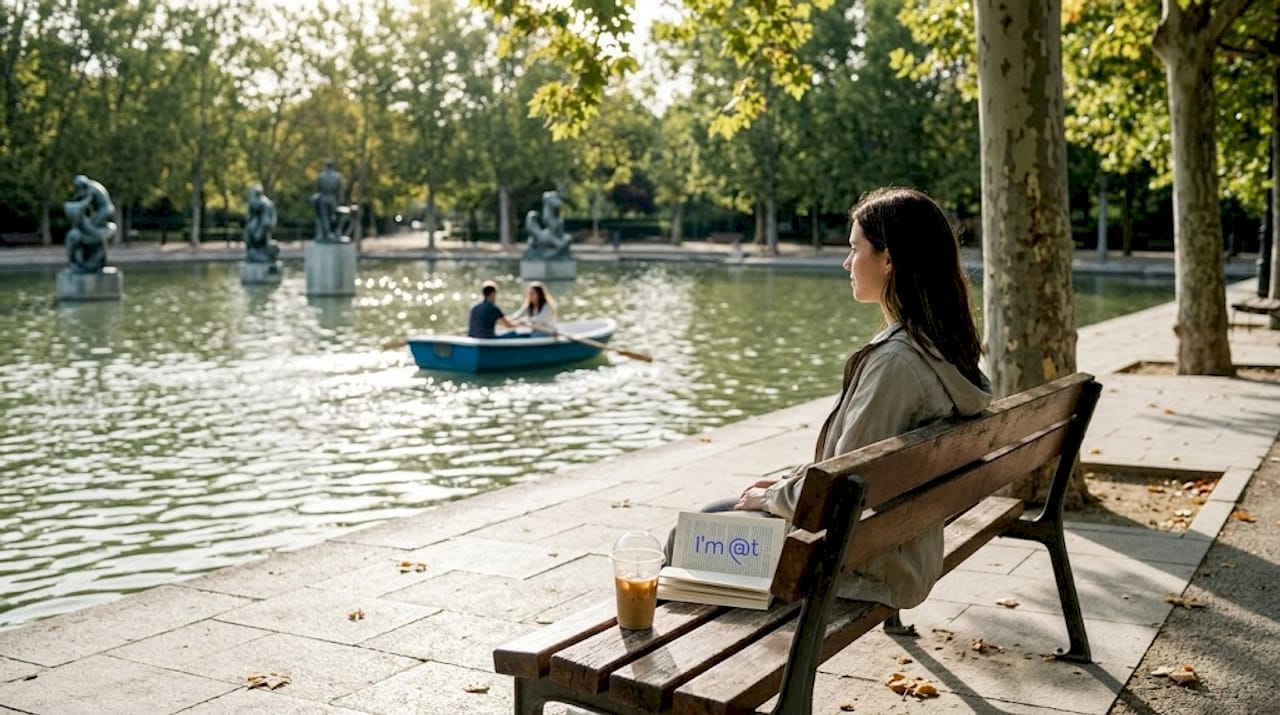
Retiro Park sits at the center of the city and offers wide paths, a rowing lake, and rotating art installations inside the Crystal Palace greenhouse. On a Sunday morning, it draws locals for everything from chess to yoga, and watching that daily ritual feels more authentically Madrid than any souvenir shop.
El Capricho Park in the northeast of the city is almost unknown to tourists. It is a formal 18th-century garden with English-style landscaping, hidden grottoes, and labyrinths of sculpted hedges. It is free, quiet on weekdays, and open only on weekends and holidays. If your visit falls on a weekend, block off a morning for it.
For city views that reward the walk:
- Templo de Debod: A real ancient Egyptian temple relocated to Madrid, with a view west over the city at sunset that is genuinely hard to beat
- Parque de las Siete Tetas: The name is blunt, but the panoramic view from the hilltop stretches across the entire eastern skyline of Madrid, and almost no tourists make the trip
3. Neighborhoods and markets for local flavor
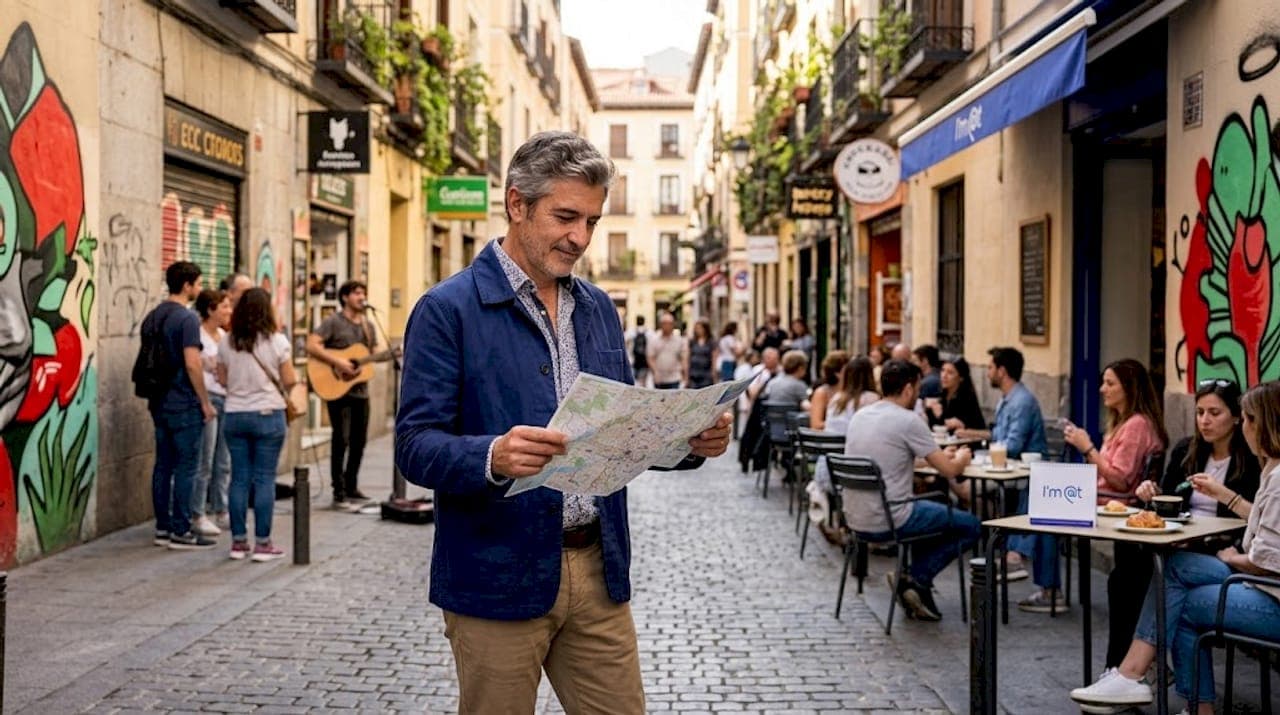
You will not fully understand Madrid until you spend time in its neighborhoods on a slow afternoon. The best activities in Madrid are often the ones you stumble into while wandering.
La Latina is the oldest surviving medieval quarter and still carries that energy. The streets around Plaza de la Paja fill with locals on weekend afternoons for tapas and vermouth. These are not tourist tapas bars charging eight euros a plate. They are narrow, standing-room spots where a small beer comes with a free bite of food. La Latina is ideal for this kind of eating and for getting genuinely lost in streets that have not changed shape since the 15th century.
Malasaña runs on a completely different frequency. It is the city's indie and vintage district, and Calle Velarde is the spine of its thrift and vintage fashion scene. You can spend a full morning moving between secondhand shops and small coffee roasters.
Gran Vía gets a bad reputation from serious travelers who dismiss it as a tourist strip, but the architecture alone justifies a walk. The Metropolis building and the original Schweppes sign are genuine landmarks, and the street gives you access to flagship stores when you need to take a break from cobblestones.
For markets:
- El Rastro: Madrid's famous Sunday flea market in La Latina runs from around 9:00 to 15:00. Get there before 10:00 for the best finds and to avoid the densest crowds
- Mercado San Antón: A three-floor covered market in Chueca with fresh produce on the ground floor and a rooftop terrace restaurant above
Pro Tip: Visit Malasaña and La Latina on weekday afternoons rather than weekends. The atmosphere is more local, the streets are calmer, and the tapas bars have actual seats.
4. San Isidro and other cultural events worth planning around
Madrid's calendar of cultural events is one of the strongest arguments for timing your trip carefully. The city transforms during its festivals in ways that are impossible to replicate on a normal visit.
The San Isidro Festival is the biggest. It runs from May 8 to 17 each year, with May 15 as the main public holiday for the Community of Madrid. The festival features nearly 30 performances across the city, with free concerts, traditional chotis dancing, and family activities at Pradera de San Isidro, Plaza Mayor, and Las Vistillas.
"San Isidro uniquely blends traditional castiza culture with contemporary music programming, making it equally interesting for visitors who love flamenco traditions and those who prefer modern Spanish artists."
Planning tips for San Isidro:
- Check the official Madrid program by April, since the full lineup drops about a month before
- Book accommodation well in advance. May 15 is a public holiday, and the city fills up fast
- Arrive at Pradera de San Isidro by mid-morning on May 15 to get a good spot before the crowds peak
- Mix your festival days with quieter neighborhood visits. The museums are often less crowded during festival week since tourists concentrate on outdoor events
Beyond San Isidro, Madrid hosts a strong season of outdoor film screenings in summer, Christmas markets around Plaza Mayor in December, and the ARCO contemporary art fair every February.
5. Practical tips for smarter Madrid sightseeing
Good Madrid travel tips are less about what to see and more about when and how.
The Prado is quietest at opening time, and arriving 30 to 45 minutes before opening puts you at the front of any queue. The Royal Palace tends to be calmer mid-morning on weekdays compared to weekend afternoons.
On the question of free versus paid entry: free entry hours are real at the Prado from Monday through Saturday 18:00 to 20:00, and Sunday and holidays from 17:00 to 19:00. But those slots are capped at two hours, lines grow fast, and the energy inside is rushed. Paying for tickets means you choose your arrival time, skip the standby line, and move through the collection at a pace that actually allows you to look.
| Strategy | Best for | Trade-off |
|---|---|---|
| Free evening entry (Prado/Reina Sofía) | Budget travelers, short visits | Crowded, time-limited to 2 hours |
| Paid morning tickets | Serious art viewers, families | Costs money but offers flexibility |
| Audio walking tour | First-time visitors, solo travelers | Covers ground efficiently with context |
| Private guided tour | Groups, deep-history enthusiasts | Higher cost, more personalized |
Madrid's metro is fast and covers the main tourist areas well. For getting between the Royal Palace, Prado, and Retiro, walking is a realistic option on a clear day. The route between the Prado and Retiro Park takes under ten minutes on foot and passes the Botanical Garden if you want to add another Madrid sightseeing spot to the walk.
Pro Tip: Group your sightseeing thematically. Pair the Royal Palace and the Almudena Cathedral in one morning, then cross the city for the Prado and Retiro Park in the afternoon. You save transit time and build a coherent story through each day.
My take on what tourists consistently get wrong in Madrid
I've looked at enough visitor reviews and itineraries to see a pattern. Most people front-load their trip with the big three museums and then run out of time for the city's best parts.
In my experience, the Royal Palace and Prado are genuinely better together, and the complementary tour framing is not just marketing. You walk through rooms where Spanish kings lived surrounded by the actual paintings the monarchy commissioned, and then you stand in front of those same paintings hours later in the Prado. The historical connection hits differently.
What I've found most underestimated is how much neighborhood time matters. Spending three hours in La Latina on a Wednesday afternoon does more for your understanding of Madrid than a second visit to the Reina Sofía. The city has a social texture that only reveals itself when you sit still long enough to notice it.
My honest take on free museum entry: skip it unless your budget truly requires it. The rushed two-hour window at the Prado during peak free hours turns a masterpiece into a crowd management exercise. Goya deserves better. So do you.
— Mikahil
Plan your Madrid experience with Im-at
Madrid's depth can make planning feel overwhelming, but it does not have to be. Im-at makes it easy to find, compare, and book the kind of experiences that turn a good trip into a great one.

Start with the audio GPS walking tour if you want to cover Madrid's top sightseeing spots at your own pace without needing a group or a fixed schedule. For food lovers, the hidden gems food tour takes small groups into the neighborhoods and kitchens that generic food guides never reach. If you want to go deeper into royal history, the Royal Route private tour connects Madrid's palaces and historic landmarks with expert commentary. All bookings take minutes through Im-at, so you spend less time planning and more time actually in the city.
FAQ
What are the best things to do in Madrid for first-timers?
First-time visitors should prioritize the Prado Museum, Royal Palace, and Retiro Park, then add at least one neighborhood walk through La Latina or Malasaña. Booking museum tickets in advance saves significant time.
When is the Prado Museum free?
The Prado offers free entry Monday through Saturday from 18:00 to 20:00 and on Sundays and holidays from 17:00 to 19:00, with a maximum visit window of two hours.
What is the San Isidro Festival in Madrid?
San Isidro is Madrid's main annual festival, running May 8 to 17, with nearly 30 free performances including traditional dancing, concerts, and family events centered around May 15, which is a public holiday.
Which Madrid neighborhood is best for local food and culture?
La Latina is the top pick for traditional tapas and medieval atmosphere, while Malasaña suits travelers who want vintage shopping alongside independent cafes and local bars.
How long do you need to visit the Prado Museum?
Plan for at least two to three hours to cover the highlights. If you want to see major works like Las Meninas and the Black Paintings without rushing, a half-day visit is the better call.