
TL;DR:
- Sintra offers a collection of UNESCO-listed palaces and castles packed into a scenic hillside town near Lisbon. Planning visits by geographic zones, booking tickets in advance, and staying at least two days enhances the experience. Guided tours and overnight stays allow visitors to explore natural attractions and historic sites with less stress and more depth.
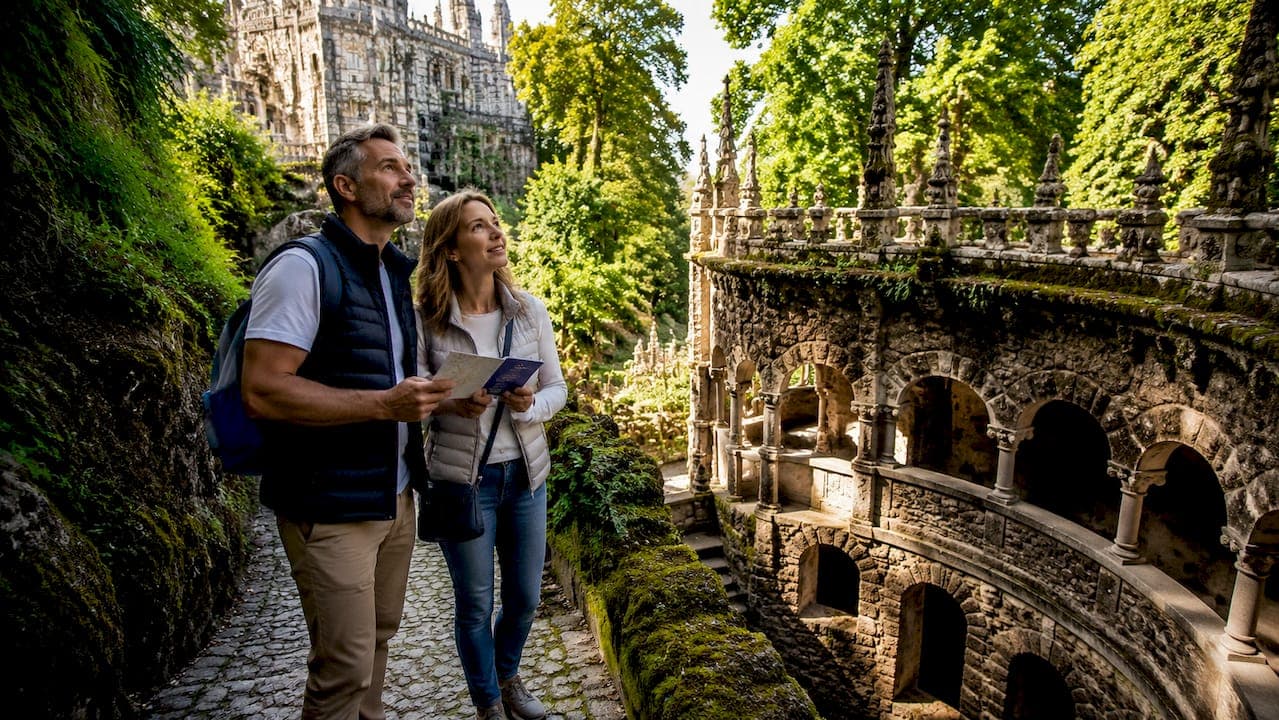
Sintra is defined as one of Europe's most concentrated collections of UNESCO-listed palaces, castles, and romantic estates within a single forested hillside town. Located 30 kilometers northwest of Lisbon, it packs Pena Palace, Quinta da Regaleira, the Moorish Castle, Monserrate Palace, and the National Palace of Sintra into a compact area that rewards both day-trippers and overnight visitors. The best things to do in Sintra span fairy-tale architecture, ancient ruins, Atlantic coastal cliffs, and shaded forest trails. This guide covers every major attraction, practical ticketing advice, and the geographic planning strategy that separates a great visit from a rushed one.
1. What are the must-visit palaces in Sintra?
Sintra's palaces are the core of any Sintra travel guide, and each one offers a genuinely different experience. Pena Palace sits on a cliff above the town and combines Romanticist towers, Moorish arches, and vivid yellow and red facades into one of Portugal's most photographed buildings. Walk-up tickets sell out by 10:00 during july and august, so pre-booking online is not optional in peak months. A park-only ticket costs roughly 50% less than the full interior ticket and still delivers the iconic exterior views most travelers come for.
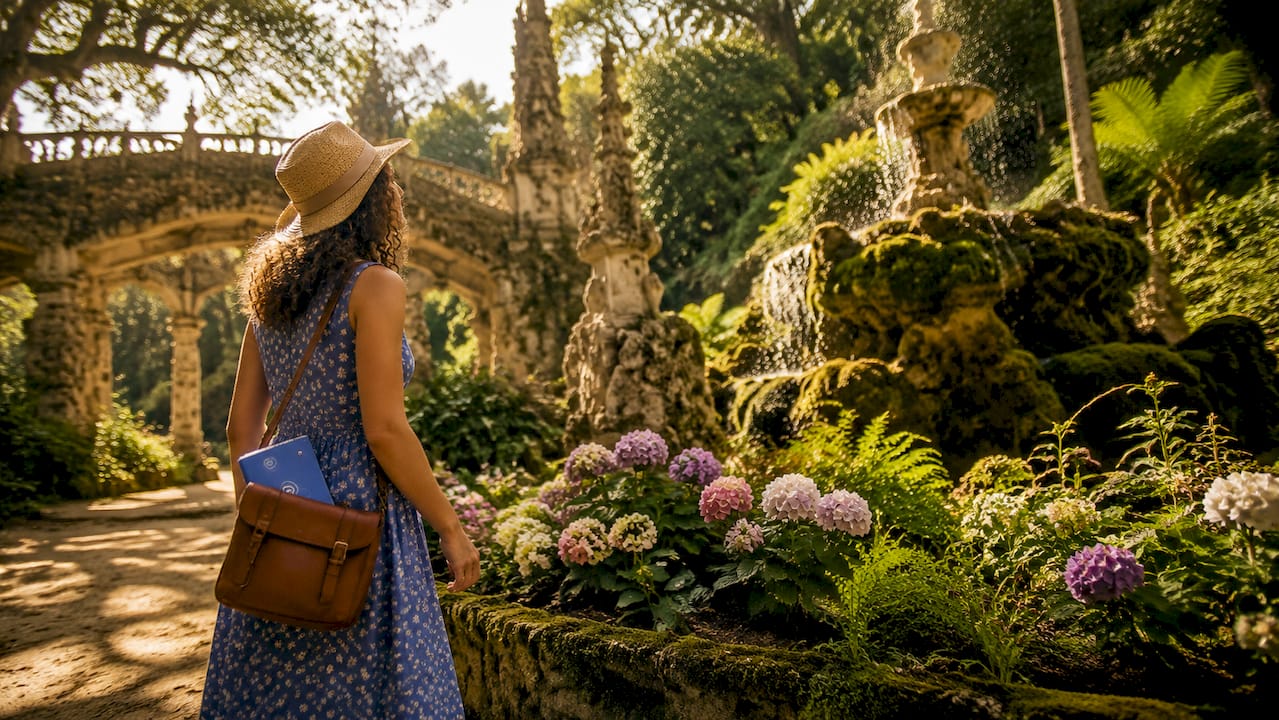
Quinta da Regaleira is the best value among Sintra's major attractions. At EUR 8 for self-entry, it costs 60% less than Pena Palace, which runs EUR 20. The estate's centerpiece is the 27-meter Initiation Well, a spiral stone staircase descending into the earth that has no equivalent anywhere else in Portugal. Budget 2–3 hours to cover the well, the gothic palace, and the garden tunnels properly.
Monserrate Palace sits farther from the town center and stays noticeably quieter even during peak summer months. Its Moorish-Gothic-Indian hybrid architecture and botanical gardens filled with exotic plants make it the most visually surprising of Sintra's palaces. Travelers who skip it in favor of a second visit to Pena consistently report regretting the choice.
The National Palace of Sintra stands in the town center and is recognizable by its two massive conical chimneys. It is the oldest surviving royal palace in Portugal and offers a grounded historical contrast to the theatrical Romanticist estates on the hill.
Pro Tip: Book Pena Palace tickets at least 48 hours in advance during june through september. If tickets are sold out, the park-only option still gives you the best exterior photos and costs half the price.
2. How to experience the Moorish Castle
The Moorish Castle is Sintra's oldest surviving structure, with granite ramparts dating to the 8th and 9th centuries. Walking the 450-meter battlements takes roughly 1.5 hours. The climb from Sintra village involves a 400-meter elevation gain over 50–70 minutes, which is demanding but manageable for most travelers in reasonable shape.
The views from the top are the reward. On a clear day you see Pena Palace, the Atlantic Ocean, and the Tagus estuary simultaneously. No other single point in Sintra delivers that combination.
The most practical approach:
- Start early, before 9:00, to beat both the heat and the crowds.
- Walk up from Sintra village rather than waiting for the 434 bus, which runs infrequently and fills quickly.
- Combine the Moorish Castle with Pena Palace in the same morning since both sit in the Pena Hill cluster.
- Wear proper footwear. The granite paths are uneven and slippery after rain.
- Allow 2.5–3 hours total for both sites before descending for lunch in the village.
Pro Tip: The Sintra Mountains Private Tour from Im-at includes tickets for both Pena Palace and the Moorish Castle, which removes the ticketing stress entirely and gets you moving faster on arrival.
3. What outdoor attractions should you explore beyond the palaces?
Sintra's natural attractions are the most underused part of any visit. The Sintra-Cascais Natural Park covers the hills and coastline surrounding the town and offers forest trails, Atlantic viewpoints, and near-total quiet once you move past the main palace cluster.
- Cabo da Roca is the westernmost point of continental Europe and sits 18 km from Sintra. Bus 140 connects Sintra to Cabo da Roca for EUR 4.35 one way. The visit takes about 30 minutes at the cliff edge, where a 1772 lighthouse marks the end of the European continent. Most day-trippers skip it entirely, which means you often have the cliffs to yourself.
- Praia da Adraga ranks among Portugal's most scenic beaches and sits a short drive west of Sintra. The beach is backed by dramatic sandstone cliffs and has no large resort development, keeping it quieter than the Cascais beaches.
- Vila Sassetti trail connects Sintra village to the Chalet of the Countess of Edla through a shaded woodland path. The trail takes about 40 minutes one way and passes stone bridges and terraced gardens that most visitors never find.
- Forest walks in the Natural Park above the palace zone offer the best chance to experience Sintra without crowds. The tree canopy stays cool even in july and august, making midday walks comfortable.
The coastal and natural zone is where staying overnight pays off most. Day-trippers leave by late afternoon, and the park trails and coastal roads become genuinely peaceful after 17:00.
4. How to plan your Sintra visit by geographic zones
Grouping Sintra's attractions into three geographic zones is the single most effective planning move you can make. Treating all sites as one undifferentiated list leads to constant backtracking and wasted time on crowded buses.
Zone breakdown:
| Zone | Key Sites | Best Transport |
|---|---|---|
| Pena Hill cluster | Pena Palace, Moorish Castle, Chalet of the Countess of Edla | Walk up from village or taxi |
| Historic village cluster | Quinta da Regaleira, National Palace, town center | Walk between sites |
| Western zone | Monserrate Palace, Cabo da Roca, Praia da Adraga | Bus or taxi |
Carriage rides are overpriced and slow, and they obstruct traffic on narrow roads. Walking 15 minutes from Quinta da Regaleira to Monserrate is faster, free, and more scenic. The 434 and 435 buses connect the main sites but fill up fast after 10:00 in summer.
For a single day, prioritize the Pena Hill cluster in the morning and the historic village cluster in the afternoon. Add the western zone on a second day or combine it with a Cabo da Roca day trip that also covers Cascais. Travelers who plan two full days consistently report a more satisfying visit than those who rush through everything in one.
Pro Tip: Arrive at Sintra train station before 9:00. The town fills quickly after 10:30, and the early window gives you the Moorish Castle and Pena Palace with far fewer people around.
5. Take a guided walking tour of the historic village
A guided walking tour of Sintra's historic village is the fastest way to understand what you are actually looking at. The architecture, the legends, and the Masonic symbolism woven into Quinta da Regaleira's design are not obvious without context. A local guide turns a pleasant walk into a genuinely memorable experience.
Im-at's Sintra walking tour covers the Romantic village, major palaces, and local legends with a knowledgeable guide on foot. Walking also solves the transport problem. You avoid the crowded 434 bus and the overpriced carriages while covering more ground than most independent travelers manage.
6. Visit Sintra's hidden gem: the Unholy Secrets tour
Sintra has a documented history of Masonic lodges, mystical orders, and aristocratic secret societies that shaped the design of its estates. The Initiation Well at Quinta da Regaleira is the most famous example, but the symbolism runs much deeper across the town.
Im-at's Unholy Secrets tour focuses specifically on this layer of Sintra's history. It covers sites and stories that standard palace tours skip entirely. For travelers with more than a passing interest in history, this tour adds a dimension to Sintra that most visitors never access.
7. Plan a half-day private tour for maximum efficiency
A private half-day tour removes every logistical friction point in a single booking. Tickets, transport between sites, and timing are handled before you arrive. Im-at's private half-day tour includes Pena Palace tickets and covers Sintra's key sights with a dedicated guide. For first-time visitors with limited time, this is the most reliable way to see the highlights without spending the morning in ticket lines.
Key takeaways
Sintra rewards travelers who plan by geographic zone, book tickets in advance, and stay at least two days to reach the coastal and natural attractions that day-trippers miss.
| Point | Details |
|---|---|
| Book Pena Palace early | Walk-up tickets sell out by 10:00 in peak months; pre-book at least 48 hours ahead. |
| Use the three-zone system | Group Pena Hill, historic village, and western zone visits to cut transit time. |
| Quinta da Regaleira offers top value | At EUR 8, it costs 60% less than Pena Palace and includes the 27-meter Initiation Well. |
| Stay overnight for the coast | Cabo da Roca and Praia da Adraga are best reached on a second day after day-trippers leave. |
| Walk instead of taking carriages | Carriage rides are slow and overpriced; walking between most sites is faster and free. |
Why Sintra surprised me more than any other stop in Portugal
I went to Sintra expecting a palace-heavy tourist circuit and left thinking it was one of the most layered destinations I had visited anywhere in southern Europe. The palaces are real, but they are almost a distraction from what makes Sintra genuinely interesting.
Monserrate Palace was the moment that shifted my thinking. I had read that it was less crowded than the main sites, but I did not expect to have the gardens almost entirely to myself on a saturday in august. The building itself is stranger and more beautiful than Pena. Most travelers walk past the turnoff without stopping.
The other thing I got wrong was treating Sintra as a day trip. The town changes completely after 17:00. The tour groups are gone, the light on the palace facades turns golden, and the forest trails above the village are quiet enough to hear birds. That version of Sintra is only available to people who stay the night. Experts consistently recommend spending more than one day in Sintra, and I now understand exactly why.
My honest advice: skip the carriage rides, book your Pena tickets the night before, and spend at least one afternoon doing nothing more structured than walking the Sintra-Cascais Natural Park. That is where the place actually reveals itself.
— Mikahil
Sintra tours worth booking before you arrive
Sintra's top attractions are genuinely better with a guide who knows the ticketing, the timing, and the stories behind what you are seeing.

Im-at offers tailor-made 4x4 tours that cover Sintra's palaces, natural park, and coastal zones in a single customized itinerary. These tours work especially well for travelers with limited mobility, families with young children, or anyone who wants to reach Cabo da Roca and the western zone without relying on infrequent buses. Tours can be built around your interests and schedule, and tickets for major sites are handled in advance. Booking before you arrive means you skip the morning ticket lines and spend that time actually inside the attractions. You can also find unique Sintra tours from Lisbon that approach the destination from a completely different angle.
FAQ
How many days do you need in Sintra?
Two days gives you enough time to cover the main palaces, the Moorish Castle, and the coastal attractions at a comfortable pace. One day is possible but forces you to skip either the western zone or the natural park.
When is the best time to visit Sintra?
Arriving before 9:00 in any season gives you the palaces with far fewer crowds. September and october offer good weather with noticeably lower visitor numbers than july and august.
Is Quinta da Regaleira worth visiting?
Quinta da Regaleira is one of the best-value attractions in Sintra. At EUR 8 for self-entry, it includes the 27-meter Initiation Well and extensive gardens, and it costs significantly less than Pena Palace.
How do you get from Sintra to Cabo da Roca?
Bus 140 runs from Sintra to Cabo da Roca for EUR 4.35 one way and takes about 35 minutes. The visit itself takes around 30 minutes at the cliff edge before returning or continuing to Cascais.
Are guided tours worth it in Sintra?
Guided tours remove ticketing stress, provide historical context, and help you cover more ground efficiently. For first-time visitors, a private guided tour is the most reliable way to see the key attractions without logistical delays.