
TL;DR:
- Portugal offers a rich blend of historic cities, scenic coastlines, and unique cultural traditions perfect for diverse travel experiences. Visitors should explore Lisbon's Alfama, Porto’s wine cellars, and hidden natural wonders like the Azores' volcanic landscapes to truly appreciate its diversity. Engaging with local communities and taking slow, intentional activities yield the most authentic and memorable moments in Portugal.
Portugal is one of Europe's most rewarding destinations, offering travelers a rare mix of historic cities, wild coastlines, and living cultural traditions that few countries can match. The best things to do in Portugal span Fado music halls in Lisbon, sea caves along the Algarve, volcanic thermal baths in the Azores, and centuries-old wine cellars in Porto. Whether you have five days or three weeks, this guide covers the top attractions in Portugal worth your time, your money, and your full attention.
1. What are the must-see cultural and historic activities in Portugal?
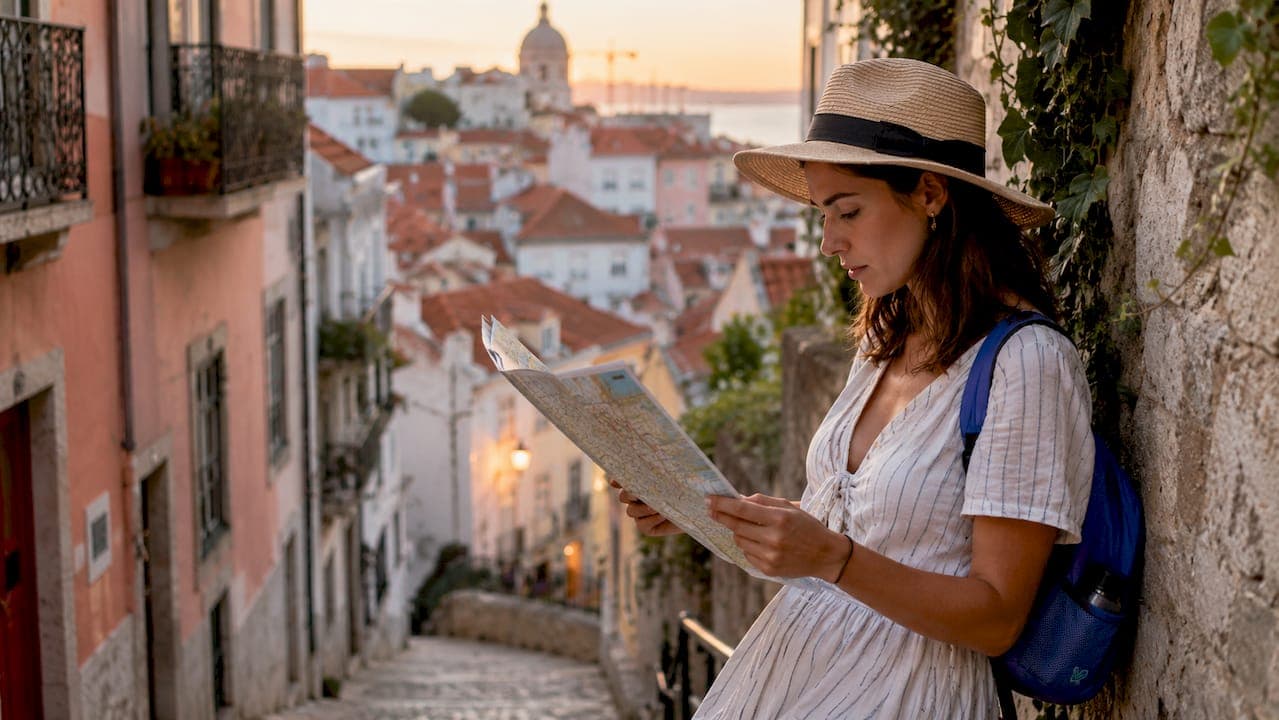
Portugal's cultural identity runs deep, and the best way to understand it is to move slowly through its cities and neighborhoods. Lisbon rewards walkers. The Alfama district, with its narrow streets and tiled facades, is where Fado music was born. A live Fado performance in a small Alfama venue is not a tourist show. It is a genuine art form rooted in longing and community. Pair that with a Lisbon culture and food tour through local markets like Mercado da Ribeira, and you get a full picture of the city's character.
Porto deserves equal time. The city's port wine cellars in Vila Nova de Gaia sit directly across the Douro River from the historic center, and most offer guided tastings for under $20. The Douro UNESCO Heritage Site extends east from Porto into terraced vineyards that have been cultivated for over 2,000 years. A Porto e-bike tour covering the city's hills with a local guide and a food stop gives you context that no guidebook provides.
Beyond Lisbon and Porto, the historic towns of Évora and Coimbra hold their own. Évora's Roman temple and bone chapel sit within a medieval walled city that still functions as a living community. Coimbra is home to one of Europe's oldest universities, founded in 1290, and its library, the Biblioteca Joanina, is among the most ornate in the world.
- Alfama, Lisbon: Fado music, tiled buildings, and the São Jorge Castle
- Vila Nova de Gaia, Porto: Port wine cellars with river views
- Évora: Roman ruins, the Chapel of Bones, and a UNESCO-listed old town
- Coimbra: University campus, Biblioteca Joanina, and the Santa Cruz Monastery
Pro Tip: Book Fado performances in advance for friday and saturday nights in Alfama. Seats fill fast, and the smaller venues with 20–30 guests deliver a far more personal experience than the larger tourist restaurants.
2. Which outdoor adventures and nature experiences stand out?
Portugal's outdoor offerings are genuinely world-class, and they are spread across a country small enough to sample several in one trip. The Algarve's Benagil Caves are the most photographed sea caves in Europe, and for good reason. Boat tours to Benagil cost between $23 and $47 per person depending on the boat type and duration. That price gap matters. Small 12-seat speedboats can enter the cave itself, while larger catamarans anchor outside and send passengers in via tenders, which limits the experience depending on tides. Book the smaller boat.
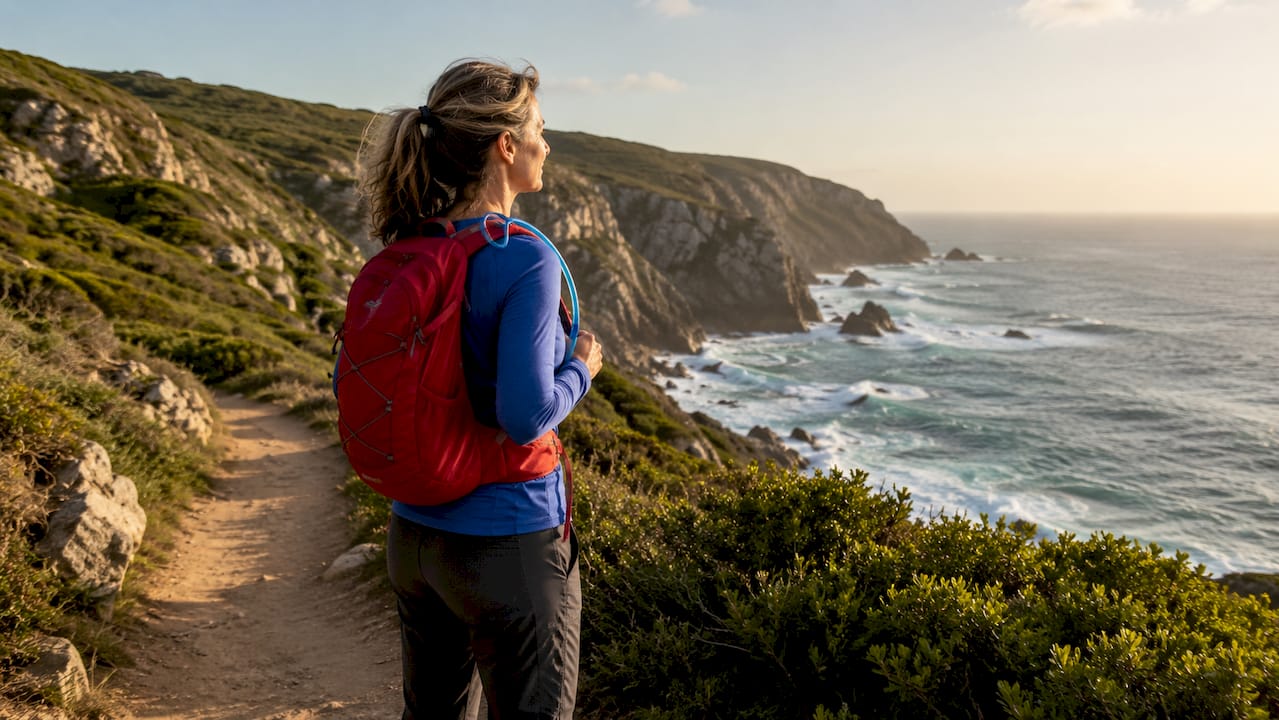
The Ria Formosa natural park, east of Faro, offers a completely different coastal experience. Guided 5-hour boat tours stopping at Culatra and Ilha do Farol cost around $58 per person. These islands are home to fishing communities that have lived off the lagoon for generations. You are not visiting a resort. You are visiting a working coastal culture.
Inland, the Arouca Geopark in northern Portugal contains the world's longest pedestrian suspension bridge at 516 meters. Serra da Estrela, Portugal's highest mountain range, offers hiking in summer and snow activities in winter. Surfers head to Nazaré, where the world's largest recorded waves break each winter, and to Ericeira, Europe's only World Surfing Reserve.
The Azores and Madeira deserve a separate trip entirely. The Azores offer whale watching, volcanic crater lakes, and geothermal parks. Madeira's levada walks, which follow centuries-old irrigation channels through laurel forests, are unlike anything on the European mainland.
Pro Tip: For the Azores, fly into São Miguel and base yourself in Ponta Delgada. Day trips to Sete Cidades crater lake and Furnas geothermal park cover the island's highlights without rushing.
3. What is the Furnas geothermal park experience like?
Furnas, on São Miguel Island in the Azores, is one of Portugal's most unusual natural attractions. Visitors should expect a strong sulfury smell but will find that warm natural thermal baths make the experience deeply relaxing once you are in the water. The smell fades quickly. The park also features bubbling mud pools, steaming fumaroles, and a lake where locals slow-cook a traditional stew called cozido underground using geothermal heat. That stew, served at a restaurant on the lake's edge, is one of the most memorable meals you can have in Portugal.
4. What are some hidden gems and offbeat activities in Portugal?
The most memorable Portugal travel experiences often come from the places most visitors skip. Rua das Flores in Porto is known for its flower shops, but the street also features oversized ceramic sculptures integrated into building facades. They are easy to miss if you are moving fast. Slow down and look up.
- Lava tubes in the Azores: Algar do Carvão on Terceira Island is a volcanic chimney you can descend into. The interior walls are covered in stalactites formed from lava, not limestone.
- Bone chapels: The Chapel of Bones in Évora and the Chapel of Bones in Faro both use human remains as architectural decoration. They are sobering, historically significant, and genuinely unlike anything in Western Europe.
- Castelo dos Mouros, Sintra: Most visitors go to Pena Palace. The Moorish castle above it, built in the 8th century, offers better views and far fewer crowds.
- Artisanal workshops in Barcelos: This northern town is the home of the Rooster of Barcelos, Portugal's national symbol. Local potters still hand-paint the ceramic roosters using traditional methods. Watching the process is free and takes about 20 minutes.
- Dolphin tours in Setúbal: The Setúbal Peninsula, south of Lisbon, offers responsible dolphin tours in waters where bottlenose dolphins are resident year-round. These are not staged encounters. The dolphins approach the boats on their own terms.
The Festa dos Tabuleiros in Tomar is the single most spectacular cultural event in Portugal that most travelers have never heard of. Over 700 women carry 16kg bread-and-flower crowns along a 5km parade route in a festival held every four years. The next event is scheduled for July 2027. If your travel dates align, rearrange your itinerary to be there.
5. How to plan your Portugal itinerary for maximum variety
Portugal's geographic compactness is its greatest practical advantage for travelers. Diverse experiences, from vineyards to historic cities, can be accessed within a single day of travel. Lisbon to Porto by high-speed train takes under three hours. Porto to the Douro Valley by car takes 90 minutes. The Algarve is a two-hour drive from Lisbon. You can realistically cover four distinct regions in a 10-day trip without feeling rushed.
The best time to visit Portugal is spring (march through may) and fall (september through november). Spring brings garden blooms and mild temperatures. Fall offers comfortable heat without the summer crowds that pack Lisbon and the Algarve in july and august.
- Days 1–3: Lisbon. Alfama, Belém Tower, Mercado da Ribeira, and a day trip to Sintra.
- Days 4–5: Évora or the Alentejo wine region.
- Days 6–8: Porto and the Douro Valley. Port wine tastings, e-bike tour, and a wine trip along the river.
- Days 9–10: Algarve. Benagil Caves, Ria Formosa, and Lagos old town.
Pro Tip: Use the Alfa Pendular train between Lisbon and Porto rather than renting a car for that leg. The train drops you in central Porto, and the Douro Valley is easy to reach by rental car from there for a single day trip.
For a structured itinerary with local hospitality recommendations, the 6-day Lisbon itinerary from DestList pairs well with the regional framework above.
Key takeaways
Portugal's best travel experiences combine iconic cultural sites in Lisbon and Porto with outdoor adventures and offbeat local traditions that most visitors never find.
| Point | Details |
|---|---|
| Cultural depth in cities | Lisbon's Alfama and Porto's wine cellars reward slow, intentional exploration over rushed sightseeing. |
| Outdoor variety | From Benagil Caves to Arouca Geopark, Portugal's natural attractions span coast, mountain, and volcanic island. |
| Hidden gems exist | The Festa dos Tabuleiros, bone chapels, and Azores lava tubes offer experiences unavailable anywhere else in Europe. |
| Timing matters | Spring and fall deliver the best weather and thinner crowds across all regions. |
| Small country, big range | Portugal's compact geography lets you cover vineyards, coastline, and historic cities in a single 10-day trip. |
Why Portugal keeps pulling me back
I have traveled to Portugal four times, and each trip has taught me the same lesson I somehow forget between visits: the best moments come from slowing down. On my first trip, I rushed through Lisbon in two days, checked off the Belém Tower, and moved on. On my third trip, I spent an entire afternoon in a single Alfama street, watching a ceramics restorer work on a damaged azulejo tile panel. That afternoon told me more about Portuguese culture than any museum had.
The outdoor side of Portugal surprised me most. I expected beaches. I did not expect the Arouca suspension bridge to feel genuinely terrifying at 175 meters above a river gorge, or for the Ria Formosa islands to feel so completely removed from the tourist circuit. Those islands have no hotels. The residents fish, repair nets, and cook lunch. You eat what they caught that morning.
My honest recommendation: do not treat Portugal as a checklist. The country rewards travelers who engage with it rather than photograph it. Join a local food tour in Lisbon. Take the slower boat through Ria Formosa rather than the speed option. Spend a morning in an artisanal workshop in Barcelos. The activities that cost the least time and money are often the ones you remember longest.
— Mikahil
Discover Portugal's best experiences with Im-at
Portugal has more to offer than any single itinerary can cover. Im-at makes it straightforward to find and book the experiences that match your travel style, whether that means a cultural food tour through Lisbon's neighborhoods or a full-day off-road adventure through the country's natural parks.
Im-at's tailor-made 4x4 tours take you through terrain that buses and rental cars cannot reach, combining coastal scenery with inland nature in a single day. For travelers who want to cover more ground without the planning overhead, Im-at's curated activity pages let you browse, compare, and book in minutes. Portugal's best spots are waiting. The only question is where you want to start.
FAQ
What are the top things to do in Portugal for first-time visitors?
First-time visitors should prioritize Lisbon's Alfama district, a Benagil Cave boat tour in the Algarve, and a port wine tasting in Porto's Vila Nova de Gaia. These three experiences cover Portugal's cultural, coastal, and culinary highlights efficiently.
When is the best time to visit Portugal?
Spring (march through may) and fall (september through november) offer the best combination of pleasant weather and manageable crowds. Summer is peak season in the Algarve and Lisbon, with higher prices and longer lines at major attractions.
How do I get the best experience at Benagil Caves?
Book a small speedboat tour rather than a large catamaran. Small boats with 12 seats can enter the cave directly, while larger vessels anchor outside and use tenders, which limits access depending on tide conditions.
What is the Festa dos Tabuleiros festival?
The Festa dos Tabuleiros is a cultural festival held every four years in Tomar, where over 700 women carry 16kg bread-and-flower crowns along a 5km parade route. The next event is scheduled for July 2027.
Are the Azores worth adding to a Portugal trip?
Yes, especially for travelers interested in outdoor adventures. The Azores offer geothermal parks, volcanic lava tubes, whale watching, and crater lakes that are completely unlike anything on the Portuguese mainland.