
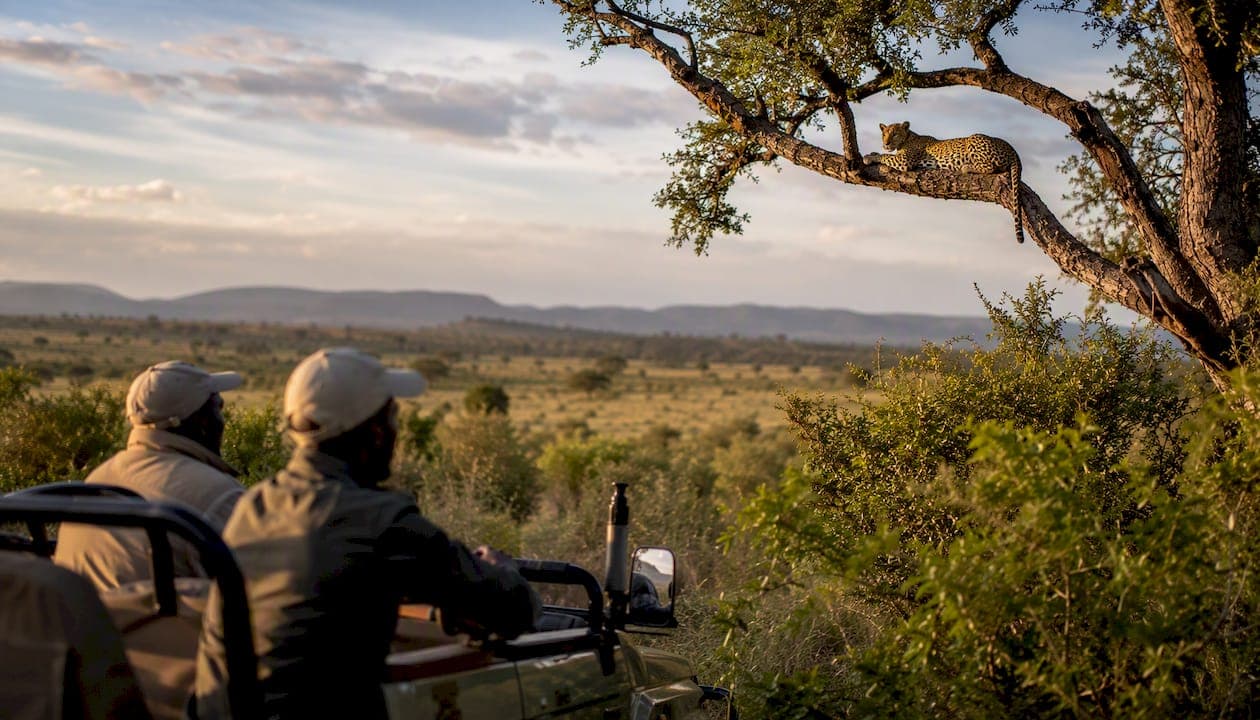
South Africa's best safaris break down cleanly by what you actually want. For a first-time Big Five experience, Kruger National Park and the adjacent Sabi Sands Game Reserve are the default choice. Families avoiding malaria should head straight to Madikwe Game Reserve or the Eastern Cape reserves around Addo Elephant National Park. Serious leopard and photography seekers belong in Sabi Sands, where properties like Mala Mala, Londolozi, and Singita deliver some of the most reliable big-cat sightings on the continent. If you want wilderness drama without another soul in sight, Kgalagadi Transfrontier Park and Tswalu Kalahari are in a category of their own. For a bush-plus-city trip, the Eastern Cape or Kwandwe/Great Fish River Lodge pairs perfectly with the Garden Route, while Sanbona Wildlife Reserve sits just 3.5 hours from Cape Town for a quick malaria-free Big Five fix.
Quick picks by traveler priority:
- First-time Big Five: Kruger National Park or Sabi Sands (Greater Kruger) for predator density and variety
- Malaria-free family safari: Madikwe Game Reserve or Addo Elephant National Park (Eastern Cape)
- Leopard and photography: Sabi Sands, specifically Mala Mala, Londolozi, or Singita
- Luxury exclusivity: Singita, Royal Malewane, Cheetah Plains, or Tswalu Kalahari
- Bush + city + Winelands combo: Eastern Cape / Kwandwe paired with the Garden Route, or Sanbona near Cape Town
- Budget or day trip from Cape Town: Aquila-style Big Five safari day trips within two hours of the city
Compare available packages and check transfer options on Im-at before you commit to dates.
Key Takeaways
South Africa's best safaris match traveler priority to region: Sabi Sands leads for leopard sightings, Madikwe and the Eastern Cape are the top malaria-free choices, and Kruger remains the most accessible Big Five destination overall.
| Point | Details |
|---|---|
| Match region to priority | Sabi Sands for leopard, Madikwe or Eastern Cape for malaria-free families, Kruger for first-timers. |
| Private reserves add value | Off-road access and walking safaris at private reserves consistently improve sighting quality over national park drives. |
| Malaria status is decisive | Madikwe, Addo/Eastern Cape, Sanbona, and Kgalagadi are malaria-free, a critical filter for families and older travelers. |
| Dry season wins for sightings | May through September concentrates wildlife at water sources and strips vegetation, making predators easier to spot. |
| Im-at simplifies booking | Compare day trips, overnight packages, and multi-day safaris including Madikwe and Aquila options on Im-at. |
Table of Contents
- What are the best safari regions in South Africa?
- Which lodges and camps stand out?
- What types of safari experiences can you choose from?
- How do you choose the right safari?
- When is the best time to go on a South African safari?
- How long should you go, and what does it cost?
- How we selected these regions and lodges
- What I'd actually pick for each traveler type
- Im-at makes it easier to compare and book South African safaris
- Sources
What are the best safari regions in South Africa?
South Africa packs more distinct safari ecosystems into one country than almost anywhere else in Africa. The region you pick determines everything: malaria exposure, wildlife density, exclusivity, and how you get there.
Kruger and Greater Kruger (including Sabi Sands)
Kruger is the benchmark. At nearly two million hectares, it holds all of the Big Five at high density, with a road network that makes self-drive feasible and official SANParks camps ranging from budget restcamps to upmarket bush lodges. The real upgrade happens in the private reserves sharing Kruger's western boundary: Sabi Sands, Timbavati, and Klaserie. These reserves have no fences between them and the national park, so animals move freely. According to CN Traveller, private reserves here permit off-road driving and guided walking safaris that the national park itself does not allow, which is why sighting quality in Sabi Sands is consistently higher. Malaria is present in this region; prophylaxis is standard.
Best for: Predator density, leopard sightings, first-timers, photographers Access: Fly into Hoedspruit (HDS) or Skukuza (SZK); self-drive from Johannesburg is about five hours Best months: May through September (dry season)
Madikwe Game Reserve
Madikwe sits in the North West Province near the Botswana border and is one of the largest malaria-free Big Five reserves in South Africa. That single fact drives a huge share of its bookings. It's not as vast as Kruger, but the wildlife density is strong, wild dog sightings are among the best in the country, and the lodges tend toward the boutique end. A 4-night luxury safari in Madikwe and Pilanesberg is one of the most popular multi-day packages for families.
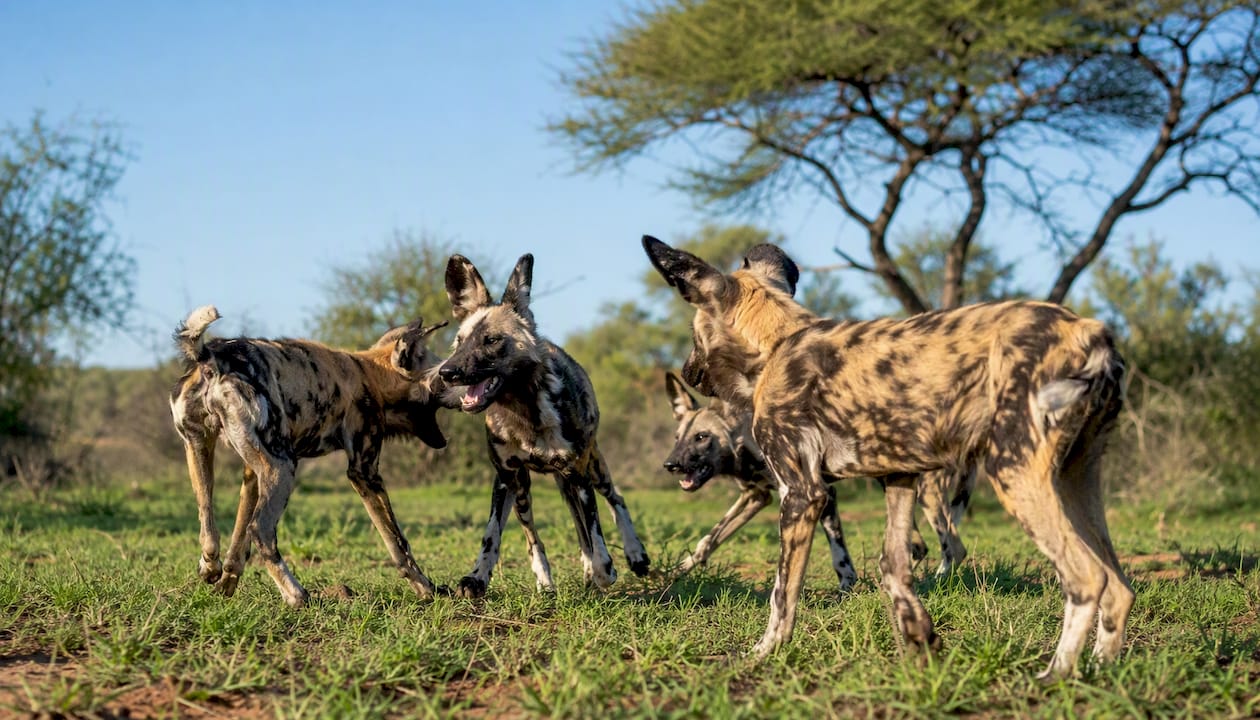
Best for: Malaria-free families, wild dog sightings, couples Access: Fly-in from Johannesburg (about 1.5 hours by road from Sun City); charter flights available Best months: May through October
Eastern Cape and Addo Elephant National Park
The Eastern Cape is South Africa's most underrated safari region. SANParks' Addo Elephant National Park is malaria-free, holds the densest elephant population in Africa, and is close enough to Port Elizabeth (Gqeberha) to combine with a Garden Route road trip. Private reserves like Kwandwe and Great Fish River Lodge push the experience further into luxury territory. The landscape is different from Kruger: dense thicket, dramatic river valleys, and a coastal feel that no other Big Five region matches.
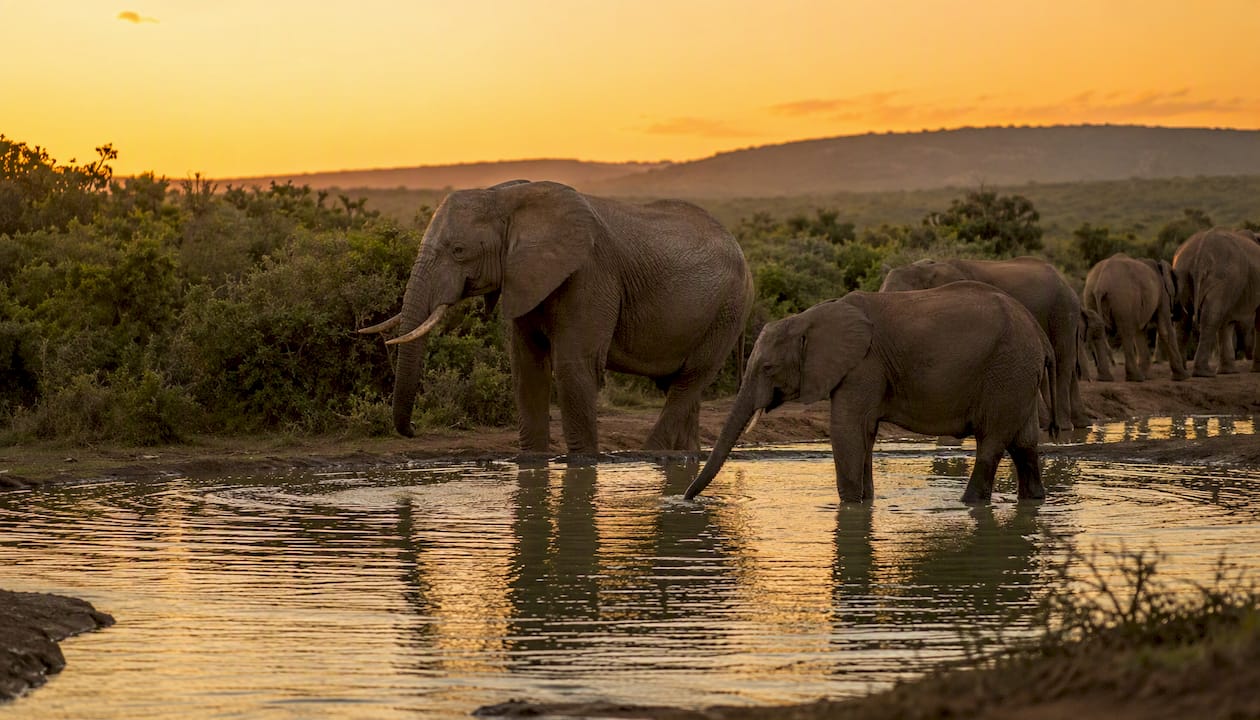
Best for: Malaria-free families, elephant enthusiasts, bush-plus-beach combos Access: Fly into Gqeberha (PLZ); self-drive from Cape Town is about seven hours Best months: Year-round; March through May for fewer crowds
Kgalagadi Transfrontier Park
Kgalagadi is for travelers who want raw wilderness. The red dunes, open semi-arid plains, and enormous skies create a visual experience unlike any other South African park. Lion, cheetah, and black-maned Kalahari lion are the signature sightings. SANParks manages accommodation from basic campsites to wilderness camps, and the park extends across the Botswana border. It is remote, the distances are long, and that is exactly the point. Malaria risk is low to negligible.
Best for: Wilderness seekers, predator photography, off-the-beaten-path travelers Access: Self-drive from Upington (about 3.5 hours); fly into Upington (UTN) Best months: May through August for predator activity; June and July for cold, clear skies
Tswalu Kalahari and Kwandwe / Great Fish River Lodge
Tswalu is South Africa's largest private game reserve and operates on a near-exclusive basis. Sightings of aardvark, pangolin, and black-maned lion are genuinely rare elsewhere. It is ultra-luxury by design and priced accordingly. Kwandwe and Great Fish River Lodge in the Eastern Cape offer a similar exclusivity model but in a malaria-free, thicket-and-river setting that suits travelers combining a safari with Cape Town or the Garden Route.
Best for: Ultra-luxury exclusivity, rare species, serious wildlife photographers Access: Fly-in from Johannesburg (Tswalu); fly into Gqeberha (Kwandwe) Best months: April through September
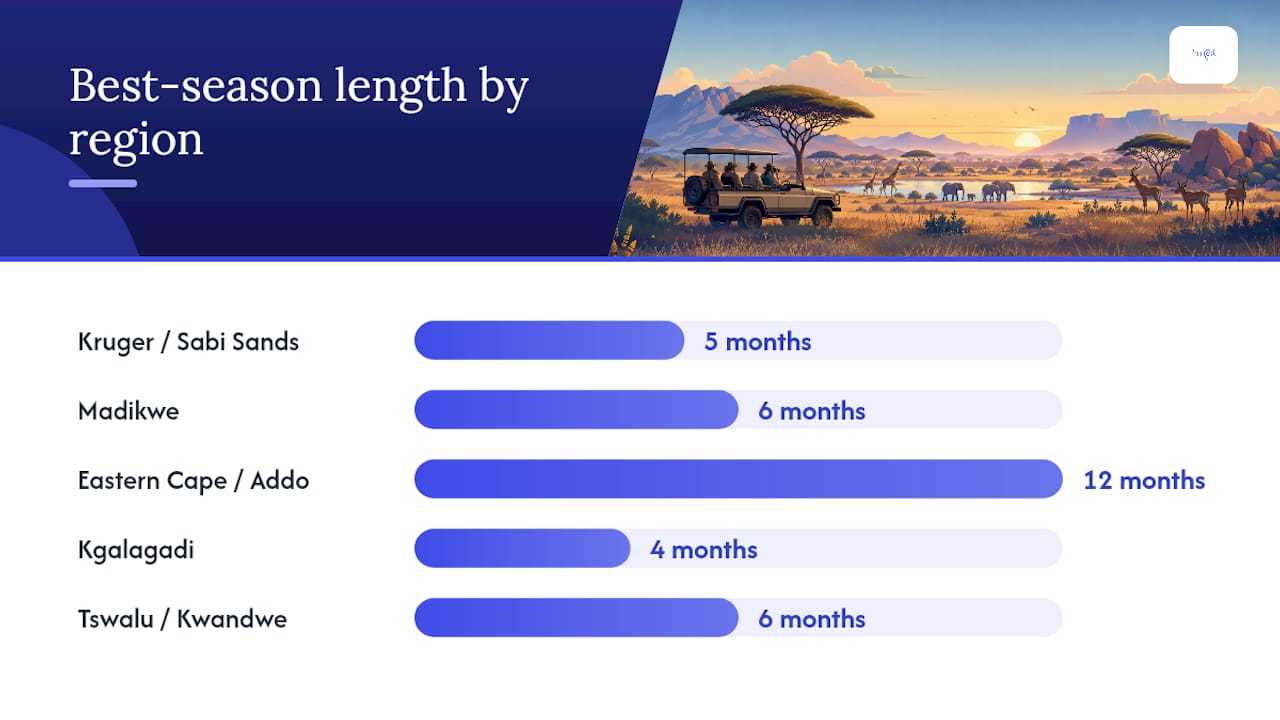
Regional comparison at a glance:
| Region | Best for | Malaria status | Typical price band | Access | Unique experiences | Best months |
|---|---|---|---|---|---|---|
| Kruger / Sabi Sands | Big Five density, leopard | Malaria present | Mid to ultra-luxury | Fly-in (HDS/SZK) or self-drive | Off-road drives, walking safaris, night drives | May–September |
| Madikwe | Malaria-free families, wild dog | Malaria-free | Mid to luxury | Fly-in or road from JHB | Night drives, wild dog tracking | May–October |
| Eastern Cape / Addo | Elephants, malaria-free, beach combo | Malaria-free | Mid to luxury | Fly into Gqeberha | Walking safaris, coastal proximity | Year-round |
| Kgalagadi | Wilderness, predators, landscapes | Low/negligible | Budget to mid | Self-drive from Upington | Wilderness camps, open plains drives | May–August |
| Tswalu / Kwandwe | Ultra-exclusivity, rare species | Malaria-free | Ultra-luxury | Fly-in | Pangolin tracking, private guiding | April–September |
Pro Tip: Private reserves sharing unfenced boundaries with national parks, like Sabi Sands adjacent to Kruger, allow off-road driving and walking safaris that national park rules prohibit. If leopard sightings and intimate wildlife encounters are your priority, the premium for a private reserve is almost always worth it.
Which lodges and camps stand out?
Mala Mala Game Reserve
Mala Mala sits on the largest private Big Five reserve in South Africa, sharing a 19-kilometer unfenced boundary with Kruger. It has a long-standing reputation for leopard sightings, and Panthera recognizes Sabi Sands as one of the world's most reliable locations for close leopard encounters. Three camps (Main Camp, Rattray's, and Sable Camp) cover different price points from luxury to ultra-luxury. Access is via Skukuza or Hoedspruit airports. Malaria present; prophylaxis required.
Londolozi Game Reserve
Londolozi pioneered the model of combining conservation with luxury hospitality and has been doing it since the 1970s. Five camps range from the family-friendly Tree Camp to the ultra-exclusive Varty Camp. The reserve's leopard-habituation program is one of the oldest in the Sabi Sands, which is why sightings here are so consistent. Fly into Skukuza or Hoedspruit. Malaria present.
Singita (Sabi Sands and Kruger)
Singita operates multiple lodges across Sabi Sands and Kruger, including Ebony, Boulders, and Lebombo. The brand is known for design-forward lodges, strong conservation programs, and a guide quality that is hard to match. CN Traveller highlights Singita as a benchmark for eco-conscious luxury, with solar power and low-emission vehicles increasingly part of the operation. Ultra-luxury price band. Malaria present.
Royal Malewane
Royal Malewane sits in the Thornybush Game Reserve, adjacent to Kruger. It is small, intensely private, and consistently rated among the top safari lodges in Africa. The guiding team holds some of the highest tracker and field-guide certifications in the country. Fly into Hoedspruit. Malaria present; ultra-luxury.
Cheetah Plains
Cheetah Plains is a newer entrant in the Sabi Sands, operating on an exclusive-use model: you book the entire lodge, not just a room. That means private game drives on your schedule, no shared vehicles, and a completely tailored experience. It suits groups and families who want total privacy. Fly into Skukuza or Hoedspruit. Malaria present; ultra-luxury.
Kwandwe / Great Fish River Lodge (Eastern Cape)
Kwandwe Private Game Reserve and Great Fish River Lodge offer Big Five safaris in the Eastern Cape's malaria-free thicket. The landscape is dramatically different from Kruger: dense riverine bush, open grasslands, and the Great Fish River cutting through the reserve. It pairs naturally with a Garden Route road trip or a Cape Town extension. Fly into Gqeberha. Malaria-free; luxury price band.
Madikwe lodges
Madikwe has no single dominant lodge brand, but properties like Jaci's Lodges and Morukuru Family are well-regarded for family-friendly, malaria-free safaris with strong wild dog sighting records. Road transfer from Johannesburg takes about four hours, or charter flights are available. Mid to luxury price band.
Sanbona Wildlife Reserve
Sanbona is the closest Big Five option to Cape Town, sitting about 3.5 hours east of the city in the Karoo. It is malaria-free, privately owned, and covers a large enough area to feel genuinely wild. Three lodges (Tilney Manor, Gondwana, and Dwyka Tented Lodge) cover mid to luxury price points. It is the go-to recommendation for travelers who want a Big Five experience without flying.
| Lodge / Reserve | Best for | Malaria status | Price band | Nearest access |
|---|---|---|---|---|
| Mala Mala | Leopard, Big Five density | Present | Luxury–ultra-luxury | Skukuza / Hoedspruit |
| Londolozi | Leopard, conservation legacy | Present | Luxury–ultra-luxury | Skukuza / Hoedspruit |
| Singita | Eco-luxury, photography | Present | Ultra-luxury | Skukuza / Hoedspruit |
| Royal Malewane | Exclusivity, guide quality | Present | Ultra-luxury | Hoedspruit |
| Cheetah Plains | Private groups, total exclusivity | Present | Ultra-luxury | Skukuza / Hoedspruit |
| Kwandwe / Great Fish River | Malaria-free, Eastern Cape | Malaria-free | Luxury | Gqeberha |
| Madikwe lodges | Malaria-free families, wild dog | Malaria-free | Mid–luxury | Road from JHB / charter |
| Sanbona | Cape Town proximity, malaria-free | Malaria-free | Mid–luxury | Self-drive from Cape Town |
What types of safari experiences can you choose from?
South Africa offers more safari formats than most destinations, and the format you choose shapes the entire trip.
Game drives are the standard. Twice-daily drives in an open 4x4 vehicle, guided by a ranger and tracker, cover the most ground and suit almost every traveler. Morning drives start before sunrise; evening drives run into darkness with a spotlight. Most lodge packages include two drives per day.
Walking safaris put you on the ground with a professional armed guide. The pace is slower, the awareness is sharper, and the experience of tracking an animal on foot is genuinely different from a vehicle encounter. Walking safaris are offered at many private reserves and some SANParks concessions, but they require a reasonable level of fitness and are guided-only. Never attempt a walking safari without a qualified ranger.
Fly-in safaris skip the road transfer entirely. You land at a private airstrip, step into a game vehicle, and are in the bush within minutes. For Sabi Sands, Tswalu, or Madikwe, a fly-in from Johannesburg or Cape Town is often the most practical option and adds a memorable arrival moment.
Family-friendly packages at malaria-free reserves like Madikwe or Addo are structured around shorter drives, child-friendly menus, and activities like junior ranger programs. Age restrictions vary by lodge; most private reserves set a minimum age of six for game drives.
Self-drive safaris through Kruger are a South African institution. You plan your own route, stay in SANParks restcamps, and drive at your own pace. It is the most affordable way to see the Big Five and works well for independent travelers comfortable with navigation and early starts.
Day trips from Cape Town to reserves like Aquila or Sanbona make a Big Five experience accessible without a multi-day commitment. Aquila's day-trip safaris are about two hours from the city and include a guided game drive and lunch. For travelers on a tight schedule, this is a practical option.
The format that suits you depends less on budget than on pace. A walking safari at a private reserve and a self-drive through Kruger can cost similar amounts but deliver completely different experiences. Decide what kind of encounter you want before you compare prices.
Pro Tip: If you are combining a safari with Cape Town, consider a 3-day itinerary pairing Aquila with the Cape Peninsula and wine tasting — it is one of the most efficient ways to cover bush, coast, and Winelands in a single short trip.
How do you choose the right safari?
Work through these decisions in order before you contact a lodge or agent.
Decision checklist:
- Traveler priorities: Big Five, specific species (leopard, elephant, wild dog), landscapes, photography, or a combination with city/beach?
- Mobility and age: Walking safaris require fitness; long self-drives require stamina. Children under six are restricted at many private lodges.
- Malaria tolerance: If anyone in your group is pregnant, elderly, or unwilling to take prophylaxis, filter to malaria-free reserves only (Madikwe, Eastern Cape, Sanbona, Kgalagadi).
- Budget: Day trips start at a few hundred rand; ultra-luxury private reserves run several thousand US dollars per person per night. Know your ceiling before you browse.
- Exclusivity: National parks share vehicles and roads. Private reserves limit vehicles per sighting and often cap guests at under 20 per camp.
- Activities: Walking safaris, night drives, photographic hides, and boat safaris are reserve-specific. Confirm before booking.
Questions to ask any lodge or agent:
- What is the guide-to-guest ratio, and how many vehicles are allowed at a sighting?
- Is off-road driving permitted?
- What is included: meals, park fees, transfers, laundry, drinks?
- What is the cancellation and refund policy?
- What medical and evacuation arrangements are in place?
- Does the reserve have a community benefit or conservation program?
Red flags to watch for:
- Vague inclusions ("most meals" or "some activities")
- No clear transfer logistics or hidden airport transfer costs
- No mention of conservation or community partnerships
- Unusually low rates with no explanation
- Pressure to upgrade or add activities at booking
Trust signals worth requesting:
- SANParks official pages for national park properties
- Guide credentials (FGASA level, tracker certification)
- Conservation partner affiliations (Panthera, WWF-SA, local community trusts)
- Verified guest reviews on independent platforms
When is the best time to go on a South African safari?
Season affects sightings more than almost any other variable. The dry season (May through September) concentrates animals around water sources, strips the vegetation back, and makes predators easier to spot. The wet season (October through April) brings lush landscapes, newborn animals, and exceptional birding, but dense foliage can make sightings harder.
The wet season (October through April) is worth considering for Kruger if birding or calving season is your goal. Impala lambing peaks in November, and the park fills with migratory birds. Rates are also lower.
A note on malaria: Kruger, Sabi Sands, and most Greater Kruger reserves fall in a malaria zone. Consult a travel health clinic before departure and start prophylaxis as directed. Madikwe, the Eastern Cape, Kgalagadi, and Sanbona are malaria-free, removing that consideration entirely. This is general health information; confirm current risk levels and prophylaxis options with a qualified medical professional before travel.
How long should you go, and what does it cost?
Trip length and budget are closely linked. Here is a realistic breakdown.
| Trip type | Duration | Typical inclusions | Rough price band (per person) |
|---|---|---|---|
| Cape Town day trip (Aquila-style) | 1 day | Transport, guided drive, lunch | Budget: — |
| Short overnight near Cape Town (Sanbona) | 2 nights | Accommodation, drives, meals | Mid: — |
| Fly-in Big Five (Madikwe or Sabi Sands) | 3–4 nights | Flights, accommodation, drives, meals | Luxury: — |
| Private reserve luxury escape | 5 nights | All-inclusive, private guiding, transfers | Ultra-luxury: — |
| Bush + city + Winelands combo | Several days | Safari nights + Cape Town hotel + activities | Mid–luxury: — |
Prices are indicative and vary significantly by season, lodge, and group size. Luxury safari packages at Sabi Sands and comparable private reserves typically bundle twice-daily drives, all meals, and most drinks into a single per-person-per-night rate. Park fees, private guiding upgrades, helicopter transfers, and spa treatments are usually charged separately.
What typically adds to the base cost:
- SANParks conservation fees (charged per vehicle per day in national parks)
- Gratuities for guides and trackers (R200–R500 per person per day is a common guideline)
- Private vehicle hire for exclusive game drives
- Helicopter or charter flight transfers
- Specialist activities (photographic hides, horseback safaris, boat trips)
For a Cape Town Big Five gateway trip, the logistics are simpler: fly into Cape Town, drive or transfer to the reserve, and return. For Kruger or Madikwe, the most efficient routing is usually a direct flight to Johannesburg, then a connecting charter or road transfer.
Pro Tip: Self-catering options and longer stays can reduce per-night costs significantly. For travelers combining a self-drive Kruger trip with private accommodation elsewhere, guidance on self-catering stays is worth reading before you plan your route.
How we selected these regions and lodges
The recommendations in this article are based on a consistent set of criteria applied across every region and property.
Selection criteria used:
- Conservation credentials and community benefit programs
- Guide and tracker quality (FGASA certification, years of field experience)
- Frequency and quality of wildlife sightings (expert reports and established travel press)
- Accessibility for the target traveler profile (families, photographers, first-timers)
- Malaria status, clearly stated and verified
- Pricing transparency and what is genuinely included
- Guest reviews from independent sources
Primary sources consulted:
- SANParks official pages for national park logistics and accommodation
- Individual reserve and lodge websites (Mala Mala, Londolozi, Singita, Sanbona, Kwandwe)
- CN Traveller's South Africa safari guide for editorial context on private reserves and eco-lodges
- Panthera for leopard conservation and sighting data
- &Beyond's South Africa destination pages for lodge quality and integrated itinerary context
Availability, pricing, and park rules change seasonally. Always verify current lodge capacity, park fees, and entry requirements directly with the reserve or through a verified booking platform before committing. What was accurate at the time of writing may have shifted by the time you travel.
What I'd actually pick for each traveler type
The honest answer is that Sabi Sands is the right call for anyone whose primary goal is leopard sightings. The combination of habituated leopards, skilled trackers, and off-road access produces encounters that are genuinely hard to replicate elsewhere. If you are going once and want to leave with photographs that look like they belong in a magazine, book Mala Mala, Londolozi, or Singita and accept the price.
For families with children under ten, or anyone who wants to skip the malaria conversation entirely, Madikwe is the cleaner choice. Wild dog sightings there rival anything in southern Africa, and the lodges are genuinely set up for younger guests. The Eastern Cape is the pick if you want to combine a Big Five safari with the Garden Route or a coastal extension. Kwandwe and Great Fish River Lodge deliver a level of exclusivity that matches Sabi Sands, without the malaria risk and with a landscape that feels completely different.
Kgalagadi is for a specific kind of traveler: someone who wants to feel genuinely remote, who finds the Kruger road network too managed, and who is drawn to the visual drama of red dunes and open sky. It is not the most efficient Big Five destination, but it is one of the most memorable. Tswalu sits in a similar category but adds ultra-luxury infrastructure and the possibility of seeing pangolin, which is reason enough for some travelers to make the trip.
If you are based in Cape Town and have two days, Sanbona is the practical answer. It is close, malaria-free, and large enough to feel like a real safari rather than a zoo visit.
Im-at makes it easier to compare and book South African safaris
Sorting through lodge options, transfer logistics, and package inclusions across a dozen South African reserves takes time most travelers do not have. Im-at's marketplace lists guided safaris, day trips, and multi-day packages in one place, so you can filter by experience type, duration, and location without contacting five different operators.
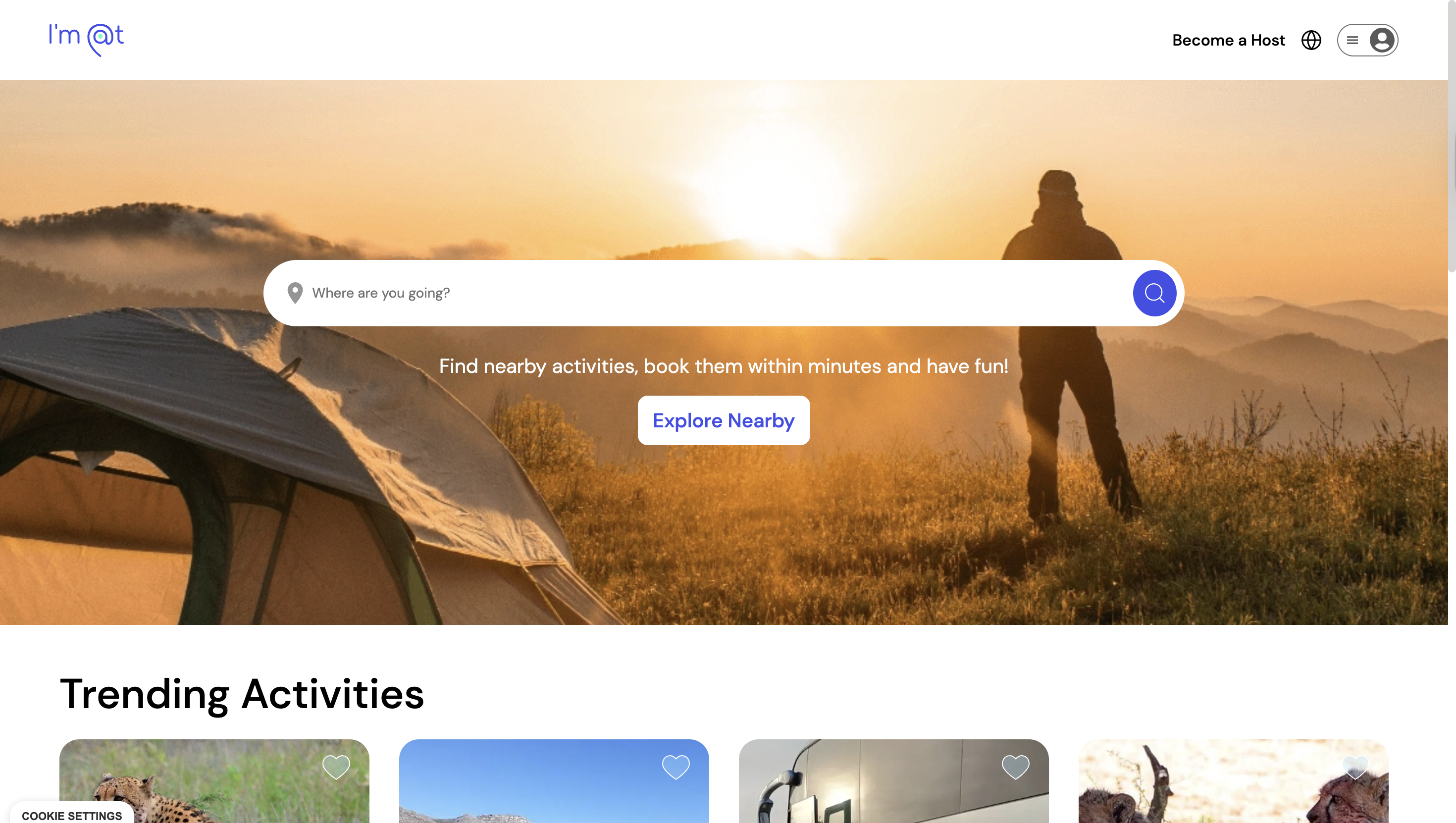
You can check Aquila Big Five safari tours, browse Cape Town overnight safari packages, or compare multi-day options like the Madikwe and Pilanesberg luxury safari alongside city and Winelands add-ons. Each listing shows what is included, transfer options, and user reviews, so the comparison is straightforward. Search available dates on Im-at and lock in your safari before peak-season slots fill.
Sources
- Sanparks
- South Africa safari: when to go, what you'll see, where to stay | CN Traveller
- Luxury Safari Tours South Africa 2026 | Sabi Sands, Phinda, Cape & Prices
- Panthera
- Sanbona Wildlife Reserve | Luxury Safari Near Cape Town