
TL;DR:
- Booking an outdoor safari requires careful planning of destinations, operators, and travel timing to ensure a rewarding experience.
- Choosing a region, safari style, and season influence costs, wildlife sightings, and overall satisfaction.
- Early booking, certified operators, and clear contracts help avoid disappointments and hidden costs.
Booking an outdoor safari is the process of selecting and securing your ideal wildlife adventure by carefully choosing destinations, operators, timing, and travel arrangements. A well-planned safari booking separates a life-changing experience from a costly disappointment. This guide to outdoor safari booking covers every stage: destination selection, operator vetting, booking timelines, logistics, and on-the-ground tips. Whether you want a luxury tented camp in the Okavango Delta or an affordable overland tour through East Africa, the decisions you make before you leave home determine everything.
What is the best guide to outdoor safari booking?
The best guide to booking safaris starts with understanding that no two safaris are the same. Destination, style, season, and budget each pull the experience in a different direction. Getting these four variables right before you contact any operator is the single most important step in the entire process.
Choosing your destination
Africa's major safari regions each offer a distinct ecosystem and wildlife calendar. East Africa, covering Kenya and Tanzania, is famous for the Great Migration, when millions of wildebeest cross the Serengeti and Masai Mara between july and october. Southern Africa, including Botswana, Zimbabwe, and South Africa, offers year-round game viewing and a wider range of price points. Each region rewards travelers who time their visit to match their wildlife priorities.
Comparing safari styles
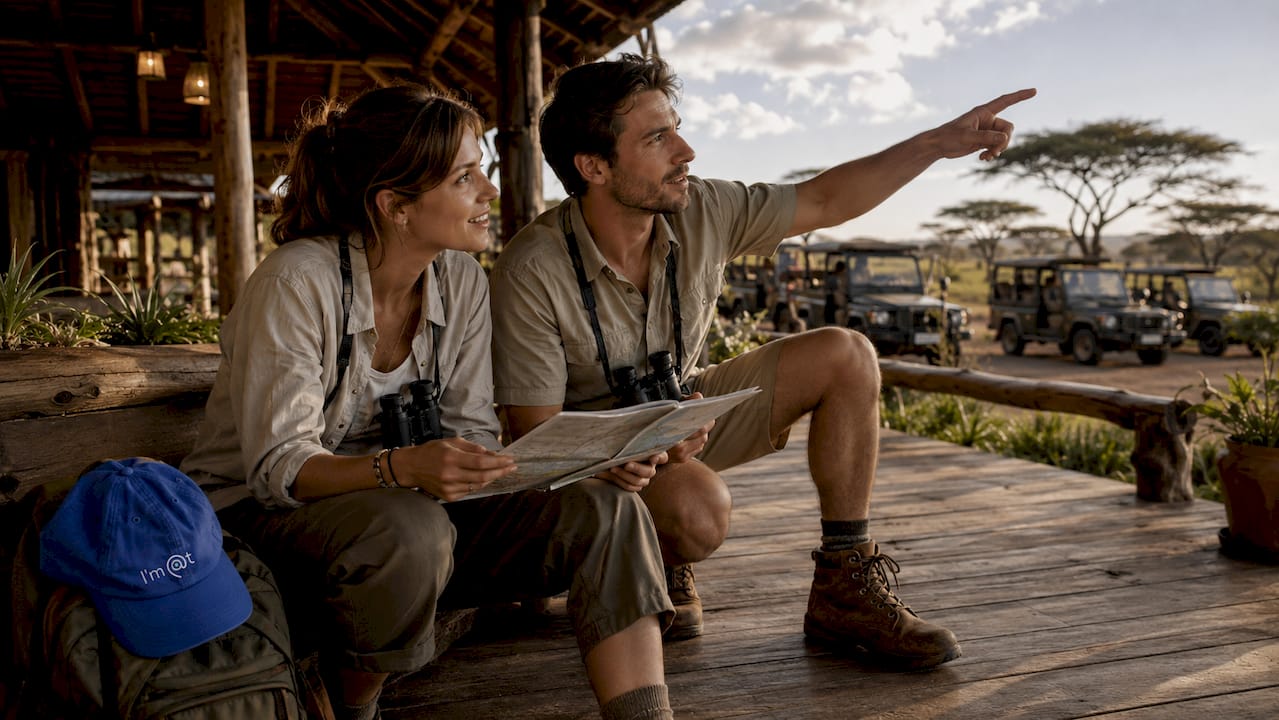
Safari styles differ sharply in price, comfort, and personal service. Overland group safaris typically cost $150–$400 per person per day and suit budget-conscious travelers who enjoy a social atmosphere. Mobile safaris move camp to follow wildlife, offering flexibility at a mid-range price. Luxury safaris, often priced above $2,500 per person per day, deliver private vehicles, expert guides, and premium lodges. Choosing the right style upfront prevents you from booking a product that does not match your expectations.
| Safari style | Typical daily cost | Lodging type | Group size |
|---|---|---|---|
| Overland group | $150–$400/person | Shared tents or lodges | 10–24 travelers |
| Mobile safari | $450–$950/person | Fly camps, moving camps | 4–12 travelers |
| Luxury private | $2,500+/person | Private lodges or camps | 2–6 travelers |
Pro Tip: Book a luxury camp like those in Botswana's Okavango Delta at least 12 months ahead. These properties have very few beds and fill up fast for peak season.
Seasonality shapes both price and wildlife density. Green season (roughly november through april in Southern Africa) brings lower rates and fewer crowds, but some roads become impassable. Dry season concentrates animals around water sources, making game drives more productive. Knowing this trade-off helps you align your travel dates with your priorities.
How do you book a safari step by step?
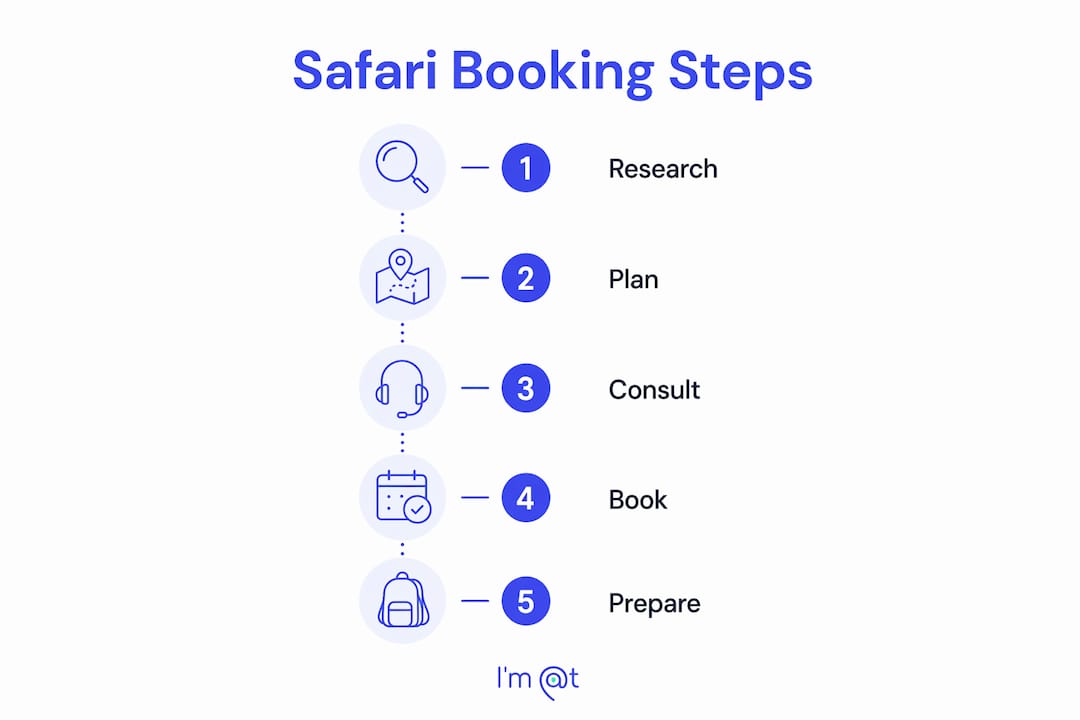
The booking process for an outdoor safari has a clear sequence. Skipping steps, especially early research and contract review, is where most travelers lose money or end up disappointed.
- Set your budget and travel dates. Mid-range safari experiences run roughly $450–$950 per person per day, while luxury options exceed $4,500. Knowing your ceiling before you talk to operators saves everyone time.
- Research certified operators. Operators registered with ASTA or ABTA carry consumer protections and legal accountability that unregistered overseas agents do not. This certification matters if something goes wrong.
- Request itemized quotes. Demand clear contracts that list park fees, internal transfers, accommodation, and meals separately. A single bundled price hides costs you will pay later.
- Review cancellation and payment terms. Deposits typically run 20–30% of the total trip cost. Confirm what happens to your money if you cancel or if the operator cancels.
- Avoid unsecured wire transfers. Large bank transfers without a formal contract are a documented source of fraud in safari bookings. Use payment methods that offer dispute protection.
- Confirm all bookings in writing. Get a signed itinerary, lodge confirmation numbers, and emergency contacts before you pay the final balance.
Pro Tip: A good operator listens to your preferences and sends a tailored itinerary, not a generic brochure. If the first response feels copy-pasted, move on.
Book 12 months ahead for peak migration seasons or premium camps. Six to nine months is enough for shoulder or green season travel. Last-minute bookings are possible but limit your choices significantly, especially for top-tier properties. Joining a travel platform like Im-at gives you access to vetted operators and pre-listed safari packages, cutting research time considerably.
What should you expect from safari logistics and transport?
Once your booking is confirmed, the operational side of a safari begins. Most travelers underestimate how much logistics shape the overall experience.
Internal transfers often use light aircraft, especially in Botswana and Tanzania where camps are spread across remote wilderness areas. These flights have strict baggage limits, often around 20kg (44lbs), and require soft-sided bags. Exceeding the limit means paying extra fees or leaving gear behind.
Game drives use open-top or pop-up roof 4x4 vehicles. These designs give unobstructed sightlines and allow guides to stand and scan for wildlife. Closed vehicles, common in self-drive parks, restrict visibility and make photography harder.
Safety note: Always follow your guide's instructions during game drives. Never stand up in the vehicle near predators, and keep your voice low around wildlife. Guides are trained to read animal behavior, and their instructions exist for your protection.
Pack for the vehicle, not the lodge. Essentials for game drives include:
- Neutral-colored clothing (khaki, olive, tan) to avoid startling wildlife
- A light fleece or jacket for early morning drives, which can be cold even in summer
- Binoculars rated at least 8x42 for distant wildlife
- A dust-proof camera bag if you carry photography gear
- Sunscreen, a hat, and lip balm for open-vehicle exposure
Private guides know the terrain, animal patterns, and best viewing times. They adjust the day's schedule based on fresh tracks, radio reports from other guides, and weather. That flexibility is something no self-drive itinerary can replicate.
What tips make a safari experience rewarding and safe?
The difference between a good safari and a great one comes down to preparation and communication. Most problems travelers encounter are preventable.
Guided safaris outperform self-drive options in pacing, wildlife tracking, and crowd avoidance. A professional guide knows when to slow down, when to wait, and when to move. That knowledge produces better wildlife encounters and a more satisfying rhythm to each day.
Travel insurance with emergency medical evacuation coverage is not optional for remote safaris. Standard travel insurance rarely covers helicopter evacuations from wilderness areas, which can cost tens of thousands of dollars. Confirm your policy covers medevac before you depart.
Ask these questions before finalizing any booking:
- What is included in the daily rate, and what costs extra?
- How many guests share a vehicle on game drives?
- What is the guide's certification and years of field experience?
- What happens if a flight or transfer is delayed?
- Does the operator support any local conservation or community programs?
Pro Tip: Operators who support conservation programs, such as anti-poaching initiatives or community employment, tend to run more ethical and better-managed safaris overall.
Responsible wildlife viewing means staying on designated tracks, keeping noise low, and never feeding animals. Operators who enforce these standards protect both wildlife and your experience. A well-chosen safari lodge in a well-managed reserve will have these rules built into every game drive. Choosing accommodation that aligns with conservation values also contributes to the long-term health of the ecosystems you visit. For travelers who want to understand the full role food and culture play in a destination, gastronomy in travel is increasingly part of the premium safari experience, with bush dinners and local cuisine becoming standard at top-tier lodges.
Key Takeaways
Booking an outdoor safari successfully requires matching your destination, style, and budget to a certified operator, then confirming every detail in writing before any money changes hands.
| Point | Details |
|---|---|
| Book early for peak seasons | Reserve 12 months ahead for migration seasons or premium camps with limited beds. |
| Use certified operators | ASTA or ABTA registration provides legal and financial protection you cannot get elsewhere. |
| Demand itemized contracts | Request quotes that list park fees, transfers, and meals separately to avoid hidden costs. |
| Pack for light aircraft limits | Keep luggage under 20kg (44lbs) in soft bags for internal bush flights. |
| Get medevac insurance | Standard travel insurance rarely covers emergency evacuations from remote wilderness areas. |
What I've learned from booking safaris the hard way
The most common mistake I see travelers make is treating a safari like a hotel booking. You pick a date, pay online, and show up. That approach works for city hotels. It fails badly for safaris.
The operators who deliver the best experiences are the ones who ask you more questions than you ask them. They want to know your fitness level, your wildlife priorities, whether you photograph, and how you feel about early mornings. A generic quote sent within minutes of your inquiry is a red flag, not a sign of efficiency.
I've also found that travelers consistently undervalue the guide. The lodge matters, the vehicle matters, but the guide is the person who turns a sighting into a story. Experienced guides transform a safari from a checklist trip into something you carry with you for years. Ask specifically about your guide's background before you book, not after you arrive.
One more thing: the green season is genuinely underrated. Yes, some roads are muddy. But the light is extraordinary, the landscapes are lush, the rates are lower, and you often have prime sightings entirely to yourself. If your schedule allows flexibility, consider it seriously.
The travelers who come back most satisfied are the ones who did their research, asked hard questions, and trusted a specialist rather than trying to assemble the trip themselves. A safari is not a product you buy. It is an experience you build.
— Mikahil
Plan your safari with Im-at
Im-at connects travelers directly with vetted safari operators and ready-to-book outdoor experiences across Africa and beyond. The platform lists everything from short two-day game reserve escapes to multi-week wilderness expeditions, all with clear pricing and operator details upfront.
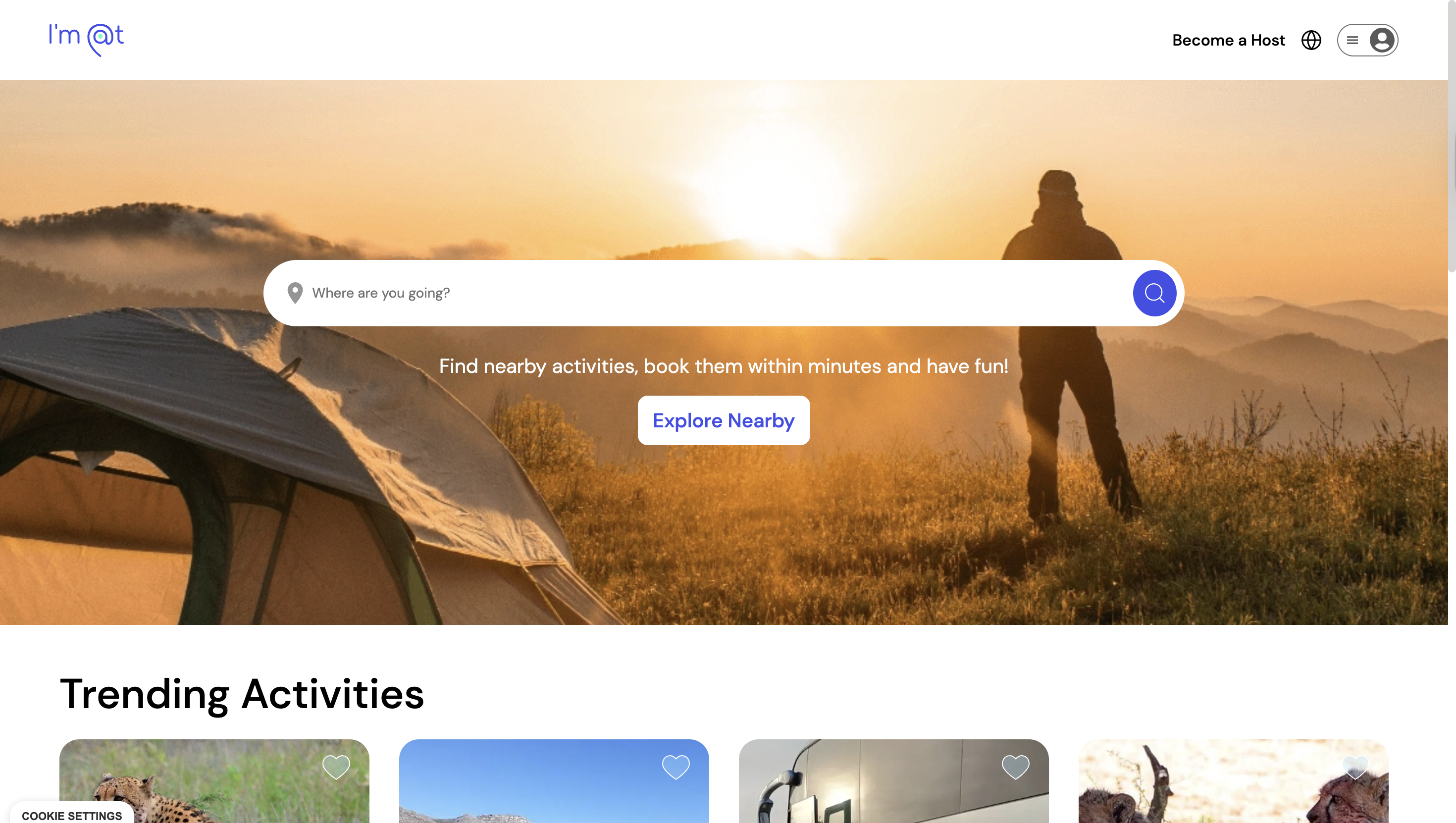
For travelers who want flexibility without the research burden, Im-at's tailor-made 4x4 tours let you customize your route, pace, and focus with an expert guide behind the wheel. You choose the parks, the duration, and the style. The operator handles the rest. Browse Im-at's full catalog to find the safari that fits your timeline and budget, and book it in minutes.
FAQ
How far in advance should I book a safari?
Book 12 months ahead for peak migration seasons or top-tier camps. Six to nine months is sufficient for shoulder season travel.
What does a mid-range safari cost per day?
Mid-range safaris typically cost $450–$950 per person per day, covering accommodation, meals, and game drives. Luxury options start around $2,500 and can exceed $4,500 per person per day.
Why should I use a certified safari operator?
Certified operators registered with ASTA or ABTA offer consumer protections and legal recourse that unregistered agents cannot provide. This matters most if a booking is canceled or a dispute arises.
Is travel insurance required for a safari?
Travel insurance with emergency medical evacuation coverage is strongly recommended. Standard policies rarely cover helicopter evacuations from remote wilderness areas, which carry significant costs.
Are guided safaris better than self-drive?
Guided safaris deliver superior wildlife tracking, better pacing, and crowd avoidance that self-drive travelers cannot replicate. A professional guide's field knowledge is the single biggest factor in the quality of your wildlife encounters.