
TL;DR:
- Proper planning ensures safe and enjoyable wilderness adventures by addressing permits, routes, and safety.
- Group goals, fitness levels, and seasonal factors are key to selecting suitable destinations and routes.
- Following Leave No Trace principles and securing permits prevent environmental damage and trip disruptions.
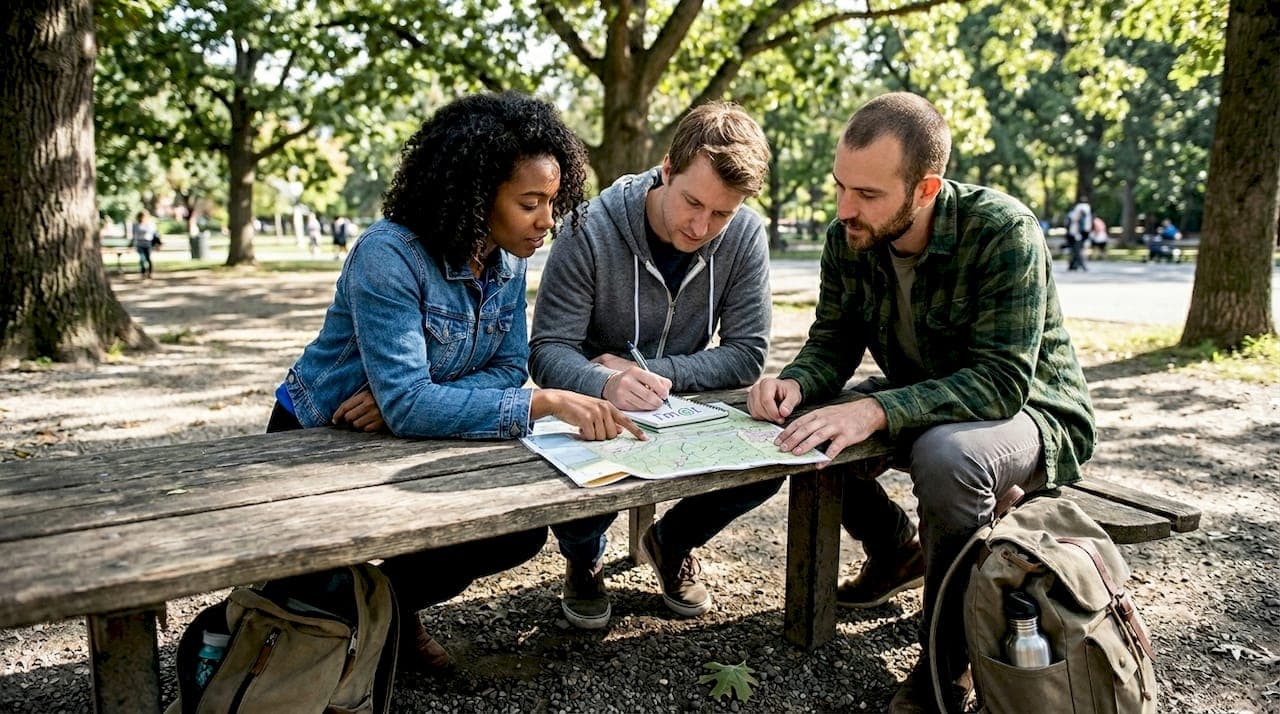
Picture this: you've hiked three miles into the backcountry only to find your permit is invalid, or you're rationing your last sip of water with five miles still ahead. These aren't edge cases. They're the predictable results of skipping the planning steps that experienced adventurers treat as non-negotiable. This guide gives you frameworks, checklists, and insider strategies to transform those frustrations into smooth, memorable experiences. From selecting destinations and fitness-matched routes to mastering permits, gear, and responsible travel, you'll leave here ready to plan with real confidence.
Table of Contents
- Define your adventure: goals, group, and timing
- Choose a destination and plan your route
- Master permits, regulations, and essential gear
- Safety, contingency, and Leave No Trace principles
- Why expert planning beats spontaneity every time
- Turn your plans into action with guided adventures
- Frequently asked questions
Key Takeaways
| Point | Details |
|---|---|
| Clarify your adventure | Align your group’s fitness and trip goals with the best season and destination for a safer, more fun experience. |
| Plan routes and permits | Break long adventures into daily sections, map water and campsites, and secure required permits well in advance. |
| Pack light and right | Keep your gear essentials under 30 percent of body weight to maximize both comfort and safety. |
| Prioritize safety | Share your itinerary, prepare for weather, and follow Leave No Trace for responsible, trouble-free exploration. |
Define your adventure: goals, group, and timing
With your interest sparked, let's begin by clarifying what you want from your next adventure. This sounds obvious, but most trip problems trace back to a mismatch between what people hoped for and what they actually planned. Getting specific upfront saves you from the wrong trail, the wrong season, and the wrong group dynamic.
Start by naming your primary objective. Are you chasing a physical challenge, jaw-dropping scenery, quiet solitude, or a chance to build new outdoor skills? Each goal points you toward a different type of trip. A summit attempt demands different preparation than a slow, scenic river walk. Knowing your "why" shapes every decision that follows.
Next, assess your group honestly. Fitness levels, experience, and comfort with risk vary widely, even among friends who hike regularly. Destinations and routes must match group skill, fitness, and seasonal factors, so resist the urge to plan the trip you want and then hope everyone keeps up. If the gap is wide, adapt the objectives rather than the people.
Timing matters more than most travelers realize. Permit windows, peak wildflower seasons, snowpack levels, and monsoon patterns all affect whether your trip is magical or miserable. Avoid locking in rigid dates too early. Flexible windows give you better permit lottery odds and let you respond to late-season conditions. Also factor in route length, total elevation gain, and trailhead access, since some roads close well into spring.
Key questions to answer before you book anything:
- What is the primary goal: challenge, scenery, solitude, or skill-building?
- What is the realistic fitness level of your slowest group member?
- What season offers the best conditions for your chosen destination?
- How many days do you have, and how does that affect route length?
- Are there permit lottery windows you need to plan around?
Pro Tip: List a range of acceptable travel dates rather than a single date. This small shift dramatically improves your permit success rate and gives you room to respond to weather forecasts.
If you're still exploring what kind of adventure fits your style, the adventure tourism guide from Im-at is a solid starting point. You can also browse choosing adventure experiences for a practical breakdown of trip types by skill level and interest.
Choose a destination and plan your route
Once your group and goals are set, focus on choosing and customizing your adventure path. The destination decision is part inspiration, part logistics. National parks offer infrastructure and safety nets. State lands and off-grid trails offer solitude but demand more self-sufficiency. Neither is better. They're just different tools for different goals.
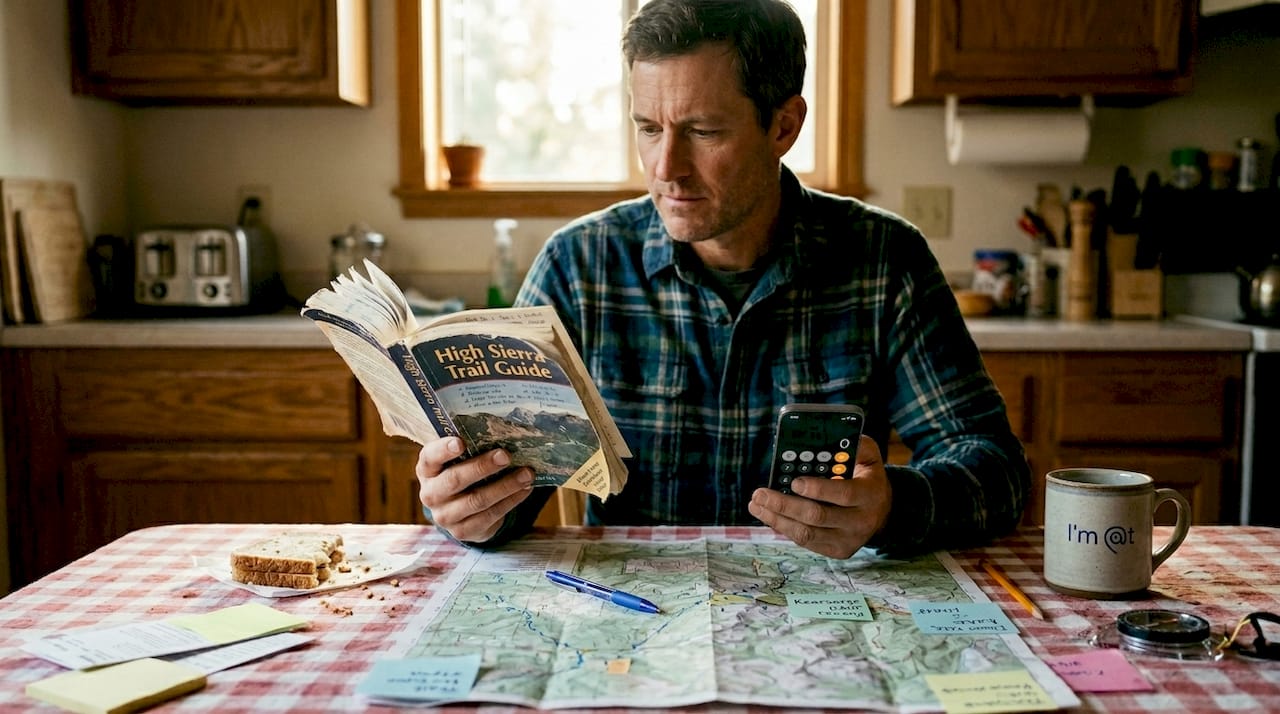
Once you've shortlisted destinations, break your route into daily segments. A practical tool here is Naismith's Rule, which estimates one hour for every 3 miles traveled plus one hour for every 2,000 feet of elevation gain. Adjust upward for heavy packs, technical terrain, or a slower group. Map water sources and campsites at each segment so you're never guessing mid-trail.
Here's a simple comparison of three common route types to help you calibrate:
| Route type | Daily mileage | Elevation gain | Permit required | Best for |
|---|---|---|---|---|
| Flat forest loop | 6-10 miles | Under 500 ft | Often no | Beginners, families |
| Mountain ridge traverse | 8-14 miles | 2,000-4,000 ft | Usually yes | Intermediate hikers |
| Remote backcountry route | 10-18 miles | 3,000-6,000 ft | Yes, often lottery | Experienced adventurers |
Follow these steps to lock in your route:
- Choose your primary route based on group fitness and trip objective.
- Map two bailout points in case conditions change mid-trip.
- Identify water sources and confirm seasonal reliability.
- Mark campsite locations and check regulations for each.
- Share the finalized map with someone not on the trip.
Pro Tip: Keep your pack's base weight below 30% of your body weight. Above that threshold, injury risk climbs and enjoyment drops fast. Modern ultralight gear makes this achievable without sacrificing comfort.
Balance the numbers with the feel of the route. Distance and elevation are measurable, but scenery, solitude, and logistics quality matter just as much. Check out travel activity types for ideas on mixing terrain styles, and use adventure travel booking resources to compare guided versus self-guided options.
Master permits, regulations, and essential gear
With a route mapped, secure the necessary permissions and assemble your foundational gear. Skipping this step is the single most common reason trips get derailed at the trailhead.
Popular backcountry destinations fill up fast. Permits for national park routes often require months of lead time, and many use lottery systems that open in winter for summer trips. Apply the moment the window opens. Have a backup destination ready in case your first choice doesn't come through.
Beyond permits, land use regulations shape what you can and can't do on the trail. Group size limits, mandatory bear canister requirements, stove-only fire rules, and seasonal fire bans all vary by location and can change year to year. Check official park websites within a week of your departure date to catch any last-minute alerts.
Here's a quick comparison of regulations across three popular destinations:
| Destination | Group size limit | Bear canister | Fire rules |
|---|---|---|---|
| Canyonlands, UT | 12 people | Required in some zones | Stove only in many areas |
| Yosemite, CA | 8 people | Required above 4,000 ft | Restricted seasonally |
| Olympic NP, WA | 12 people | Recommended | Allowed in designated rings |
For gear, focus on the Big Four first. These four items control the majority of your pack weight and directly affect your safety and comfort:
- Shelter: A lightweight tent or tarp suited to your destination's weather.
- Sleep system: Sleeping bag and pad rated for the coldest expected night.
- Pack: A properly fitted pack in the 40-65 liter range for multi-day trips.
- Cook system: A compact stove, fuel, and lightweight cookware.
Pro Tip: Double-check regulations for your specific zone, not just the park in general. Rules often differ between wilderness areas within the same park. A quick call to the ranger station before you leave can prevent a costly surprise.
For inspiration on what activities to pair with your trip, explore adventure activities in 2026 to see what's trending across different terrain types.
Safety, contingency, and Leave No Trace principles
Before you pack your bags, double down on safety and responsible adventure practices. This is the section most people skim. Don't.
Follow these steps before and during every trip:
- Leave a detailed trip plan with a trusted contact at home, including your route, campsites, and expected return time.
- Carry a paper map and compass in addition to any GPS device. Batteries die.
- Know your bailout points before you need them.
- Save emergency contacts, including the local ranger station, in your phone and on paper.
- Monitor weather forecasts and snowpack reports in the 48 hours before departure.
Hydration is a safety issue, not a comfort one. In desert environments, plan for at least 1 gallon per person per day. In cooler climates, 2-3 liters is typically sufficient, but always carry a water filter or purification tablets. Never rely on a single source.
"Pace the group to its slowest member. This isn't a compromise. It's the strategy that keeps everyone safe and on the trail."
Leave No Trace principles are the practical side of ethical outdoor travel. They're not suggestions. They're the difference between trails that stay open and trails that get closed due to overuse damage. Key practices include:
- Camp at least 200 feet from water sources and established trails.
- Use durable surfaces like rock or dry grass for campsites and rest stops.
- Pack out all waste, including food scraps and biodegradable items.
- Use a camp stove instead of building fires whenever possible.
- Stay on marked trails to prevent soil erosion and vegetation damage.
For a deeper look at how outdoor travel benefits both you and the places you visit, read about outdoor travel benefits. And before any international adventure, review your adventure travel insurance options. Medical evacuations from remote areas are expensive. Coverage is not optional.
Leave No Trace principles include camp location rules, waste management, fire guidelines, and protecting natural features from unnecessary damage.
Why expert planning beats spontaneity every time
Here's an uncomfortable truth: the "just go and figure it out" approach works great for city travel. It fails in the backcountry. Regularly.
The romance of spontaneous adventure is real. But preparation enables adventure success in ways that spontaneity simply cannot. The guides and experienced adventurers who seem most relaxed on the trail are that way because they planned thoroughly, not despite it. Their calm comes from knowing they've covered the variables.
Most trail mishaps follow a pattern: someone skipped a gear check, assumed a permit wasn't needed, or underestimated the group's pace. These aren't bad luck. They're predictable gaps that planning closes. The good news is that solid preparation doesn't eliminate spontaneity. It creates the conditions for it. When your safety systems are in place, you're free to linger at a viewpoint, take an unmarked side trail, or change your campsite on a whim.
Pro Tip: Use flexible date ranges and backup destinations in your planning. This keeps your options open while ensuring you're never caught unprepared. It's the closest thing to structured spontaneity you'll find in the outdoors.
For travelers who want expert support built in from the start, adventure travel companies offer a smart middle ground between full DIY and fully guided trips.
Turn your plans into action with guided adventures
Ready to go further? Here's how to unlock curated adventures that make your planning effortless.
All the frameworks in this guide work best when paired with local expertise. Im-at connects you with vetted guides and operators who handle permits, logistics, and safety so you can focus on the experience itself.
Whether you're eyeing the rugged coastline of the Arrabida Adventure Circuit, exploring underground landscapes on Hiking and Caving on Terceira Island, or savoring the scenery on Douro Valley adventure tours, every experience is designed for adventurers at every skill level. Browse, compare, and book in minutes. Your next unforgettable trip is already waiting.
Frequently asked questions
What are the main steps to plan an outdoor adventure trip?
Define group goals and fitness, choose a destination with suitable routes, secure permits early, assemble proper gear, and plan for safety and Leave No Trace. The planning process works best when each step builds on the last rather than being treated as a checklist to rush through.
How early should I apply for backcountry permits?
Apply as early as possible. Popular park permits sell out months in advance, and many high-demand routes use lottery systems that open in winter for summer travel.
What is the ideal pack weight for multi-day hiking?
Aim to keep your base weight under 30% of your body weight. Base weights above 30% increase injury risk significantly, while modern ultralight gear typically lands most hikers in the 8-22 lb range for multi-day essentials.
How much water should I plan for each day outdoors?
In desert or hot conditions, plan for at least 1 gallon per person per day. In cooler environments, 2-3 liters is usually enough, but always carry a filter or purification tablets as backup.
What are Leave No Trace principles?
They are seven guidelines for minimizing your environmental impact: camp on durable surfaces, pack out all waste, avoid new trails, follow fire rules, and camp away from water and established trails to protect ecosystems.
Recommended
- How to plan adventure travel: expert tips for 2026
- How to choose adventure experiences for great trips
- Types of travel activities for unforgettable trips
- Most popular adventure activities for thrilling trips in 2026
- Understanding Adventure Sports Insurance: A Comprehensive Guide - Unparalleled Global Benefits
- Unleash Adventure: The Ultimate Guide to Hiking with Your Dog – iPupPee