
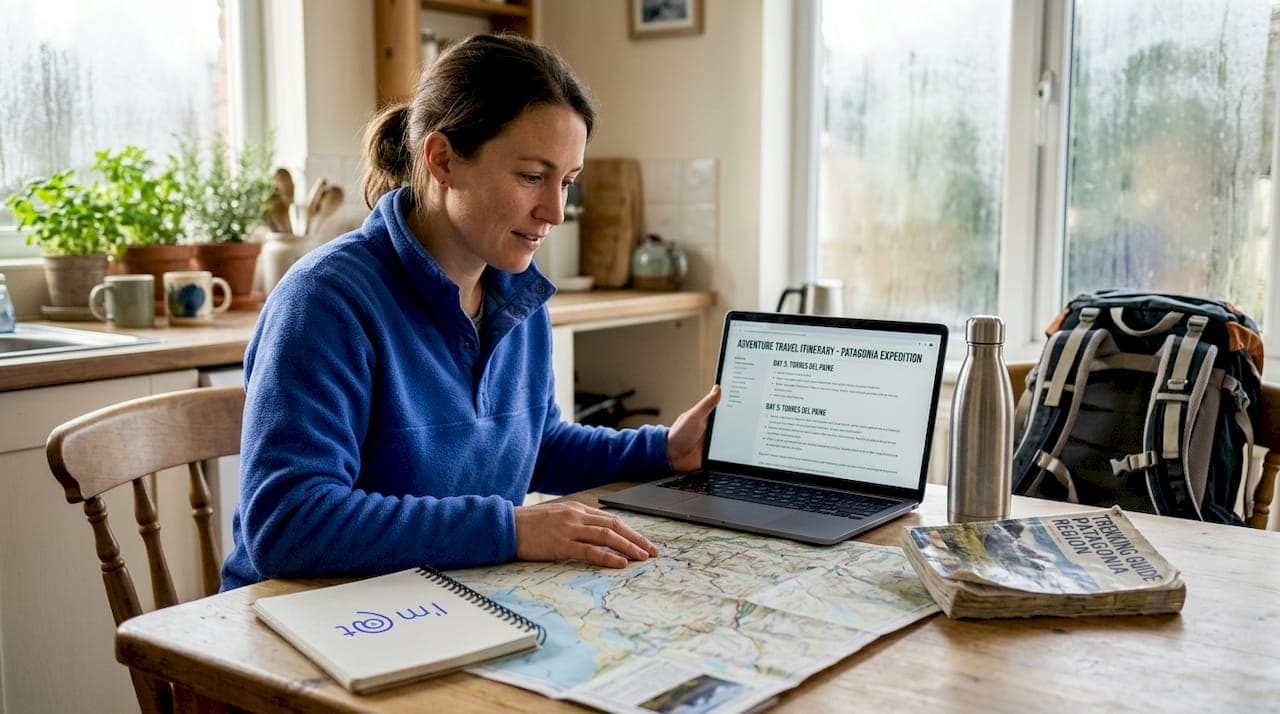
Planning your next adventure trip can feel overwhelming when you're juggling destinations, activities, budgets, and safety concerns all at once. You want unique outdoor experiences that match your interests, but sifting through countless options and booking reliable guides often leaves you frustrated. This guide breaks down the entire process into clear, actionable steps so you can organize and book memorable excursions worldwide with confidence. You'll discover how to set travel goals, research trustworthy operators, avoid common mistakes, and verify your plans for a smooth adventure in 2026.
Table of Contents
- Understanding your adventure travel goals and prerequisites
- Step-by-step guide to organizing and booking your adventure travel activities
- Common pitfalls and how to avoid them during adventure travel planning
- What to expect and how to verify a successful adventure travel experience
- Discover tailor-made adventure travel tours with I'm @t
- Frequently asked questions
Key takeaways
| Point | Details |
|---|---|
| Define your adventure goals | Clarify activity types, fitness levels, and budget before researching destinations to focus your planning efforts |
| Book reputable operators early | Secure spots with verified local guides and compare reviews to ensure quality experiences |
| Pack versatile safety gear | Bring weather-specific equipment, navigation tools, and first aid supplies tailored to your activities |
| Avoid common planning pitfalls | Confirm bookings, check weather warnings, and schedule buffer days to prevent trip disruptions |
| Verify plans before departure | Double-check timings, emergency contacts, and guide credentials to ensure a safe, memorable adventure |
Understanding your adventure travel goals and prerequisites
Before diving into bookings and logistics, you need to define what kind of adventure you're seeking. Are you drawn to multi-day trekking through mountain ranges, adrenaline-fueled 4x4 desert tours, or water-based activities like kayaking and snorkeling? Each adventure type demands different preparation, gear, and physical readiness. Take time to assess your fitness level honestly, because overestimating your abilities can turn an exciting trip into a dangerous ordeal.
Your budget and available time directly shape your options. A two-week safari costs significantly more than a weekend hiking excursion, and some destinations require substantial travel time just to reach the starting point. Research the climate and seasonal patterns for your chosen location, since weather dramatically affects outdoor activities. Monsoon seasons can cancel trekking routes, while extreme heat makes desert tours unbearable. Clarifying your travel goals helps focus your planning and choose suitable activities that match your expectations.
Once you've narrowed your adventure type, create a checklist of prerequisites. Consider these essential items:
- Required permits or visas for specific regions or protected areas
- Vaccinations and health precautions for tropical or remote destinations
- Specialized gear like climbing harnesses, waterproof bags, or thermal clothing
- Travel insurance covering adventure activities and medical evacuation
- Emergency contact information for local authorities and your embassy
Safety preparation extends beyond packing a first aid kit. Research potential risks specific to your destination, from wildlife encounters to altitude sickness. Understanding local customs and regulations prevents legal issues and shows respect for communities you'll visit. Some countries restrict drone usage or require guides for certain trails, so verify rules before departure.
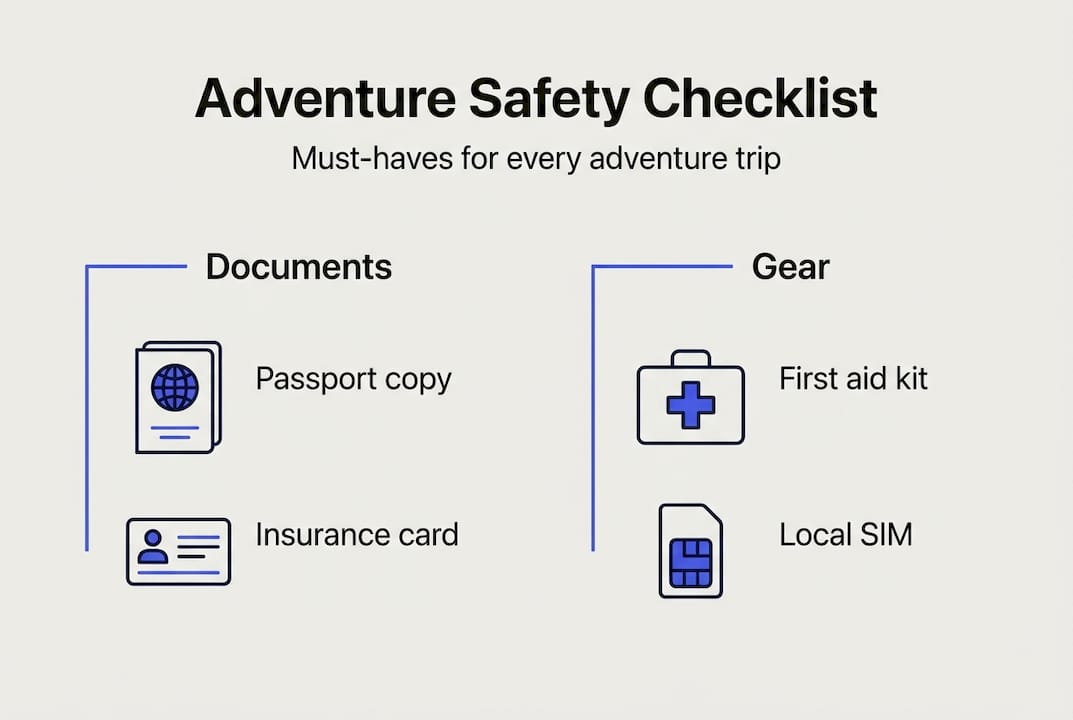
Pro Tip: Create a digital folder with scanned copies of your passport, insurance documents, permits, and vaccination records. Store it in cloud storage accessible offline so you have backups if physical documents are lost or damaged during your adventure.
Step-by-step guide to organizing and booking your adventure travel activities
Now that you've defined your goals, it's time to transform ideas into confirmed bookings. Start by researching local operators who specialize in your chosen activities. Look beyond flashy websites and dig into customer reviews on multiple platforms. Genuine feedback reveals whether guides deliver on promises or cut corners on safety. Check if operators hold proper certifications, insurance, and affiliations with recognized adventure travel associations.
Comparing options requires patience but saves money and disappointment. Examine what each package includes, from meals and accommodations to equipment and transportation. Smaller group sizes often provide more personalized experiences, though they typically cost more. Travel packages often combine activities with accommodations for immersive experiences that simplify logistics. Evaluate pricing against value, not just the lowest quote, because bargain operators may compromise safety or service quality.
Booking in advance secures your spot and often unlocks better rates, especially during peak seasons when popular activities fill quickly. Follow these steps to organize your bookings systematically:
- Create a detailed itinerary with activity dates, locations, and durations
- Contact operators directly to confirm availability and ask specific questions about safety protocols
- Review cancellation policies carefully, since weather or personal emergencies may force changes
- Request written confirmation of all bookings with contact details for guides and emergency support
- Arrange transportation between activities, accounting for travel time and potential delays
- Book accommodations near activity starting points to minimize early morning stress
Use a planning table to track all your bookings and important details. This organizational tool prevents confusion and ensures nothing falls through the cracks:
| Activity | Operator | Date | Cost | Contact | Confirmation Number |
|---|---|---|---|---|---|
| Mountain trek | Alpine Guides Co | June 15-18 | $850 | +1-555-0123 | AG-2026-4821 |
| Kayaking tour | Coastal Adventures | June 20 | $120 | +1-555-0456 | CA-7739 |
| Wildlife safari | Safari Experts Ltd | June 22-24 | $1,200 | +1-555-0789 | SE-3341 |
Pro Tip: When booking multiple activities, leave at least one full day between intense adventures for rest and recovery. Fatigue increases injury risk and diminishes your enjoyment of subsequent experiences.
Verify that your chosen operator provides emergency support and has contingency plans for weather disruptions. Ask about their communication methods during activities, especially in remote areas where cell service may be unavailable. Understanding these details before departure gives you peace of mind and prepares you for various scenarios.
Common pitfalls and how to avoid them during adventure travel planning
Even experienced travelers make mistakes that derail carefully planned adventures. One frequent error is packing incorrectly, either hauling unnecessary items or forgetting critical gear. Overpacking adds weight and baggage fees, while underestimating needs leaves you unprepared for weather changes or equipment failures. Create a detailed packing list specific to your activities and destination climate, then review it twice before finalizing.
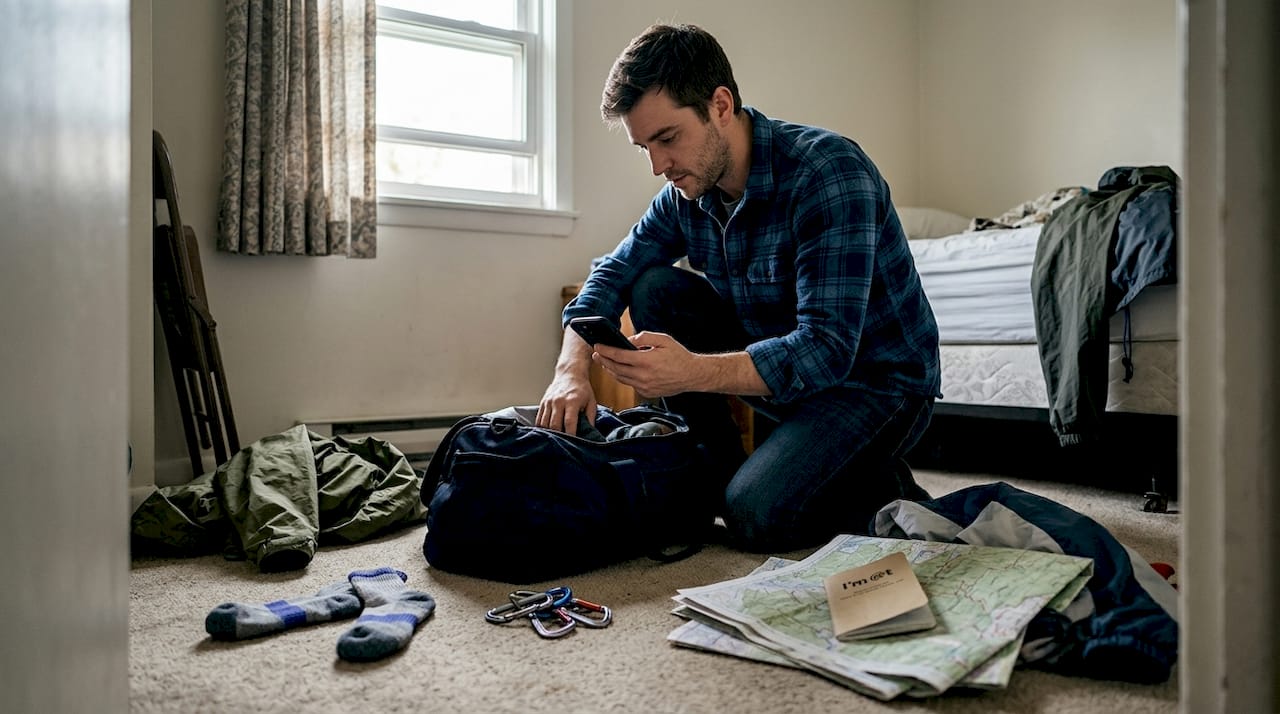
Many travelers face issues due to last-minute bookings or lack of local guide support. Rushing to book activities without proper research often results in poor experiences or safety concerns. Some operators advertise impressive offerings but lack proper licensing or trained staff. Always verify credentials and read recent reviews before committing your money and safety to any provider.
Ignoring local regulations and weather warnings creates serious problems. Protected areas enforce strict rules about where you can hike, camp, or photograph wildlife. Violating these regulations can result in hefty fines or legal trouble. Weather patterns in mountainous or coastal regions change rapidly, and dismissing warnings because you're excited to proceed puts you and rescue teams at risk. Respect local expertise and postpone activities when conditions become dangerous.
Avoid these common planning mistakes:
- Booking activities too close together without accounting for delays or fatigue
- Failing to confirm transportation connections between destinations
- Neglecting to purchase comprehensive travel insurance covering adventure activities
- Relying solely on smartphone apps without backup navigation tools or maps
- Assuming all operators accept credit cards or that ATMs will be readily available
- Skipping pre-trip physical conditioning for demanding activities
Buffer days in your itinerary provide flexibility when flights delay, weather disrupts plans, or you simply need rest. Rigid schedules amplify stress when inevitable changes occur. Building in extra time also allows spontaneous exploration of local attractions you discover along the way.
"The biggest mistake adventure travelers make is underestimating preparation time and overestimating their physical readiness. Give yourself months to train for demanding activities and research your destination thoroughly. The effort you invest beforehand directly determines whether your trip becomes a cherished memory or a cautionary tale."
Don't assume your regular fitness level translates to adventure readiness. Hiking at altitude, kayaking for hours, or cycling long distances demands specific conditioning. Start training at least two months before departure, gradually increasing intensity to match your planned activities. This preparation reduces injury risk and helps you fully enjoy each experience rather than struggling to keep pace.
What to expect and how to verify a successful adventure travel experience
A well-planned adventure trip runs smoothly because you've confirmed every detail before departure. Start by double-checking activity timings, meeting points, and what your operator provides versus what you must bring. Contact guides a few days before each activity to reconfirm arrangements and ask any last-minute questions. This communication catches potential issues early when you still have time to adjust.
Verifying plans and communicating with providers ensures a positive travel experience. Maintain realistic expectations while staying flexible, since outdoor adventures depend on factors beyond anyone's control. Weather may force route changes, wildlife sightings aren't guaranteed, and physical challenges might exceed your initial assessment. Approach each day with adaptability and focus on the overall experience rather than rigid outcomes.
Keep an accessible list of emergency contacts including your guide's phone number, local emergency services, your country's embassy, and your travel insurance provider's 24-hour hotline. Store this information both digitally and on paper, since technology can fail in remote locations. Share your detailed itinerary with someone back home who can raise alarms if you miss check-in times.
Compare what different operators offer to gauge whether your chosen provider meets quality standards:
| Service Aspect | Basic Operator | Premium Operator |
|---|---|---|
| Group Size | 12-20 people | 4-8 people |
| Guide Credentials | General outdoor experience | Certified with specialized training |
| Safety Equipment | Standard issue, shared | High-quality, individual gear |
| Emergency Support | Local hospital contact | Satellite communication, evacuation insurance |
| Meals Included | Basic packed lunches | Locally sourced, dietary accommodations |
Assess whether your experience aligns with your initial goals and safety expectations. Quality operators prioritize your wellbeing over pushing through dangerous conditions. They provide thorough safety briefings, check equipment properly, and adjust plans when necessary. If something feels unsafe or doesn't match what was promised, speak up immediately rather than hoping issues resolve themselves.
Schedule downtime between intense activities to absorb experiences and engage with local culture. Rushing from one adventure to the next leaves you exhausted and diminishes your ability to appreciate each moment. Visit local markets, try regional cuisine, or simply rest and journal about your experiences. These quieter moments often become the most memorable parts of your journey.
Key indicators of a successful adventure include:
- Returning safely with no serious injuries or health issues
- Feeling challenged but not overwhelmed by physical demands
- Creating lasting memories and gaining new skills or perspectives
- Building positive relationships with guides and fellow travelers
- Wanting to plan your next adventure immediately after returning home
Pro Tip: Take photos and videos throughout your trip, but don't experience everything through a screen. Dedicate specific times for documentation, then put devices away to fully immerse yourself in the moment. Your memories will be richer, and you'll feel more present during once-in-a-lifetime experiences.
After returning home, leave detailed reviews for the operators you used. Honest feedback helps future travelers make informed decisions and encourages quality providers while warning others away from problematic ones. Share what went well and what could improve, focusing on specific details rather than vague praise or complaints.
Discover tailor-made adventure travel tours with I'm @t
Ready to transform your adventure travel dreams into reality without the planning headaches? I'm @t specializes in curating unique outdoor experiences that match your interests, fitness level, and schedule. Our platform connects you with verified local guides and operators worldwide, ensuring quality and safety for every excursion.
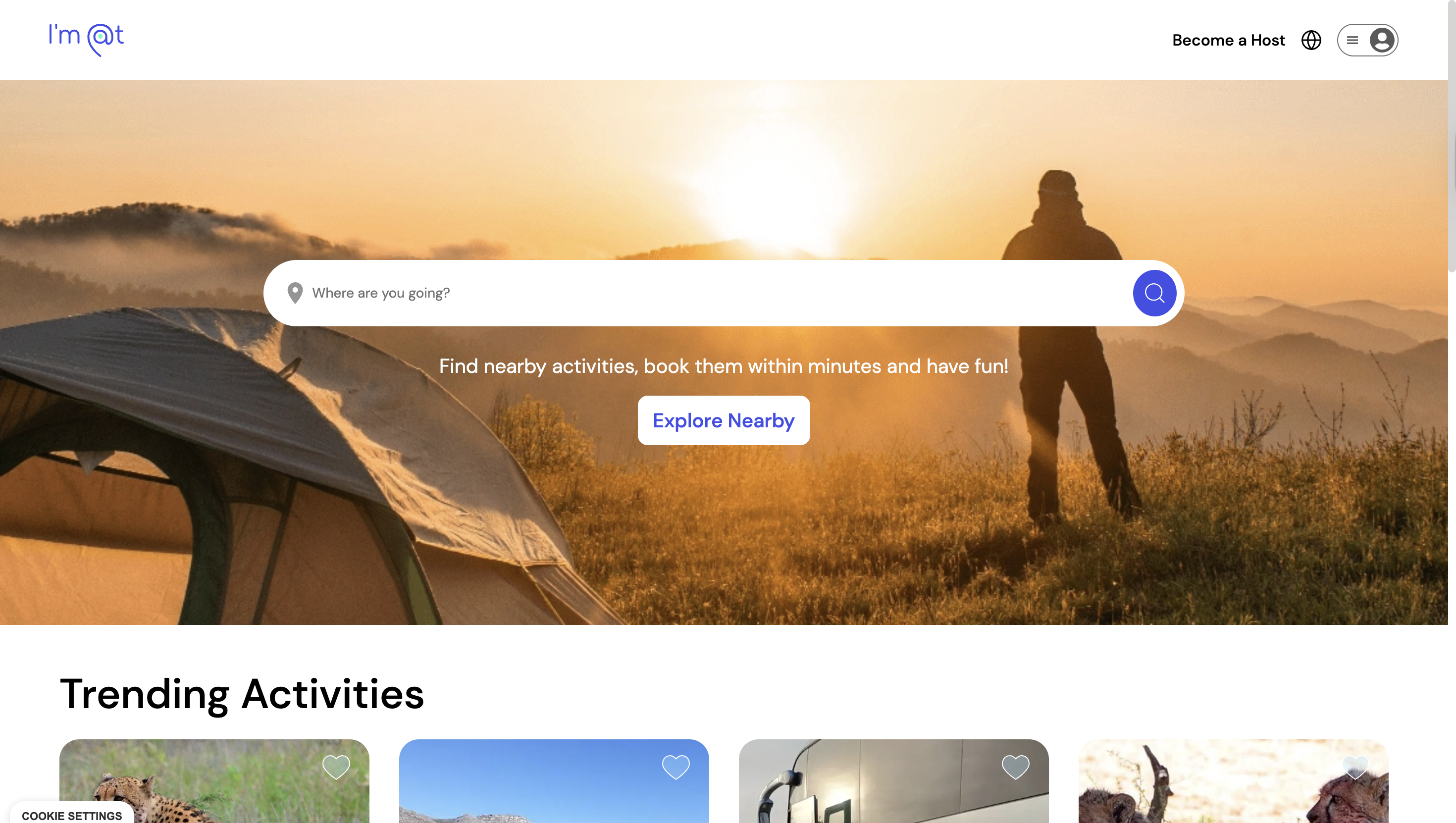
Explore our diverse adventure catalog, from thrilling tailor-made 4×4 tours through rugged terrain to the scenic Arrabida adventure circuit combining coastal beauty with active exploration. Challenge yourself with Table Mountain hiking and trekking while enjoying expert guidance every step of the way. Our platform simplifies booking, provides detailed activity information, and offers support throughout your journey so you can focus on the adventure itself.
Frequently asked questions
How far in advance should I start planning my adventure travel trip?
Start planning at least three to six months ahead for complex trips involving multiple activities, international destinations, or specialized permits. This timeline gives you adequate time to research operators thoroughly, secure bookings during peak seasons, and complete necessary vaccinations or fitness training. Shorter domestic trips may require only four to eight weeks of preparation, though booking popular activities early still offers better availability and pricing.
What essential gear should I pack for adventure travel?
Pack versatile, moisture-wicking clothing suitable for layering, sturdy waterproof footwear broken in before your trip, navigation tools like GPS devices and physical maps, comprehensive first aid kits, reliable hydration systems, and weather-specific equipment such as rain gear or sun protection. Adjust your gear list based on destination climate and activity types, prioritizing multi-purpose items that reduce pack weight. Always bring backup batteries, power banks, and protective cases for electronics since charging options may be limited in remote areas.
How can I ensure the safety of local guides and operators before booking?
Check certifications, customer reviews, and local affiliations to verify guide and operator credentials before committing to any adventure. Look for membership in recognized adventure travel associations, proper insurance coverage, and recent positive feedback from multiple review platforms. Ask operators directly for references from past clients and proof of required licenses for your specific activities. Legitimate providers willingly share this information and answer detailed questions about their safety protocols and emergency procedures.
What are the best ways to handle unexpected changes during an adventure trip?
Maintain flexibility in your plans by scheduling buffer days between activities and avoiding overly rigid itineraries that leave no room for adjustments. Keep emergency contacts, travel insurance information, and backup cash accessible at all times since technology and payment systems may fail in remote locations. Communicate promptly with guides and service providers when issues arise, working collaboratively to find solutions rather than demanding impossible fixes. Most experienced operators have contingency plans for common disruptions and appreciate travelers who approach problems with patience and adaptability.
Recommended
- Types of travel activities for unforgettable trips
- Guide to exploring new destinations for unique experiences
- Role of adventure travel companies for memorable trips
- Master immersive cultural experiences: 2026 guide
- Why Adventure Tourism in Morocco: Complete Guide
- 2026 travel trends in Greece: 62% seek sustainable stays