
Adventure tourism is one of the fastest-growing travel segments on the planet, and the numbers back it up. The global adventure tourism market is valued between $421 billion and $730 billion in 2025, with projections pushing toward $981 billion by 2026 at a compound annual growth rate of up to 20%. That explosive growth means more options than ever, which is exciting but also overwhelming. Whether you are chasing waterfalls in Portugal, summiting peaks in South Africa, or paddling through national parks, picking the right activity can make or break your trip. This guide cuts through the noise and helps you find the adventure that fits your goals, skill level, and travel style.
Table of Contents
- How to choose the right adventure activity
- Soft adventure activities: Accessible excitement
- Hard adventure activities: Pure adrenaline
- Water-based and mountain adventures
- Head-to-head: Comparing adventure activity types
- Expert picks and insider recommendations
- Explore adventure experiences with IM-AT
- Frequently asked questions
Key Takeaways
| Point | Details |
|---|---|
| Activity types | Adventure activities range from accessible hiking and cycling to high-adrenaline sports like skydiving and rafting. |
| Choosing criteria | Select your adventure by matching skill level, risk tolerance, and motivation (nature, thrill, wellness). |
| Global trends | Water-based activities and culinary adventures are growing fastest, reflecting changing traveler preferences. |
| Market growth | Adventure tourism is rapidly expanding, with participation and spending rising worldwide. |
| Expert insights | Starting with soft adventures is ideal for beginners, while experts favor specialized hard or mountain activities. |
How to choose the right adventure activity
Not every adventure is built the same, and that is actually a good thing. The key is matching the activity to your current skill level, risk tolerance, physical condition, and what you actually want to get out of the experience. A solo thrill-seeker has very different needs than a family of four or a wellness-focused traveler looking to reconnect with nature.
Here is a simple framework to guide your decision:
- Assess your skill level. Be honest. Have you ever hiked more than five miles? Tried open-water swimming? Your baseline fitness and experience shape what is safe and enjoyable.
- Define your risk tolerance. Some people want their heart pounding. Others want fresh air and a scenic view. Both are valid, but they lead to very different activity choices.
- Check accessibility. Not every destination offers every activity. Research what is available locally and whether you need permits, guides, or specialized gear.
- Clarify your motivation. Nature immersion, thrill-seeking, wellness, and cultural connection are all legitimate reasons to adventure. Knowing your "why" helps narrow the list fast.
The adventure world is broadly split into two camps. Soft adventure activities like hiking, trekking, and kayaking dominate market volume because they are accessible to almost anyone. Hard adventure activities like mountaineering and skydiving attract fewer participants but generate higher revenue per trip due to specialized gear, training, and guide fees. Understanding adventure risk levels before you book is essential, especially for first-timers.
If you want a deeper look at the logistics, check out this guide on planning adventure travel and the practical steps for booking adventure experiences without the stress.
Pro Tip: If you are new to adventure travel or planning a group trip, always start with soft adventures. They build confidence, require less gear, and are far easier to organize for mixed ability groups.
Soft adventure activities: Accessible excitement
Soft adventure is where most travelers begin, and many never feel the need to go further. That is not a knock. These activities deliver real physical challenge, stunning scenery, and genuine satisfaction without requiring years of training.
The most popular soft adventure options include:
- Hiking and trekking: The undisputed kings of soft adventure. Hiking and trekking are accessible to broad demographics and dominate global market share among all adventure categories.
- Cycling and mountain biking: Great for covering ground while staying active. Works for casual riders and serious cyclists alike.
- Snorkeling: Low barrier to entry, high visual reward. Coral reefs, marine life, and crystal-clear water make this a bucket-list staple.
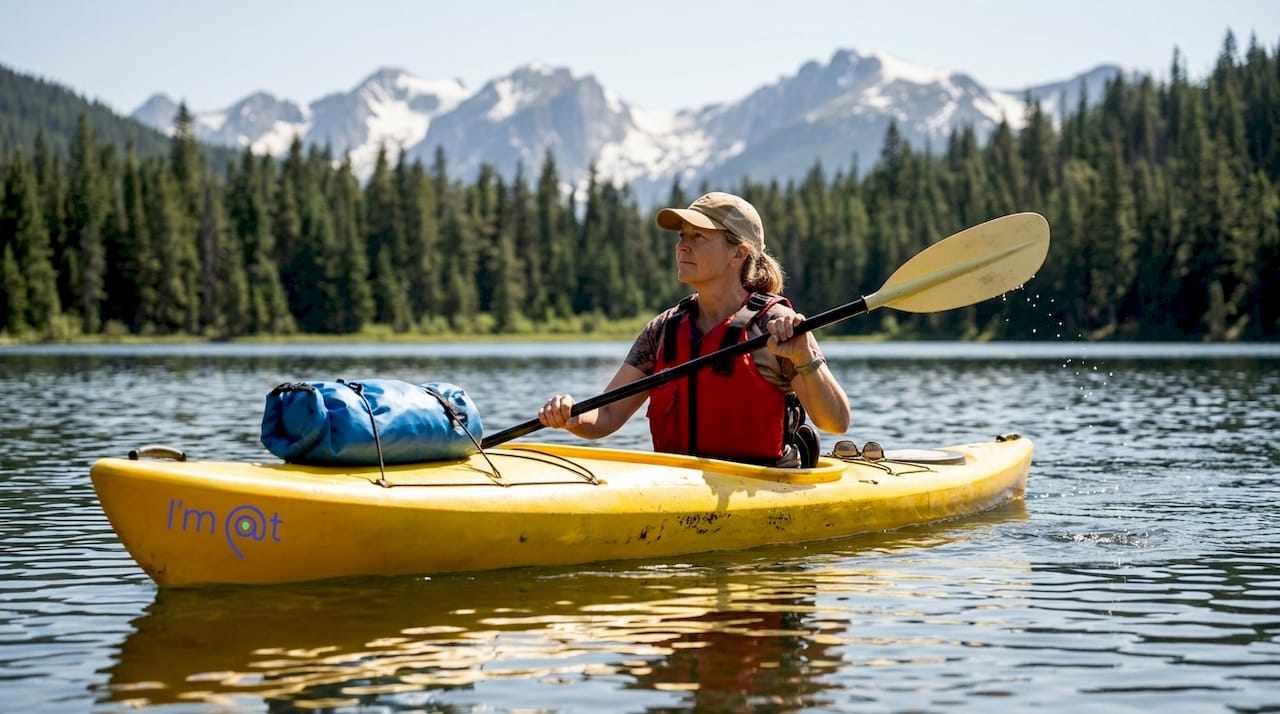
- Kayaking and canoeing: Calm rivers or coastal paddling offer a peaceful but physically engaging experience.
- Wildlife safaris: Guided game drives and walking safaris count as soft adventure and are wildly popular across Africa and Asia.
What makes soft adventure so dominant is its flexibility. You can combine a morning hike with an afternoon cooking class, or pair a cycling tour with a visit to local markets. Explore the full range of travel activity types to see how these experiences stack up against cultural and culinary options.
For a broader look at what qualifies, check out these soft adventure examples from around the world.
Pro Tip: Combine hiking with a local food experience at the trailhead or summit. Several tour operators now offer "hike and dine" packages that turn a physical activity into a full cultural immersion.
Hard adventure activities: Pure adrenaline
For those seeking pure adrenaline, hard adventure activities deliver an intensity that soft options simply cannot match. These experiences push physical and mental limits, and that is exactly the point.
Top hard adventure activities include:
- Skydiving: Freefalling from 10,000 to 15,000 feet at speeds exceeding 120 mph. One of the most iconic bucket-list experiences globally.
- Bungee jumping: A short, sharp burst of terror and exhilaration. Popular in New Zealand, Switzerland, and South Africa.
- Paragliding: Longer airtime than bungee, with stunning aerial views. Requires weather windows and certified pilots.
- Mountaineering: Multi-day ascents of technical peaks. Demands fitness, navigation skills, and proper gear.
- BASE jumping and wingsuit flying: The extreme end of the spectrum, with the highest risk profiles of any adventure sport.
Skydiving, bungee jumping, and paragliding are iconic hard adventure activities, popular for the thrill they deliver but carrying meaningfully higher risk than soft alternatives. Reviewing hard adventure risks before committing to any of these is a smart move.
"The difference between soft and hard adventure is not just risk. It is the depth of preparation required. Hard adventure demands respect for the environment, the activity, and your own limits."
For a full breakdown of what adventure tourism covers across both categories, the adventure tourism guide is a solid starting point.
Water-based and mountain adventures
Water and mountain environments host some of the most thrilling and visually spectacular activities on earth. These categories overlap with both soft and hard adventure depending on the specific activity and conditions.
Popular water-based activities:
- Surfing: Around 35 million surfers worldwide, with hotspots in Portugal, Indonesia, Australia, and Hawaii.
- White-water rafting: Over 5.6 million participants in Europe alone, with rivers graded from beginner to expert.
- Scuba diving: Requires certification but opens up an entirely different world beneath the surface.
- Kayaking: Works across calm lakes, coastal waters, and fast-moving rivers.
Mountain adventure options:
- Rock climbing: Youth participation has surged, with indoor climbing gyms feeding demand for outdoor routes.
- Mountain biking: Over 4.8 million participants in the UK alone, with trail networks expanding globally.
- High-altitude trekking: Routes like the Inca Trail, Everest Base Camp, and Kilimanjaro attract hundreds of thousands annually.
Water-based activities like scuba diving, rafting, surfing, and kayaking see massive participation and consistent market growth year over year. Meanwhile, rock climbing and mountain biking have strong participation rates, especially among youth and experienced outdoor enthusiasts.
| Activity | Skill level | Risk level | Best for |
|---|---|---|---|
| Surfing | Beginner to advanced | Medium | Solo, groups |
| White-water rafting | Beginner to expert | Medium to high | Groups, families |
| Scuba diving | Certified required | Medium | Solo, couples |
| Rock climbing | Intermediate | Medium to high | Solo, pairs |
| Mountain biking | Beginner to advanced | Low to medium | Solo, groups |
If you want to experience both worlds in one trip, the Arrabida adventure circuit in Portugal combines coastal and mountain terrain in a single route. For iconic mountain experiences, Table Mountain hiking in Cape Town is one of the most visited natural landmarks on the continent.
Head-to-head: Comparing adventure activity types
Choosing between activity categories comes down to a few practical factors. Here is how they compare across the dimensions that matter most.
| Category | Accessibility | Risk level | Avg. cost | Best fit |
|---|---|---|---|---|
| Soft adventure | Very high | Low | $ | Families, beginners, groups |
| Hard adventure | Low to medium | High | $$$ | Thrill-seekers, experienced |
| Water-based | Medium | Low to high | $$ | All levels depending on activity |
| Mountain | Medium | Medium to high | $$ | Fit travelers, youth, experts |
Soft adventure dominates market share in terms of volume, while hard adventure attracts higher revenue per participant due to the cost of equipment, training, and certified guides.
Key considerations when comparing:
- Solo travelers often gravitate toward hard adventure or mountain activities for the personal challenge.
- Families almost always do best with soft adventure or beginner-level water activities.
- Groups benefit from activities with flexible difficulty levels, like rafting or cycling tours.
- Budget travelers should prioritize hiking, cycling, and snorkeling, which require minimal gear.
For help finding the right operator for any of these categories, the guide on adventure travel companies covers what to look for and how to vet providers before you book.
Expert picks and insider recommendations
Knowing the categories is one thing. Knowing which specific activities to prioritize for your trip type is where expert insight makes a real difference.
Here are curated picks by traveler type:
- Beginners: Start with guided hiking or a beginner kayaking tour. Low cost, high reward, and you build skills for future trips.
- Families: Wildlife safaris and snorkeling tours are crowd-pleasers across all ages. Look for operators with child-friendly options.
- Thrill-seekers: Paragliding or white-water rafting at Grade IV or V offers serious adrenaline without the extreme risk of BASE jumping.
- Wellness-focused travelers: Combine hiking with yoga retreats or forest bathing programs. These hybrid experiences are growing fast.
- Budget travelers: Cycling tours and coastal hiking trails deliver big experiences at low cost. Many national parks offer free or low-cost access.
Emerging adventure travel trends in 2026 include a rise in culinary adventures, women-only and family-focused trips, cooler destination travel, and a strong push toward sustainable practices. Travelers are increasingly choosing operators who minimize environmental impact and support local communities.
For a unique blend of nature and beach exploration, the 4x4 nature and beach tour is a standout option that combines off-road adventure with coastal scenery in a single experience.
Pro Tip: If sustainability matters to you, ask your operator directly about their environmental certifications and local hiring practices before booking. The best adventure companies are transparent about both.
Explore adventure experiences with IM-AT
You have the framework, the comparisons, and the expert picks. Now it is time to actually go. IM-AT makes it easy to browse and book curated adventure experiences across multiple destinations, all in one place.
Whether you are looking for a coastal 4x4 nature and beach tour, a challenging Table Mountain hiking adventure, or an adrenaline-packed canyoning in Geres National Park, the platform connects you with verified operators and real experiences. No endless research, no guesswork. Just discover adventure experiences that match your travel style and book in minutes. Every listing is designed to help you maximize your time and make every trip count.
Frequently asked questions
What is the difference between soft and hard adventure activities?
Soft adventure activities like hiking are more accessible and lower risk, while hard adventures like skydiving involve greater physical demand, specialized training, and significantly higher risk.
Which adventure activity is safest for beginners?
Hiking, cycling, and snorkeling are the safest starting points for most beginners. Hiking and trekking are accessible to broad demographics and require minimal equipment or prior experience.
What are the fastest-growing adventure activities globally?
Water-based activities like surfing, rafting, and kayaking are growing rapidly, alongside culinary adventures and wellness-focused experiences that blend physical activity with cultural immersion.
How popular is adventure tourism among young travelers?
About 65% of adventure travelers are aged 18 to 34, with youth participation rising sharply in rock climbing and mountain biking over the past several years.
Do adventure activities require special training or equipment?
Hard adventure activities often require certified training and specialized gear, while most soft adventures need minimal equipment and can be enjoyed with basic fitness and a good guide.