
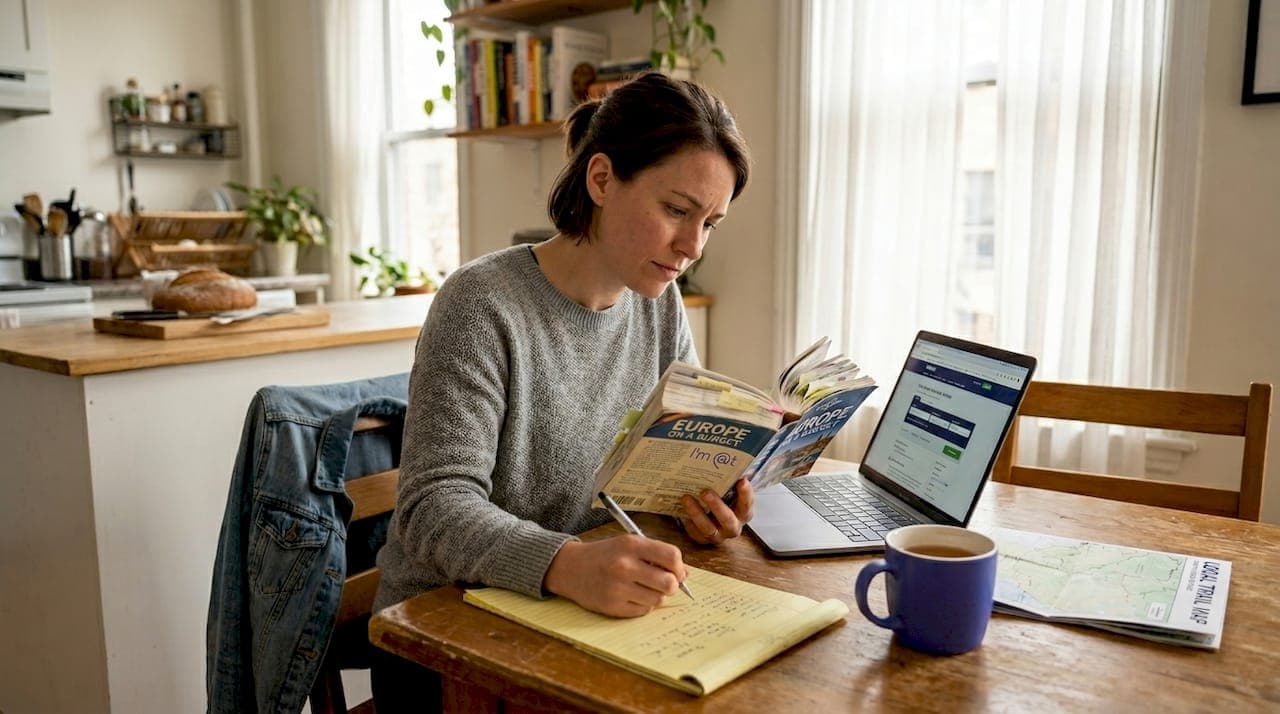
Picking the wrong adventure can flip a dream trip into a stressful, even dangerous, experience faster than you'd expect. You book what looks like an epic white-water rafting trip, only to arrive underprepared, overwhelmed, or stuck with a provider who cuts corners on safety. The good news is that choosing the right adventure experience is a skill you can learn. This guide walks you through a proven, step-by-step approach covering personal fit, risk assessment, provider vetting, seasonal timing, and smart enjoyment strategies so every adventure you book delivers exactly what you came for.
Table of Contents
- Understand what makes an adventure experience right for you
- Assess risks: The essentials of adventure safety
- Know your adventure provider: Credentials and safety track record
- Match adventure type to your location, time, and season
- Maximize enjoyment and minimize regret
- Discover and book unique adventure experiences
- Frequently asked questions
Key Takeaways
| Point | Details |
|---|---|
| Define your adventure style | Choose activities that align with your goals, comfort level, and adventure preferences. |
| Prioritize safety first | Assess both environmental and human risks and choose reputable providers with strong safety records. |
| Check timing and location | Match each adventure to the season, weather, and logistical realities of your trip. |
| Verify your adventure provider | Only book with companies that offer credentials, clear protocols, and excellent reviews. |
| Maximize enjoyment, minimize regrets | Balance excitement with personal limits to ensure memorable and safe adventures. |
Understand what makes an adventure experience right for you
Before you browse listings or compare prices, you need to get honest with yourself about what you actually want. Your adventure comfort zone, fitness level, and expectations are the foundation of every good decision you'll make from here.
Start by asking: Do you want a heart-pounding thrill, a slow cultural immersion, or something in between? Are you traveling solo, with a partner, or managing a mixed-age group with different energy levels? These questions matter more than most people realize. A solo traveler chasing adrenaline has completely different needs than a family looking for a memorable but manageable outdoor day trip.
Here are the most common mismatches that lead to regret:
- Too intense: Booking a multi-day trek when you haven't trained for altitude or distance
- Too mild: Choosing a beginner tour when you're an experienced outdoor enthusiast craving challenge
- Group misalignment: Picking an activity that excites half the group and exhausts the other half
- Cultural mismatch: Expecting a deep local experience but booking a heavily commercialized tour
- Fitness overestimation: Underestimating physical demands because the marketing photos look effortless
Exploring the full range of types of adventure activities helps you map options to your actual preferences rather than just what's trending. If you're newer to this space, understanding what adventure tourism means gives you a clearer picture of the spectrum from soft to hard adventure, so you can place yourself accurately on it.

Pro Tip: Write down three non-negotiables before you search. For example: "must be suitable for a 10-year-old," "must involve water," or "must be under four hours." This filter alone eliminates 80% of poor-fit options immediately.
Assess risks: The essentials of adventure safety
With your preferences clear, your next priority is making sure your adventure is both safe and enjoyable. Risk is part of every outdoor activity, but unmanaged risk is what turns adventures into accidents.
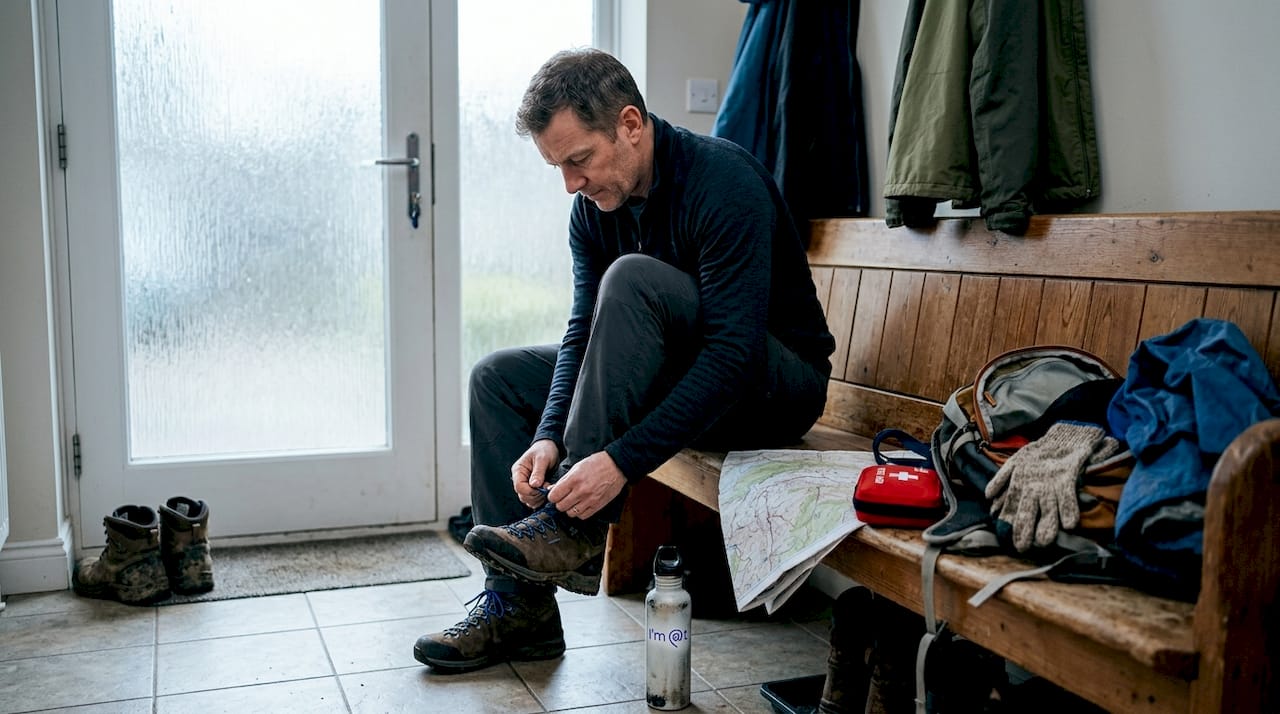
One of the most useful frameworks in outdoor safety is the Dynamics of Accidents formula. It works like this: accident potential increases when Environmental Hazards combine with Human Factors. Environmental hazards include weather, terrain, altitude, and water conditions. Human factors include experience level, fatigue, overconfidence, and poor judgment. When both are elevated at the same time, the risk of a serious incident spikes sharply.
The Outdoor Action Guide on Safety Management recommends that you evaluate environmental hazards, including weather, season, and location, to determine accident potential before committing to any activity. This isn't just pre-trip homework. It's an ongoing process throughout the experience.
| Environmental hazard | Human factor | Combined risk level |
|---|---|---|
| Sudden weather change | Inexperienced group | Very high |
| Steep or unstable terrain | Fatigue or poor fitness | High |
| Fast-moving water | Overconfidence | High |
| Extreme heat or cold | Inadequate gear | Medium to high |
| Remote location | No communication plan | High |
One of the most underestimated dangers in adventure travel is summit fever, the urge to push forward despite warning signs. You've invested time, money, and energy, so turning back feels like failure. It isn't. Knowing when to stop is a skill, not a weakness. Reviewing adventure travel safety tips before you go gives you a mental framework for making those calls under pressure.
"Dynamic risk assessment means continuously evaluating conditions during the activity, not just before it. Red flags on the ground should always override the original plan."
The role of adventure travel companies in managing these risks is significant. Good providers build dynamic risk review into their operations. When exploring new destinations, always check the adventure risk management guide for region-specific hazard information.
Pro Tip: Before booking, ask your provider directly: "What is your process for adjusting the activity if conditions change on the day?" A confident, specific answer is a green flag. Vague reassurance is not.
Know your adventure provider: Credentials and safety track record
Safety begins not only with the activity itself, but also with who's running it. Choosing a trustworthy guide or company is one of the highest-leverage decisions you'll make.
The Outdoor Action Guide outlines a clear risk management process: identify hazards, assess risks, implement controls, and review dynamically. Reputable providers follow this process as standard practice, not as an afterthought.
Here's what to check before you commit to any provider:
- Licensing: Is the company legally registered and permitted to operate in that region?
- Guide certifications: Do guides hold recognized first aid, wilderness, or activity-specific certifications?
- Insurance: Does the company carry liability insurance that covers guests?
- Emergency protocols: What happens if someone is injured or conditions deteriorate rapidly?
- Guide-to-guest ratio: Smaller ratios mean more attention and faster response in emergencies
- Equipment quality: Is gear regularly inspected, maintained, and replaced on schedule?
| Feature to check | Reputable provider | Red flag provider |
|---|---|---|
| Licensing and permits | Clearly displayed or shared on request | Vague or unavailable |
| Guide certifications | Verifiable and current | Unspecified or outdated |
| Insurance coverage | Confirmed in writing | Not mentioned |
| Emergency protocols | Detailed and practiced | "We handle it as needed" |
| User reviews | Consistent, specific, and recent | Generic or sparse |
| Equipment condition | Regularly inspected | Worn or poorly maintained |
User reviews are valuable, but read them critically. Look for patterns rather than individual opinions. Multiple reviews mentioning the same guide by name, or describing the same safety briefing, signal a consistent operation. The role of guides for safety goes far beyond navigation. A great guide reads the group, adjusts the pace, and makes real-time decisions that protect everyone. When you're ready to move forward, booking adventure experiences through platforms that pre-screen providers saves you significant research time.
Match adventure type to your location, time, and season
Once you've verified your adventure provider, it's equally important to choose an experience that suits the practical realities of your trip. The best activity in the world is useless if it's closed, dangerous, or inaccessible when you arrive.
Season and weather conditions can open or shut down entire categories of adventure. River rafting depends on water levels. Mountain trekking has narrow safe windows at altitude. Wildlife safaris peak during specific migration seasons. Ignoring these realities doesn't just reduce enjoyment. It can create genuine safety risks, as environmental hazards tied to season and location are a primary driver of outdoor accidents.
Follow this step-by-step process to match your adventure to your timing:
- Identify your travel window. Lock in your dates before browsing activities, not after.
- Research seasonal conditions for your destination. Check temperature ranges, rainfall, and any known hazard seasons.
- Narrow your activity list to what's genuinely available and safe during your window.
- Confirm availability directly with providers at least two to three weeks in advance for popular experiences.
- Check for local holidays or events that could affect crowds, road access, or guide availability.
- Set a weather alert for your destination in the 72 hours before your activity.
- Ask your provider about backup plans if weather or operational issues arise on the day.
For travelers focused on immersive travel choices, seasonal timing also affects cultural experiences. Festivals, harvest seasons, and local events can make an already great trip extraordinary if you plan around them. Always review seasonal safety considerations for your specific region before finalizing any booking.
Pro Tip: Ask your provider: "What's your cancellation or rescheduling policy if weather makes the activity unsafe?" A clear, fair answer protects your investment and signals a professional operation.
Maximize enjoyment and minimize regret
Having chosen the best fit for location and time, make sure your final pick will maximize fun and minimize disappointment. This is where honest self-assessment and group communication become critical.
The most common source of adventure regret isn't choosing the wrong destination. It's overcommitting to an activity that exceeds your physical or mental limits, or ignoring what the rest of your group actually wants. Fear of missing out is real, but it's a poor decision-making tool.
Assess your physical and mental readiness honestly. If you haven't been active in months, a five-day trekking expedition is a setup for misery, not triumph. Start with something that challenges you without overwhelming you. You can always level up on the next trip.
Here are the most effective regret-avoidance strategies:
- Talk to your group before booking. Align on energy levels, risk tolerance, and must-haves.
- Read the full activity description, not just the highlights. Pay attention to fitness requirements and duration.
- Don't book under social pressure. If someone else is pushing hard for an activity that doesn't feel right to you, that's a signal worth listening to.
- Know your exit options. Can you leave early if needed? Is there a shorter version of the activity available?
- Watch for warning signs on the day: unusual fatigue, weather shifts, or a guide who seems rushed or distracted.
- Build in recovery time. Back-to-back intense activities with no rest day is a recipe for burnout.
For deeper insight into what makes adventure experiences genuinely rewarding, revisiting adventure enjoyment strategies helps you frame your expectations before you go. The goal isn't to survive the experience. It's to love it.
Discover and book unique adventure experiences
You now have a complete framework for choosing adventures that are safe, well-matched, and genuinely exciting. The next step is putting it into practice with a platform that does the heavy lifting for you.
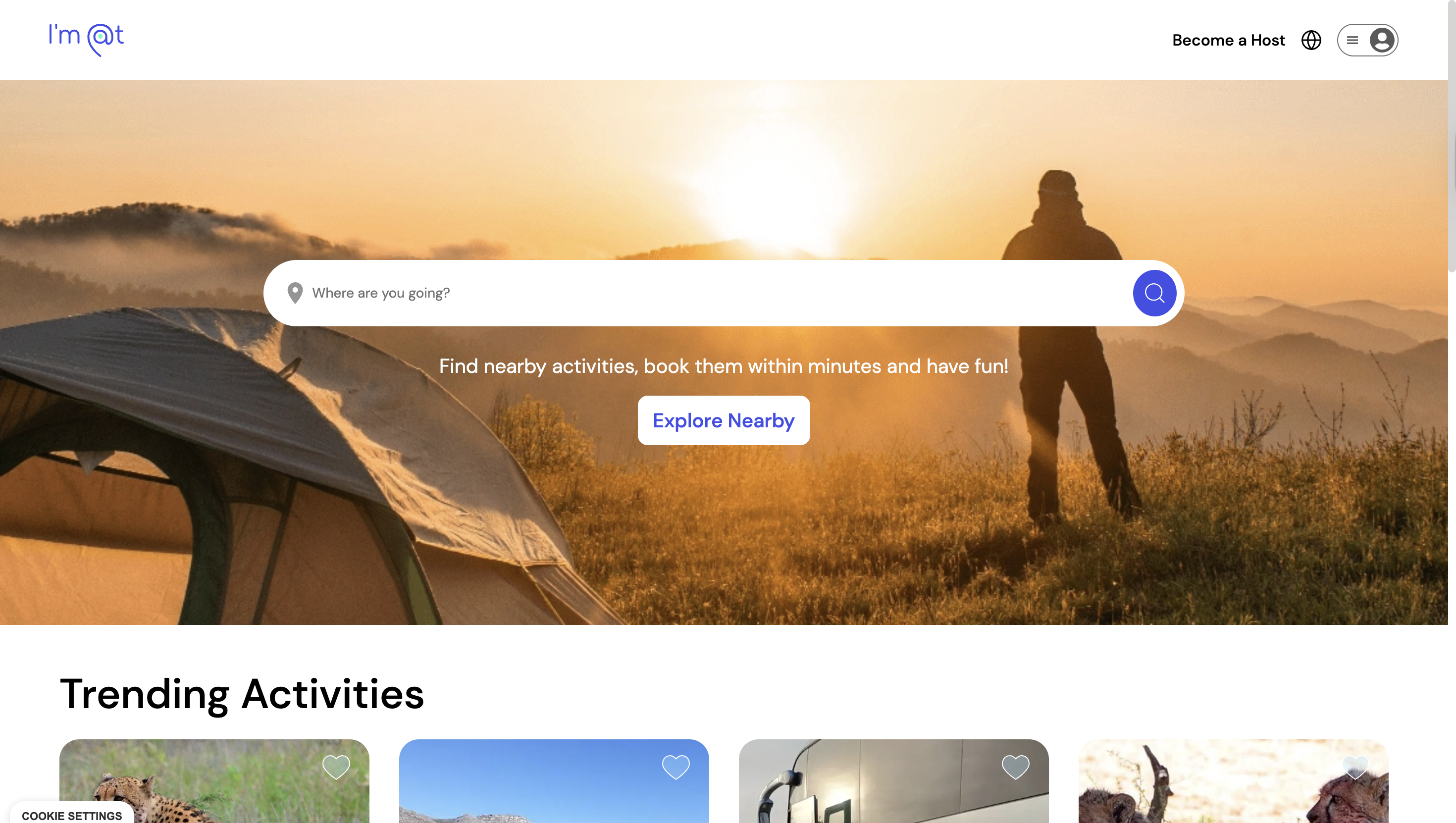
Im-at connects you with pre-vetted providers across a wide range of adventure types, from coastal circuits to iconic natural landmarks. Whether you're planning a solo escape or coordinating a group trip, the platform makes it easy to filter by location, activity type, and availability. Explore the Arrabida Adventure Circuit for a stunning coastal challenge, or consider the Victoria Falls Private Guided Tours for a world-class guided experience. For something fully customized, the Tailor-Made 4x4 Tours let you build an itinerary around your exact preferences. Every listing on Im-at is designed to give you the information you need to apply the steps in this guide and book with confidence.
Frequently asked questions
What are the biggest safety risks in adventure activities?
The biggest risks are environmental hazards such as weather and terrain, combined with human factors like experience level and judgment. When both are elevated simultaneously, accident potential rises sharply.
How do I check if an adventure provider is reputable?
Look for proper licensing, certified guides, valid insurance, and consistent positive reviews before booking. A reputable provider will also have a clear risk management process they can describe to you directly.
Can weather affect my adventure experience?
Yes. Season and weather directly impact safety, availability, and overall enjoyment, so always confirm current conditions and your provider's contingency plan in advance.
What is 'summit fever' and why should I avoid it?
Summit fever is the urge to push forward despite clear warning signs, driven by sunk cost or group pressure. Dynamic risk assessment means recognizing those signs and knowing when turning back is the right call.