
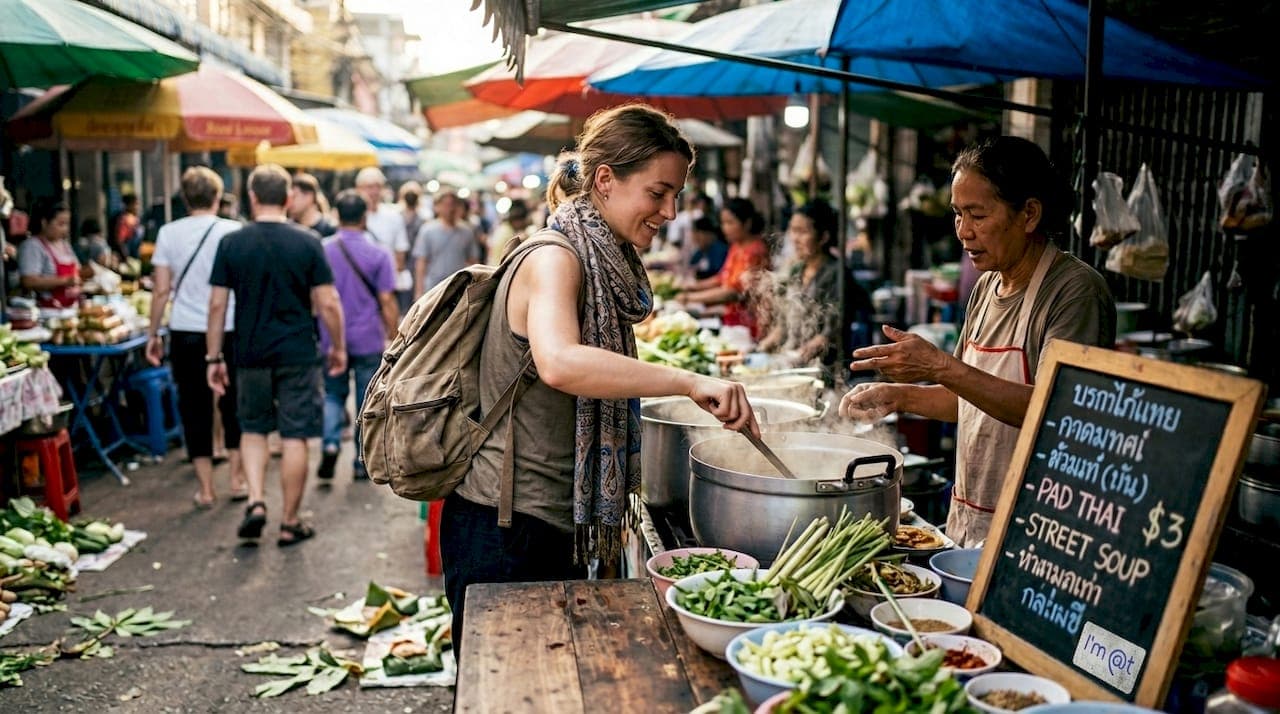
Many travelers assume experiential travel means only extreme adventures or luxury escapes reserved for the wealthy. This misconception limits what could be a transformative approach to exploring the world. Experiential travel encompasses any journey that prioritizes hands-on, sensory engagement with local cultures, from cooking classes in family kitchens to community-led walking tours in your neighboring city. It's about depth over distance, connection over consumption. Whether you're seeking quiet cultural immersion or adrenaline-fueled outdoor pursuits, experiential travel offers pathways to authentic encounters that reshape how you understand both destinations and yourself.
Table of Contents
- Understanding experiential travel: definition and core principles
- The benefits and appeal of experiential travel for modern adventurers
- Challenges and criticisms: avoiding pitfalls in experiential travel
- How to choose and design authentic experiential travel experiences
- Experience authentic travel with I'm @t
- Frequently asked questions
Key takeaways
| Point | Details |
|---|---|
| Multisensory engagement | Experiential travel activates all senses through hands-on activities, local interactions, and emotional connections beyond passive observation. |
| Diverse accessibility | Options range from affordable local workshops to luxury cultural retreats, making immersive travel accessible across budgets and timeframes. |
| Authenticity risks | Over-commercialization and staged experiences can undermine genuine cultural exchange, requiring careful vetting of providers. |
| Sustainability matters | Responsible experiential travel considers environmental impact and community benefit, ensuring positive lasting effects on destinations. |
| Intentional design | Successful immersive journeys combine sensory goals, narrative elements, and local expertise to create memorable transformative experiences. |
Understanding experiential travel: definition and core principles
Experiential travel represents a fundamental shift from viewing destinations as backdrops to engaging with them as living, breathing environments. At its core, experiential travel includes multisensory and immersive qualities distinct from passive tourism. This approach activates sight, sound, taste, touch, and smell while fostering emotional connections that transform casual visitors into active participants. You're not just seeing a market; you're selecting ingredients with a local chef, learning regional cooking techniques, and sharing a meal with community members.
The spectrum of experiential travel extends far beyond stereotypical adventure tourism. Consider these diverse manifestations:
- Quiet luxury visits focusing on artisan workshops and private cultural exchanges
- Short-haul immersive trips exploring your own region's hidden cultural layers
- Community-based tourism initiatives where locals design and lead experiences
- Agricultural stays involving hands-on participation in farming or harvesting
- Urban exploration through neighborhood storytelling and historical reenactments
While experiential travel overlaps with slow and immersive travel philosophies, it distinguishes itself through intentional activity design rather than simply extended duration. A weekend pottery workshop with a master craftsperson delivers experiential depth that a month of hotel-hopping cannot. Quality evaluation frameworks emphasize achieving what experts call "Full Experience" status, where narrative elements, playful discovery, and multisensory engagement converge. These frameworks help travelers and providers assess whether an offering truly delivers transformative potential or merely repackages conventional tourism.
The narrative component proves particularly crucial. Effective experiential travel weaves stories throughout the journey, connecting historical context, personal anecdotes from guides, and your own emerging understanding into a coherent arc. This storytelling transforms isolated activities into meaningful chapters of a larger exploration. Discover more approaches through types of travel activities for immersive trips and master immersive cultural experiences that emphasize these principles.
The benefits and appeal of experiential travel for modern adventurers
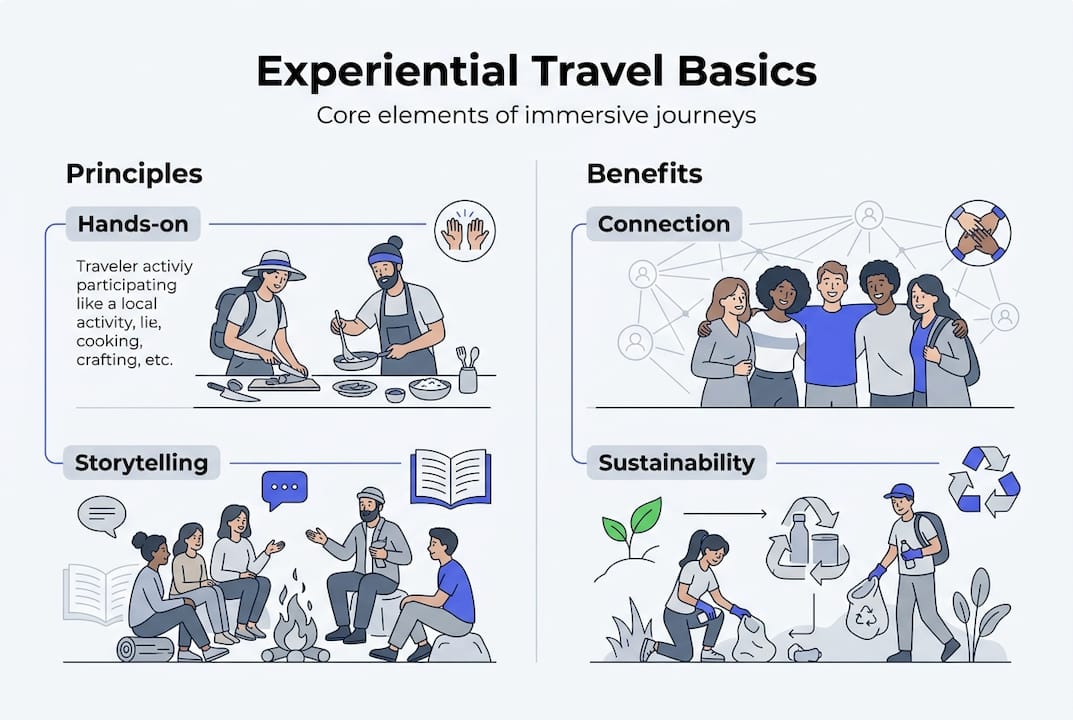
The experiential travel sector has exploded in 2026, driven by travelers seeking substance over superficiality. Research confirms that multi-experience combinations in reviews drive intentions, with travelers reporting significantly higher satisfaction when journeys blend multiple sensory activities and cultural touchpoints. A safari paired with village homestays creates richer memories than either experience alone. This synergy explains why modern adventurers increasingly design trips around experiential layers rather than destination checklists.
Several compelling benefits fuel this growth:
- Emotional resonance that creates lasting memories tied to personal growth and discovery
- Cultural competency development through direct interaction with diverse communities
- Stress reduction and mindfulness fostered by present-moment engagement
- Authentic relationship building with locals and fellow travelers sharing meaningful activities
- Self-discovery opportunities as unfamiliar challenges reveal hidden capabilities
Sustainability considerations amplify experiential travel's appeal among conscious travelers. When you learn traditional textile techniques from indigenous weavers who earn fair compensation, or participate in reef restoration projects led by marine biologists, your travel dollars directly support cultural preservation and environmental protection. This reciprocal value exchange addresses growing concerns about tourism's extractive nature, transforming visitors from consumers into contributors.
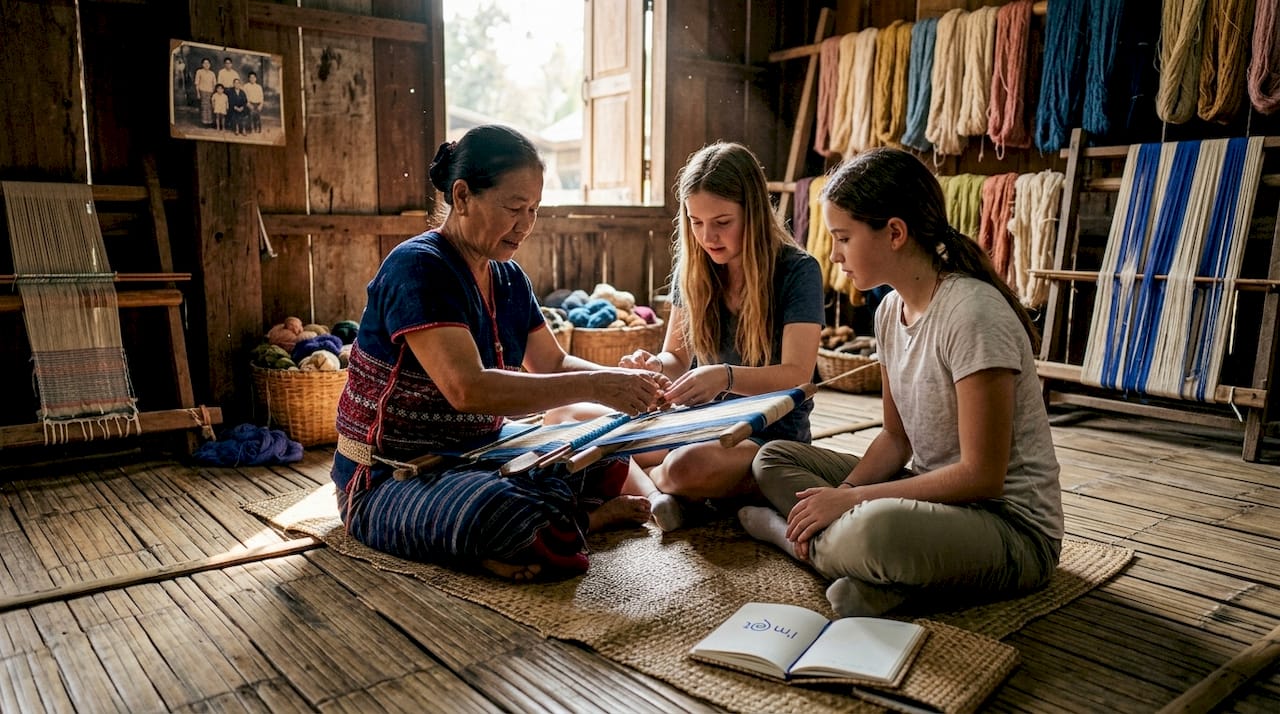
The storytelling dimension extends beyond the trip itself. Experiential travelers return home with narratives that transcend "I saw this landmark." Instead, you share how you learned to identify medicinal plants during a rainforest walk, or the conversation you had with a fourth-generation winemaker about climate adaptation. These stories reflect personal transformation, making your journey relevant and inspiring to others.
Pro Tip: Document your experiential travel through sensory journals rather than just photos. Record smells, textures, tastes, and emotional responses in the moment. These details resurrect memories more vividly than images alone and help you process transformative experiences.
Modern platforms now facilitate personalized experiential journey design, connecting you with role of adventure travel companies and resources for exploring new destinations through immersive lenses. This democratization means experiential travel no longer requires extensive research or insider connections, though discernment remains essential.
Challenges and criticisms: avoiding pitfalls in experiential travel
Experiential travel's popularity has spawned a troubling shadow industry of manufactured authenticity. Travelers report that inauthentic experiences and overtourism lead to disappointment, with staged cultural performances and commercialized "local" encounters delivering the opposite of promised immersion. One traveler described a "traditional village experience" where residents clearly performed rehearsed routines for rotating tourist groups, creating an uncomfortable dynamic that felt exploitative rather than educational.
Several critical challenges threaten experiential travel's integrity:
- Staged authenticity where communities perform caricatured versions of their culture for visitor consumption
- Over-commercialization that prioritizes profit over genuine cultural exchange and education
- Overtourism concentrating experiential seekers in the same "authentic" locations, degrading the very qualities they seek
- Cultural commodification reducing living traditions to marketable products stripped of deeper meaning
- Performative participation where travelers check boxes without meaningful engagement or reflection
The self-discovery narrative central to experiential travel marketing also faces legitimate criticism. Focusing exclusively on personal transformation can blind travelers to complex local realities, power dynamics, and the potential burden their presence places on host communities. When you frame a destination primarily as a backdrop for your journey of self-actualization, you risk perpetuating colonial tourism patterns that center Western experiences over local agency.
"The pursuit of authentic experiences often reveals more about what travelers want to believe about themselves than about the places they visit. True cultural exchange requires humility, not just participation."
Overtourism compounds these issues in popular experiential destinations. When thousands of travelers seek the same "off the beaten path" cooking class or artisan workshop, the infrastructure supporting genuine local life buckles under demand. Prices inflate, residents relocate, and the authentic community fabric tourists came to experience dissolves.
Recognizing these pitfalls requires developing critical evaluation skills. Question whether an experience benefits the community proportionally, whether locals maintain control over how their culture is presented, and whether your participation respects boundaries or crosses into intrusion. Explore community tourism guide principles and review top examples of cultural tours that prioritize ethical engagement to build discernment.
How to choose and design authentic experiential travel experiences
Curating meaningful experiential travel demands intentional evaluation beyond marketing promises. Start by clarifying your sensory and emotional objectives. Are you seeking physical challenge, creative expression, spiritual reflection, or cultural education? This foundation guides selection toward experiences aligned with your growth goals rather than generic bucket list items.
Follow this systematic approach to identify quality offerings:
- Research provider backgrounds and community relationships, prioritizing locally owned operations with transparent revenue sharing
- Read detailed reviews focusing on depth of interaction and guide expertise rather than just satisfaction ratings
- Verify small group sizes that enable meaningful exchange, typically under twelve participants
- Confirm experiences include unstructured time for organic interactions beyond programmed activities
- Assess whether pricing reflects fair compensation for local participants and sustainable operations
- Contact providers directly with specific questions about cultural sensitivity protocols and community benefit
Research confirms that balanced design incorporating play, narrative, and sustainability creates the most impactful experiential travel. Playful elements reduce self-consciousness, allowing authentic engagement. Narrative framing provides context that transforms activities into meaningful chapters. Sustainability considerations ensure your participation leaves positive ripples.
This comparison table helps evaluate experiential quality:
| Factor | High Quality Indicators | Red Flags | | --- | --- | | Local involvement | Community members lead and design experiences | External companies package local culture | | Group dynamics | Small groups with shared interests | Large groups with superficial interaction | | Cultural depth | Historical context and contemporary relevance explained | Surface-level exposure without context | | Flexibility | Adaptable itineraries responding to conditions | Rigid schedules prioritizing efficiency | | Follow-up | Resources for continued learning and connection | Transactional relationship ending at checkout |
Pro Tip: Design experiential itineraries using the "anchor plus exploration" model. Book one or two deep immersive experiences as anchors, then leave unstructured days for spontaneous discoveries. This balance prevents exhaustion while maintaining flexibility for unexpected opportunities.
Consider combining complementary experience types. Pair physically demanding activities with contemplative cultural exchanges. Follow urban exploration with nature immersion. These contrasts create rhythm while engaging different dimensions of awareness. Resources like travel experience curation guide and top types of local activities offer frameworks for thoughtful combination strategies.
Sustainability extends beyond environmental impact to encompass cultural preservation and economic equity. Choose experiences that teach skills locals value preserving, support traditional livelihoods threatened by modernization, and contribute to community-identified development priorities rather than external agendas.
Experience authentic travel with I'm @t
Ready to transform how you explore the world? I'm @t connects you with carefully curated experiential travel opportunities that prioritize authentic cultural exchange over superficial tourism. Our platform features locally led adventures spanning culinary immersion, artisan workshops, nature expeditions, and community-based cultural tours designed by the people who call these places home.

Whether you're drawn to the vibrant cultural tapestry of urban centers or the raw beauty of wilderness landscapes, I'm @t simplifies discovering and booking experiences that align with your values and interests. Explore options like the Cape Town cultural tours that blend historical insight with contemporary urban culture, or immerse yourself in living traditions through the Lesedi Cultural Village tour where multiple indigenous communities share their heritage. Each experience vetted on our platform emphasizes sustainability, fair compensation for local guides, and the kind of depth that creates lasting transformation. Start designing your next immersive journey today.
Frequently asked questions
What exactly defines experiential travel?
Experiential travel prioritizes active participation and multisensory engagement over passive observation. It involves hands-on activities, direct interaction with local communities, and emotional connections that create lasting personal impact. Unlike conventional sightseeing, experiential travel transforms you from spectator to participant through cooking classes, artisan workshops, community projects, or guided cultural exchanges.
Is experiential travel always expensive?
Experiential travel spans all budget levels. While luxury immersive retreats exist, many authentic experiences cost less than conventional tourism. Local cooking classes, community-led walking tours, agricultural homestays, and artisan workshops often price affordably because they're designed by locals rather than international tour operators. The key investment is time and intentionality rather than money.
How do I avoid staged or fake authentic experiences?
Research provider backgrounds thoroughly, prioritizing locally owned operations with transparent community partnerships. Read detailed reviews focusing on interaction quality and cultural depth. Ask direct questions about how experiences benefit host communities and whether locals maintain control over cultural presentation. Small group sizes and unstructured time for organic interaction typically indicate genuine offerings over manufactured performances.
What's the difference between experiential travel and slow travel?
Slow travel emphasizes extended stays and unhurried exploration of fewer destinations, while experiential travel focuses on the quality and depth of activities regardless of duration. A weekend pottery intensive can be highly experiential, while a month-long trip moving between hotels remains superficial. The approaches overlap when slow travel incorporates immersive local engagement, but experiential travel doesn't require extended timeframes.
Can experiential travel support sustainability?
When designed thoughtfully, experiential travel actively supports sustainability by directing tourism revenue to local communities, preserving traditional skills and knowledge, and fostering cultural exchange that builds mutual respect. Choose experiences that prioritize fair compensation, environmental responsibility, and community-identified development goals. Avoid operations that exploit cultural traditions or concentrate tourist impact unsustainably.
How do I start planning my first experiential trip?
Begin by identifying your interests and growth objectives rather than just destinations. Research locally led experiences in regions that align with those interests. Start with one or two anchor immersive activities, leaving flexibility for spontaneous discoveries. Connect with platforms specializing in authentic cultural exchange, read provider backgrounds carefully, and don't hesitate to ask detailed questions about community involvement and sustainability practices before booking.