
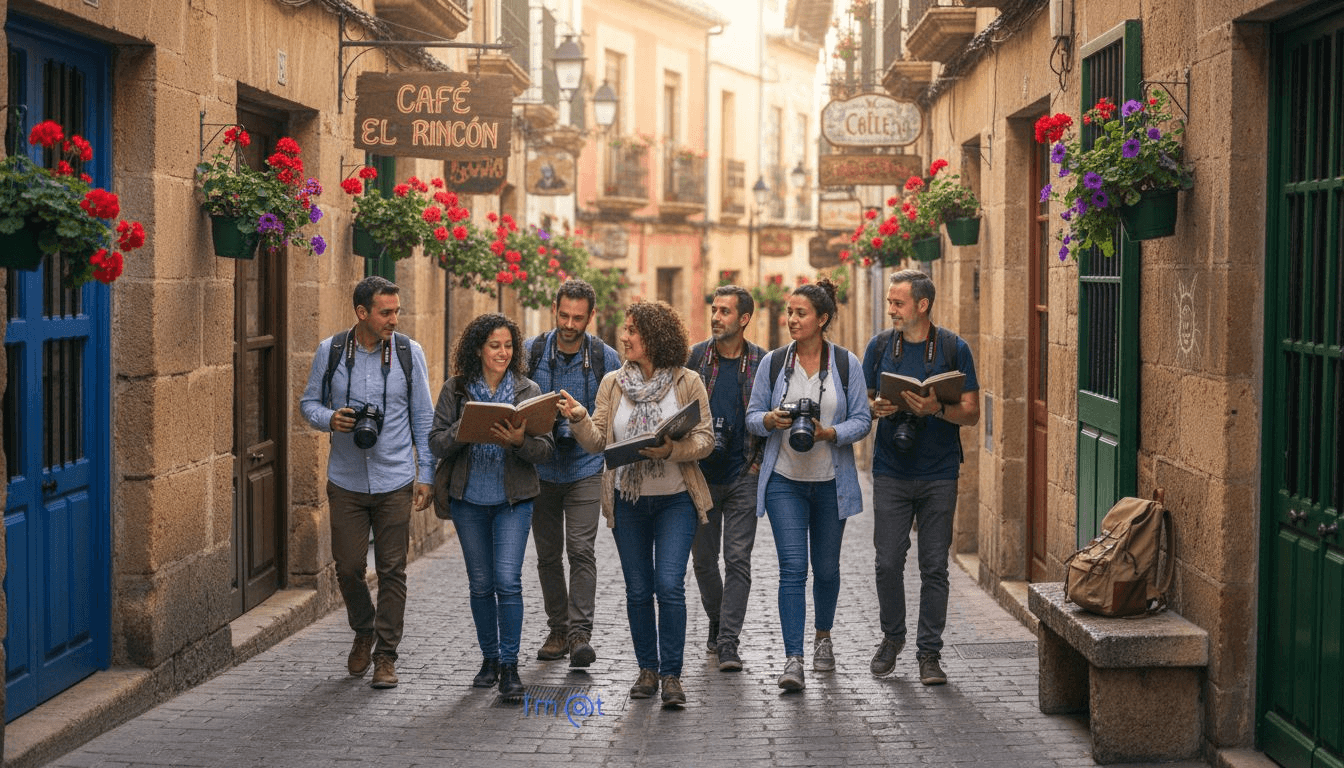
Choosing a cultural tour that delivers authentic connection to a destination's heritage can feel overwhelming. With countless options promising immersive experiences, how do you distinguish genuine cultural engagement from staged performances designed solely for tourists? This article presents standout examples of cultural tours from diverse destinations worldwide, offering clear criteria to evaluate authenticity, sustainability, and community impact. You'll discover tours that preserve traditions while economically empowering local communities, learn what red flags to avoid, and gain practical frameworks for selecting experiences that create meaningful memories while respecting cultural integrity.
Table of Contents
- Key criteria to evaluate cultural tours
- Top examples of cultural tours around the world
- Comparing cultural tours: features, benefits, and sustainability
- Explore unforgettable cultural and nature tours with I'm @t
- FAQ
Key takeaways
| Point | Details |
|---|---|
| Cultural tours empower communities | Authentic tours provide economic benefits while preserving heritage and traditions. |
| Beware of commoditization | Some tours fabricate culture or stage events, diluting authenticity for commercial gain. |
| Sustainability matters | Ethical tours minimize environmental impact and support local economies long term. |
| Community involvement signals quality | Local participation ensures respectful cultural exchange and meaningful experiences. |
| Clear criteria guide selection | Evaluate authenticity, sustainability, educational value, and cultural respect when choosing tours. |
Key criteria to evaluate cultural tours
Selecting a cultural tour requires more than reading marketing descriptions. You need concrete criteria to distinguish tours that honor cultural traditions from those that exploit them. Understanding these evaluation standards helps you invest in experiences that benefit both you and the communities you visit.
Authenticity stands as the foundation of meaningful cultural tours. Tours should represent true cultural practices rather than staged performances created for tourist consumption. When thematic tourist trails contribute to local development, they integrate genuine heritage interpretation with visitor experience design. Look for tours led by community members who share personal stories and family traditions, not scripted narratives designed to maximize tips.
Community involvement separates ethical tours from extractive ones. When locals participate in tour design, delivery, and profit sharing, you experience authentic cultural exchange rather than observation. Ethnic tourism issues and ethical considerations reveal how tours can either support or harm communities. Ask tour operators about their community partnerships and how revenue flows to local families.
Sustainability encompasses environmental protection and economic viability. Quality tours minimize ecological footprints through small group sizes, responsible transportation, and waste reduction. They also create lasting economic benefits by employing local guides, sourcing from community businesses, and investing in cultural preservation. Tours that prioritize immersive cultural experiences balance visitor access with long term community wellbeing.
Educational value transforms tours from entertainment into learning opportunities. Effective tours enhance your understanding of traditions, historical context, and contemporary challenges facing communities. Guides should explain cultural significance, answer questions thoughtfully, and provide resources for continued learning. Tours lacking educational depth often rely on superficial stereotypes.
Respect for cultural integrity prevents commodification that dilutes meaning. Tours should honor sacred practices, maintain appropriate boundaries, and avoid turning living culture into museum exhibits. Communities should control how their culture is presented and retain authority to decline participation in activities that feel exploitative.
Pro Tip: Research tour operators' community partnerships before booking. Operators with transparent relationships, local ownership stakes, and published sustainability commitments typically deliver more authentic experiences.
Top examples of cultural tours around the world
Examining specific tours that exemplify quality criteria helps you recognize excellence when evaluating options. These examples span continents and cultural contexts, demonstrating how authentic tours manifest across different settings.
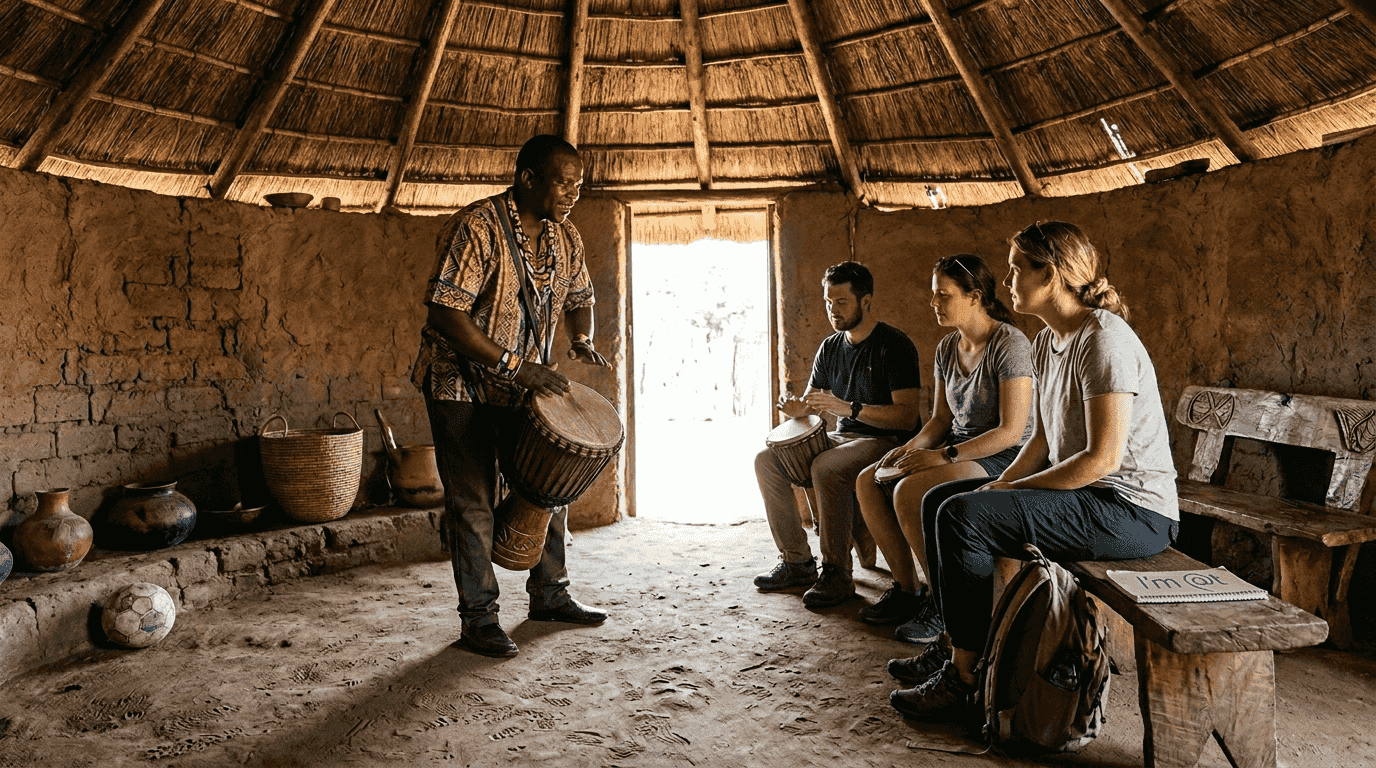
The Lesedi Cultural Village tour in South Africa stands as a premier example of community centered cultural tourism. This experience introduces visitors to Zulu, Xhosa, Pedi, Basotho, and Ndebele cultures through interactive demonstrations, traditional meals, and storytelling by community members. Unlike staged performances, Lesedi employs residents who share genuine cultural knowledge passed through generations. Visitors participate in dance, learn about traditional architecture, and engage in conversations about contemporary life in these communities. The Lesedi cultural village tour demonstrates how multiple ethnic groups can collaborate to present their distinct identities while maintaining cultural authenticity.
Portugal's Sintra Pena Palace and Quinta da Regaleira tour blends architectural heritage with local legends for immersive storytelling. This experience moves beyond simple monument viewing by weaving historical context, mystical traditions, and cultural significance into guided exploration. The Sintra Pena and Regaleira tour employs local guides who share family stories and regional folklore alongside architectural details. Visitors gain insight into Portuguese Romanticism, Masonic symbolism, and the cultural forces that shaped these UNESCO World Heritage sites.
Ethnic region tours in China showcase traditional crafts, performing arts, and architecture while supporting both preservation and economic development. Integration of culture and tourism in China's ethnic regions creates opportunities for communities to maintain traditional practices through tourism revenue. These tours often include homestays with local families, participation in traditional festivals, and workshops where visitors learn crafts like embroidery, pottery, or paper cutting directly from artisans. Economic incentives encourage younger generations to continue cultural practices that might otherwise disappear.
Selected tours emphasize direct engagement rather than observation. Quality experiences invite participation in cooking traditional meals, learning basic phrases in local languages, or joining in community celebrations. This active involvement creates deeper understanding and memorable connections. Commercialization, culture tourism: economic authenticity balance shows how tours can generate jobs and empower locals economically while maintaining cultural integrity through thoughtful design.
These examples share common elements: local leadership, transparent community benefit, educational depth, and respect for cultural boundaries. They prove that commercial viability and cultural authenticity can coexist when tours prioritize community needs alongside visitor satisfaction.
Comparing cultural tours: features, benefits, and sustainability
Direct comparison helps you weigh options when multiple tours appeal to you. Examining tours side by side reveals trade offs between accessibility, depth, sustainability, and cultural impact.
Authenticity levels vary significantly across tours. Community led experiences like Lesedi Cultural Village score highest because residents control presentation and share lived experiences. Heritage site tours like Sintra rank well when guides possess deep local knowledge and avoid superficial narratives. Tours marketed as cultural but designed primarily for mass tourism often sacrifice authenticity for convenience, offering scripted performances that oversimplify complex traditions.
Economic benefit to locals depends on ownership structures and revenue distribution. Tours owned by community cooperatives or social enterprises typically return 60 to 80 percent of revenue to local families. Corporate owned tours may employ local guides but extract most profits to distant shareholders. Ask operators about their business model and how tourism income supports community development projects like schools, healthcare, or cultural centers.
Environmental footprints differ based on group size, transportation methods, and resource consumption. Small group tours using public transit or walking minimize impact. Large bus tours to remote villages strain infrastructure and ecosystems. Sustainable development goals in tourism provide frameworks for evaluating environmental practices. Look for tours with verified sustainability certifications or published environmental commitments.
Visitor engagement quality ranges from passive observation to active participation. Interactive tours teaching traditional skills or inviting you to join community activities create stronger connections than tours where you simply watch demonstrations. Depth of cultural insight correlates with guide expertise and time spent in each location. Rushed itineraries covering multiple sites superficially deliver less value than focused experiences exploring one community thoroughly.
Accessibility presents trade offs with immersive depth. Tours to remote villages offer profound cultural encounters but require physical stamina, flexible schedules, and higher costs. Urban cultural centers provide easier access but sometimes feel less authentic. Consider your priorities when balancing convenience against depth. The community tourism guide helps you understand these trade offs.
Pro Tip: Choose tours with verified community involvement and sustainable certifications for ethical travel. Third party certifications like Fair Trade Tourism or Green Globe indicate operators meet rigorous standards for community benefit and environmental responsibility.
Explore unforgettable cultural and nature tours with I'm @t
I'm @t connects you with carefully curated cultural tours that prioritize authenticity, community benefit, and sustainable travel. Our platform features experiences designed by local experts who understand how to balance visitor enjoyment with cultural respect and environmental protection.
Explore popular options like the Lesedi cultural village day tour, where you engage with five South African ethnic groups through interactive demonstrations, traditional meals, and storytelling. Or discover Portugal's architectural and mystical heritage through the Sintra Pena Regaleira guided tour, blending history with local legends.
Our tours emphasize direct community involvement, ensuring your travel spending supports local families and cultural preservation. Visit the I'm @t tours homepage to browse our full catalog of cultural and nature experiences worldwide, filter by destination or interest, and book immersive adventures that create lasting memories while respecting the communities you visit.
FAQ
What are cultural tours?
Cultural tours are immersive travel experiences focused on exploring a destination's heritage, traditions, and local culture through direct engagement with communities. They typically include activities like visiting historical sites, participating in traditional practices, learning local crafts, and sharing meals with residents. Quality cultural tours prioritize authentic representation over staged performances.
How to identify authentic cultural tours?
Look for tours with strong community involvement where locals participate in design, delivery, and profit sharing. Check for transparent information about revenue distribution and community partnerships. Authentic tours employ local guides who share personal stories rather than scripted narratives. Third party certifications and published sustainability commitments also signal quality.
Why are sustainable practices important in cultural tours?
Sustainable practices preserve both culture and environment, ensuring benefits extend to locals and future travelers. They minimize negative impacts like environmental degradation, cultural commodification, and economic exploitation. Tours following sustainable principles create lasting economic opportunities that incentivize cultural preservation rather than extraction. Communities can maintain traditions while improving quality of life.
Can cultural tours help preserve dying arts?
Yes, cultural tours create economic incentives that encourage younger generations to continue traditional practices. When artisans earn income teaching crafts or performing traditional arts for visitors, these skills gain value beyond cultural significance. Tourism revenue can fund apprenticeship programs, cultural centers, and festivals that keep traditions alive. However, tours must balance commercial viability with cultural integrity.
What should I avoid when choosing cultural tours?
Avoid tours that commodify or fabricate culture, prioritizing commercial value over authenticity. Red flags include staged performances presented as genuine traditions, tours with no visible community involvement, operators unwilling to discuss revenue distribution, and experiences that disrespect cultural boundaries or sacred practices. Tours marketed primarily on exotic stereotypes often lack depth and exploit rather than support communities.