
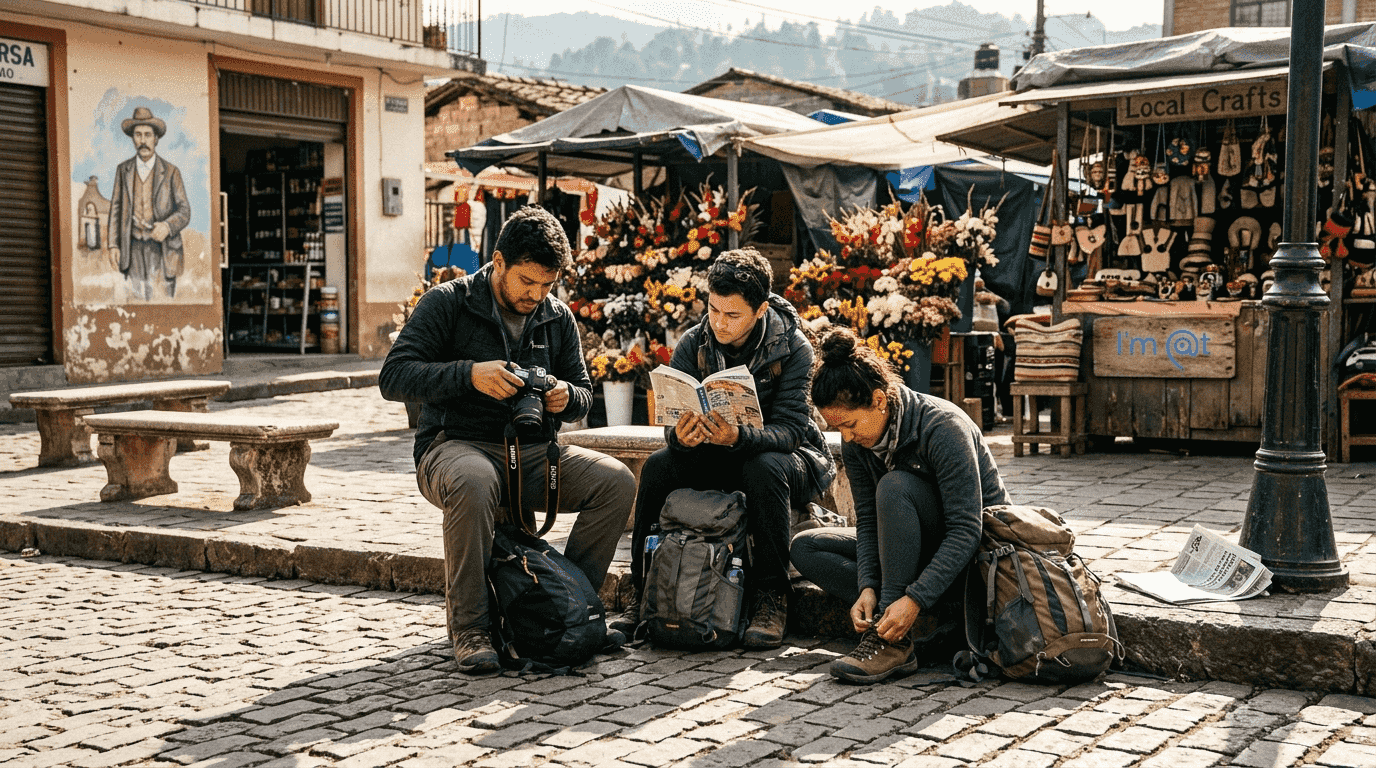
Choosing local activities can make or break your travel experience. With endless options from guided cultural tours to backcountry adventures, travelers often struggle to identify which experiences deliver authentic engagement versus tourist traps. This article provides a clear framework for evaluating local activities based on ecotourism principles, cultural authenticity, and traveler needs. You'll discover the top activity types worldwide, compare popular options, and learn how to match experiences to your travel style for truly memorable adventures.
Table of Contents
- How to evaluate local activities: key criteria for travelers
- Top types of local activities for authentic travel experiences
- Comparing local activities: adventure towns, ecotourism, and cultural immersion
- Choosing the right local activities for your travel style and needs
- Discover and book unique local activities with I'm @t
Key takeaways
| Point | Details |
|---|---|
| Ecotourism prioritizes conservation | Activities must support local communities and minimize environmental impact while deepening traveler understanding. |
| Adventure towns offer unique blends | Small destinations combine outdoor activities with authentic local culture away from crowded tourist hubs. |
| Cultural immersion creates meaning | Active participation in local traditions provides deeper connections than passive observation. |
| Guided tours add value | Expert local guides enhance experiences through knowledge, logistics support, and cultural context. |
| Personalization matters most | Matching activities to your physical ability, interests, and group needs ensures satisfaction. |
How to evaluate local activities: key criteria for travelers
Authentic local activities share common characteristics that separate genuine experiences from commercialized tourist attractions. Understanding these criteria helps you identify worthwhile options and avoid disappointment.
Ecotourism activities must contribute to conservation, provide financial benefits to local communities, minimize environmental impact, respect cultures, and deepen traveler understanding of the natural world. These five pillars form the foundation for evaluating any nature-based or cultural activity. When tour operators claim sustainability credentials, verify they actively support local employment, use environmentally responsible practices, and partner with community organizations.
Cultural sensitivity extends beyond ecotourism into all local activities. Authentic experiences involve respectful interaction with traditions, ceremonies, and daily life rather than staged performances for tourists. Look for activities where local guides share their own stories and perspectives, creating genuine cultural exchange. This approach supports community tourism by directing economic benefits to residents rather than external corporations.
Knowledgeable local guides transform ordinary activities into educational journeys. Expert guides provide context about history, ecology, and cultural practices that you'd miss exploring independently. They also navigate logistics, language barriers, and safety considerations while respecting local customs. When booking any activity, research guide qualifications and read reviews focusing on their expertise and cultural awareness.
Pro Tip: Watch for greenwashing by checking if operators provide specific details about their conservation contributions and community partnerships rather than vague sustainability claims.
Evaluating activities against these standards helps you choose travel activity types that deliver meaningful experiences while supporting local economies and preserving cultural heritage. The next section explores specific activity categories that exemplify these principles across different travel styles and destinations.
Top types of local activities for authentic travel experiences
Five distinct activity types dominate the landscape of authentic local experiences, each offering unique opportunities for cultural connection and adventure.
Outdoor adventures range from accessible day hikes to technical pursuits like backcountry skiing and freediving. These activities connect you directly with regional landscapes and natural features. Mountain biking through rural villages, kayaking coastal waters, or trekking to remote viewpoints all provide physical engagement with local environments. The best outdoor activities incorporate cultural elements, such as visiting traditional mountain communities or learning about indigenous land management practices during wilderness excursions.
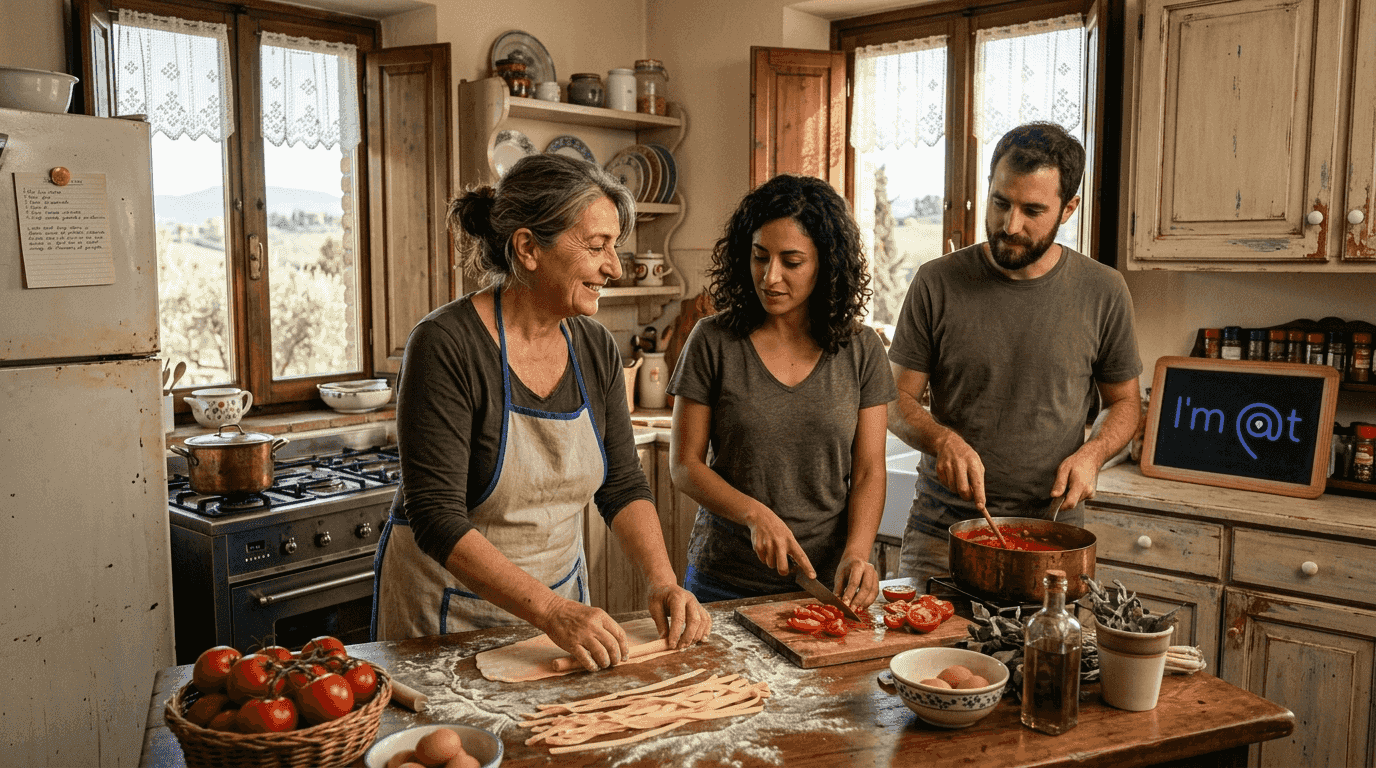
Cultural immersion activities prioritize active participation over observation. Cooking classes with local families, traditional craft workshops, participation in ceremonies, and storytelling sessions with community elders create meaningful exchanges. These experiences often take place in homes, community centers, or cultural villages rather than commercial tourist venues. You learn by doing, whether that means weaving textiles, preparing regional dishes, or participating in traditional music and dance.
Ecotourism-focused wildlife viewing emphasizes ethical observation practices and conservation education. Responsible operators maintain safe distances from animals, limit group sizes, support habitat protection, and employ local naturalist guides. Activities include bird watching tours, marine life snorkeling, safari drives with conservation components, and visits to wildlife rehabilitation centers. The focus extends beyond seeing animals to understanding ecosystems and conservation challenges.
Small adventure towns provide concentrated access to diverse activities within authentic local settings. These destinations blend outdoor recreation with cultural attractions, local food scenes, and community events. Unlike major tourist cities, they maintain genuine local character while offering visitor infrastructure. Exploring these communities often reveals hidden gems like family-run restaurants, artisan workshops, and lesser-known natural attractions.
Guided tours combine multiple elements into structured experiences with expert leadership. The tour includes waterfalls, volcano views, cultural sites, and panoramic stops with transport and guides included for a smooth experience. Comprehensive day trips handle logistics while maximizing your exposure to regional highlights. Quality guided experiences also incorporate gastronomic experiences, immersive cultural encounters, and outdoor activities like hiking and caving into cohesive itineraries.
Pro Tip: Mix activity types during longer trips to balance physical exertion with cultural learning and create a more complete understanding of your destination.
Each activity type serves different traveler preferences and trip objectives. Understanding their distinct characteristics helps you build itineraries that match your interests and energy levels while ensuring authentic local engagement.
Comparing local activities: adventure towns, ecotourism, and cultural immersion
Direct comparison reveals how popular activity categories differ in impact, accessibility, and traveler experience, helping you prioritize based on your values and constraints.
Small adventure towns like Crested Butte, Colorado and Wanaka, New Zealand blend outdoor activities with local culture and offer alternatives to crowded destinations. These communities typically feature independent businesses, authentic local food scenes, and residents genuinely engaged in outdoor lifestyles rather than catering exclusively to tourists. They provide infrastructure for activities without the commercialization of major resort towns.
Ecotourism activities prioritize environmental conservation and community benefit over entertainment value alone. They often involve education about ecosystems, conservation challenges, and sustainable practices. While potentially more expensive due to smaller group sizes and specialized guides, ecotourism directly funds habitat protection and local employment. Accessibility varies widely, from easy nature walks to challenging wilderness expeditions.
Cultural immersion experiences emphasize active participation and personal interaction with local communities. They create opportunities for genuine cultural exchange through shared activities rather than staged performances. These experiences typically require more time investment and openness to unfamiliar situations but deliver deeper understanding and memorable personal connections. Language barriers may present challenges, though they also create opportunities for non-verbal communication and shared learning.
| Activity Type | Environmental Impact | Cultural Authenticity | Physical Demand | Cost Range | Best For |
|---|---|---|---|---|---|
| Adventure Towns | Moderate, varies by activity | High, real communities | Low to high options | Medium | Diverse interests, longer stays |
| Ecotourism | Low, conservation-focused | Medium to high | Varies widely | Medium to high | Nature lovers, conscious travelers |
| Cultural Immersion | Low | Very high | Usually low | Low to medium | Cultural learners, patient travelers |
| Guided Tours | Moderate | Medium, curated | Customizable | Medium to high | First-time visitors, convenience seekers |
Adventure towns excel for travelers wanting variety and authentic local atmosphere without sacrificing comfort or activity options. Ecotourism suits those prioritizing environmental responsibility and wildlife experiences. Cultural immersion serves travelers seeking deep community connections and hands-on learning. For more detailed exploration of these categories, review our comparison of travel activities.
Consider combining elements from multiple categories to create balanced itineraries. Spend mornings on guided nature tours, afternoons exploring adventure towns independently, and evenings participating in cultural activities. This approach maximizes learning while preventing activity fatigue.
Choosing the right local activities for your travel style and needs
Matching activities to your capabilities, interests, and group dynamics ensures satisfying experiences rather than frustrating mismatches.
Assess physical requirements honestly before booking. Activity descriptions often understate difficulty levels to attract broader audiences. Research specific elevation gains, distance, terrain type, and technical skills required. If you have mobility limitations, contact operators directly about accessibility accommodations rather than assuming activities are unsuitable. Many cultural experiences and some nature activities accommodate various ability levels with advance planning.
Senior-friendly tourism destination attributes emphasize friendly social environments, public services, medical support, and accessible routes. These considerations apply to all travelers with accessibility needs. Look for destinations and activities with good infrastructure, available medical facilities, and operators experienced with diverse participant abilities. Multigenerational groups benefit from destinations offering activity tiers so different family members can choose appropriate challenge levels.
Balance cultural and adventure elements based on your genuine interests rather than perceived obligations. Some travelers thrive on physical challenges and prefer outdoor activities with cultural components. Others prioritize cultural learning and appreciate nature walks as pleasant settings for reflection. Neither approach is superior, authentic travel means pursuing what genuinely engages you.
Guided options add value beyond convenience. Expert guides provide safety oversight, cultural interpretation, and access to locations or experiences unavailable to independent travelers. They also handle logistics like transportation and permits, freeing you to focus on the experience. For destination exploration, guides accelerate your learning curve and help you understand context you'd miss alone.
Consider your energy patterns and group preferences when scheduling activities. Morning people excel on sunrise wildlife tours or early cultural market visits. Social travelers enjoy group activities and community events, while introverts may prefer smaller, more intimate experiences. Build rest days into active itineraries to prevent burnout and allow time for spontaneous discoveries.
Pro Tip: Book one or two activities in advance to anchor your itinerary, then leave flexibility for recommendations you discover from locals and fellow travelers during your trip.
Personalizing your activity choices based on these factors creates trips that genuinely satisfy rather than simply checking boxes on generic bucket lists. Trust your preferences and limitations rather than forcing yourself into activities that don't align with your travel style.
Discover and book unique local activities with I'm @t
Finding and booking authentic local activities becomes effortless when you use the right platform. I'm @t connects travelers with diverse experiences worldwide, from cultural immersions to outdoor adventures, all in one searchable marketplace.
The platform features activities vetted for quality and authenticity, including experiences like the Lesedi Cultural Village Day Tour that showcase traditional cultures and the Private 3-Hour Barcelona Bike Tour combining sightseeing with local insights. You can compare options, read reviews from fellow travelers, and book confidently knowing you're supporting local guides and communities.
Whether you're planning a weekend getaway or extended vacation, I'm @t simplifies activity discovery and booking so you spend less time researching and more time experiencing. The platform's diverse catalog ensures you'll find activities matching your interests, physical abilities, and budget across destinations worldwide.
Frequently asked questions
What qualifies as an ecotourism activity?
Ecotourism focuses on conservation, minimizing impact, supporting local communities, and respectful cultural interaction. Genuine ecotourism activities contribute financially to habitat protection, employ local guides, educate participants about ecosystems and conservation challenges, and follow responsible wildlife viewing practices. They prioritize environmental sustainability and community benefit over profit maximization, often partnering with conservation organizations and indigenous communities.
How do small adventure towns differ from larger destinations?
Small adventure towns offer indie spirit, local vibe, and big-city-worthy food and culture with fewer crowds. Unlike major tourist cities, these communities maintain authentic local character where residents genuinely participate in outdoor lifestyles rather than primarily serving tourists. You'll find independent businesses, locally-owned restaurants, and community events alongside quality outdoor recreation infrastructure, creating immersive experiences without overwhelming commercialization.
What should travelers consider when choosing local activities?
Senior-friendly tourism stresses accessibility, public safety, and social environment as key considerations. All travelers benefit from honestly assessing physical demands, evaluating cultural versus adventure preferences, and considering guide expertise and tour structure. Factor in your energy levels, group composition, mobility needs, and genuine interests rather than perceived obligations. Matching activities to your actual capabilities and preferences ensures satisfaction and prevents disappointing mismatches.
Are guided tours worth the extra cost compared to independent exploration?
Guided tours provide value through expert knowledge, safety oversight, cultural interpretation, and logistical support that independent travelers cannot easily replicate. Quality guides offer context about history, ecology, and cultural practices while navigating language barriers and local customs. They also provide access to restricted locations, handle permits and transportation, and ensure you don't miss significant details. For first-time visitors or complex destinations, guided options often deliver better experiences despite higher costs.
How can I verify cultural activities are authentic rather than staged for tourists?
Authentic cultural activities involve real community participation, take place in genuine settings like homes or community centers rather than purpose-built tourist venues, and feature local people sharing their own stories and traditions. Look for experiences where economic benefits directly support participants, activities occur in cultural context rather than isolated performances, and operators demonstrate ongoing community relationships. Read detailed reviews focusing on cultural authenticity, ask operators specific questions about community involvement, and favor smaller-scale experiences over large commercial productions.