

TL;DR:
- Travel platforms provide access to thousands of activities with reviews, filters, and real-time booking.
- User reviews and ratings on platforms influence over 78% of travel decisions, ensuring reliable experiences.
- They offer flexible cancellations and centralized support, making trip planning safer and more convenient.
Most travelers assume booking directly with a tour operator or hotel always puts them in control and gets them the best deal. That assumption costs them time, money, and some genuinely great experiences. Travel platforms have quietly changed how millions of people plan their trips, offering something no single operator can match: instant access to thousands of vetted activities, real user reviews, flexible cancellation policies, and competitive pricing that even the most seasoned traveler would struggle to find on their own. This guide walks you through exactly how travel platforms give you more options, more protection, and more ways to make every trip memorable.
Table of Contents
- How travel platforms expand your activity options
- Trust and confidence: the role of reviews and ratings
- Flexibility, safety, and support: booking advantages
- Pricing, deals, and mobile convenience
- Our take: when platforms are essential—and when they're not
- Explore unforgettable adventures with our platform
- Frequently asked questions
Key Takeaways
| Point | Details |
|---|---|
| More variety | Travel platforms provide access to thousands of activities and curated experiences for every interest. |
| Trusted reviews | Verified user ratings and photos help travelers confidently select high-quality experiences. |
| Flexible booking | Most platforms offer free or easy cancellation and instant confirmations for spontaneous plans. |
| Best deals | Competitive pricing, exclusive bundles, and deal alerts help you save money and time when booking. |
| Safe and supported | Customer support and disruption protection make platform bookings safer for both simple and complex trips. |
How travel platforms expand your activity options
Imagine planning a week in Cape Town. You want a wine tour, a trek up Table Mountain, a township cultural experience, and maybe a sunset safari outside the city. Finding, vetting, and booking each of those individually would take hours across multiple websites. A travel platform does all of that in one session. That is the core advantage most people overlook when they default to direct bookings.
Travel platforms like Viator, GetYourGuide, and TripAdvisor enable easy discovery and booking of diverse activities with vast inventories, user reviews, and personalization filters. This is not just a convenience feature. It is a fundamental shift in how you interact with a destination before you even arrive.
Here is what platforms actually give you access to:
- Curated activity catalogs spanning guided tours, outdoor adventures, cultural workshops, food experiences, and extreme sports
- Smart filters that let you sort by price, duration, group size, age suitability, and traveler rating
- Personalized recommendations based on your search history and saved preferences
- Map-based browsing so you can find activities close to your hotel or along a specific route
- Real-time availability that eliminates back-and-forth emails with operators
The difference between a platform and going direct becomes very clear when you look at the numbers:
| Factor | Travel platform | Individual operator |
|---|---|---|
| Number of activities available | Thousands in one search | Limited to their own catalog |
| Price comparison | Instant across multiple providers | Manual research required |
| User reviews | Millions of verified ratings | Self-selected testimonials |
| Filter options | Interest, price, duration, rating | Usually none |
| Booking speed | Minutes | Hours to days |
When you use a seamless booking guide alongside a travel platform, the process becomes even faster. You arrive at a destination with a ready list of experiences that match your style and budget, rather than scrambling to figure out what to do after you check in.
Platforms also help you discover unique travel experiences that you would never find through a simple Google search. Niche activities like foraging walks, local cooking classes with family-run kitchens, or astronomy tours in remote areas often only appear on aggregator platforms where smaller operators can list their offerings affordably.
Pro Tip: Before any trip, open a travel platform and search your destination with the filter set to "top rated." Browse the first 20 results and save any activity that sparks genuine interest. You will end up with a shortlist that covers more ground than any travel blog recommendation list.
Trust and confidence: the role of reviews and ratings
You can tell a lot about a tour operator by what their website says. You can tell even more by what 4,000 strangers think of them. That is the honest reality of why review systems on travel platforms are so valuable. Promotional copy is written to sell. User reviews are written to inform.

The numbers support this strongly. 78% of bookings are influenced by user-generated reviews, meaning that verified feedback from real travelers now shapes travel decisions more than any marketing campaign. Travelers are not just reading reviews out of habit. They are using them to filter out the experiences that sound great but underdeliver.
Here is how to use reviews and ratings strategically on any platform:
- Filter by "verified purchase" so you only see feedback from people who actually completed the activity
- Read the one and two-star reviews first to identify real dealbreakers rather than just checking the average score
- Look at photo uploads from users, not just the operator's professional photos, to get an accurate sense of the experience
- Check review dates to ensure feedback is recent. A five-star review from three years ago might not reflect the current operator
"The reviews on these platforms gave me more confidence than any travel agent recommendation. I booked a whale shark dive in the Maldives based entirely on diver photos uploaded by past guests. It was exactly what they described." — Community traveler
Customer satisfaction with online travel agencies reached 77 out of 100 for platforms like TripAdvisor and Booking.com according to the ACSI 2026 Travel Study, with 68% of travelers rating their experiences as excellent or good. These are not trivial numbers. They reflect a maturing ecosystem where platforms have gotten genuinely good at surfacing reliable operators and filtering out substandard ones.
Reviews also have a remarkable secondary benefit: they set accurate expectations. When you read 300 reviews of a guided food tour and 290 of them mention the same things, you know what you are signing up for. That context makes the actual experience feel intentional and well-matched to your travel style.
Exploring the cultural travel benefits of a destination becomes more accessible when you can pre-screen cultural experiences through honest community feedback. You stop guessing and start planning with real information.
Flexibility, safety, and support: booking advantages
Trips change. Flights get delayed. Weather turns. A family member gets sick. What happens to your carefully planned activity when reality does not cooperate? This is where the gap between direct bookings and platform bookings becomes most obvious.
Here is the typical booking process flow when using a travel platform:
- Search and filter your destination for available activities on your travel dates
- Review and compare options using ratings, photos, and user feedback
- Select your activity and check real-time availability for your preferred time slot
- Book instantly with credit card or digital payment and receive confirmation within minutes
- Receive reminders via email or app notification before the activity date
- Modify or cancel if plans change, often up to 24 hours before the activity at no cost
That last step is critical. Flexible cancellation up to 24 hours before most activities reduces risk and allows genuine spontaneity. This means you can book an activity three weeks in advance without worrying that a last-minute change in plans will cost you money. Direct operators frequently have stricter policies, especially smaller businesses that cannot absorb refund costs as easily.
Platform support also matters more than people expect. When something goes wrong, and eventually something will, having a centralized customer service team behind your booking is genuinely valuable. Platforms provide customer support, instant confirmations, and protection for changes and disruptions that direct bookings typically cannot match.
| Booking feature | Platform booking | Direct booking |
|---|---|---|
| Cancellation window | Up to 24 hours (often free) | Varies widely, often stricter |
| Confirmation speed | Instant via email or app | Hours to days via email |
| Dispute resolution | Centralized support team | Operator at sole discretion |
| Booking modification | Easy through app or portal | Manual contact required |
| Payment protection | Platform-level security | Operator-level only |
Using travel planning tools alongside your platform booking workflow takes this efficiency even further. Many experienced travelers coordinate their full itinerary through a mix of platform bookings and planning apps, keeping everything in one accessible place.
Pro Tip: Download the mobile app for your preferred travel platform before you leave home. Most platforms allow you to manage, modify, or cancel bookings directly from the app, which is a lifesaver when you are standing at an airport gate trying to rebook a morning activity.
Pricing, deals, and mobile convenience
Here is something that surprises most travelers: platforms often offer lower prices than booking directly with the operator. This sounds counterintuitive because you might assume the platform adds a markup. In practice, operators price their platform listings competitively because the visibility drives volume. More bookings at a slightly lower margin still beats fewer bookings at a higher margin.
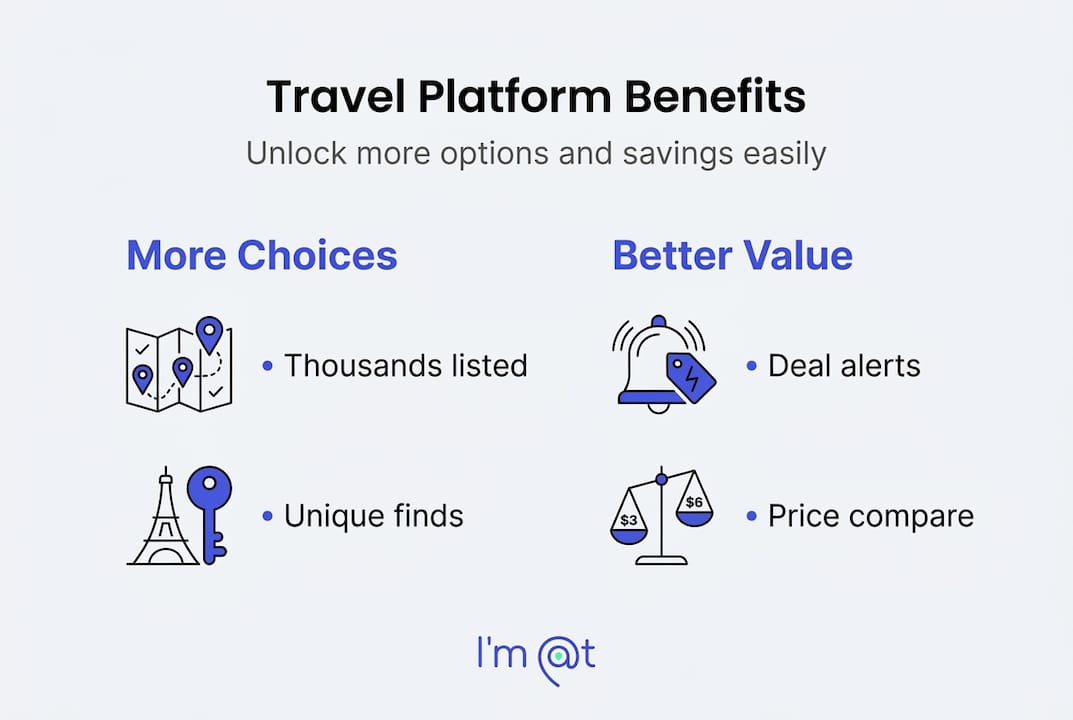
Deal discovery and competitive pricing, including bundles and discounts, characterize how modern travel platforms attract users, with mobile bookings now representing 52% of total travel bookings. That mobile number tells a story. Travelers are no longer planning exclusively from home desktops. They are booking activities from airport lounges, hotel lobbies, and even while riding buses through cities they just arrived in.
The pricing advantages on platforms typically look like this:
- Early bird discounts for activities booked weeks in advance
- Last-minute deals when operators need to fill remaining spots on scheduled activities
- Bundle pricing when you book multiple activities from the same operator or within the same platform ecosystem
- Seasonal promotions tied to local events, holidays, or low-demand travel periods
- Loyalty rewards or credits that accumulate across bookings and reduce future costs
The comparison shopping capability alone justifies using a platform. When you can see ten different sunset boat tours in Santorini side by side, sorted by price and rating simultaneously, you make a smarter decision than you would after visiting five different operator websites and manually trying to compare them.
Digital travel guides are increasingly built around platform data, pulling live pricing and availability to keep recommendations current. This integration between guide content and booking platforms creates a planning experience that is far more practical than the printed travel guidebook model.
Pro Tip: Set a deal alert or price drop notification on your preferred platform for any destination you are considering. Many platforms notify you automatically when prices drop or when a high-demand activity opens new slots. This is especially useful for bucket-list experiences that often sell out months in advance.
Our take: when platforms are essential—and when they're not
We will be direct about this. Travel platforms are genuinely transformative for most trips, but they are not always the right answer for every booking.
Platforms absolutely shine when you are dealing with complex, multi-activity itineraries where you need variety, flexibility, and the reassurance of verified reviews. They are also the smarter choice for spontaneous travelers who want to browse, compare, and book without committing weeks in advance to a rigid plan. For anyone unfamiliar with a destination, the discovery tools alone are worth creating an account.
That said, booking direct still makes sense in certain scenarios. If you have a loyalty membership with a hotel or tour operator that gives you meaningful perks like room upgrades, priority access, or accumulated points, going direct preserves those benefits. Platforms generally cannot pass through loyalty rewards. And if you are planning a long-stay trip where flexibility on dates and add-ons matters more than price, a direct relationship with the operator gives you more room to negotiate.
The optimal approach for most travelers is a hybrid strategy. Use platforms for discovery, deal comparison, and initial bookings. Explore OTA booking alternatives when loyalty perks or complex customization are the priority. Let each tool do what it does best.
Explore unforgettable adventures with our platform
You have seen how travel platforms can expand your options, protect your bookings, and save you real money. Now put that knowledge into action.
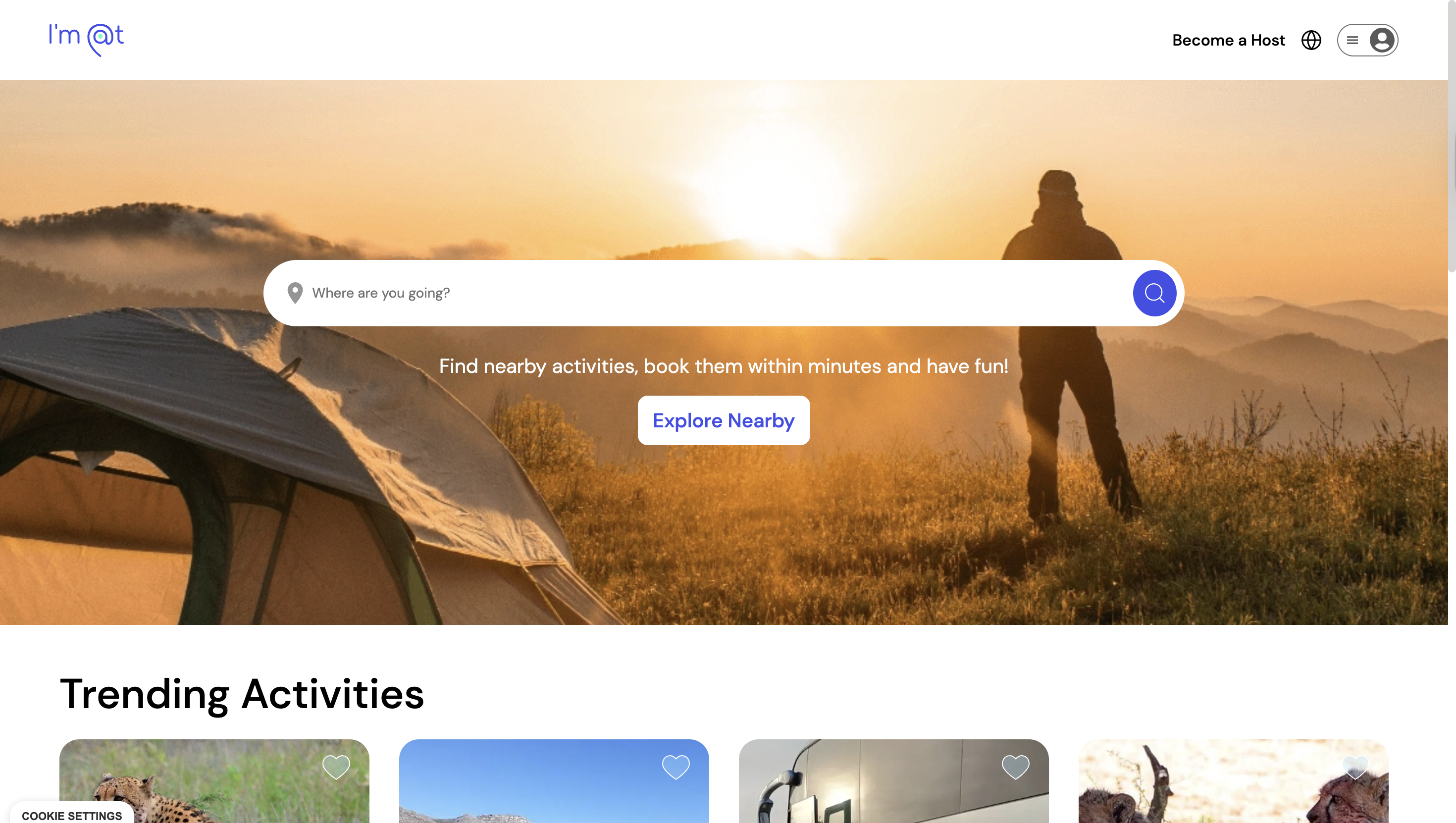
At Im-at, we built our platform specifically for travelers who want curated, trust-worthy experiences without the hours of research. Browse everything from underground mystery events like The Unholy Secrets to iconic outdoor adventures like Table Mountain trekking. Every listing is designed for easy discovery, instant booking, and reliable support. Whether you are planning your next weekend or your next big adventure, Im-at puts the right experience exactly where you need it.
Frequently asked questions
Are travel platform bookings safer than direct bookings?
Travel platforms offer verified reviews, instant confirmations, and protection for disruptions, making them generally safer and more transparent for both complex and straightforward itineraries.
Can I get better deals on platforms versus booking direct?
Platforms frequently offer exclusive deals, bundles, and discounts, and mobile bookings represent 52% of total travel transactions, reflecting how competitive and convenient platform pricing has become.
How do reviews impact my activity choices?
78% of bookings are influenced by user-generated reviews, which means verified traveler feedback is now one of the most powerful tools for selecting high-quality activities and avoiding disappointment.
What are cancellation policies like on travel platforms?
Many platforms allow free or flexible cancellation up to 24 hours before most activities begin, giving you genuine freedom to adjust plans without financial penalty.
Is it always better to book through a travel platform?
Platforms are the smarter choice for variety, protection, and deal comparison, but direct booking still wins when loyalty perks or highly customizable, long-stay arrangements are your priority.