

TL;DR:
- AI travel tools save travelers 1-3 hours by streamlining itinerary planning and bookings.
- These tools enhance experiences by surfacing unique local activities beyond popular tourist spots.
- Combining AI with human expertise yields the most reliable and immersive travel recommendations.
Picture this: you spend 12 hours researching a destination across blogs, forums, and social media, only to arrive and realize you missed the most celebrated local experience entirely. That gap between effort and outcome is exactly what modern travel planning tools are designed to close. AI travel planning tools save 1-3 hours per trip for 78% of users, turning what used to be an exhausting pre-trip ritual into a streamlined, enjoyable process. This guide breaks down how these tools work, why they matter for experience-hungry travelers, and how to use them to get the most out of every journey.
Table of Contents
- The complexity of travel planning today
- How travel planning tools optimize your trip
- Maximizing leisure and immersive experiences
- Choosing the right approach: AI, expert, or hybrid?
- Why the best travel moments blend technology with intuition
- Ready to maximize your next journey?
- Frequently asked questions
Key Takeaways
| Point | Details |
|---|---|
| Save time and reduce stress | AI tools streamline itinerary creation so you spend less time and worry less about logistics. |
| Discover immersive experiences | Smart planning platforms help you find and prioritize unique, high-value activities for richer trips. |
| Best results use both AI and human input | Combining travel tech with personal curation yields the most trustworthy and creative plans. |
| Tools are especially helpful for groups | Group travelers gain extra value from automated coordination of preferences and schedules. |
The complexity of travel planning today
Planning a trip sounds exciting until you're three hours deep into a Reddit thread, five browser tabs open, and still unsure which neighborhood to stay in. The reality of modern travel planning is that it involves juggling a staggering number of variables simultaneously. You're balancing destination options, activity availability, group preferences, timing windows, and budget limits, often all at once.
For solo travelers, that's already a lot. For group trips, the complexity multiplies fast. Aligning four or five different schedules, interests, and tolerance levels for adventure turns planning into a part-time job. Travelers face information overload when planning trips, especially for multi-city or group travel, and that overload leads directly to decision fatigue.
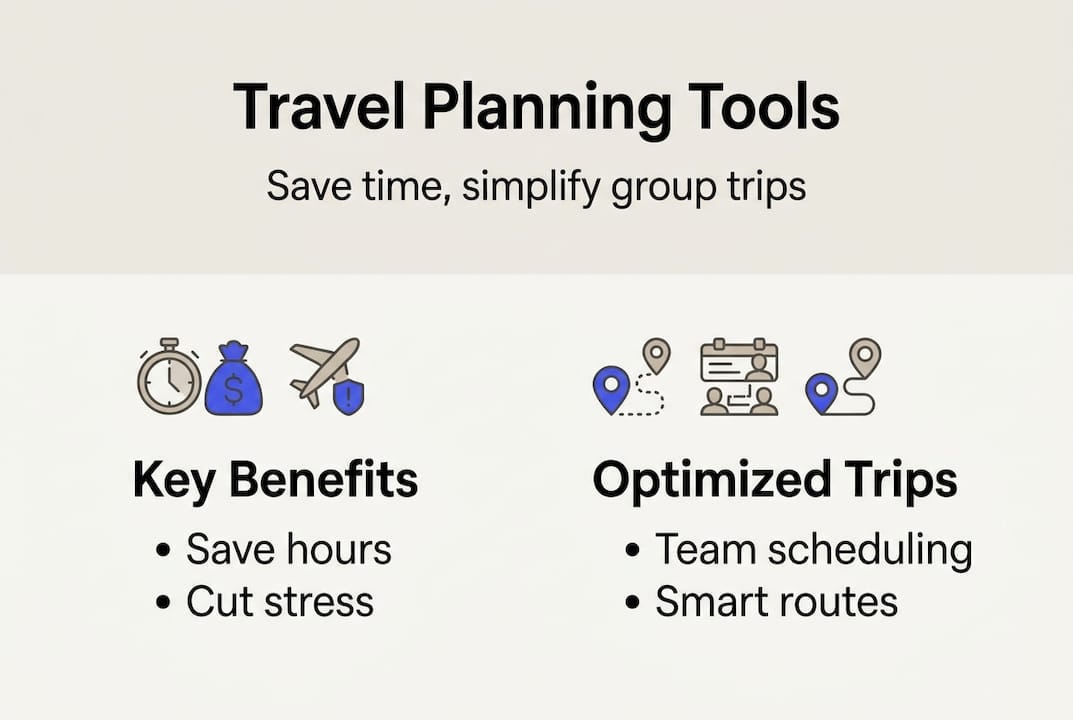
Decision fatigue is real and costly. When you're overwhelmed by choices, you start defaulting to the obvious, the popular, the safe. You book the same tourist spots everyone else visits and skip the experiences that would have made your trip genuinely memorable. Understanding travel discovery and how it works can help you break out of that cycle.
Here's what traditional planning typically involves:
- Cross-referencing travel blogs, review sites, and social media feeds
- Manually checking activity availability and pricing across multiple platforms
- Building a rough itinerary that accounts for travel time between locations
- Coordinating group input and managing conflicting preferences
- Revisiting and revising plans as new information surfaces
Each of those steps eats time and mental energy. And the broader the trip, the worse it gets. Exploring the full range of types of travel activities available in a destination is nearly impossible through manual research alone.
"The sheer volume of travel content online doesn't make planning easier. It makes it harder. More options create more anxiety, not more confidence."
This is the core problem that travel planning tools are built to solve. Having established why so many travel enthusiasts feel overwhelmed, let's look at the specific advantages travel planning tools offer.
How travel planning tools optimize your trip
With the complexity explained, here's how smart tools simplify and enhance the process itself.
At their core, travel planning tools centralize everything. Instead of bouncing between platforms, you input your dates, destination, interests, and budget into one system. The tool then does the heavy lifting: mapping geography, flagging timing conflicts, surfacing relevant activities, and generating a coherent itinerary.

AI-powered systems take this further. They excel at optimizing geography, timing, budget, and preferences simultaneously, which is genuinely difficult for a human to do manually. When you factor in travel time between locations, opening hours, seasonal availability, and group size, the number of variables becomes too large to hold in your head at once.
The time savings are significant. AI tools save travelers 1-3 hours per trip with a 94% trust level among users who have tried them. That's not a marginal improvement. That's the difference between spending a Sunday afternoon planning and spending it doing something else.
| Task | Manual planning time | Tool-assisted time |
|---|---|---|
| Building a 3-day itinerary | 4-6 hours | 30-60 minutes |
| Finding unique local activities | 2-3 hours | 10-20 minutes |
| Comparing booking options | 1-2 hours | 5-15 minutes |
| Adjusting plans for group input | 1-2 hours | 15-30 minutes |
Key functions that modern planning tools handle well:
- Suggesting the most efficient order to visit attractions based on location
- Recommending activities that match your stated interests and travel style
- Flagging potential scheduling conflicts before they become problems
- Pulling real-time availability and pricing data from multiple sources
For a deeper look at how seamless travel booking works in practice, it's worth understanding the full booking flow before you start. And if you're gearing up for something more ambitious, solid adventure travel planning principles apply whether you use a tool or not.
Pro Tip: Always verify AI-generated suggestions before booking. Tools can occasionally produce outdated details or recommend venues that have closed. A quick cross-check with a recent review saves headaches later.
Maximizing leisure and immersive experiences
Now that you know the basics of optimization, let's explore how these tools actually contribute to unforgettable leisure and cultural experiences.
Efficiency is only half the story. The deeper value of travel planning tools is that they help you find better experiences, not just faster ones. The experiential travel market is valued at $1.3 trillion, and that number reflects a fundamental shift in how people want to travel. Experiences have replaced things as the currency of meaningful travel.
Tools built around this shift don't just optimize logistics. They surface activities you wouldn't have found through casual browsing. AI tools synthesize scattered research and recognize experience patterns across sources, which means they can match you with a small-group cooking class, a lesser-known hiking trail, or a neighborhood cultural tour that doesn't show up on page one of a search engine.
| Discovery method | Typical results | Time spent |
|---|---|---|
| Manual blog research | Popular spots, well-known tours | 3-5 hours |
| AI-powered tool | Niche activities, personalized picks | 15-30 minutes |
| Hybrid (AI + expert input) | Unique gems, verified quality | 45-90 minutes |
Here's a practical approach to using tools for richer leisure experiences:
- Input your travel style and specific interests, not just your destination
- Review the tool's top suggestions and note which feel genuinely exciting
- Cross-reference those picks with recent traveler reviews
- Add one or two unplanned activity slots to your itinerary for spontaneous finds
- Book confirmed activities early, especially for smaller-group or guided experiences
For travelers who want to go deeper, exploring an immersive travel guide helps clarify what makes an experience genuinely memorable versus merely convenient. Understanding travel experience curation also shows how the best platforms filter for quality, not just availability. When it comes to actually exploring destinations, having a curated shortlist beats an overwhelming long one every time.
Choosing the right approach: AI, expert, or hybrid?
Finally, let's consider how to get the best of both worlds from advanced tools and human ingenuity.
Not all travel decisions are created equal. Some are logistical and benefit enormously from algorithmic efficiency. Others are emotional and creative, and those benefit from a human touch. Knowing which is which changes how you use your tools.
AI planning tools are strongest when:
- You need to map out a multi-stop itinerary across a large geographic area
- You're filtering a wide range of activity options by budget and availability
- You want a starting framework quickly, without hours of upfront research
- You're coordinating a group trip with multiple preference inputs
Human experts shine when:
- You want truly off-the-beaten-path recommendations that aren't indexed anywhere
- The emotional tone of your trip matters as much as the logistics
- You're traveling somewhere with limited online information
- You want to avoid the homogenized "top 10" experience entirely
Travelers prefer expert recommendations for hedonic trips and AI for utilitarian planning, and blending both approaches yields the highest trust and satisfaction. That's not a surprising finding if you think about it. You want a machine to handle the spreadsheet work and a person to tell you where the locals actually eat.
The risk with relying entirely on AI is real. AI hallucinations can introduce errors into your itinerary, from outdated hours to nonexistent venues. User curation is the fix. Whether you're planning a group tour or solo adventure, verifying the top picks before committing is always worth the extra step.
Pro Tip: Use AI tools to generate your first draft itinerary, then spend 20 minutes reviewing the top three activity picks with a local expert or a trusted recent review source. That combination catches errors and adds creative depth that pure automation misses.
Why the best travel moments blend technology with intuition
Here's a perspective worth sitting with: the most memorable travel moments are almost never the ones you planned most carefully. They're the conversation with a stranger that led you to a hidden beach. The wrong turn that revealed a weekend market. The last-minute decision to skip the famous museum and spend the afternoon in a neighborhood café instead.
Technology is genuinely excellent at clearing the path. It removes friction, collapses research time, and ensures you don't miss something obvious. But it can't manufacture curiosity or manufacture the emotional readiness to be surprised. Over-planning, even with the best tools, can actually dull your instinct to wander.
The framework we'd suggest: use tools to handle 70% of your planning, then protect 30% of your itinerary as open, flexible space. That buffer is where the best travel happens. Unique adventure ideas often emerge not from a search result but from being present and available to what's in front of you. Technology earns its place by giving you more of that presence, not less.
Ready to maximize your next journey?
You've got the framework. Now it's time to put it to work on a real trip.
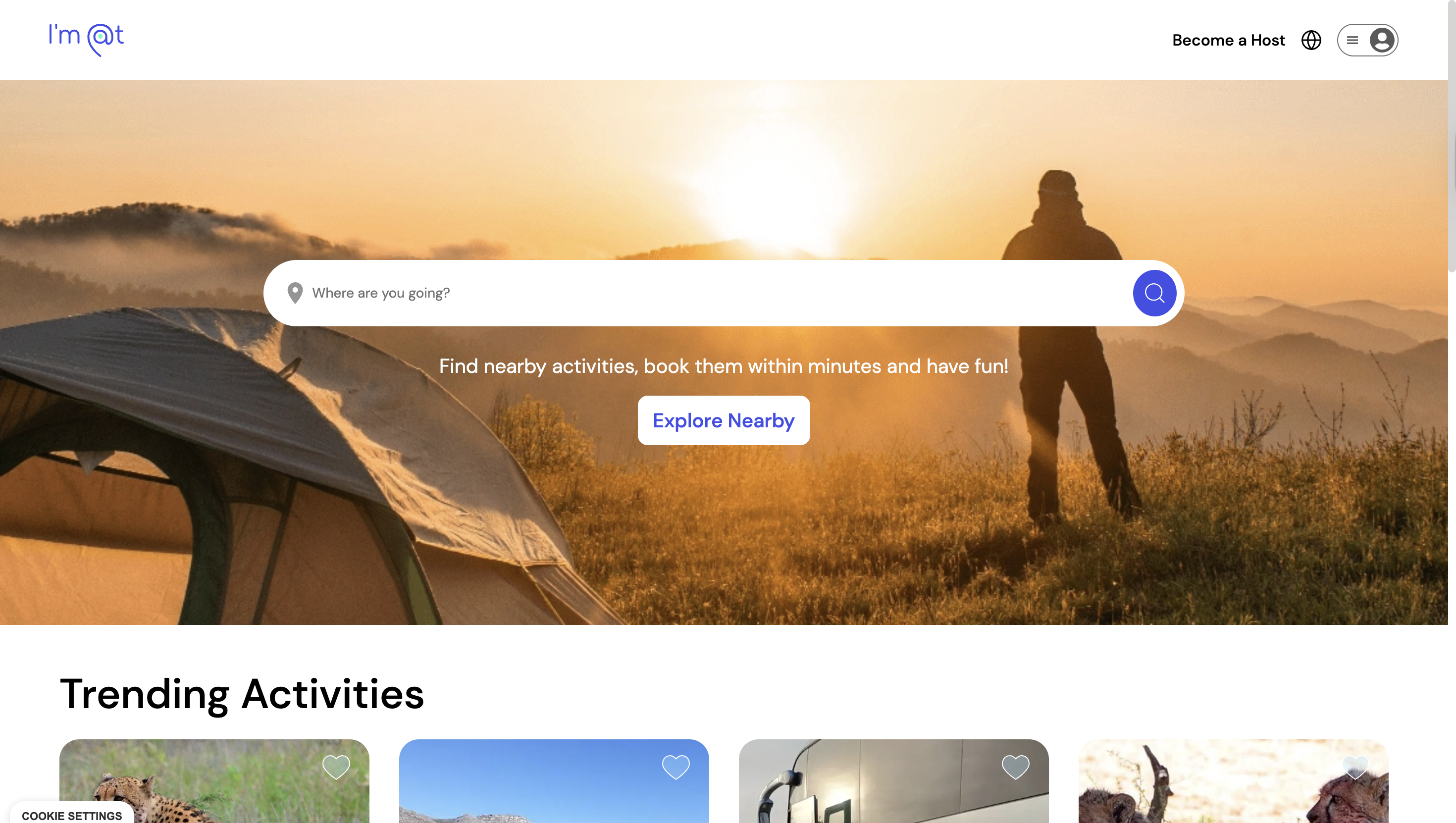
At Im-at, we've built a platform that does exactly what the best hybrid approach demands: smart discovery paired with curated, bookable experiences you can trust. Whether you're drawn to custom 4x4 tours through rugged terrain or looking to explore iconic Cape Town attractions across three unforgettable days, the catalog is built for travelers who want more than the standard tourist checklist. Skip the hours of scattered research and plan your trips with a platform that connects efficiency with genuine experiential depth. Your next great adventure is a few clicks away.
Frequently asked questions
How do travel planning tools save time for travelers?
AI tools save 1-3 hours per trip by automating itinerary creation, recommending optimal routes, and consolidating booking steps into a single workflow instead of multiple platforms.
Are AI travel planning suggestions reliable?
94% of users trust AI recommendations, but errors can occur, so verifying key details like opening hours and venue availability before booking is always a smart step.
Can travel planning tools help with group trips?
Group travelers benefit more from advanced itinerary tools than solo travelers, since AI handles the complexity of aligning multiple schedules and preferences far more efficiently than manual coordination.
Do AI-powered tools find unique experiences or just popular spots?
Modern tools can surface hidden gems by analyzing multiple data sources, but hybrid AI-expert approaches yield the highest trust and creativity when it comes to finding truly distinctive activities.