
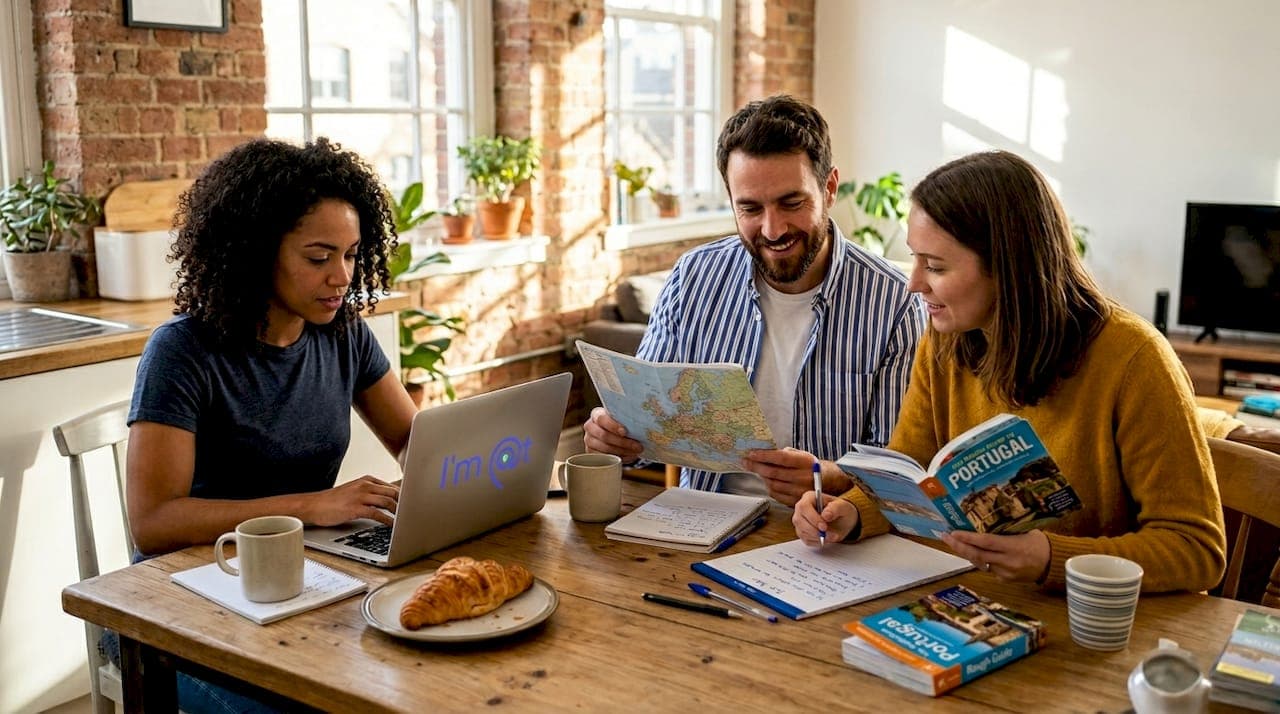
Choosing a travel experience that truly stands out can feel overwhelming when you're faced with endless tours, activities, and destinations. Many travelers want something meaningful and authentic, not just another generic sightseeing checklist. The key is using a clear framework to evaluate options based on what matters most to you: cultural depth, adventure level, technology integration, or pure relaxation. This guide walks you through proven criteria to identify experiences that align with your values and preferences, then presents ten diverse ideas to inspire your next unforgettable journey.
Table of Contents
- Key Takeaways
- How to choose the best travel experience: key criteria to consider
- 10 unique travel experience ideas for memorable adventures
- Comparing travel experience types: pros, cons, and suitability
- How to decide: matching travel experiences to your preferences and trip style
- Explore tailor-made travel experiences with I'm @t
- FAQ
Key Takeaways
| Point | Details |
|---|---|
| Anchor criteria | Identify your core focus such as cultural depth, adventure, technology, or relaxation to shape the experiences you pursue. |
| Friction limits | Set constraints on timing, physical demands, and group size to fit your comfort zone and boost trip satisfaction. |
| Authenticity matters | Choose providers that emphasize small group interactions, local guides, and off the beaten path locations to connect with real culture. |
| Evaluation criteria | Assess cultural depth, physical intensity, time commitment, group dynamics, and technology use before booking. |
| Non negotiables | Write down your top three non negotiables before browsing to stay focused. |
How to choose the best travel experience: key criteria to consider
Before booking any activity, clarify what makes a trip meaningful for you. Start by identifying your anchor interest: is it cultural authenticity, adrenaline-fueled adventure, cutting-edge technology, or serene relaxation? Each focus shapes the experiences you'll prioritize. Next, set friction limits that match your comfort zone. These include timing preferences like avoiding early mornings, physical demands such as fitness requirements, and group size constraints. Research shows that travelers who choose an 'anchor' experience per trip and set friction limits report significantly higher satisfaction.
Authenticity matters more than ever. Recent travel trends for 2025-2026 reveal that modern explorers seek genuine connections with local cultures rather than staged tourist performances. Look for providers who emphasize small-group interactions, local guides, and off-the-beaten-path locations. Travel experience curation platforms now blend AI-driven recommendations with human expertise to deliver hyper-personalized itineraries.
Consider these essential criteria when evaluating any travel experience:
- Cultural depth: Does it offer real interaction with locals or just surface-level observation?
- Physical intensity: Can you handle the fitness demands comfortably?
- Time commitment: Does the schedule allow flexibility or require rigid adherence?
- Group dynamics: Will you travel solo, with a small group, or in a large tour?
- Technology integration: Does it leverage modern tools to enhance the experience?
Pro Tip: Write down your top three non-negotiables before browsing options. This simple exercise prevents decision fatigue and keeps you focused on experiences that truly align with your priorities.
10 unique travel experience ideas for memorable adventures
Once you've established your criteria, explore these ten distinctive experience categories that cater to diverse interests and travel styles.
Cultural immersion tops the list for travelers seeking authentic connection. Homestays place you directly in local communities, while cooking classes teach traditional recipes using regional ingredients. Attending festivals during your visit offers unfiltered access to cultural celebrations. Data shows that 65% of travelers prioritize immersive, authentic experiences, with culinary and local activities representing the fastest-growing sectors.
Adventure experiences push physical and mental boundaries. Trekking through remote mountain ranges, exploring underground cave systems, or joining guided 4x4 tours through rugged terrain all deliver adrenaline and accomplishment. These activities require advance planning and appropriate fitness levels but reward participants with stories that last a lifetime.
Technology-focused tours appeal to early adopters and innovation enthusiasts. Future tech tours showcase emerging transportation methods, AI applications, and sustainable innovations in real-world settings. Some providers now offer simulated hypersonic travel experiences that preview tomorrow's transportation landscape.
Slow travel prioritizes depth over breadth. Instead of racing through ten cities in two weeks, you settle into one or two locations for extended stays. This approach reduces stress, builds deeper local relationships, and often costs less than constant movement. Choosing less-crowded destinations enhances this experience by avoiding tourist congestion.
Here are six more experience types to consider:
- Wildlife safaris in conservation-focused reserves
- Multi-day hiking expeditions with expert naturalist guides
- Photography workshops in visually stunning landscapes
- Volunteer programs that contribute to local communities
- Wellness retreats combining yoga, meditation, and spa treatments
- Historical deep-dives with specialized archaeologists or historians
Pro Tip: Combine multiple experience types during one trip. A week might include three days of cultural immersion followed by two days of adventure activities and two rest days for slow exploration. This variety prevents burnout while maximizing diverse experiences.
For inspiration on activity types across global destinations, explore local travel activities that showcase regional specialties. The rise of culinary travel trends demonstrates how food-centered experiences now drive destination choices for millions of travelers.
Comparing travel experience types: pros, cons, and suitability
Each experience category offers distinct advantages and challenges. Understanding these trade-offs helps you make informed decisions aligned with your circumstances.
| Experience Type | Pros | Cons | Best For |
|---|---|---|---|
| Cultural Immersion | Deep local connection, authentic learning, memorable interactions | Possible language barriers, cultural adjustment period | Curious travelers seeking genuine cultural exchange |
| Adventure Activities | Physical challenge, adrenaline rush, unique accomplishments | Requires fitness, weather-dependent, safety considerations | Active travelers comfortable with physical demands |
| Technology Tours | Novel experiences, future-focused insights, niche appeal | Limited availability, may suit specific interests only | Early adopters and innovation enthusiasts |
| Slow Travel | Reduced stress, deeper exploration, often lower costs | Requires longer time commitment, less destination variety | Travelers with flexible schedules seeking relaxation |
| Wildlife Safaris | Close animal encounters, conservation education, photography opportunities | Seasonal timing critical, requires patience, can be expensive | Nature lovers and photography enthusiasts |
Cultural activities build meaningful connections but sometimes involve navigating language differences or adjusting to unfamiliar customs. The learning curve itself often becomes part of the adventure. Adventure experiences deliver thrilling accomplishments but demand appropriate physical preparation and careful risk assessment. Technology tours offer glimpses into future innovations but appeal primarily to niche audiences interested in cutting-edge developments.
Slow travel provides deep relaxation and authentic local integration but requires extended time commitments that working professionals may struggle to arrange. Research indicates that microstays and sober activities yield higher satisfaction, with 77% of travelers preferring sober trips that emphasize clarity and genuine connection over party-focused tourism.
Key factors for successful experience selection:
- Match physical intensity to your current fitness level, not aspirational goals
- Consider seasonal timing for weather-dependent activities
- Research provider reputation through verified reviews and certifications
- Budget for hidden costs like specialized equipment or permits
- Build buffer time between intense activities for recovery
For comprehensive guidance on destination research and activity planning, visit exploring new destinations to learn proven frameworks for trip design.
How to decide: matching travel experiences to your preferences and trip style
Translating comparison insights into actual booking decisions requires a systematic approach. Start by listing your absolute must-haves and dealbreakers. Must-haves might include vegetarian meal options, English-speaking guides, or wheelchair accessibility. Dealbreakers could be early morning departures, large group sizes, or activities requiring swimming skills.
Leverage both technology and human expertise for optimal results. AI-powered platforms analyze your preferences, budget, and constraints to suggest tailored options. However, blending AI planning with human advisors enables hyper-personalized travel that accounts for nuanced preferences algorithms might miss. Expert travel advisors catch details like seasonal crowd patterns or local events that transform good trips into extraordinary ones.
Follow this decision framework:
- Identify your primary trip goal: relaxation, adventure, learning, or connection
- Set a realistic budget including contingency funds for unexpected opportunities
- Determine your friction tolerance for factors like early departures or physical intensity
- Research three to five options that meet your criteria
- Read recent reviews focusing on experiences from travelers with similar profiles
- Book your anchor experience first, then build supporting activities around it
Plan one standout anchor experience per trip rather than overscheduling. This flagship activity becomes your trip's centerpiece, with other experiences supporting rather than competing with it. Balance high-intensity activities with genuine downtime. Constant movement leads to exhaustion and diminished enjoyment.
"The best trips aren't about seeing everything. They're about experiencing something deeply enough that it changes how you see the world."
Pro Tip: Schedule your most important experience mid-trip, not on arrival day when you're jet-lagged or the final day when you're stressed about departures. This timing ensures you're physically and mentally ready to fully engage.
For deeper exploration of cultural engagement strategies, review immersive cultural experiences that detail techniques for meaningful local interaction beyond surface-level tourism.
Explore tailor-made travel experiences with I'm @t
Ready to transform these insights into your next unforgettable adventure? I'm @t specializes in curating expert-designed experiences that match your unique interests and travel style. Whether you're seeking cultural depth, adrenaline-pumping adventure, or perfectly balanced itineraries, the platform connects you with verified local providers who deliver authentic, memorable activities.
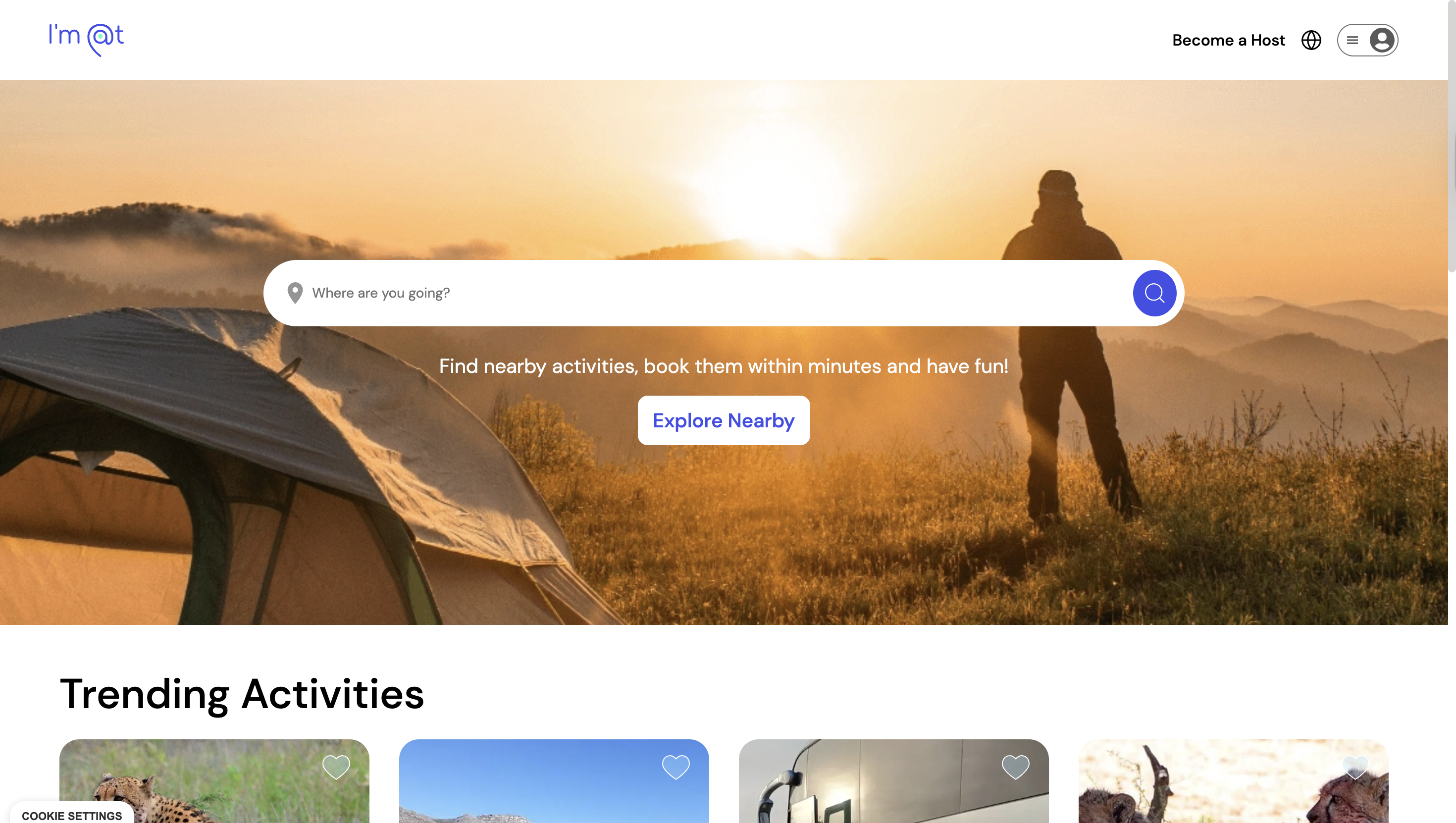
Discover specialized options like tailor-made 4x4 tours that venture beyond standard routes, or explore comprehensive packages such as the Mother City Cape Town 3-day attraction combining township visits, Cape Peninsula exploration, and wine tasting. The I'm @t platform simplifies discovery and booking, letting you plan your entire trip in minutes while ensuring every activity meets rigorous quality standards. Professional guides and curated itineraries mean you spend less time researching and more time experiencing the adventures that matter most to you.
FAQ
What are the best travel experiences for adventure seekers?
Adventure seekers typically thrive on trekking expeditions, cave exploration, 4x4 tours through challenging terrain, and multi-day hiking trips in remote locations. Choose experiences that match your current fitness level and risk tolerance rather than aspirational goals. Verify that providers maintain proper safety certifications and equipment standards before booking.
How can I ensure my travel experience is culturally authentic?
Seek homestays with local families, hire guides from the community you're visiting, attend genuine festivals rather than tourist recreations, and participate in cooking classes taught by local chefs. Research providers who prioritize cultural preservation and fair compensation for local participants. Immersive cultural experiences require respectful engagement and willingness to step outside your comfort zone.
What role does technology play in enhancing travel experiences?
Technology enables hyper-personalized trip planning by combining AI analysis of your preferences with expert human advisors who add nuanced insights. Future tech tours showcase emerging innovations like sustainable transportation and AI applications in real-world settings. Research shows that 60% of travelers are interested in hypersonic and future tech tours that preview tomorrow's travel landscape. Travel experience curation platforms now use sophisticated algorithms to match travelers with ideal activities.
How can I balance activity and relaxation during my trip?
Plan one anchor activity per trip and schedule rest days between intense experiences to prevent burnout. Consider microstays that offer flexible timing rather than rigid tour schedules. Build buffer time around high-energy activities for recovery and spontaneous exploration. For practical examples, explore options like Cape Town private 3-days with helicopter ride, Cape Point, and wine testing that blend adventure with built-in relaxation periods.