
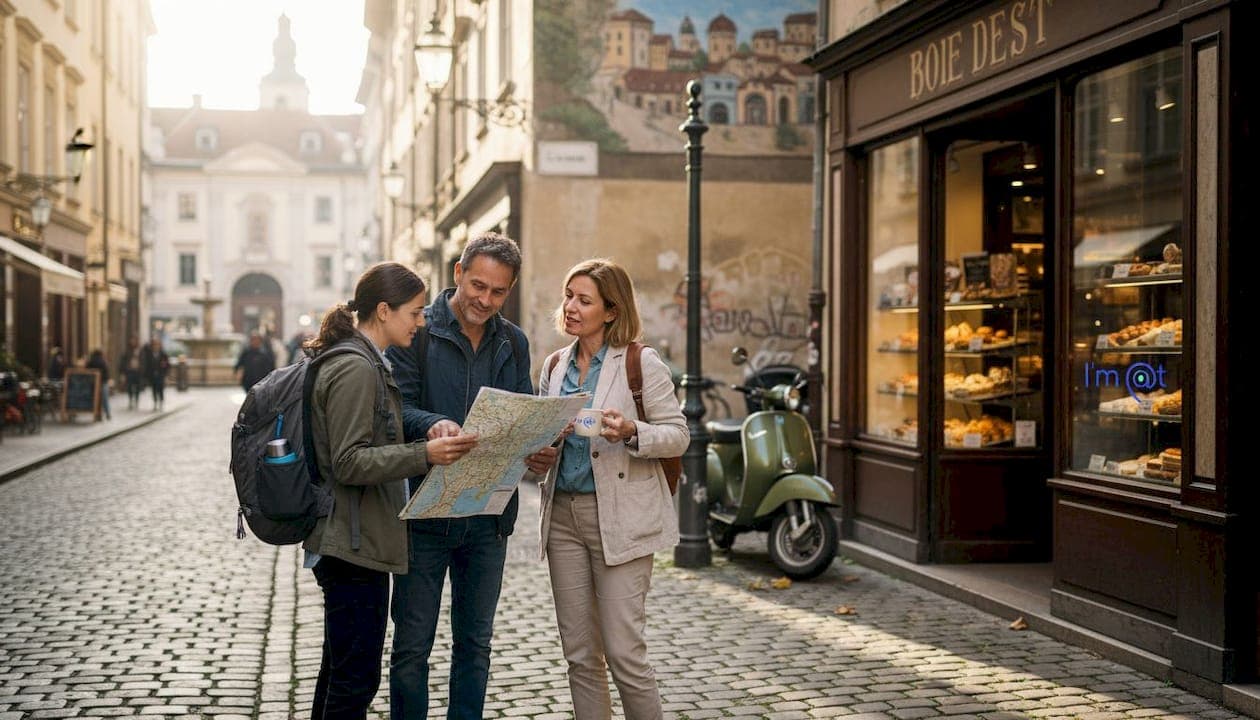
Most travelers spend their entire trip within a few blocks of the main tourist strip, never realizing they're leaving the best parts of a destination completely untouched. 75% of travelers say cultural experiences are a top priority, yet the majority still book through large operators that funnel money away from the communities they're visiting. This guide breaks down exactly why local experiences deliver more value, more meaning, and more memorable moments than anything you'll find on a standard itinerary.
Table of Contents
- What defines a local experience?
- Cultural connection: Why authenticity matters
- Economic and ethical impact: Supporting local communities
- Adventure + local: Trends in modern travel experiences
- What most people miss: Overcoming barriers and maximizing your leisure
- How to find and choose local experiences
- Ready to travel deeper? Explore unique local tours and experiences
- Frequently asked questions
Key Takeaways
| Point | Details |
|---|---|
| Maximize cultural connection | Local experiences lead to deeper insights and more memorable travel than tourist attractions. |
| Support local economies | Choosing local-led tours helps keep most of your spending in the community you visit. |
| Adventure meets authenticity | Modern trends show adventure and cultural immersion now go hand-in-hand for meaningful journeys. |
| Overcome travel barriers | Simple strategies like learning basic phrases and using local transit unlock genuine experiences. |
| Easy ways to find local gems | Research, reviews, and focusing on small local providers quickly lead you to authentic activities. |
What defines a local experience?
To start, it helps to clarify exactly what counts as a "local experience" in travel. The term gets used loosely, but the real definition is specific: a local experience is one hosted or led by community members, designed to give you genuine access to everyday life rather than a polished performance for tourists.
Think smaller groups, real conversations, and insider knowledge you simply can't get from a guidebook. Local-led experiences offer unique access to real culture, better food connections, and ethical benefits that mass tourism can't replicate. The difference between watching a cultural dance at a resort and learning the steps from a community elder in their own village is enormous.
Here are some of the most common types of local experiences travelers seek out:
- Food market tours led by local vendors or home cooks
- Artisan workshops where you learn traditional crafts directly from makers
- Neighborhood walking tours guided by residents, not agencies
- Adventure activities like hiking or kayaking led by local guides
- Community cooking classes in private homes or small family kitchens
You can explore a full breakdown of local activity types to see how wide the range really is.
Cultural connection: Why authenticity matters
Having defined local experiences, let's explore why these are at the heart of meaningful travel. Authenticity isn't just a buzzword. It's the factor that determines whether a trip leaves a lasting impression or fades from memory within a week.
Research confirms that behavioral and sensory experiences in local activities directly boost travel intentions, meaning people who engage authentically are far more likely to return to a destination and recommend it to others. That's a powerful signal.
"The most memorable travel moments aren't the landmarks. They're the unexpected conversations, the shared meals, and the skills learned from strangers who became friends."
Travelers who go beyond the tourist track consistently report stronger emotional memories tied to their trips. They remember the name of the fisherman who taught them to cast a net. They remember the spice blend a grandmother used in her kitchen. Standard sightseeing rarely produces that kind of recall.
Key outcomes of authentic cultural engagement include:
- Stronger emotional connection to the destination
- Higher likelihood of returning or recommending the location
- Deeper understanding of local history and social context
- Reduced cultural misunderstanding and increased empathy
If you're curious about how exploring nearby experiences can shift your entire travel mindset, the evidence is compelling.
Economic and ethical impact: Supporting local communities
Beyond cultural benefits, your travel budget plays a vital role in shaping the places you visit. Where your money goes matters more than most travelers realize.
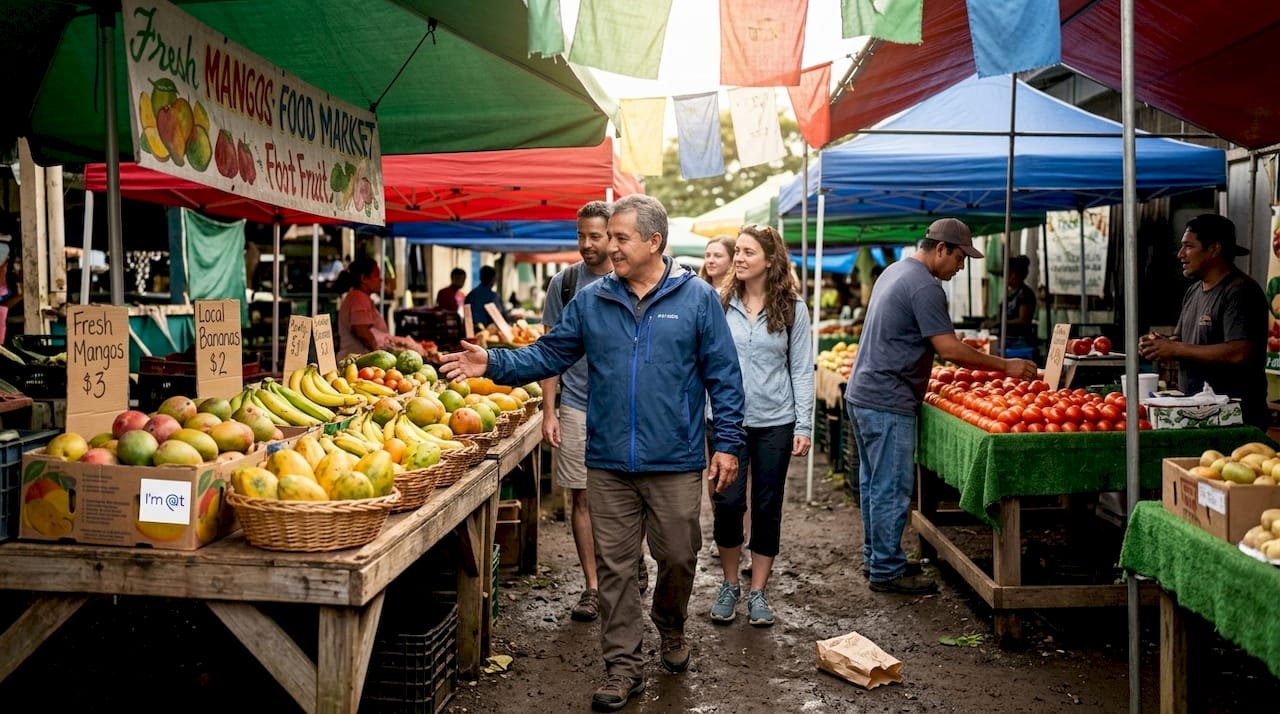
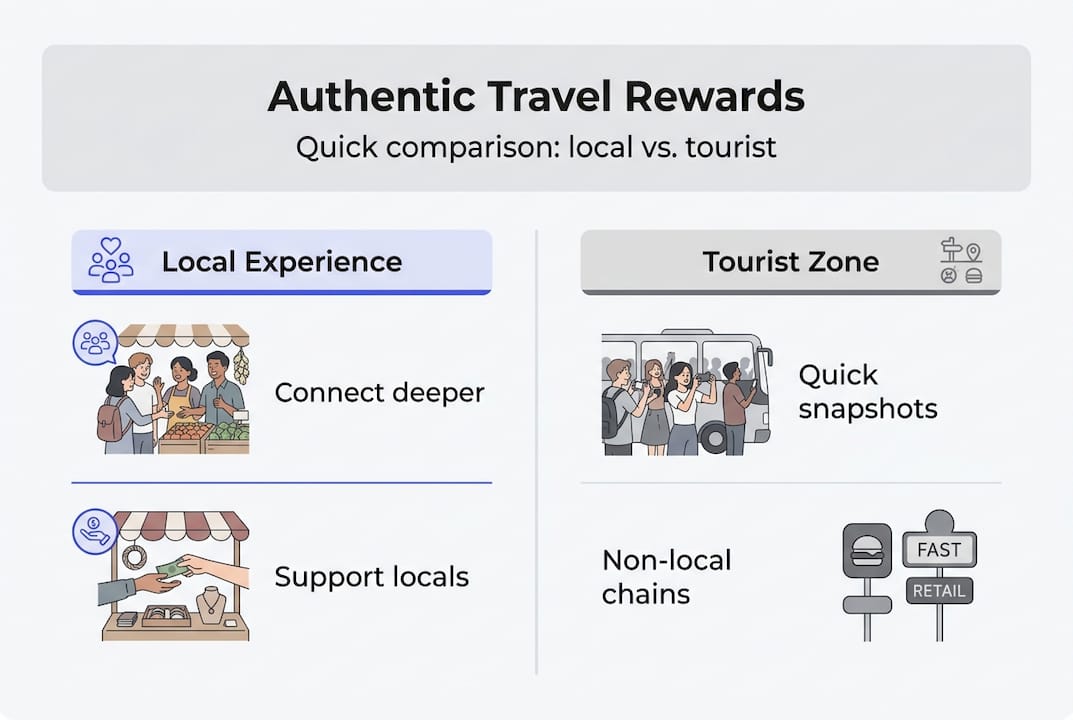
When you stick to tourist zones, only 20% of your spending stays in the local economy. Book through a local guide or community operator, and that figure jumps to 85%. That's not a small difference. That's the gap between a community that thrives from tourism and one that simply tolerates it.
| Booking type | % spending retained locally |
|---|---|
| Large tourist operators | ~20% |
| Local guides and SMEs | ~85% |
85% of your travel spend stays in the community when you book local. That single choice reshapes an entire destination's relationship with tourism.
SMEs make up 80% of the authentic travel sector, meaning small family businesses, independent guides, and community cooperatives are the backbone of genuine travel experiences. Supporting them isn't charity. It's smart travel.
Pro Tip: When comparing tour prices, factor in community impact. A slightly higher price from a local operator often means better wages, reinvestment in local infrastructure, and a more personalized experience for you.
For a deeper look at how this works in practice, the community tourism guide covers the full picture.
Adventure + local: Trends in modern travel experiences
Modern travel trends reveal that authenticity goes hand-in-hand with adventure. The two aren't separate categories anymore. Today's most sought-after trips blend physical activity with genuine cultural immersion.
Adventure travel trends in 2025 and 2026 show that culinary experiences are now the top activity paired with adventure, followed by off-the-beaten-path exploration and community-based programs. Travelers aren't just looking for adrenaline. They want context.
| Adventure travel stat | Figure |
|---|---|
| Median trip spend | $3,000 per trip |
| Average trip length | 8 nights |
| Spending going to local businesses | 76% |
| Fastest-growing traveler age group | 45 to 64 years old |
This data tells a clear story. Adventure travelers are spending real money, staying longer, and directing most of that budget toward local businesses. The traveler aged 45 to 64 is the fastest-growing segment, and this group specifically prioritizes authenticity over novelty.
Activities that combine adventure with local culture include:
- E-biking through local villages with stops at family-run farms
- Guided hiking with indigenous knowledge woven into the route
- Culinary foraging tours that end with a shared meal
- Safari experiences led by community rangers with deep ecological knowledge
Learn more about how adventure travel companies are reshaping the way people explore destinations.
What most people miss: Overcoming barriers and maximizing your leisure
Even with all the benefits, some travelers hesitate due to perceived barriers. The most common concern is language. The second is time. Both are easier to solve than you think.
Basic local phrases are enough to open doors and build genuine connections. You don't need fluency. A few words of greeting, a thank-you in the local tongue, and a willingness to laugh at your own mistakes go a long way.
Here's a practical approach to maximizing your local experience:
- Learn 5 to 10 phrases before you arrive. Greetings, thank-you, and basic food words are enough.
- Use local transit at least once. Buses and shared taxis put you next to real residents, not other tourists.
- Book workshops, not just tours. Making something with your hands creates stronger memories than passive observation.
- Explore neighborhoods outside the center. Markets, parks, and cafes in residential areas show you how people actually live.
- Engage repeatedly. Return to the same stall, the same cafe, the same guide. Familiarity builds real connection.
Pro Tip: Travelers who go local save roughly 30% of their leisure time by avoiding overcrowded tourist sites and long queues. That's extra hours you can spend doing something genuinely memorable.
Not sure where to start? Browsing activity types by destination gives you a practical starting point for any trip.
How to find and choose local experiences
Ready to upgrade your next trip? Here's a simple guide to finding the best local experiences without the guesswork.
Travelers who engage in local activities report 30% higher satisfaction compared to those who stick to standard tourist itineraries. That gap is significant, and it's entirely within your control.
Follow these principles when choosing a local experience:
- Read reviews carefully. Look for mentions of the guide by name, personal stories, and emotional language. These signal genuine connection.
- Favor small group sizes. Groups of 8 or fewer allow for real interaction and flexibility.
- Ask who benefits. Reputable operators are transparent about how revenue supports the community.
- Pair adventure with culture. The best experiences combine physical engagement with local knowledge.
- Check for community partnerships. Operators linked to local cooperatives or NGOs tend to deliver more ethical and immersive experiences.
Exploring community tourism options is one of the most effective ways to ensure your trip creates positive impact. And reviewing sample activity types helps you match your interests to the right kind of experience before you even land.
Ready to travel deeper? Explore unique local tours and experiences
If you're inspired to add genuine local flavor to your travels, start with these standout options. Im-at curates experiences that put community, culture, and adventure at the center of every booking.
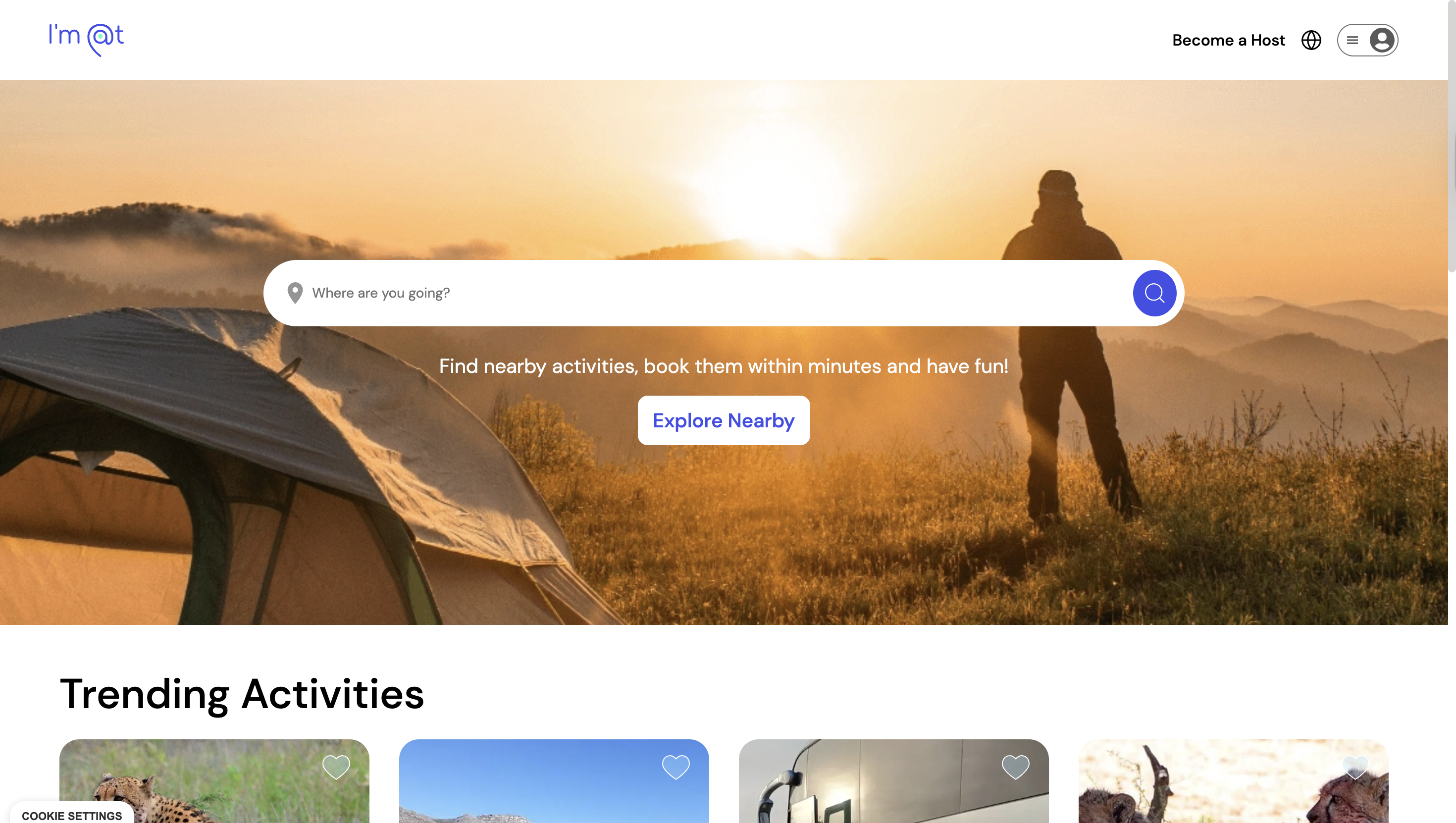
From tailor-made 4x4 tours that take you deep into landscapes most tourists never see, to a private Bagamoyo day trip that pairs history with a locally sourced lunch, to the immersive Lesedi cultural village day tour where living traditions come alive, every listing on Im-at is chosen for its authentic value. Booking takes minutes, and every experience connects you directly with local guides and community operators who know their destinations from the inside out. Browse the full catalog at im-at.com and find your next real adventure.
Frequently asked questions
What makes a local experience more valuable than a tourist attraction?
Local-led experiences provide authentic cultural insights, direct community benefits, and lasting personal memories that standard sightseeing simply cannot replicate.
Do local experiences cost more?
Sometimes, yes. But local-led experiences are widely considered worth the premium because the cultural depth, ethical impact, and personal value far outweigh the price difference.
How do I make sure my spending benefits locals?
Book with local guides or SMEs rather than large tour chains. Local engagement keeps 85% of your spending within the community, compared to just 20% on standard tourist paths.
What if I don't speak the local language?
You don't need fluency. Basic local phrases are enough to build genuine connections and enrich your interactions with residents significantly.