
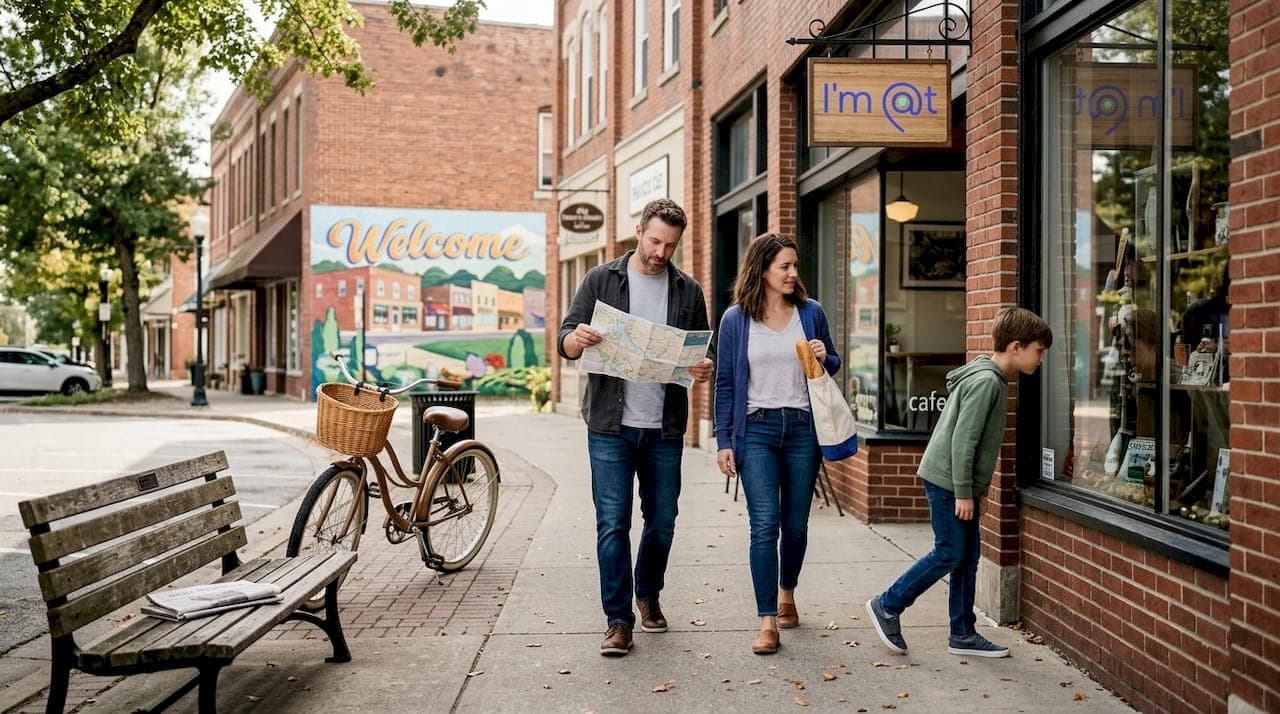
You probably think the best travel experiences require a passport and a long flight. Yet research shows that local travel within a 3-hour radius enables more frequent adventures, helps you discover hidden gems, and builds confidence for bigger trips. Nearby activities offer authentic cultural connections, economic benefits for communities, and restorative effects on your well-being. This article reveals why focusing on close-to-home exploration transforms your travel routine, how technology and local insights combine for authentic discoveries, and when to balance nearby adventures with international journeys. You'll gain practical strategies to enrich every trip, whether it's a weekend getaway or spontaneous afternoon escape.
Table of Contents
- Key Takeaways
- The advantages of exploring nearby activities
- How nearby travel enhances well-being and cultural connection
- Leveraging technology and local insights for authentic nearby discoveries
- Balancing local and international travel: finding the perfect fit
- Explore nearby activities with exclusive tours and experiences
- Frequently asked questions
Key Takeaways
| Point | Details |
|---|---|
| Frequent nearby trips | Travel within a three hour radius lets you explore more often while saving on flights and lodging. |
| Supports local livelihoods | Nearby tourism sustains gateway economies by creating jobs and supporting small businesses. |
| Well being benefits | Restorative nearby experiences improve hedonic and eudaimonic well being and cognitive balance. |
| Balance with longer trips | Technology helps discovery but should be balanced with authentic local insights and occasional international journeys. |
The advantages of exploring nearby activities
Choosing nearby activities transforms how you travel. Local exploration within a three-hour radius offers practical benefits that distant trips can't match. You save money on flights and accommodation, allowing you to travel more frequently throughout the year. Each short trip becomes training for bigger adventures, helping you refine packing strategies, navigation skills, and cultural awareness without the pressure of expensive international commitments.
The economic impact of nearby tourism reaches far beyond your wallet. NPS visitors spent $29 billion in 2024 gateway economies, supporting 340,100 jobs and generating $56.3 billion in total economic output. These multiplier effects show how your local spending creates ripple benefits throughout communities. When you book a regional wine tour or cultural experience, you're not just enjoying yourself; you're sustaining livelihoods and enabling small businesses to thrive.
Here's what nearby exploration delivers:
- Financial flexibility to travel multiple times per year instead of saving for one big trip
- Discovery of authentic local culture often missed by international tourists rushing through highlights
- Reduced carbon footprint through shorter travel distances and regional transportation
- Stronger connections with your own region's history, cuisine, and natural landscapes
- Practical experience that builds confidence for eventual international adventures
Supporting community tourism creates sustainable travel patterns. Local guides share insider knowledge that algorithms can't replicate. You learn which trails offer solitude, which restaurants serve authentic regional dishes, and which cultural sites provide meaningful interactions rather than tourist traps. This knowledge enriches every future journey, whether nearby or abroad.
"Local travel serves as a laboratory for developing travel competence. Each nearby adventure teaches skills, reveals preferences, and builds the confidence needed for more ambitious journeys while delivering immediate satisfaction and discovery."
The frequency advantage matters more than most travelers realize. Instead of one annual international trip, you might take six weekend adventures exploring regional parks, coastal towns, historic sites, and cultural festivals. This regular exposure to new experiences maintains the excitement and growth that travel provides without the exhaustion and expense of long-distance journeys.
How nearby travel enhances well-being and cultural connection
Your mental health benefits significantly from nearby activities. Perceived restorative qualities in rural tourism enhance both hedonic well-being (immediate pleasure) and eudaimonic well-being (meaningful life satisfaction). These dual benefits create lasting positive effects that extend well beyond the trip itself. When you escape to a nearby nature reserve or quiet coastal village, you're not just taking a break; you're actively restoring cognitive function and emotional balance.
The cultural connection runs deeper with nearby travel. You have time to engage authentically rather than rushing through a checklist. A weekend in a regional town allows conversations with local artisans, unhurried meals at family-run restaurants, and spontaneous detours to places that catch your interest. This immersive approach builds genuine understanding of cultural traditions, regional history, and community values that surface-level tourism misses entirely.
Small-scale regional exploration offers advantages that international travel often can't provide:
- Repeated visits that deepen relationships with local guides, business owners, and communities
- Seasonal variety as you return to favorite spots throughout the year to experience different aspects
- Language accessibility that enables nuanced conversations and cultural exchange
- Flexible scheduling that allows spontaneous trips when you need mental rejuvenation
- Lower stress from familiar transportation, currency, and communication systems
Destination loyalty emerges naturally from these repeated positive experiences. You become an advocate for regional tourism, sharing recommendations with friends and returning regularly. This loyalty benefits both you and the destination. You gain a reliable source of restorative experiences while communities receive consistent support that enables long-term planning and investment in sustainable tourism infrastructure.
Pro Tip: Target less crowded local spots during off-peak times for maximum restorative benefits. Mid-week visits to regional parks or cultural sites offer solitude and authentic interactions that weekend crowds prevent, amplifying the mental health advantages of nearby exploration.
The satisfaction from nearby travel often exceeds that of distant trips. You avoid the exhaustion of long flights, jet lag, and cultural overwhelm. Instead, you arrive refreshed, explore at a comfortable pace, and return home energized rather than depleted. This pattern makes travel a sustainable part of your lifestyle rather than an occasional, exhausting undertaking that requires weeks of recovery.

Exploring new destinations nearby builds skills that transfer to international travel. You learn to research effectively, communicate with local experts, adapt plans based on weather or circumstances, and find hidden gems beyond obvious tourist attractions. These competencies make you a better traveler everywhere while delivering immediate rewards in your own region.
Leveraging technology and local insights for authentic nearby discoveries
Technology revolutionizes how you discover nearby activities, but it requires smart application. AI recommendation engines analyze your preferences, past bookings, and behavioral patterns to suggest relevant experiences. GPS-enabled apps show activities based on your current location, while collaborative filtering identifies options that similar travelers enjoyed. These tools make discovery efficient, surfacing opportunities you might never find through traditional research.
Hybrid approaches deliver the best results. Content-based filtering examines activity characteristics (outdoor vs. cultural, active vs. relaxed) while collaborative filtering learns from crowd behavior. Together, they provide personalized suggestions that balance your stated preferences with discoveries that stretch your comfort zone in rewarding ways. This combination helps you find both expected favorites and surprising new interests.
Yet algorithmic failures occur when data becomes outdated or lacks local nuance. An app might recommend a hiking trail that's currently closed for maintenance, a restaurant that changed ownership and cuisine, or a cultural site that's now overcrowded. Local expert knowledge bridges these gaps, providing real-time insights about conditions, crowd levels, and authentic alternatives that algorithms miss.
| Discovery Method | Strengths | Limitations |
|---|---|---|
| AI-only recommendations | Fast, personalized, covers broad options, learns from patterns | Outdated data, lacks nuance, misses new spots, generic suggestions |
| Local-guided discovery | Real-time accuracy, cultural context, hidden gems, authentic insights | Time-intensive, limited coverage, potential bias, requires local contacts |
| Hybrid approach | Combines efficiency with authenticity, verified recommendations, balanced perspective | Requires effort to cross-reference, needs tech literacy and social skills |
Follow these steps for effective technology-assisted discovery:
- Research multiple apps and platforms to compare recommendations and identify patterns in highly-rated activities
- Consult local experts through community forums, tourism offices, or direct outreach to guides and business owners
- Verify data freshness by checking recent reviews, calling ahead, or confirming details on official websites
- Plan flexibly with backup options since real-world conditions change faster than app databases update
- Remain open to spontaneous discoveries that emerge from conversations and unexpected encounters during your trip
Pro Tip: Use hyperlocal curation tools like NotebookLM to harvest community knowledge from blogs, forums, and local publications. These AI-powered research assistants help you synthesize scattered information into coherent, privacy-aware plans that reflect genuine local insights rather than generic tourist recommendations.
Travel experience curation combines methodologies including clustering algorithms for route optimization and context-aware mobile systems that adapt suggestions based on weather, time of day, and your energy level. These sophisticated approaches transform raw data into actionable itineraries that feel personally crafted rather than algorithmically generated.
The balance between technology and human insight defines successful nearby exploration. Apps provide breadth and efficiency, surfacing options across categories and locations. Local knowledge adds depth and authenticity, revealing the stories, traditions, and current realities that make activities meaningful. When you combine both approaches, you create travel experiences that satisfy both practical needs and deeper desires for authentic connection. For additional options, explore travel technology alternatives that emphasize community-driven recommendations.
Balancing local and international travel: finding the perfect fit
The choice between nearby and international travel isn't binary; it's about strategic balance. Local travel offers affordability and frequency, enabling regular adventures without significant financial strain or time off work. You can explore a regional park one weekend, attend a cultural festival the next, and still have budget remaining for an international trip later in the year. This approach maximizes total travel experiences rather than putting all resources into a single distant journey.
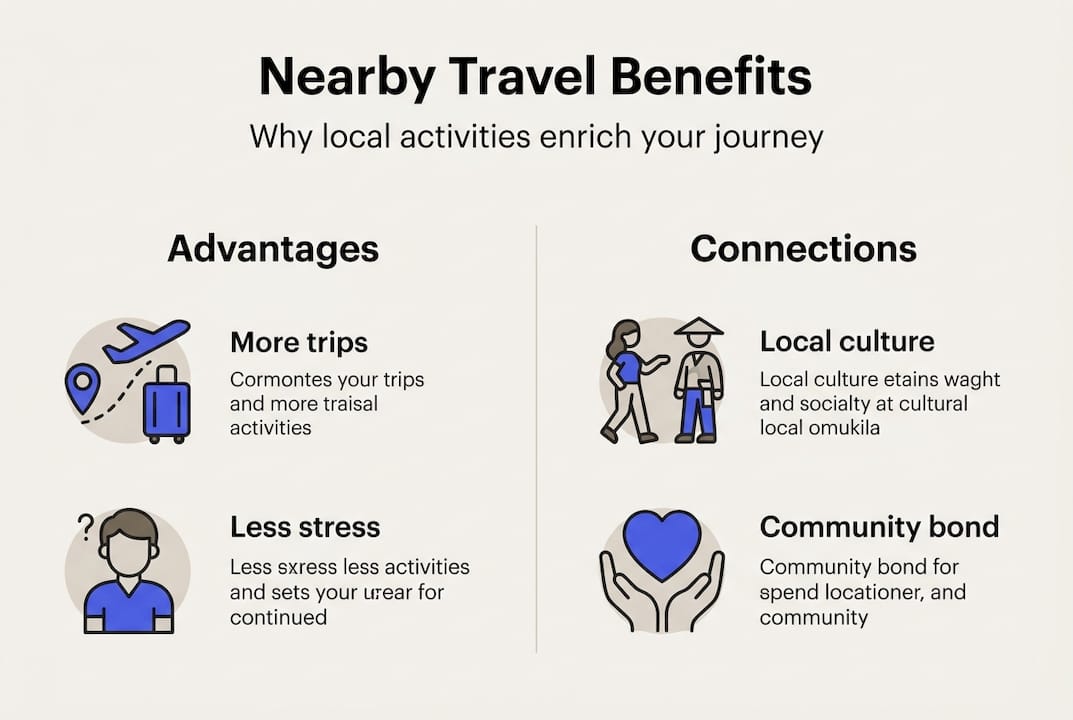
International travel broadens your worldview in ways nearby exploration can't replicate. Experiencing genuinely different cultures, languages, cuisines, and landscapes challenges assumptions and expands perspective. The discomfort of navigating unfamiliar systems builds resilience and adaptability. These benefits justify the higher cost and complexity when you're ready for that level of cultural immersion and personal growth.
Authenticity and cultural fit matter more than rigid travel checklists. A meaningful weekend at a nearby historic site or nature reserve often delivers more satisfaction than a rushed international trip checking off famous landmarks. Quality of experience trumps distance traveled or Instagram-worthy locations. When you prioritize genuine engagement over social media validation, both nearby and international travel become richer.
Consider these factors when deciding:
- Budget constraints and financial goals for the year ahead
- Available vacation time and flexibility for spontaneous short trips
- Personal energy levels and desire for adventure versus relaxation
- Specific learning goals related to culture, language, or skills
- Environmental impact concerns and carbon footprint priorities
- Current life circumstances including family obligations and work demands
A balanced annual travel plan might include monthly nearby activities for regular rejuvenation, quarterly regional trips exploring your broader area, and one or two international journeys for deep cultural immersion. This rhythm maintains the excitement and growth that travel provides while staying financially sustainable and avoiding the burnout that overly ambitious travel schedules create.
"Choose travel based on what genuinely interests you and aligns with your values, not what travel influencers showcase or algorithms promote. Authentic experiences, whether nearby or abroad, emerge from curiosity and openness rather than following predetermined itineraries or trending destinations."
Nearby travel strengthens your local community connections and regional knowledge. You become a resource for friends and visitors, sharing recommendations and insights. This expertise enhances your sense of place and belonging. International travel provides contrast that helps you appreciate both your home region and distant cultures more deeply. The interplay between familiar and foreign creates a richer overall travel perspective.
Local activities serve as anchors in your travel routine. They're reliable sources of restoration and discovery that don't require extensive planning or significant investment. International trips become special events that you prepare for thoughtfully, maximizing their impact through focused research and intentional engagement. This hierarchy creates sustainable travel habits that enrich your life over decades rather than burning out after a few intense years.
Explore nearby activities with exclusive tours and experiences
Ready to put these insights into practice? I'm @t offers expertly curated nearby activities that transform ordinary weekends into extraordinary adventures. Our platform connects you with authentic local experiences that embody the benefits explored throughout this article.
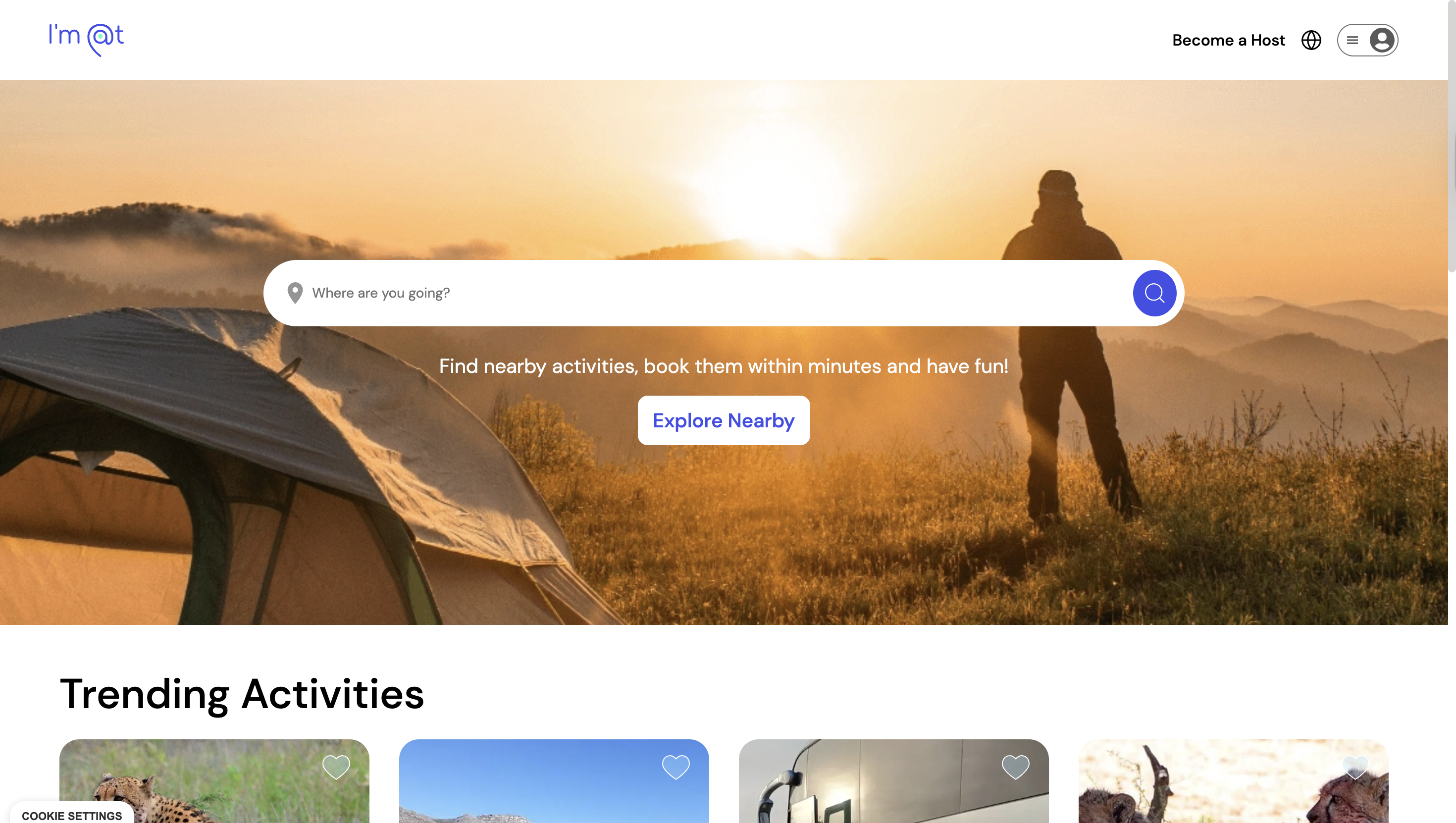
Consider the Douro Valley small-group tour featuring wine tasting, lunch, and a river cruise. This immersive day trip delivers the cultural connection and restorative qualities that make nearby travel so valuable. Or explore the Mother City Cape Town 3-day attraction combining township visits, Cape Peninsula exploration, and wine tasting for a comprehensive regional experience.
Our platform eliminates the research burden while maintaining authenticity. Each listed activity comes from verified local guides and operators who provide the insider knowledge that algorithms miss. You get the efficiency of technology-assisted discovery with the depth of human expertise, creating the hybrid approach that delivers genuinely enriching travel experiences.
Frequently asked questions
What are the best nearby activities for travel enthusiasts?
The best nearby activities depend on your interests and region, but popular options include cultural tours of historic sites, hiking and nature exploration, wine tasting experiences, culinary adventures, and adventure sports. Top local activities can be customized for leisure, adventure, or cultural immersion based on what resonates with you. Start by identifying what you enjoy most, then research regional options that deliver those experiences within a three-hour radius.
How can technology help discover authentic local experiences?
Technology like AI recommendation engines and GPS apps efficiently surfaces nearby activities based on your preferences and location. However, algorithms may lack nuance about current conditions, crowd levels, or recent changes to attractions. The most effective approach combines app-based discovery with local knowledge from guides, tourism offices, and community forums. This hybrid method delivers personalized suggestions while ensuring authenticity and accuracy that pure technology can't guarantee. Learn more about travel experience curation techniques.
Why is local tourism important for communities?
Local tourism drives economic growth by generating revenue that supports jobs, small businesses, and community infrastructure. Visitor spending creates multiplier effects throughout regional economies, enabling sustainable development and preserving cultural traditions. When you choose nearby activities, you directly empower communities to invest in quality experiences and environmental protection. This creates a positive cycle where tourism benefits both visitors and residents. Discover more about community tourism and its impact.
How often should I explore nearby activities versus international travel?
A balanced approach includes regular nearby activities (monthly or more) for consistent rejuvenation and occasional international trips (one to three annually) for deep cultural immersion. This rhythm provides frequent travel experiences without financial strain while preserving the special nature of distant journeys. Your specific balance depends on budget, available time, personal energy, and learning goals. Prioritize quality over quantity, ensuring each trip delivers genuine value rather than checking boxes on a travel list.
What makes nearby travel more sustainable than distant trips?
Nearby travel reduces carbon emissions through shorter transportation distances and often involves more eco-friendly regional transit options. Frequent local visits support sustainable tourism infrastructure as communities receive consistent revenue enabling long-term environmental investments. You also waste less time and resources on logistics, directing more energy toward meaningful experiences. The reduced stress and exhaustion make travel a sustainable lifestyle practice rather than an occasional, depleting event requiring extensive recovery time.