
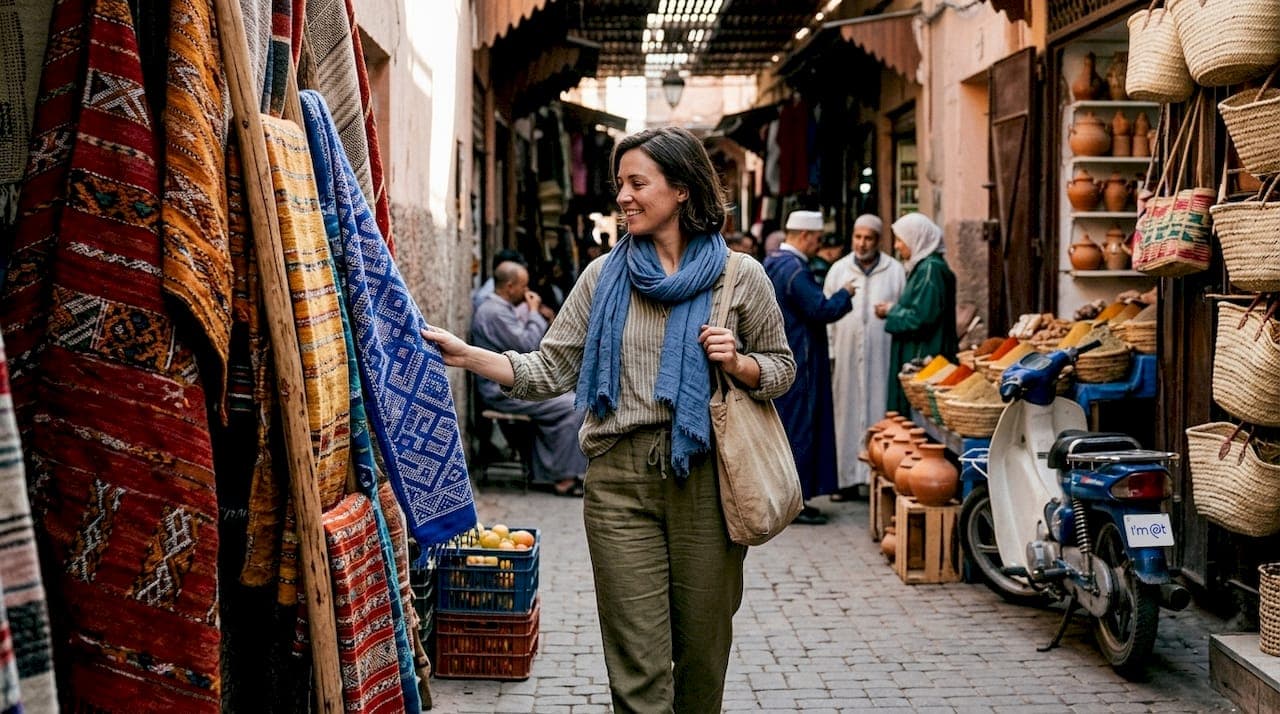
Every traveler faces the same fork in the road: spend a week checking off landmarks from a guidebook, or step off the beaten path and actually connect with the people, stories, and traditions of a place. One option fills your camera roll. The other fills something deeper. The benefits of cultural experiences go far beyond a good story to tell at dinner. Research consistently shows that meaningful cultural engagement reshapes how you see yourself, how you handle stress, and how much joy you carry home. This article breaks down exactly what happens to your mind and sense of self when you travel with intention.
Table of Contents
- How cultural experiences shape your wellbeing
- Experiencing cultural identity and connection
- Mental health and personal growth breakthroughs
- Memorable moments: Creating meaning from travel
- Our take: The real secret to transformative travel
- Ready to experience these benefits yourself?
- Frequently asked questions
Key Takeaways
| Point | Details |
|---|---|
| Boosts wellbeing | Cultural experiences offer measurable benefits to happiness, life satisfaction, and gratitude. |
| Strengthens identity | Immersive travel helps you understand yourself and connect with others more deeply. |
| Enhances mental health | Activities rooted in local culture are proven to improve mental health and emotional regulation. |
| Creates lasting meaning | Memorable cultural moments transform journeys into life-defining experiences. |
| Choose quality | Opt for community-led, authentic encounters to maximize positive impact for you and locals. |
How cultural experiences shape your wellbeing
There is a reason some trips feel life-changing while others just feel like a vacation. The difference usually comes down to how deeply you engaged with the place and its people. Psychologists explain this through self-determination theory, which argues that humans thrive when three core needs are met: autonomy, competence, and relatedness. Cultural experiences tick all three boxes at once.
When you navigate a local market in Marrakech, bargain in a language you barely speak, or learn to cook a regional dish from a local grandmother, you are exercising real autonomy. You are also building competence in real time, figuring things out without a script. And relatedness? That comes naturally when you share a meal or a laugh with someone whose life looks nothing like yours.
Meaningful tourism experiences enhance wellbeing and gratitude, including psychological growth, which is why travelers who prioritize cultural depth consistently report higher satisfaction than those who stick to surface-level sightseeing. In fact, 89% of wellness travelers report measurable mental health gains from their trips.
The emotional payoff is not just immediate. Positive emotions triggered during cultural travel act as a bridge to lasting happiness. You reflect on those moments for months, sometimes years. Growth, gratitude, and joy compound over time.
Here is what deepening your travels through cultural engagement consistently delivers:
- Reduced anxiety and stress through novelty and presence
- Increased gratitude for your own life and others'
- Stronger sense of personal identity and values
- Greater emotional resilience from navigating unfamiliar situations
- Lasting positive memories that boost long-term happiness
Pro Tip: Deliberately choose at least one experience per trip that makes you slightly uncomfortable. That edge is where the real growth happens. Learning to master immersive experiences starts with a willingness to feel out of your depth.
Experiencing cultural identity and connection
Cultural distance, the gap between your world and the one you are visiting, is not a barrier. It is actually the engine of memorable travel. The more unfamiliar a culture feels at first, the more your brain pays attention, encodes detail, and builds meaning from the encounter.
Research on rich cultural tourism experiences shows strong path coefficients linking spiritual, historical, and ecological encounters to tourist satisfaction and long-term behavioral intentions. In plain language: people who engage deeply with local culture come home happier and want to travel more intentionally in the future.
What makes this work is the mechanics of cultural interaction. When you sit with a community storyteller, join a local music session, or share a family meal with a host, you are not just observing another culture. You are holding up a mirror to your own. You start to see your own assumptions, habits, and values more clearly because you are comparing them, consciously or not, to something genuinely different.
"Cultural identity built through travel is not about becoming someone else. It is about understanding yourself more fully by stepping outside your usual frame."
Community-led tourism models deepen this even further. When experiences are designed and delivered by locals rather than large tour operators, the exchange feels real. You get access to stories, spaces, and perspectives that no glossy brochure could manufacture. Exploring authentic travel rewards through these kinds of encounters is one of the most reliable ways to make a trip genuinely meaningful.
Types of identity-building cultural experiences worth seeking out:
- Sharing traditional meals with local families
- Participating in local music, dance, or craft workshops
- Listening to community storytelling or oral history sessions
- Visiting sacred or historically significant sites with a local guide
- Joining community festivals or seasonal celebrations
For a practical framework on finding these kinds of opportunities, the community tourism guide is a great starting point.
Mental health and personal growth breakthroughs
The mental health case for cultural travel is no longer just anecdotal. Studies on international leisure and sport tourism show that cultural experiences improve mental health through multiple mediating factors, including emotion regulation, self-efficacy, and body image. These mediations account for 20 to 30 percent of the variance in mental health outcomes among travelers, which is a significant effect in behavioral research.
Emotion regulation is particularly interesting here. When you are immersed in a new cultural environment, you are constantly managing small doses of uncertainty. Over time, this builds your capacity to stay calm and curious rather than anxious when things do not go as planned. That skill transfers directly back to everyday life.
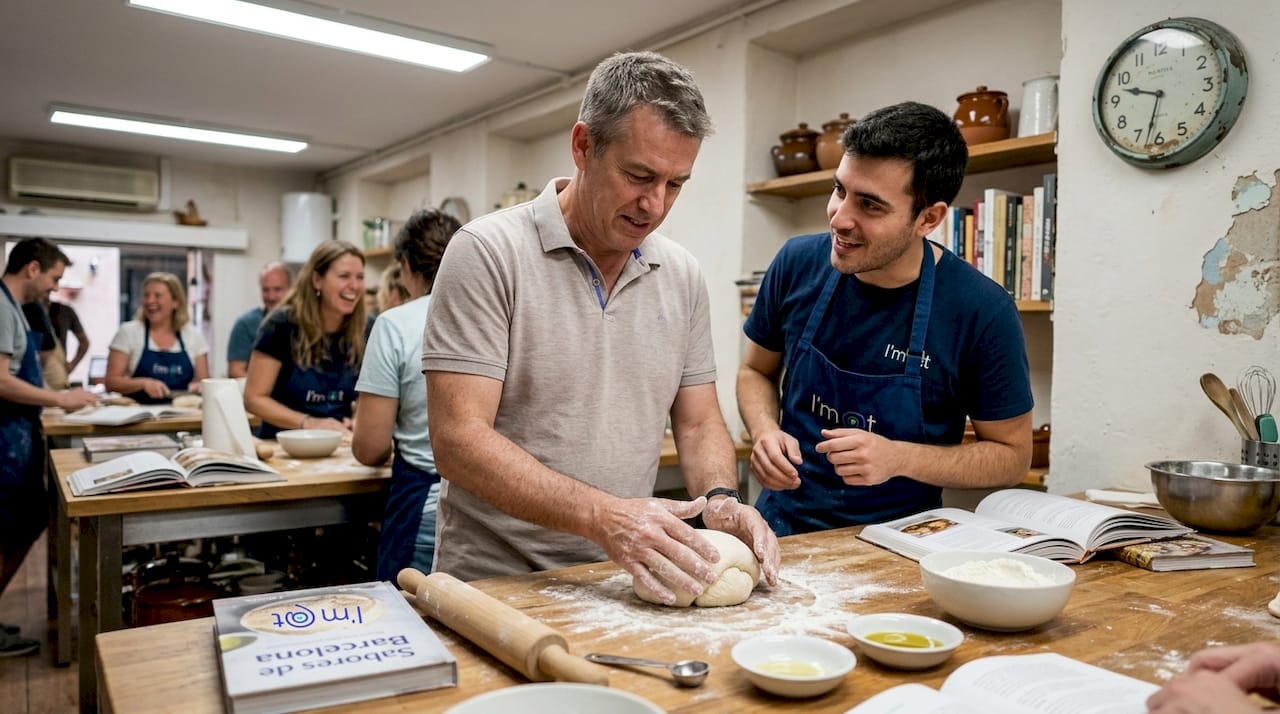
Gratitude and self-acceptance also grow through cultural immersion. Seeing how people in different circumstances find joy, community, and purpose tends to recalibrate your own sense of what matters. It is hard to stay stuck in petty frustrations after spending a week with people who have far less and laugh far more.
| Cultural activity | Primary mental health benefit |
|---|---|
| Guided historical tours | Perspective and gratitude |
| Local cooking or craft classes | Self-efficacy and confidence |
| Community volunteering abroad | Empathy and emotional resilience |
| Nature-based cultural experiences | Stress reduction and mindfulness |
| Spiritual or ceremonial participation | Meaning-making and self-acceptance |
To maximize these benefits, here is a practical sequence:
- Research community-led options before you book, using resources like community-led tourism models as a benchmark for quality.
- Choose a mix of types of travel activities that span physical, creative, and social engagement.
- Limit passive sightseeing to no more than 30 percent of your itinerary.
- Build in unstructured time for spontaneous local interaction.
- Work with knowledgeable guides. The role of tour guides in unlocking genuine cultural access is consistently underestimated.
Memorable moments: Creating meaning from travel
Not every trip becomes a story you tell for the rest of your life. But some do. The difference is almost always tied to how much meaning you extracted from the experience, not how many places you visited.
Memorable tourism experiences increase a person's sense of life meaning through two key mechanisms: positive affect and self-reflection. Gender moderates these effects, meaning men and women process travel meaning somewhat differently, but both benefit significantly from experiences that trigger genuine emotion and invite personal reflection.
Positive affect is just a research term for feeling genuinely good. Not the shallow buzz of a cocktail at a rooftop bar, but the deep satisfaction of having connected, learned, or been moved by something real. That kind of positive emotion primes your brain to store the experience as meaningful rather than just pleasant.
| Surface tourism | Immersive cultural tourism |
|---|---|
| Photographs of landmarks | Stories you tell for years |
| Passive observation | Active participation |
| Generic souvenirs | Skills, recipes, friendships |
| Temporary mood boost | Lasting shift in perspective |
| Checking boxes | Building a personal narrative |
To turn ordinary travel moments into extraordinary memories, explore cultural tours for immersive travel that are specifically designed to generate these kinds of experiences. You can also browse unique travel ideas for inspiration across different destinations and activity types.
Pro Tip: After a significant cultural moment, find 10 quiet minutes to write down three things you felt, noticed, or questioned. This simple ritual dramatically strengthens how deeply the experience is encoded as meaningful memory.
Our take: The real secret to transformative travel
Here is something most travel content will not say plainly: the majority of travelers never actually access the benefits described in this article. Not because the experiences are rare or expensive, but because most people default to comfort. They book the tours that feel safe, stick to the restaurant their hotel recommended, and avoid situations where they might feel awkward or lost.
We have seen this pattern repeatedly. The travelers who come back genuinely changed are the ones who said yes to something uncertain. They joined the local family's Sunday lunch even though they spoke no common language. They took the slow bus instead of the private transfer. They asked the guide a real question instead of just nodding along.
Exploring nearby activities with genuine curiosity, even in your own city, builds the same muscle. Transformative travel is less about geography and more about the willingness to engage. The research backs this up, but honestly, you probably already know it. The trips you remember most are the ones where something surprised you.
Ready to experience these benefits yourself?
You now have a clear picture of what cultural travel can do for your wellbeing, identity, and mental health. The next step is putting it into practice.

Im-at makes it easy to find and book experiences that deliver real cultural depth, not just tourist checkboxes. Whether you want to explore the vibrant townships and wine country on a Cape Town cultural tour or cruise through the stunning landscapes of Portugal on a Douro Valley group tour, the platform connects you with curated experiences designed for genuine engagement. Browse more immersive trips and start planning a journey that actually changes you.
Frequently asked questions
What are the top psychological benefits of cultural experiences when traveling?
They improve wellbeing, increase gratitude, and foster personal growth through positive emotions and self-reflection. Tourism experiences consistently show these outcomes across diverse traveler groups.
Can cultural activities really help my mental health during travel?
Yes, evidence shows that engaging in cultural experiences during travel directly improves mental health and self-acceptance. Cultural experiences improve mental health, self-efficacy, and emotion regulation in documented studies.
How do I choose the right cultural experience for me?
Pick activities that align with your interests and challenge you to interact with local communities for deeper rewards. Community-led models consistently deliver more sustainable and meaningful outcomes than commercial alternatives.
Are there any downsides to cultural tourism?
Over-commercialization or lack of genuine exchange can erode authenticity, so opt for community-led and sustainable models. Experts recommend these approaches specifically to avoid the risks of superficial or exploitative tourism formats.