
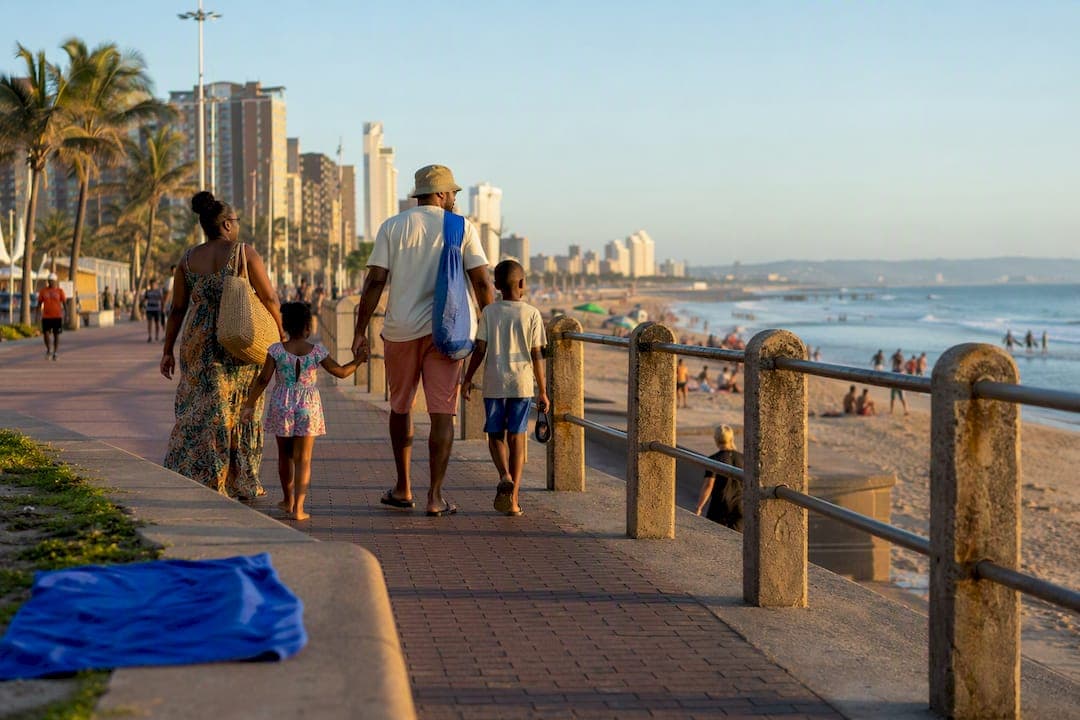
The best things to do in Durban right now are the Golden Mile beaches, uShaka Marine World, Victoria Street Market for bunny chow and spice shopping, and a half-day trip to Phezulu Safari Park or the Valley of a Thousand Hills. Check the local events calendar before you lock in dates, and book uShaka, Moses Mabhida activities, and popular safari slots ahead through a platform like Im-at to avoid disappointment during peak season.
TL;DR:
- Book popular attractions like uShaka Marine World and Moses Mabhida SkyCar early to avoid long queues during peak seasons, especially holidays and weekends.
- Prioritize morning visits to beaches and markets to avoid crowds and make the most of Durban's strong sun and warm weather.
- Combine a half-day trip to Phezulu Safari Park or Valley of a Thousand Hills with cultural or beach activities for a balanced, flexible itinerary.
- Use tide charts and arrive early for scenic spots like Hole in the Wall to ensure safety and better photography opportunities.
- Check official websites and event calendars in advance to confirm current hours, prices, and availability, avoiding outdated or inaccurate information.
Table of Contents
- Top 10 Durban Attractions Worth Your Time
- Beaches, the Golden Mile and Coastal Strolling
- Family-Friendly Attractions: uShaka, Moses Mabhida and Beyond
- Victoria Street Market and Durban's Multicultural Food Scene
- Day Trips: Phezulu, Valley of a Thousand Hills and Beyond
- Surfing, Boat Cruises and Other Water Adventures
- Museums, Heritage Sites and Durban's Deeper History
- Planning Your Durban Trip: Timing, Safety and Getting Around
- Why Im-at Is Built for Trips Like This
- Where Durban's Nightlife Actually Happens
- Shopping: From Street Markets to Modern Malls
- Festivals, Live Music and Durban's Cultural Calendar
- What I'd Actually Prioritize in Durban
- Book Your Durban Adventure Through Im-at
- Where to Confirm Durban's Latest Details
- Sources
Top 10 Durban Attractions Worth Your Time
Durban rewards visitors who mix beach mornings with cultural afternoons. Here's the shortlist that actually delivers, with who each spot suits and how much time to set aside.
- Golden Mile beaches — Best for families and sunbathers wanting safe, patrolled swimming spots. Budget 2 to 4 hours, and go early to grab shade near the lifeguard towers.
- uShaka Marine World — Best for families with kids of any age; Africa's largest aquarium plus a waterpark makes it a genuine full-day option. Book online during school holidays.
- Victoria Street Market — Best for food lovers and souvenir hunters. Set aside 1 to 2 hours and go in the morning when spice stalls are freshest.
- Durban Botanic Gardens — Best for a quiet, free morning walk or picnic. An hour is plenty unless you linger at the orchid house.
- Moses Mabhida Stadium — Best for adventure seekers wanting a skywalk or swing with a view. Plan 1 to 3 hours depending on which activity you add.
- Valley of a Thousand Hills / Phezulu Safari Park — Best for travelers wanting Zulu cultural performances alongside crocodile and reptile encounters. Half a day, including drive time.
- Surfing and water sports — Best for anyone chasing an adrenaline morning; lessons run year round given Durban's warm coastline. About two hours covers a beginner lesson.
- Museums and heritage sites — Best for history buffs and rainy-day plans. The Natural History Museum takes under an hour; heritage day trips run longer.
- Boat cruises — Best for a relaxed harbor view without much walking. Most sunset or dolphin cruises run 60 to 90 minutes.
- Umgeni River Bird Park — Best for bird lovers and families wanting a calmer alternative to uShaka. Budget an hour or so, and time your visit around the free-flight bird shows.
Pro Tip: Pair a controlled-entry attraction like uShaka or Moses Mabhida with your morning, then leave the afternoon open for beach time. Durban's weather shifts fast enough that flexible plans beat back-to-back bookings.
Beaches, the Golden Mile and Coastal Strolling
The Golden Mile is Durban's beating heart, a string of connected beaches running from uShaka up toward the Suncoast area. Families gravitate toward the calmer, netted swimming zones near North Beach and Battery Beach, where lifeguards patrol daily and the shallow shelf keeps small kids safe. Surfers head slightly north, where the swell picks up and the crowd thins out to locals who know the sandbanks by name.
The promenade itself is half the attraction. You can rent a bike, hop into a rickshaw pulled by a Zulu driver in full ceremonial dress, or just walk the paved path past food carts, ice cream stalls, and the occasional street performer. It's one of the few beachfronts in South Africa where you genuinely don't need a car to have a full day out.
A short drive north gets you to tidal features worth timing carefully. The Hole in the Wall at Thompsons Bay is a striking rock arch that's best photographed and safely approached at low tide, since the rocks become slippery and the approach narrows as water rises.
Pro Tip: Arrive well before low tide for the Hole in the Wall. A tide chart app takes the guesswork out of it, and arriving early means you're not fighting other visitors for the same shot.
Practical notes worth knowing before you head down:
- Parking along the Golden Mile is metered and fills up fast on weekends; arrive before 9 a.m. for the best spots.
- Lifeguards are on duty during peak season, with reduced coverage in winter months.
- Durban's sun is stronger than it feels thanks to the coastal breeze, so reapply sunscreen more often than you think you need to.
- Blue flag beaches like uShaka Beach and Umhlanga Rocks meet stricter water quality and safety standards, making them a safer default for families with young swimmers.
Family-Friendly Attractions: uShaka, Moses Mabhida and Beyond
uShaka Marine World anchors most family itineraries in Durban, and for good reason. The aquarium section, Sea World, houses sharks, dolphins, and penguins, while Wet 'n Wild next door adds slides and a lazy river for when the kids need to burn energy in the water instead of just watching it. Together they can take half a day to a full day to explore properly, depending on how many shows you catch.
Moses Mabhida Stadium takes family adventure in a different direction entirely. The Adventure Walls, the Big Rush Big Swing, and the SkyCar (a cable car that glides to the top of the stadium's arch) give older kids and thrill-seeking parents a genuine adrenaline hit with a panoramic view of the whole city as the payoff.
For a gentler pace, the Umgeni River Bird Park houses hundreds of bird species across landscaped gorges, and Mini Town near uShaka gives younger children a miniature version of Durban's landmarks to wander through, scaled down to their size.
Statistic to know: uShaka's combined aquarium and waterpark setup makes it one of the largest attractions of its kind on the continent, which is exactly why school holiday crowds build fast and advance booking matters.
Booking advice that actually saves you time:
- Buy uShaka tickets online rather than at the gate during busy periods; queues can be long.
- Check show times for the dolphin and seal presentations before you arrive so you can build your day around them.
- Moses Mabhida's SkyCar has weather restrictions, so call ahead on windy days rather than driving over and getting turned away.
- Mini Town and the bird park both work well as a wind-down activity after a high-energy morning at uShaka.
For a balanced day, combine uShaka in the morning with a stroll through the Botanic Gardens or a quiet promenade walk in the afternoon rather than stacking two ticketed attractions back to back. It keeps the day from feeling rushed and gives younger kids a nap-friendly lull.
Victoria Street Market and Durban's Multicultural Food Scene
Victoria Street Market is where Durban's Indian heritage shows up most vividly, a two-story maze of stalls selling everything from fresh curry spices to leather goods and beadwork. The ground floor spice stalls are the main draw. Vendors will grind a custom curry mix while you wait, and haggling is expected, though it stays friendly rather than aggressive.
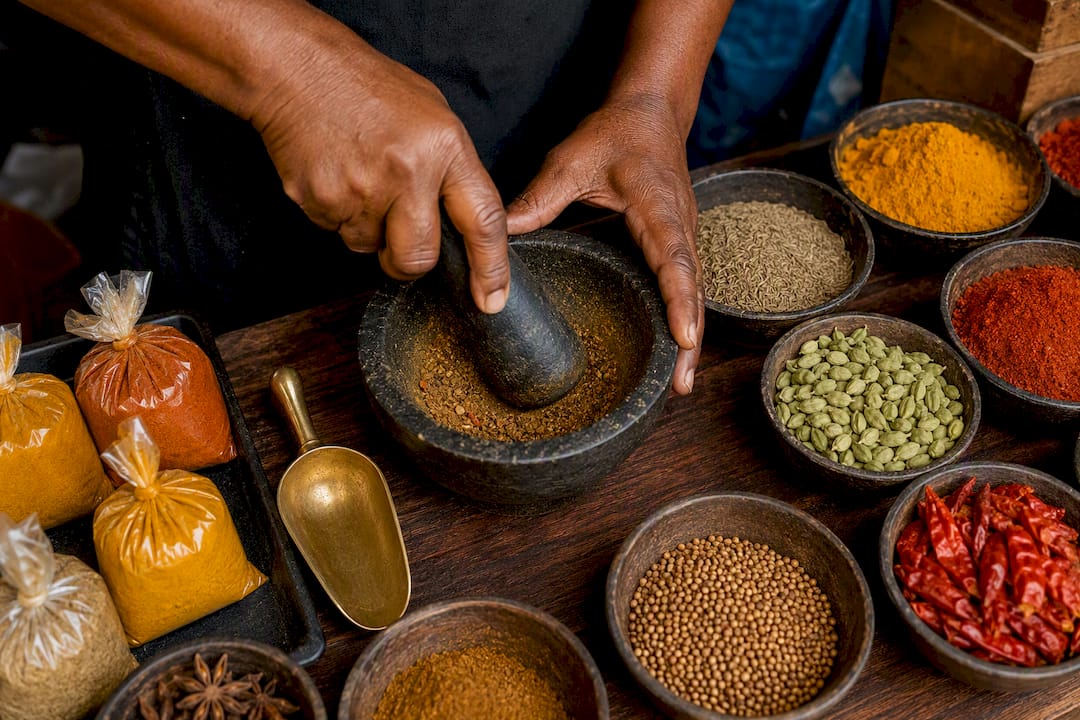
Bunny chow is the dish you need to try while you're here. It's a hollowed-out half loaf of bread filled with curry, born from Durban's Indian community decades ago as a portable lunch for laborers who couldn't carry a plate to work. You'll find it at casual eateries throughout the city center and along the beachfront, ranging from mild butter bean versions to fiery mutton curry that will test your tolerance.
Durban's multicultural mix of Indian, Zulu and colonial influences is really the city's defining travel appeal, and nowhere is that clearer than standing in the market's spice aisle at 10 a.m. surrounded by five different languages.
Pro Tip: Go to Victoria Street Market before noon. Later in the day the market gets warmer, more crowded, and some spice vendors start packing up their freshest stock for the next morning.
A few things worth knowing before you eat your way through the city:
- Street food stalls near the beachfront tend to be busiest at lunch; evening crowds shift toward sit-down curry houses.
- If you have shellfish or nut allergies, ask before ordering; many curry bases use ground nuts or seafood stock.
- Bottled water is a safer bet than tap water from street vendors, though restaurant tap water is generally fine.
- Learning how to approach local food experiences before you travel, like asking locals for their go-to spot rather than the first place you see, tends to produce better meals than guidebook picks.
Day Trips: Phezulu, Valley of a Thousand Hills and Beyond
The Valley of a Thousand Hills starts about 40 minutes inland from Durban and rewards you with rolling green hills, dramatic viewpoints, and small craft stalls run by local Zulu artisans. It's less a single attraction than a scenic drive punctuated by stops, which makes it ideal for travelers who want culture without a rigid schedule.
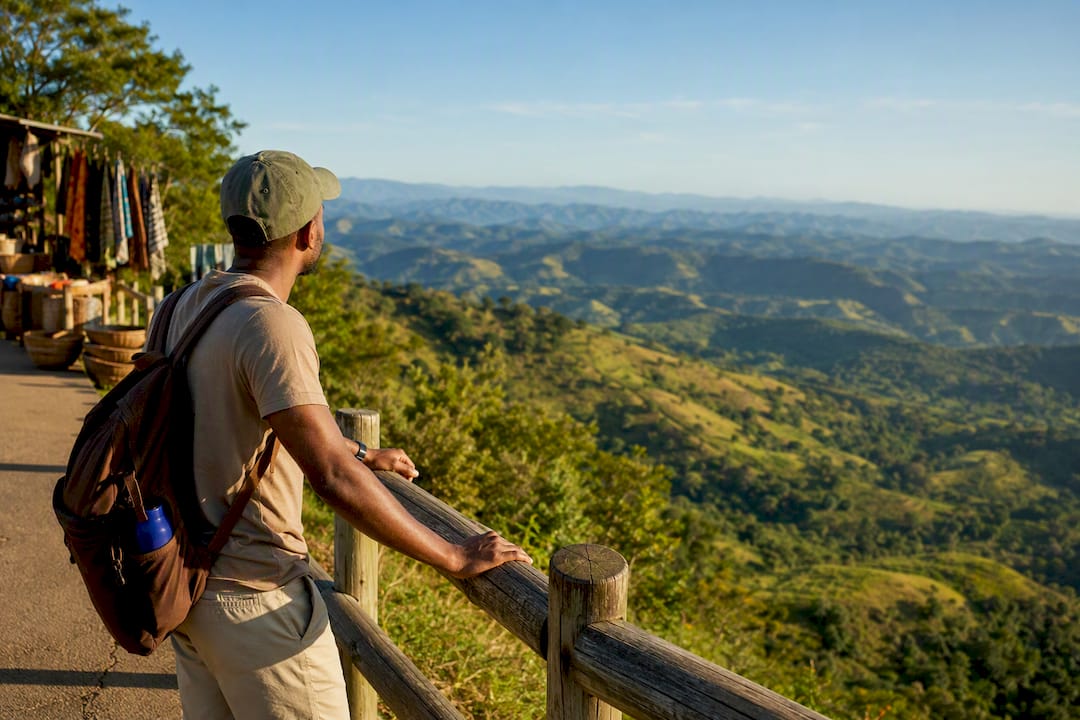
Phezulu Safari Park sits right in that valley and blends the two things most visitors want from a short inland trip: wildlife and culture in one stop. You'll see crocodiles, a reptile house, and often a Zulu dance performance, all without committing to a multi-day safari. The park runs on set daily hours but occasionally closes around major local events, so a quick call ahead beats showing up unannounced.
For visitors with more time, Hluhluwe-iMfolozi Park and iSimangaliso Wetland Park sit two to three hours north of Durban and offer a genuinely different experience: proper Big Five safari territory and a UNESCO-listed wetland ecosystem. These aren't half-day add-ons. Budget a full day minimum, and an overnight stay if you want more than a rushed drive-through.
- Phezulu and the Valley of a Thousand Hills work well as a self-drive half-day trip if you're comfortable navigating rural roads.
- Hluhluwe and iSimangaliso are better suited to a guided tour or organized transport, since distances and game-drive logistics get complicated fast on your own.
- Pack sunscreen, closed shoes, water, and a hat regardless of which trip you choose. Valley roads can be dusty, and safari parks offer little shade.
- A Lesedi Cultural Village day tour style experience is a solid alternative if you want deeper cultural immersion without a long drive.
Short, culturally rich outings like Phezulu are popular because they compress the safari experience into a manageable afternoon rather than asking for a multi-day commitment.
Surfing, Boat Cruises and Other Water Adventures
Durban's warm Indian Ocean water and consistent swell make it one of South Africa's best places to learn to surf. Beginner lessons cluster around North Beach and Addington Beach, where instructors work with the gentler breaks close to shore. More experienced surfers head toward the reef breaks further along the coast, where the waves are faster and less forgiving.

Stand-up paddleboarding has grown fast here too, mostly along the calmer harbor-side waters where there's no swell to fight. A handful of operators near uShaka also run snorkel and shallow dive trips, though serious diving usually means heading south toward Aliwal Shoal for better visibility and reef structure.
Boat cruises out of Durban Harbour typically run 60 to 90 minutes and cover sunset views, dolphin spotting, or a slow tour past the harbor's working ships and container terminals. They're a low-effort way to see the coastline from a different angle, and most depart daily depending on weather.
A few things to keep in mind before booking anything on the water:
- Surf lessons run year round, but summer (November through February) has the warmest water and biggest crowds.
- Check wind forecasts before booking SUP or kayak trips; Durban's afternoon southerly wind can turn a calm morning choppy fast.
- Snorkel and dive trips depend heavily on visibility, which drops after heavy rain, so ask operators about recent conditions.
- Boat cruises rarely cancel for light rain but do cancel for strong wind, so build a backup plan into your afternoon.
Museums, Heritage Sites and Durban's Deeper History
The Durban Natural History Museum, tucked inside City Hall, is a compact but genuinely engaging stop for families, with dinosaur skeletons, taxidermy displays, and an insect collection that tends to fascinate kids more than parents expect. Entry is inexpensive and you can cover the whole museum in well under an hour.
For a heavier dose of history, the Nelson Mandela Capture Site sits about an hour and a half from Durban near Howick, marking the spot where Mandela was arrested in 1962. The site includes a striking steel sculpture and a small visitor center explaining the events leading up to that day, and it pairs naturally with a broader battlefields or Midlands day trip if you have the time.
KwaZulu-Natal's battlefields region, further inland, covers sites from the Anglo-Zulu and Anglo-Boer wars. These are worth a guided tour rather than a self-drive, since the historical context matters more than the physical sites themselves.
- Durban Natural History Museum: open daily except Sundays, with modest entry fees and generally relaxed photography rules.
- Nelson Mandela Capture Site: allow 45 minutes to an hour, plus travel time from Durban.
- Battlefields tours: full-day commitments best booked through a specialist guide who knows the terrain and history.
- Most heritage sites allow personal photography but restrict flash near sensitive artifacts or displays.
Planning Your Durban Trip: Timing, Safety and Getting Around
Durban's subtropical climate means warm weather nearly year round, which is part of why it draws beach travelers even in what would be winter elsewhere. That said, Durban Tourism's events calendar is worth checking before you finalize dates, since food festivals, the KwaZulu-Natal Philharmonic Orchestra's performances, and seasonal markets can add real value to a trip if your timing lines up.
Getting around the city works best with a mix of ride-hailing apps for daily trips and a rental car if you're planning inland day trips to Phezulu or the Valley of a Thousand Hills. Parking at major attractions is generally straightforward, though the Golden Mile fills up on weekends.
Worth knowing: Blue and yellow beach flags mark safe swimming zones along the Golden Mile, and lifeguards are stationed at the main beaches during peak season, which runs roughly September through April.
Safety basics that matter more than people expect:
- Stick to well-populated beach areas and avoid walking alone on quiet stretches after dark.
- Keep valuables out of sight in parked cars, especially at inland trailheads and viewpoints.
- Families with strollers will find uShaka, the Botanic Gardens, and the beachfront promenade the most accessible, with paved paths throughout.
- Budget roughly $30 to $60 per person per day for food, transport, and one paid attraction, adjusting upward for guided day trips.
Book popular attractions like uShaka and Moses Mabhida's SkyCar in advance during December, Easter, and school holiday weeks, when local families flood the same spots you're trying to visit.
Why Im-at Is Built for Trips Like This
Im-at works as a search and booking marketplace for exactly the kind of trip this article lays out: a mix of aquarium visits, cultural day trips, and outdoor adventures scattered across one city. Instead of juggling five different booking sites for uShaka tickets, a Phezulu day trip, and a boat cruise, you search once and compare what's actually available near you.
Local guides and tour operators list their own experiences directly on the platform, which means the catalog grows as more of Durban's providers come on board. That's useful for travelers chasing something less obvious than the standard checklist, whether that's a niche cultural tour or a specialized outdoor activity that doesn't show up in typical guidebooks.
This guide is published alongside a platform facilitating bookings, connecting travelers with providers running the activities.
Where Durban's Nightlife Actually Happens
Durban's after-dark scene splits across a few distinct pockets rather than one central strip. The beachfront near uShaka and North Beach has a string of casual bars and restaurants that stay lively into the evening, especially on weekends when live music spills out onto outdoor decks.
Florida Road in Morningside is the city's most concentrated entertainment district, packed with restaurants, cocktail bars, and a few late-night clubs within walking distance of each other. It's the closest thing Durban has to a proper nightlife strip, and it draws a mixed crowd of locals and visitors rather than feeling touristy.
For something calmer, the Suncoast Casino complex combines gaming, restaurants, and beachfront bars under one roof, which works well if you want a low-effort evening without hopping between venues. Umhlanga, a short drive north, has its own smaller but polished dining and bar scene, generally quieter and slightly more upscale than the city center.
Weeknights are noticeably calmer than Friday and Saturday, so if you're after a relaxed dinner rather than a loud crowd, midweek is the better call. Ride-hailing apps make hopping between Florida Road and the beachfront simple and cheap enough that you don't need to commit to one area for the whole night.
Shopping: From Street Markets to Modern Malls
Durban's retail scene runs the full range, from the chaos of Victoria Street Market to air-conditioned malls that feel like they could sit in any major city worldwide. Gateway Theatre of Shopping in Umhlanga is the biggest of the bunch, one of the largest malls in the southern hemisphere, with hundreds of stores, a cinema, and an indoor wave pool that draws families as much as shoppers.
The Pavilion in Westville and Musgrave Centre closer to the city center both offer a more manageable scale if Gateway feels like overkill, with a solid mix of local and international brands. For something more design-focused, the Durban Botanic Gardens area and parts of the beachfront have smaller boutique strips selling local crafts, art, and beachwear that you won't find in the big malls.
If souvenir shopping is the goal, split your time between Victoria Street Market for spices, textiles, and Zulu craftwork, and one of the malls for anything more conventional. Most malls open around 9 a.m. and close by 7 or 8 p.m., with slightly longer hours on weekends. Parking at Gateway and The Pavilion is plentiful and mostly free, which isn't always true for smaller shopping strips closer to downtown.
Festivals, Live Music and Durban's Cultural Calendar
Durban's cultural calendar runs deeper than most visitors expect. The Durban International Film Festival brings African and international cinema to local venues each year, while smaller food and craft festivals pop up seasonally around the Botanic Gardens and beachfront.
Live music leans heavily on the city's Indian, Zulu, and colonial roots blending together in unexpected ways. You'll find everything from traditional Zulu drumming and dance performances at cultural sites like Phezulu to jazz nights at Florida Road bars and Indian classical performances tied to Diwali celebrations each year.
The KwaZulu-Natal Philharmonic Orchestra performs regularly at venues around the city, and checking Durban Tourism's events calendar before you travel can turn an ordinary trip into one built around a specific festival or performance. Some of the best cultural experiences here aren't the headline attractions at all. They're the smaller, seasonal events that only show up if you check listings a few weeks ahead rather than booking blind.
What I'd Actually Prioritize in Durban
Most guides treat Durban as a beach city with a few add-ons bolted on. That undersells it. The real strength here is how easily beach mornings, market afternoons, and a half-day cultural safari fit into one trip without feeling rushed, something you can't say about most South African cities where the good stuff is scattered hours apart.
The overrated pick, in my view, is treating uShaka as a must-do for every traveler. It's excellent for families with young kids, but solo travelers and couples often get more out of a Golden Mile surf lesson and a proper afternoon at Victoria Street Market. Prioritize the food and culture first if you're not traveling with children. Save the ticketed, queue-heavy attractions for when you actually have kids in tow who'll appreciate them.
If you only nail one thing, make it timing: check the events calendar, book the popular slots early, and leave your afternoons loose enough to chase good weather instead of a schedule.
— Mikahil
Book Your Durban Adventure Through Im-at
There are platforms designed to simplify planning a Durban trip by letting you search and book activities in one place instead of visiting multiple sites. If you want something beyond the standard checklist, Tailor-Made 4×4 Tours can build a custom off-road day around the Valley of a Thousand Hills or KwaZulu-Natal's backroads, which suits adventure travelers who want more flexibility than a fixed-route safari offers.

For something different on a Durban evening, The Unholy Secrets is a bookable experience worth a look if you're after entertainment beyond the usual dinner-and-drinks routine. Both listings, and the many others from local providers, are searchable and bookable directly through Im-at. Check availability now and lock in the dates that fit your Durban itinerary before peak season fills them up.
Where to Confirm Durban's Latest Details
For opening times, ticket prices, and event schedules that change seasonally, go straight to the source rather than relying on secondhand guides. Durban Tourism maintains the city's official events calendar. uShaka Marine World's website lists current hours and show times. Time Out Durban offers a broader, regularly refreshed roundup of attractions worth cross-checking against your itinerary before you book anything.
Sources
- uShaka Marine World
- Things to do in Durban | 24 Must-See Sights and Attractions - Time Out
- Durban Tourism
- Hole in the Wall, Thompsons Bay — North Coast Explore