
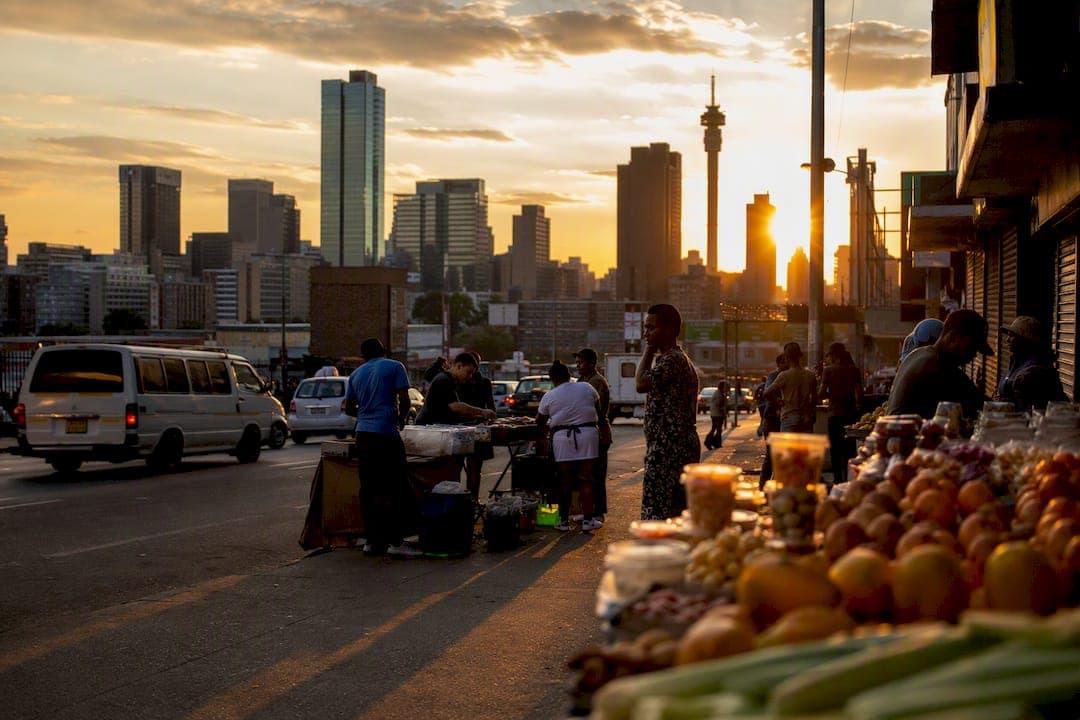
Start with four things: the Apartheid Museum for history, Vilakazi Street in Soweto for context and food, one market (Neighbourgoods or Maboneng) for creative culture, and one wildlife stop, whether that's Walter Sisulu National Botanical Garden or a half-day at Lion & Safari Park. Add Gold Reef City if you're traveling with kids, and squeeze in one unusual experience, like the Orlando Towers bungee jump, if you like your itineraries with a bit of adrenaline.
- History: Apartheid Museum (allow 3 hours) and Constitution Hill
- Soweto: Vilakazi Street, Hector Pieterson Memorial, Mandela House
- Markets: Neighbourgoods Market (Braamfontein) or Maboneng Precinct
- Nature/wildlife: Walter Sisulu National Botanical Garden or Lion & Safari Park
- Family/thrills: Gold Reef City, including its underground mine tour
- Unusual: Orlando Towers bungee or Dinner in the Sky (seasonal)
Pro Tip: Book Gold Reef City and the Apartheid Museum ahead during South African school holidays. Capacity fills fast, and walk-up queues can eat an hour you'd rather spend inside. Local guides consistently point first-time visitors toward this exact combination: museum, Soweto, a market, and Constitution Hill. Im-at lets you check availability and book several of these in one sitting, which matters more than it sounds once you're juggling a two-day window.
TL;DR:
- The Apartheid Museum requires at least three hours and is best visited on a weekday to avoid crowded exhibits.
- Soweto's highlights include the Hector Pieterson Memorial, Vilakazi Street, and Mandela House, ideally visited with a guided tour for context.
- Book popular attractions like Gold Reef City and Sterkfontein Caves early during school holidays to avoid capacity issues.
- Combining city highlights with a nature stop like Walter Sisulu Botanical Garden or Lion & Safari Park offers a well-rounded experience within half a day each.
- Use the Johannesburg hop-on hop-off bus and booking platforms to efficiently plan and secure availability during peak periods.
Table of Contents
- Things to Do in Johannesburg: Top Attractions by Category
- Best Day Trips From Johannesburg
- Weekend Events and Live Culture in Johannesburg
- How Do You Get Around Johannesburg Safely?
- Sample Itineraries: 1-Day, Weekend, and Family Plans
- Booking Johannesburg Tours and Activities Through Im-at
- Shopping Beyond the Markets: Malls and Local Craft Districts
- Cultural Tours and Art Galleries Worth Seeking Out
- Historic City Center Walks and Architecture Worth Noticing
- Neighborhood Guide: Melville, Braamfontein, and Sandton
- Where to Find Johannesburg's Best Nightlife
- What I've Learned About Exploring Johannesburg
- Book Your Johannesburg Activities Through Im-at
- Key Takeaways
- Sources
Things to Do in Johannesburg: Top Attractions by Category
Johannesburg rewards visitors who mix categories rather than binge one theme for a whole day. Here's how the city's best-known stops break down.
History and heritage
The Apartheid Museum is not a quick stop. Plan on roughly three hours minimum, and go on a weekday if you can. Weekend crowds slow the pacing through the narrower exhibit corridors, and this museum rewards unhurried reading, not a speed walk. Buy tickets in advance during peak season.
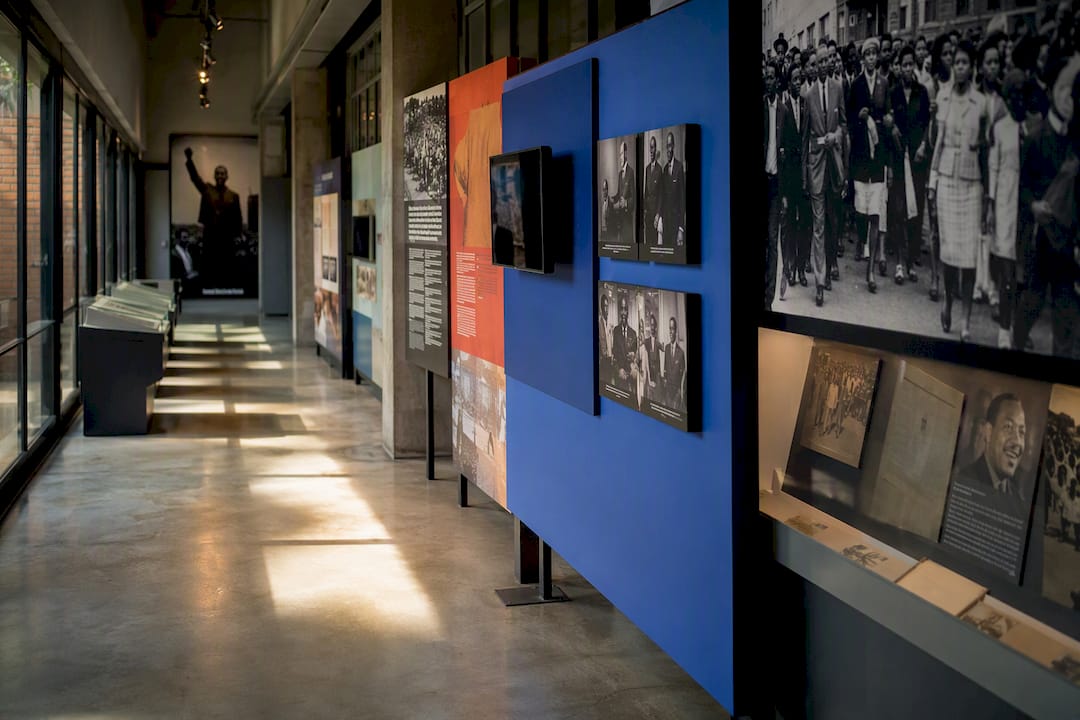
Constitution Hill, built on the site of the old Number Four prison, functions as both a heritage site and a working cultural venue. It's not frozen in time. The complex runs an active events calendar that links the site's history to present-day social-justice conversations, so a visit timed around a talk or exhibition often lands harder than a standalone tour.
Soweto: Vilakazi Street and beyond
Soweto deserves a half-day minimum, and going with a guided Soweto tour gets you context a self-guided walk usually misses. The typical order that works well:
- Hector Pieterson Memorial and Museum first, for the historical framing of the 1976 uprising.
- Vilakazi Street next, the only street in the world that's home to two Nobel Peace Prize laureates, where you'll find craft stalls and casual restaurants.
- Mandela House last, a compact museum inside Nelson Mandela's former home.
Eat lunch on Vilakazi Street itself. Local kotas (bunny chow-style bread loaves) and grilled meat spots line the strip, and stopping there supports the same neighborhood you're touring.
Markets and creative precincts
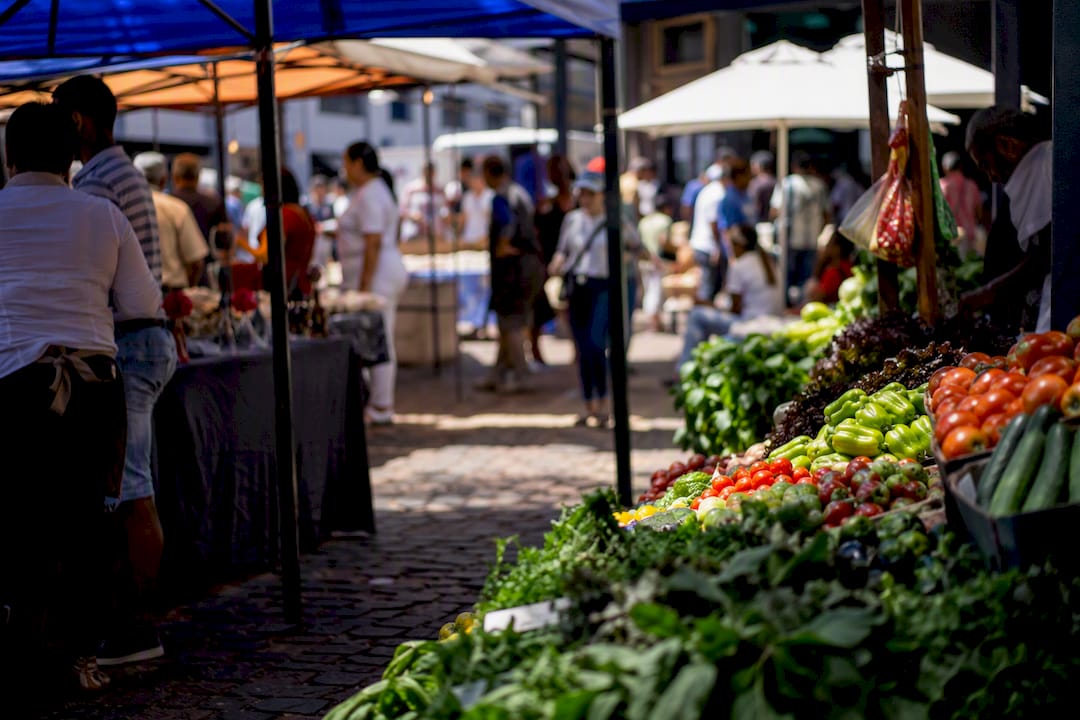
Sunday is the day that matters most here. Market on Main in Maboneng draws a reliable Sunday crowd for food stalls, vintage clothing, and local design. Neighbourgoods Market in Braamfontein runs on Saturdays and pulls a younger, university-adjacent crowd. Rosebank Rooftop Market operates Sundays in a more polished, mall-adjacent setting if you want markets with air conditioning nearby as backup.
Nature, parks, and family science stops
Walter Sisulu National Botanical Garden sits below a dramatic cliff face where Verreaux's eagles nest, a rare urban sighting most visitors don't expect. Zoo Lake is a free, low-key spot for a picnic or a paddle. At the Johannesburg Zoo, renting a golf cart makes real sense across the 54-hectare property, especially with kids or anyone who tires on long walks; the zoo also runs occasional night tours. For rainy days or restless kids, the Johannesburg Planetarium and Sci-Bono Discovery Centre both work as indoor backups.
Gold Reef City and family thrills
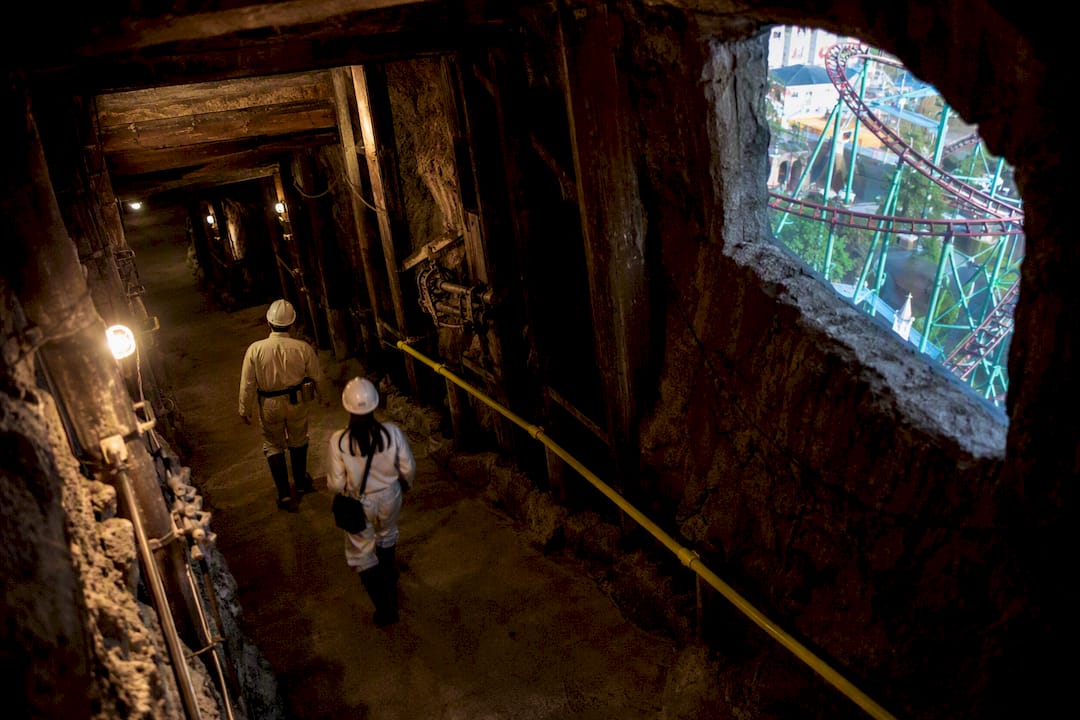
Gold Reef City packs 14 thrill rides, 9 family rides, and 20 dedicated kids' rides onto one site, plus Johannesburg's only authentic underground mine tour, which drops visitors into a real 19th-century gold mine shaft. That mine tour is the highlight for most adults, even those who skip the roller coasters entirely. Book ahead in school holidays, when capacity on the popular rides tightens fast.
One unusual experience
Orlando Towers, the former Soweto power station cooling towers, now hosts a bungee jump and a swing between the two towers, both painted in murals visible from across the township. Dinner in the Sky occasionally sets up in Johannesburg too, though it runs on a seasonal, pop-up schedule, so check current dates before building an itinerary around it.
Best Day Trips From Johannesburg
If you have one extra day, the Cradle of Humankind earns it. It sits about an hour northwest of the city, and its UNESCO World Heritage status reflects genuine paleontological significance, not marketing. The Maropeng Visitor Centre and Sterkfontein Caves together make an accessible full-day excursion, and pairing the return leg with a stop at Walter Sisulu Botanical Garden stretches the day without adding real distance.
Lion & Safari Park sits roughly 90 minutes from the city and offers game drives, walking encounters, and predator viewing. Approach cub-petting or hands-on predator encounters with some skepticism. Reputable operators in South Africa have moved away from those offerings as ethical standards around captive-lion tourism have tightened, so ask specifically what interaction is included before booking.
- Magaliesberg and Hartbeespoort: cable car rides, canopy tours, and ziplines, easily paired with a lunch stop at the dam
- Cradle of Humankind: full day recommended if combining Maropeng and Sterkfontein caves
- Lion & Safari Park: half-day is enough for a standard game drive
- Booking tip: private transfers cost more but save time; group tours are cheaper but fix your schedule to the group
Check availability early during school holidays and long weekends. Both Cradle of Humankind sites and Lion & Safari Park see heavy local traffic on public holidays.
Weekend Events and Live Culture in Johannesburg
Johannesburg's weekend rhythm centers on its markets. Neighbourgoods Market runs Saturdays in Braamfontein, Rosebank Rooftop Market and Market on Main both run Sundays, and all three typically open late morning through late afternoon.
Beyond markets, check what's on before you land:
- Jazz clubs in Melville and Newtown regularly host live sets on weekends, worth checking directly with the venue for that week's lineup
- Theatre programming rotates through venues like the Market Theatre in Newtown, one of the city's oldest stages for local playwrights
- Major sports fixtures at Ellis Park or FNB Stadium can transform traffic and hotel demand overnight, so check the fixture calendar before booking accommodation nearby
- Constitution Hill's own event calendar is worth a look for talks, exhibitions, and performances tied to its heritage site
Local event listings and venue social pages tend to be more current than generic travel guides for exact weekend schedules, since markets and club nights shift with the season.
How Do You Get Around Johannesburg Safely?
Johannesburg is a driving city, and the "walk everywhere" instinct that works in other capitals doesn't translate well here. Plan movement by daylight for casual exploring, and lean on ride-hailing apps or private transfers once the sun sets, the same common-sense approach you'd use in any large city.
- City Sightseeing hop-on hop-off bus: connects major attractions efficiently and includes a Soweto extension, a route local guides specifically recommend for first-time visitors who'd rather not drive.
- Ride-hailing apps: widely available and the most practical option after dark or for one-off trips.
- Car hire: workable for day trips outside the city, though public transit doesn't reliably cover the Cradle of Humankind or Lion & Safari Park.
Entry fees run modestly at markets (often free to browse) and higher at Gold Reef City and the Cradle of Humankind sites. Book Gold Reef City, the Apartheid Museum, and Sterkfontein Caves ahead whenever school holidays overlap with your trip. September and October bring Johannesburg's jacaranda bloom, when purple-lined streets make it one of the most photogenic times to visit, though weekday visits still beat weekends for smaller crowds at major sites.
Sample Itineraries: 1-Day, Weekend, and Family Plans
Three ready plans, depending on how much time you've got.
- One-day first-timer: Morning at the Apartheid Museum (arrive by 9 AM), midday in Soweto via a guided tour covering Hector Pieterson, Vilakazi Street, and Mandela House, then evening at Maboneng or Neighbourgoods Market for dinner. Use the hop-on hop-off bus's Soweto extension to skip arranging separate transport.
- Weekend split: Day one covers city highlights, the Apartheid Museum, Constitution Hill, and a market. Day two goes full-day to either Cradle of Humankind (Maropeng plus Sterkfontein) or Lion & Safari Park, depending on whether history or wildlife matters more to your group.
- Family day: Gold Reef City or the Johannesburg Zoo in the morning (rent the golf cart if it's the zoo), then Sci-Bono Discovery Centre or the Planetarium in the afternoon for an air-conditioned break. Build in a proper lunch stop. Kids run out of steam faster in Highveld sun than most parents expect.
Book the anchor activity for each day first. Gold Reef City and the Apartheid Museum are the two most likely to hit capacity limits during South African school holidays.
Booking Johannesburg Tours and Activities Through Im-at
Comparing schedules and prices across a dozen tour operator websites eats time you don't have on a short trip. Im-at works as a search and booking portal for tours and experiences in Johannesburg, letting you compare options and book directly rather than emailing operators one by one.
- Combined Soweto and Apartheid Museum day tours
- Lion & Safari Park excursions
- Cultural village day trips and 4x4 outings
Pro Tip: Check cancellation terms and school-holiday availability before booking, since popular slots for Gold Reef City and Soweto tours fill early.
Shopping Beyond the Markets: Malls and Local Craft Districts
Johannesburg's market scene gets most of the attention, but the city's malls and boutique strips cover a different kind of shopping entirely. Sandton City and its adjoining Nelson Mandela Square form the country's most upscale retail cluster, with international brands alongside South African designers like Marianne Fassler and David Tlale, whose work rarely surfaces at weekend markets.
Rosebank Mall sits a short walk from the Rosebank Rooftop Market, so pairing the two makes sense if you want craft stalls in the morning and air-conditioned browsing by afternoon. The mall also houses the Rooftop Art Fair, a smaller sibling to the market with a rotating cast of independent designers and jewelers.
For genuinely local crafts, 44 Stanley in Milpark packs converted industrial buildings with independent boutiques, homeware studios, and small galleries selling ceramics, textiles, and leather goods made on-site or nearby. It's quieter than Maboneng and skews toward browsing rather than crowds, which suits visitors who find market haggling exhausting.
Melville's 7th Street offers a smaller, walkable strip of bookshops, vintage clothing stores, and African print fabric shops, good for picking up gifts without committing to a full market visit. If you're short on time and want one stop that covers curated South African design without the market chaos, 44 Stanley or Rosebank Mall are the more efficient choices; if you want the energy and lower prices of open-air haggling, stick with Neighbourgoods or Market on Main.
Cultural Tours and Art Galleries Worth Seeking Out
Johannesburg's gallery scene punches well above what most first-time visitors expect from a city known mainly for its history. The Wits Art Museum near Braamfontein holds one of the most significant collections of African art on the continent, including pieces spanning centuries, and it's free or low-cost to enter, making it an easy add to a Braamfontein market day.
Maboneng's gallery cluster, including spaces like Arts on Main, showcases contemporary South African painters, photographers, and sculptors, often with work directly addressing the country's political history. Walking through on a Sunday market day lets you combine both without extra travel.
Guided cultural tours add real value here, more so than at a typical museum, because guides can connect specific pieces to Johannesburg's broader story in ways gallery placards rarely manage. A guided Soweto tour that includes a stop at a community art project or mural walk gives context you won't get walking Vilakazi Street solo.
For a different angle entirely, the Origins Centre at the University of the Witwatersrand focuses on human origins and rock art, tying the region's deep history to the same themes explored at the Cradle of Humankind, useful if you're building a day trip around that site and want a city-based complement beforehand.
Historic City Center Walks and Architecture Worth Noticing
Johannesburg's downtown core gets skipped by a lot of visitors who head straight for Maboneng or Sandton, which is a mistake if you care about the city's architectural bones. The Johannesburg Art Gallery in Joubert Park anchors one end of a walkable historic stretch, and the building itself, designed in 1910 by Edwin Lutyens, predates most of what surrounds it today.
Gandhi Square, named for the years Mahatma Gandhi practiced law nearby, sits at the center of the CBD and marks one of the city's clearer links between its colonial-era commercial architecture and its role in shaping 20th-century political history well beyond South Africa's borders.
A walking tour through the Central Business District typically covers Art Deco office blocks from the 1930s mining boom, standing a few blocks from repurposed industrial buildings now serving as loft apartments and creative studios. The contrast tells its own story about a city that's rebuilt its identity more than once.
Safety-wise, the city center works best during business hours with a guide who knows the current state of specific blocks, since conditions vary street to street in ways a map won't show you. This is one part of Johannesburg where a guided walking tour genuinely outperforms wandering solo, both for context and for practical route-planning.
Neighborhood Guide: Melville, Braamfontein, and Sandton
Three neighborhoods, three completely different versions of Johannesburg.
Melville feels like a small university town dropped into a big city. Its main strips, 7th Street and 4th Avenue, mix independent bookstores, coffee shops, and restaurants with an easy, walkable layout that's rare elsewhere in Johannesburg. It's a good base if you want to feel like you live somewhere rather than just visit.
Braamfontein sits adjacent to the University of the Witwatersrand and carries a younger, artsier energy, anchored by the Neighbourgoods Market on Saturdays and a growing cluster of design studios and street art. Rooftop bars here draw a mixed local and student crowd, and the neighborhood works well as a single evening stop paired with a Wits Art Museum visit earlier in the day.
Sandton, often called Africa's richest square mile, is the polished counterpoint to both. Glass office towers, five-star hotels, and Nelson Mandela Square's high-end shopping define the area, and it's where most business travelers end up staying by default. It lacks the street-level texture of Melville or Braamfontein, but it's the most convenient base if your trip mixes tourism with meetings.
Basing yourself in Melville or Braamfontein puts you closer to the market and gallery circuit; Sandton trades that proximity for polish and hotel infrastructure.
Where to Find Johannesburg's Best Nightlife
Johannesburg's nightlife splits cleanly by neighborhood, and knowing which one matches your mood saves a wasted evening. Braamfontein carries the highest concentration of bars and clubs aimed at a younger, student-heavy crowd, with rooftop venues that get genuinely busy on weekend nights.
Melville's 7th Street runs a quieter, more conversational bar scene, better suited to a relaxed evening than a late night out. Maboneng mixes rooftop bars with occasional live music, and its density means you can bar-hop within a few blocks rather than needing transport between stops.
For live jazz specifically, Newtown and pockets of Melville host regular sets, though lineups shift week to week, so checking a venue's own listings the day before beats relying on a general guide. Sandton's nightlife leans toward hotel bars and upscale lounges, functional if you're staying there but not where you'd go looking for Johannesburg's character.
Whichever neighborhood you pick, plan your route home before you go out. Ride-hailing apps are the standard, reliable option once bars start closing.
What I've Learned About Exploring Johannesburg
Johannesburg keeps surprising people who arrive expecting only history or only danger. It's neither one thing nor the other; it's a market, a mine tour, and a jazz bar all within the same afternoon. Book a guided heritage visit where you can. Context from someone who lives the history changes what you see. And spend where it counts, at the market stalls and local guides who make the city worth the trip.
— Mikahil
Book Your Johannesburg Activities Through Im-at
Planning around opening hours, ticket queues, and school-holiday capacity across a dozen separate websites wastes time you'd rather spend in Soweto or at a market stall. Im-at works as a single booking portal for Johannesburg activities, so you compare schedules and prices in one place instead of juggling tabs.
If you're building out the itinerary above, three listings map directly onto it: the Lesedi Cultural Village Day Tour for a cultural day trip beyond the city, the Lion Safari Park Johannesburg Tour for the wildlife day option, and Tailor-Made 4×4 Tours if you want a custom off-road route through Magaliesberg rather than a fixed group schedule. Check availability now for the dates you're targeting, especially if any of them fall during South African school holidays.
Key Takeaways
Johannesburg rewards visitors who pair the Apartheid Museum and Soweto with at least one market and one nature or wildlife stop, booked ahead during school holidays.
| Point | Details |
|---|---|
| Prioritize four categories | Cover history (Apartheid Museum), Soweto, a market, and nature or wildlife in your first two days. |
| Allow real time for the Apartheid Museum | Budget at least three hours, ideally on a weekday, to see the exhibits properly. |
| Use the hop-on hop-off bus | The City Sightseeing route with its Soweto extension suits visitors who'd rather not drive. |
| Book ahead for peak sites | Gold Reef City, the Apartheid Museum, and Sterkfontein Caves fill fast during school holidays. |
| Book directly through Im-at | Compare Johannesburg tours, including Soweto day trips and Lion & Safari Park excursions, in one place. |
Sources
- Gold Reef City Theme Park
- Constitution Hill
- Plan Your Visit | JCPZ
- 25 Incredible Things to Do in Johannesburg
- 50 Best Things To Do In Johannesburg in 2026 - By A Local