
What are the best local experiences in Spain?
The most authentic local experiences in Spain go far beyond cathedral visits and souvenir shops. They put you inside the culture: cooking paella on a Seville rooftop, watching a flamenco dancer's heels crack against a wooden stage in a tiny tablao, or rising before dawn to catch a fish auction on the Galician coast. Spain holds over 1,500 museums and an even richer web of living traditions, regional festivals, and artisan crafts that most visitors never find.
Here is a quick map of the best immersive activities to start planning around:
- Tapas and pintxos crawls in non-tourist neighborhoods (San Sebastián, Seville, Granada)
- Flamenco shows in intimate tablaos in Andalusia
- Cooking classes paired with traditional market visits in Barcelona or Valencia
- Artisan workshops for ceramics, mosaics, and espadrilles in Valencia and Barcelona
- Grape and olive harvests in La Rioja, Ribera del Duero, and Andalusia
- Sunrise fish auctions in coastal Galicia
- Romería pilgrimages on horseback in El Rocío, Andalusia
- Evening paseo walks with locals in any Spanish town
- Regional festivals like the Festival of the Courtyards in Córdoba, recognized by UNESCO
- Shepherd-for-a-day experiences in the Pyrenees or Extremadura
What separates these from standard sightseeing is direct interaction with the people who live these traditions every day.
Table of Contents
- Food and drink experiences you will not find on the tourist trail
- Cultural immersion through flamenco, festivals, and artisan workshops
- Outdoor and rural experiences that show you how Spain actually lives
- How sensory focus transforms a trip into a real connection
- Key tips for planning authentic local experiences in Spain
- Why home stays and family visits reveal what tours cannot
- Craft and flea markets worth exploring beyond the food stalls
- How to interact respectfully with locals in Spain
- Where residents actually go at night
- Im-at makes it easy to book the right experience before you land
- Key Takeaways
Food and drink experiences you will not find on the tourist trail
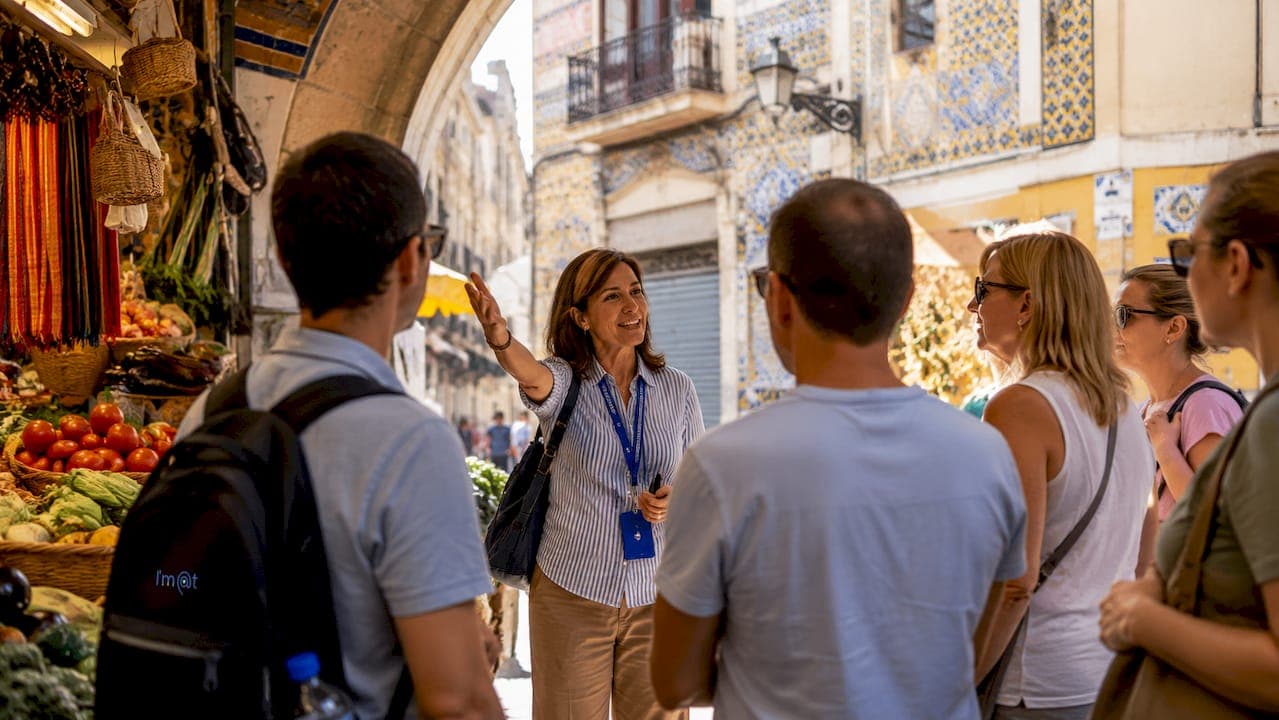
Spain's food culture is best understood from the inside of a market stall, not a restaurant menu. Tapas crawls through local neighborhoods, away from the main tourist drag, let you taste regional specialties while picking up customs through casual conversation with bartenders and regulars. In Granada, bars still serve a free tapa with every drink, so bar-hopping becomes a spontaneous tasting menu.
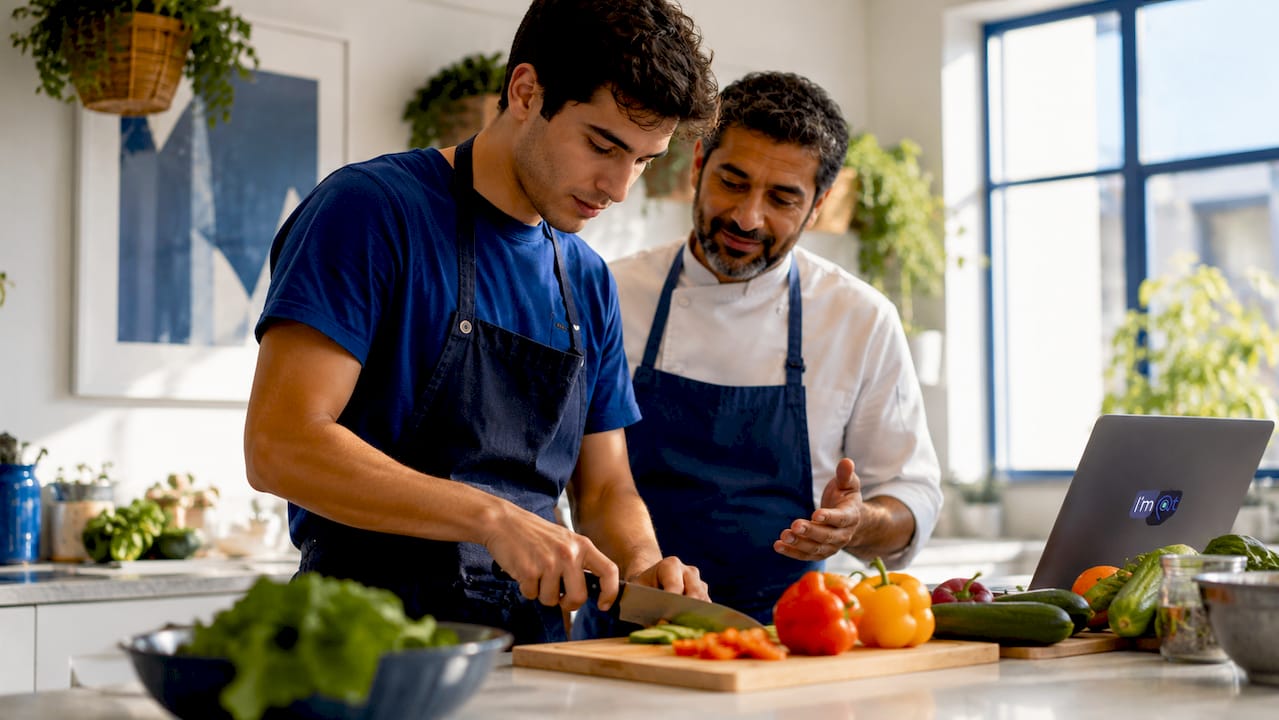
Cooking classes paired with market visits in Barcelona or Valencia take this further. You shop for seasonal ingredients alongside locals, then cook them with a chef who actually grew up eating the dish. Private rooftop classes in Seville's Casco Antiguo, like the one at Paella Legacy, offer an intimate atmosphere with Cathedral views that a commercial cooking school simply cannot replicate.
Wine and olive oil round out the picture. In La Rioja and Penedès, boutique family vineyards let you meet the winemaker, walk the vines, and taste cava paired with jamón or local cheese. Andalusia produces a remarkable share of the world's olive oil, and visiting a traditional mill during harvest season shows you exactly how much craft goes into every bottle.
Typical dishes and drinks to sample on a culinary tour:
- Pintxos (Basque Country, especially San Sebastián)
- Salmorejo and espinacas con garbanzos (Seville)
- Paella and fideuà (Valencia)
- Jamón ibérico and local cheeses (nationwide)
- Sherry from a Jerez bodega
- Cava from Penedès vineyards
- Olive oil from Jaén or Córdoba mills
| Experience | Best location | When to go |
|---|---|---|
| Tapas and pintxos crawl | San Sebastián, Seville, Granada | Year-round |
| Cooking class with market visit | Barcelona, Valencia, Seville | Year-round |
| Wine tasting at family vineyard | La Rioja, Penedès | September–October for harvest |
| Olive oil tasting and mill tour | Jaén, Córdoba | November–December for harvest |
| Sherry bodega visit | Jerez de la Frontera | Year-round |
Pro Tip: For a genuinely local food experience, ask your server or the market vendor what they eat at home. That single question opens conversations that no guidebook can script.
Cultural immersion through flamenco, festivals, and artisan workshops
Flamenco is not a performance you watch from a distance. In a small tablao in Seville or Granada, the dancer is close enough that you feel the air move when her skirt swings. Intimate tablao shows in Andalusia emphasize raw emotion over spectacle, and the difference from a stadium-style tourist show is immediate. Jerez de la Frontera adds its own flavor, with a flamenco tradition rooted in the Gypsy quarter that predates most of the famous Seville venues.
Festivals pull you even deeper into community life. The UNESCO-recognized Festival of the Courtyards in Córdoba, held each May, opens private patios overflowing with jasmine and orange blossom to the public. Semana Santa processions in Seville are genuinely moving, not just photogenic. The Romería pilgrimage at El Rocío in Andalusia involves riding horseback or traveling in decorated ox carts, surrounded by music and dancing, in one of Spain's most vivid community rituals.
Artisan workshops give you something to take home beyond a photograph. Options worth seeking out:
- Ceramics and mosaic workshops in Valencia or Barcelona, using traditional trencadís tilework techniques made famous by Gaudí
- Espadrille-making at La Manual Alpargatera in Barcelona's Gothic Quarter, a historic artisan space active since 1940
- Flamenco dance classes in Seville or Granada, where learning the footwork is more revealing than watching it
- Guitar workshops at Spain's oldest guitar workshop in Granada, where a luthier demonstrates the craft live
- Perfume-making in a 16th-century Andalusian palace, blending scents rooted in local botanical tradition
The Gothic Quarter walking tour in Barcelona pairs well with a ceramics or espadrille workshop, since both sit in the same historic neighborhood.
Outdoor and rural experiences that show you how Spain actually lives
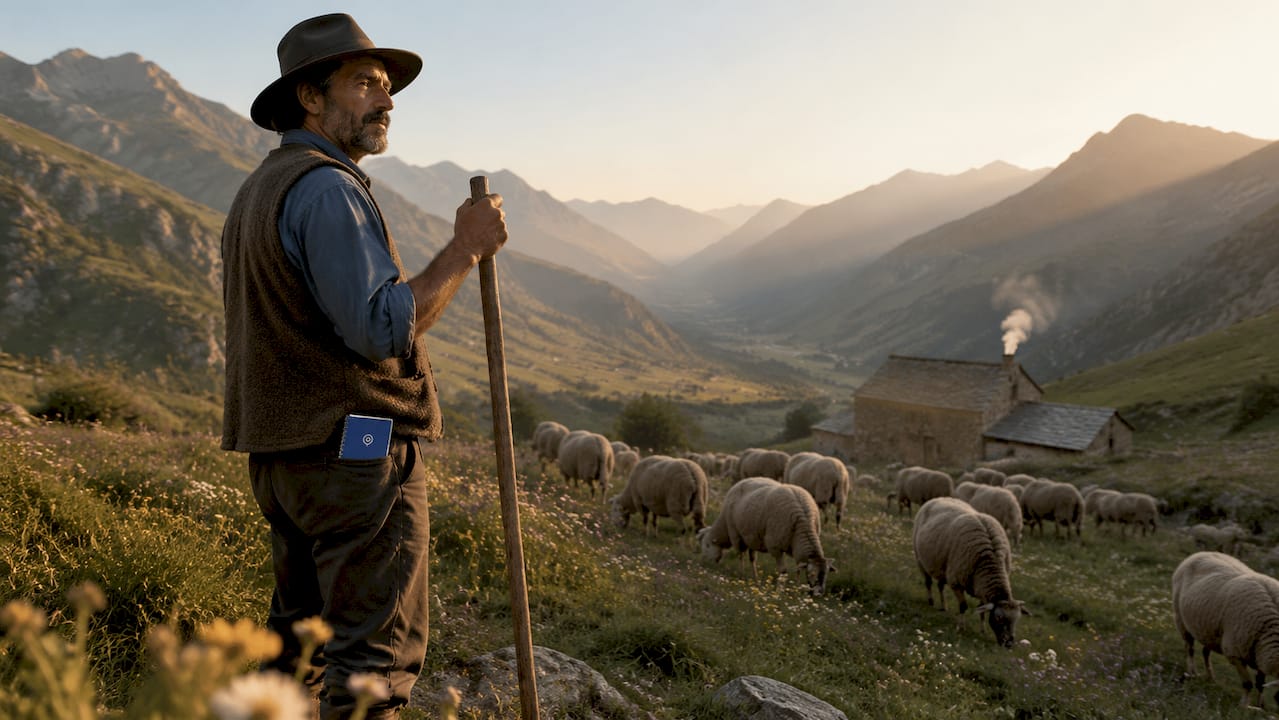
The Spanish countryside holds traditions that cities have largely forgotten. A shepherd-for-a-day experience in the Pyrenees or Extremadura puts you alongside a working herder, learning about transhumance, helping move sheep or goats, and trying your hand at making cheese the old way. It is unglamorous, physical, and completely unlike anything you will find in a city itinerary.
Harvest seasons open another door. Grape harvests (vendimia) in La Rioja and Ribera del Duero run from late September through October. You join local vintners in the vineyard, pick and crush grapes, and share in the festive atmosphere of food, wine, and music that surrounds the harvest. Olive picking in Jaén and Córdoba follows in November and December, with family farms welcoming visitors who want to see the full process from tree to mill.
Sunrise fish auctions in Galicia are among the rarest windows into daily Spanish life. Fishermen unload the catch at dawn, and the auction moves fast, with buyers calling out bids in a rapid-fire rhythm that feels nothing like a tourist attraction because it is not one. The Rías Baixas coast is the best place to find these.
| Rural experience | Region | Season |
|---|---|---|
| Shepherd for a day | Pyrenees, Extremadura | Spring–Autumn |
| Grape harvest (vendimia) | La Rioja, Ribera del Duero | September–October |
| Olive harvest and mill tour | Jaén, Córdoba | November–December |
| Sunrise fish auction | Galicia (Rías Baixas) | Year-round (early morning) |
| Hiking in culturally significant terrain | Camino de Santiago (Galicia) | March–October |
How sensory focus transforms a trip into a real connection
The most memorable cultural encounters engage all five senses, not just sight. Smell is the most underrated: the scent of orange blossom in a Córdoba courtyard, or the sharp green fragrance of fresh-pressed olive oil, stays with you long after a photograph fades. Sound works the same way. A live guitar demonstration at Granada's oldest workshop, or the crack of flamenco heels in a low-ceilinged tablao, creates a physical memory that a concert hall cannot.
Andalusian perfume-making workshops let you blend your own fragrance using local botanicals in a 16th-century palace setting. That kind of hands-on engagement, where you are making something rather than observing it, shifts the experience from tourism to participation. The same principle applies to a market visit: touching the produce, smelling the spices, and bargaining (even badly) in Spanish puts you inside the scene rather than outside it looking in.
Ways to deepen sensory and emotional connection:
- Choose experiences where you make or create something, not just watch
- Visit local markets early, before tourist crowds arrive
- Attend evening paseo walks to observe the social rhythm of a town
- Seek out smaller festivals in villages rather than only the famous city events
- Take a flamenco dance class, even one session, to feel the rhythm from the inside
Pro Tip: To find unadvertised local events, look for physical posters in cafes and bars, ask your server what is happening in the area, and pay attention to the evening paseo. These grassroots cues surface festivals, exhibitions, and performances that never appear on English-language tourist sites.
Key tips for planning authentic local experiences in Spain
Authentic cultural activities in Spain reward travelers who plan with intention and stay open to the unexpected. Regional diversity is the starting point: the Basque Country, Andalusia, Catalonia, and Galicia each offer a distinct cultural identity, and the best experiences reflect that specificity rather than a generic "Spanish" package.
Quick reference for planning:
- Book artisan workshops and cooking classes early. Small-group sessions in historic studios fill up weeks in advance.
- Time harvest experiences to the season. Vendimia takes place in autumn; olive harvest occurs later in the year.
- Go where locals go for food. Neighborhoods away from the main tourist squares consistently deliver better food and more genuine interaction.
- Learn a few words of the regional language. A greeting in Catalan in Barcelona or a few words of Basque in San Sebastián opens doors that Spanish alone does not.
- Attend at least one local festival. Spain's festival calendar runs year-round, and even a small village patron saint celebration offers more cultural depth than most organized tours.
- Use the evening paseo as a free cultural experience. Join the slow walk, find a bench, and watch how a Spanish town actually moves at dusk.
Why home stays and family visits reveal what tours cannot
Staying with a Spanish family, even for a single meal, shows you the daily rhythms that no guided tour addresses. Lunch runs from 2:00 PM to 4:00 PM and is the main meal of the day. Dinner rarely starts before 9:00 PM. These are not quirks; they are the architecture of social life, and experiencing them from inside a family home makes them feel natural rather than foreign.
Home stay programs exist across Spain, from rural farmhouses in Galicia to urban apartments in Valencia. The most genuine versions connect you with families who cook regional dishes at home, not restaurant versions. A grandmother's recipe for cocido madrileño or a Basque family's approach to bacalao al pil-pil carries context that no chef's class can fully replicate. The Madrid hidden gems food tour offers a related kind of insider access, moving through neighborhoods where residents actually eat rather than tourist corridors.
Craft and flea markets worth exploring beyond the food stalls
Spain's non-food markets are where local creative culture surfaces most visibly. El Rastro in Madrid, held every Sunday morning in the La Latina neighborhood, is one of Europe's oldest flea markets, drawing antique dealers, vintage clothing vendors, and local artists alongside the usual bric-a-brac. Arrive before 10:00 AM to browse before the crowds make movement difficult.
Barcelona's Encants market, near the Sagrada Família, operates under a striking mirrored canopy and sells everything from mid-century furniture to handmade jewelry. The Mercat de Santa Caterina in the Eixample district offers a quieter alternative to La Boqueria, with a mosaic roof designed by Enric Miralles and a clientele that skews heavily local. In Seville, the Thursday antiques market near the Alameda de Hércules draws collectors and curious visitors in equal measure.
How to interact respectfully with locals in Spain
Spanish social customs differ enough from American norms that a few adjustments go a long way. Greetings matter: two cheek kisses are standard between people who know each other, and a firm handshake works for first meetings. Skipping the greeting entirely reads as rude, not efficient.
Meal timing is the other major adjustment. Showing up at a restaurant at 6:00 PM for dinner marks you immediately as a tourist; locals eat at 9:00 PM or later. Respecting that rhythm, rather than demanding early seatings, signals that you are engaging with the culture rather than imposing your own schedule on it. In religious spaces and during Semana Santa processions, quiet observation and modest dress are expected without exception. Learning even basic Spanish phrases, and attempting them before switching to English, is consistently appreciated across all regions.
Where residents actually go at night
Spanish nightlife starts late and runs long, but the most interesting parts are not in the clubs. Locals gather in neighborhood bars from around 10:00 PM, sharing drinks and conversation in a format that has no real American equivalent. These are not cocktail bars or sports bars; they are social institutions where the same regulars appear most nights.
In Madrid, the Malasaña and Lavapiés neighborhoods draw a mix of artists, students, and long-term residents to small bars with live music and no cover charge. San Sebastián's old town concentrates dozens of pintxos bars within a few blocks, and the local custom is to move from bar to bar, standing at the counter, ordering one drink and one pintxo before moving on. In Barcelona, the Gràcia neighborhood offers a quieter, more local alternative to the tourist-heavy Gothic Quarter, with outdoor terraces that fill up on warm evenings. Seville's Triana district, across the river from the historic center, has a bar culture rooted in the neighborhood's flamenco heritage.
Im-at makes it easy to book the right experience before you land
Planning authentic cultural activities in Spain gets complicated fast. Between regional timing, limited group sizes, and workshops that sell out weeks ahead, the logistics can eat up more time than the trip itself.
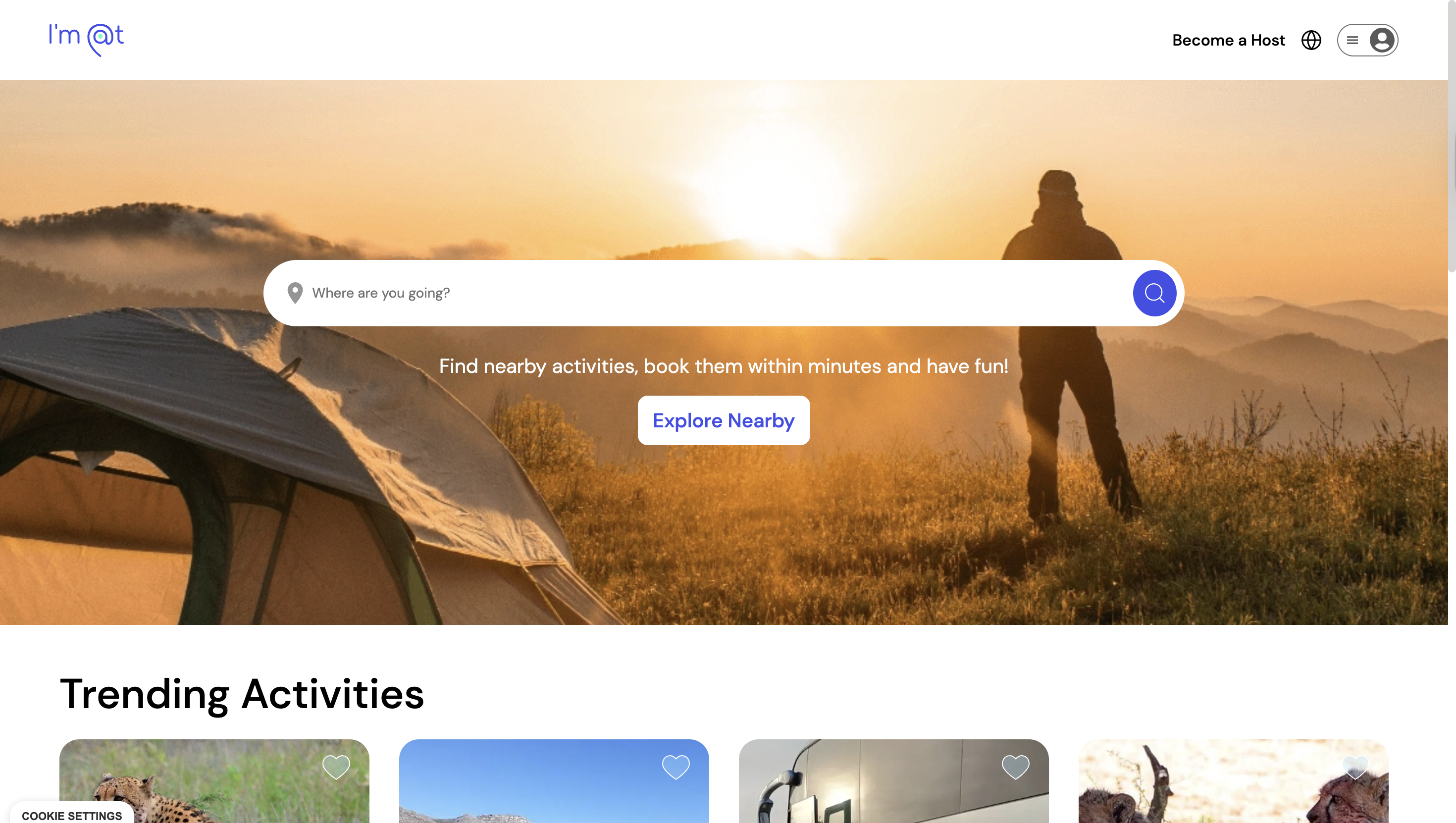
Im-at cuts through that friction. The platform lets you search, compare, and book local experiences across Spain in minutes, from curated cultural events to guided food tours and artisan workshops, all in one place. No agency fees, no back-and-forth emails with individual providers. You browse real activities, check availability, and confirm your booking before you pack your bag. Whether you are planning a week in Andalusia or a long weekend in Barcelona, Im-at gives you direct access to the kind of experiences this article covers, without the guesswork of finding them yourself. Start browsing activities and lock in the experiences worth traveling for.
Key Takeaways
Authentic local experiences in Spain require active participation, regional awareness, and timing your visit around harvests, festivals, and artisan workshops that fill quickly.
| Point | Details |
|---|---|
| Prioritize active participation | Cooking classes, workshops, and harvest experiences deliver deeper cultural connection than passive sightseeing. |
| Match timing to the experience | Vendimia runs September–October; olive harvest peaks November–December; major festivals follow a fixed regional calendar. |
| Go off the tourist corridor | Tapas crawls, markets, and nightlife in residential neighborhoods consistently offer more genuine interaction with locals. |
| Engage all five senses | Perfume-making, guitar workshops, and market visits create physical memories that outlast any photograph. |
| Use Im-at to book ahead | Im-at lets you search and confirm Spain's best local experiences in minutes, before limited spots sell out. |