
TL;DR:
- Portugal offers a rich blend of ancient culture and wild coastlines that deeply influence travel experiences. Visitors enjoy outdoor adventures, authentic food, and cultural sites like historic bookstores, wine cellars, and unique rural attractions. Planning ahead and embracing Portugal’s slow meal culture allow for more meaningful and memorable trips.
Portugal is defined by a rare combination of ancient culture, wild coastlines, and a pace of life that genuinely changes how you travel. The best Portugal experiences range from hiking cork forests on the Rota Vicentina to sipping port wine in a centuries-old Porto cellar, tasting grilled sardines at a neighborhood market, and standing inside the world's oldest bookstore. This country rewards travelers who go beyond the obvious. Whether you want outdoor adventures in Portugal, cultural depth, or simply a meal that lasts three hours, Portugal delivers on every count.
1. Which cultural experiences in Portugal should travelers not miss?
Portugal's cultural identity runs deep, and the best way to access it is through its food, books, and festivals. These are not passive sightseeing stops. They pull you into daily Portuguese life.
Porto wine cellars and tastings
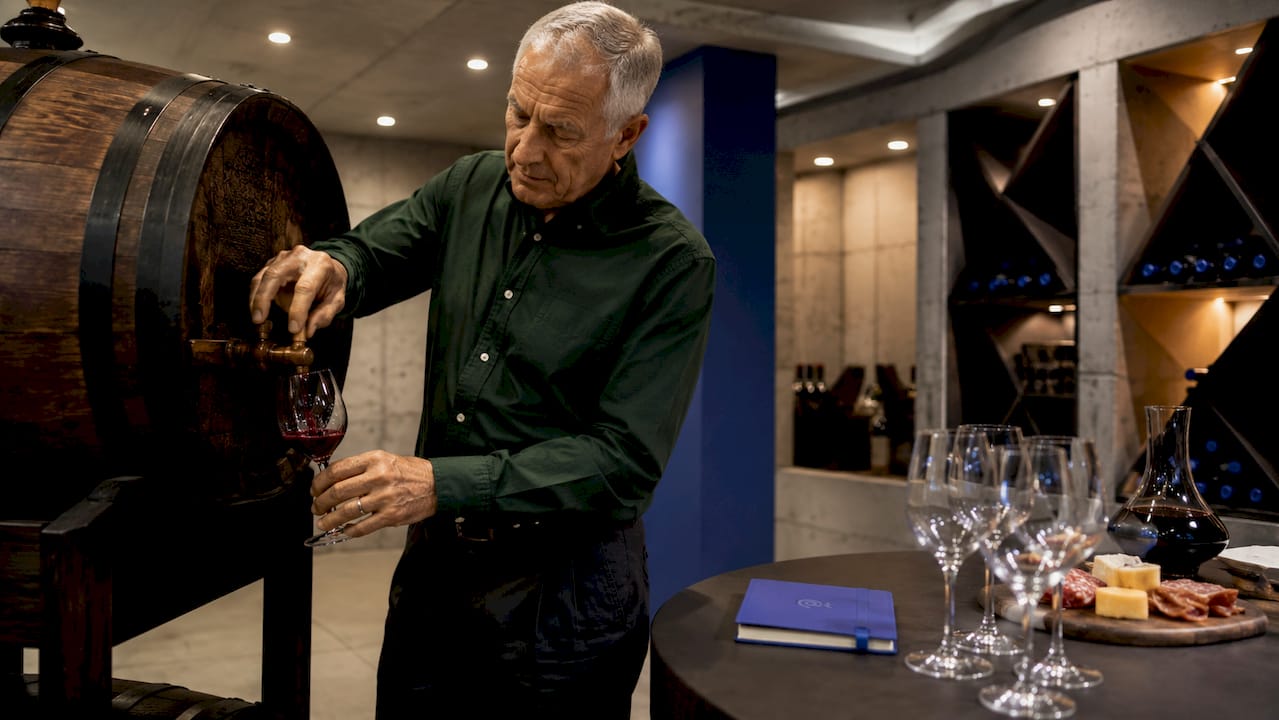
Porto's wine cellars, known as lodges, line the south bank of the Douro River in Vila Nova de Gaia. Graham's, Taylor's, and Sandeman all offer guided tours with tastings. You learn how port wine ages in oak barrels, and you drink it where it was made. That context changes the flavor entirely.
Historic bookstores worth a detour
Livraria Lello in Porto draws visitors for its neo-Gothic staircase and carved ceilings. Livraria Bertrand in Lisbon holds the title of world's oldest bookstore, operating since 1732. Both are worth visiting not just as photo stops but as living pieces of Portuguese literary culture.
Authentic food away from tourist traps
Restaurants two streets back from major landmarks consistently serve better food at local prices. That single rule saves you money and delivers a far more honest meal. Local markets like Mercado da Ribeira in Lisbon or Mercado do Bolhão in Porto are the best starting points for tasting bacalhau, pastéis de nata, and regional cheeses.
Pro Tip: Book a guided Lisbon culture and food tour to access neighborhood spots that most travelers walk right past.
Portugal's slow meal culture is itself a cultural activity. Meals stretch across two or three hours, conversations replace screens, and no one rushes you out. Visitors who lean into this rhythm consistently report it as one of the most memorable parts of their trip.
2. What are the top outdoor adventures in Portugal?
Portugal's geography is one of its strongest assets. You get Atlantic surf, ancient forests, volcanic islands, and sun-baked plains within a country the size of Indiana.
- Hike the Rota Vicentina. This trail network runs along the southwest coast through cork forests and clifftop paths. The sensory depth of hiking here is the point. Eucalyptus scents, wildflowers, and birdlife reward walkers who slow down. The trail resets your mental state in ways that faster travel cannot.
- Surf Nazaré. Nazaré hosts some of the largest waves ever recorded. Big-wave surfers like Garrett McNamara put it on the global map. Even if you are not surfing, watching from the cliffs above Praia do Norte is a genuinely dramatic experience.
- Explore the Alentejo countryside. Rolling plains, cork oak forests, and medieval hilltop villages define this region. It is the least crowded and most authentically Portuguese area for road trips or cycling.
- Visit the Azores for volcanic landscapes. Sete Cidades on São Miguel Island offers twin lakes inside a volcanic crater. Whale watching, thermal pools, and lava caves make the Azores a destination for serious nature travelers.
- Kayak the Douro River. The Douro cuts through terraced vineyards between Porto and the Spanish border. Kayaking or taking a boat cruise gives you a perspective that no road trip replicates.
Pro Tip: Portugal's inland temperatures can reach 43°C–45°C in summer. Schedule outdoor activities before 10 a.m. or after 5 p.m. to stay safe and comfortable.
The Portuguese Institute for Sea and Atmosphere (IPMA) issues official heat warnings within 72 hours of a heatwave. Check IPMA directly rather than relying on long-range forecasts, which are often inaccurate for extreme heat events.
3. Which unique local attractions offer the most memorable visits?
Portugal holds several attractions that most travel guides mention but few explain well. These are the places that stick with you.
- Livraria Bertrand, Lisbon. Founded in 1732, it is the oldest operating bookstore in the world. The shelves still carry Portuguese literature alongside international titles. Visiting feels less like shopping and more like entering a protected cultural site.
- Chapel of Bones, Évora. The walls and ceiling of this 16th-century chapel are lined with the bones of approximately 5,000 monks. The inscription above the entrance translates roughly to "We bones here await yours." It is confronting, beautiful, and unlike anything else in Europe.
- Monsanto village. This granite village in central Portugal is built around and between enormous boulders. Houses share walls with rocks the size of buildings. It was once voted the most Portuguese village in the country.
- Alqueva Dark Sky Reserve. The Alqueva reservoir in Alentejo sits inside Europe's first certified Dark Sky Reserve. Stargazing tours here operate year-round and are especially striking in autumn when the air is clear and cool.
- Sintra's hidden palaces. Beyond the famous Pena Palace, Sintra holds Quinta da Regaleira with its initiation well and underground tunnels. Most visitors skip it entirely. It takes about two hours and rewards curiosity far more than the crowded main palace.
Pro Tip: Carry cash when visiting rural areas. Many authentic rural establishments in Alentejo and Northern Portugal are cash-only and may not have English-speaking staff.
| Attraction | What makes it unique |
|---|---|
| Livraria Bertrand | World's oldest bookstore, operating since 1732 |
| Chapel of Bones, Évora | Interior lined with bones of 5,000 monks |
| Monsanto village | Houses built directly into giant granite boulders |
| Alqueva Dark Sky Reserve | Europe's first certified Dark Sky Reserve |
| Quinta da Regaleira | Underground tunnels and initiation well in Sintra |
4. Family-friendly activities in Portugal worth planning around
Portugal works exceptionally well for families. The country is safe, compact, and full of activities that engage children without boring adults.
The Lisbon Oceanarium is one of the best aquariums in Europe. It holds a central tank visible from four sides, displaying open-ocean species including sunfish and sharks. Children under 12 get reduced admission, and the layout keeps even young kids engaged for two hours or more.
The Algarve coastline offers sea cave kayaking tours near Lagos and Albufeira. These tours run in calm morning waters and take families through sea arches and hidden beaches that are inaccessible on foot. Most operators accept children aged 6 and up.
A Porto e-bike tour covers the city's hills without exhausting younger travelers. The three-hour format includes a food stop, which keeps energy levels up and gives families a natural break mid-tour. Porto's historic center is a UNESCO World Heritage Site, so the scenery justifies the effort.
5. How to plan your Portugal experiences for best value and authenticity
Good planning separates a frustrating trip from a great one. Portugal rewards travelers who prepare, especially during peak summer months.
- Book major attractions weeks ahead. Popular sights sell out completely during peak season in Lisbon, Porto, and the Algarve. Livraria Lello, Pena Palace, and Jerónimos Monastery all require timed entry tickets. Buy them before you arrive.
- Travel in late spring or early autumn. Late april through june and september through october offer the best combination of weather, manageable crowds, and fair pricing. July and august bring peak heat and peak prices.
- Use the two-street rule for dining. Walk two streets away from any major landmark before choosing a restaurant. The quality goes up and the price goes down. This single habit improves nearly every meal.
- Carry cash for rural areas. Card machines are unreliable or absent in many Alentejo villages and northern towns. Withdraw euros before leaving a major city.
- Learn a few basic Portuguese phrases. English is widely spoken in Lisbon and Porto but less so in rural areas. Saying "obrigado" (thank you) and "por favor" (please) earns immediate goodwill from locals.
- Use a no-fee travel card. Foreign transaction fees can reach 5% per purchase. A card with no foreign transaction fees, such as a Charles Schwab debit card, eliminates this cost entirely across a two-week trip.
Pro Tip: Check the Sintra day trip guide before visiting. Sintra is one of the most visited sites in Portugal and requires early arrival or advance booking to avoid two-hour queues.
Key takeaways
The most rewarding Portugal experiences combine cultural depth, outdoor adventure, and deliberate planning, especially around timing, dining, and heat management.
| Point | Details |
|---|---|
| Book early for peak season | Major attractions sell out; reserve tickets weeks before arrival. |
| Use the two-street dining rule | Two streets from any landmark delivers better food at local prices. |
| Plan outdoor activities around heat | Inland temperatures can hit 43°C–45°C; go out before 10 a.m. or after 5 p.m. |
| Carry cash in rural areas | Many Alentejo and northern establishments are cash-only. |
| Travel in shoulder season | Late spring and early autumn offer the best weather, value, and access. |
What Portugal's pace actually does to you
I have traveled fast my whole career. Tight itineraries, back-to-back cities, always optimizing for coverage. Portugal broke that habit in about three days.
The first thing I noticed was the meals. Nobody was checking a phone. The waiter did not hover. The food arrived slowly and in the right order, and nobody treated that as a problem. By day four, I stopped checking the time between courses. That is not a small shift for someone who eats lunch at a desk.
The Rota Vicentina was the second turning point. I started the trail at a pace I would use in a city park. Within an hour, I had slowed by half. Not because I was tired, but because the trail demanded it. Cork bark, wildflowers, the sound of the Atlantic below the cliffs. You cannot absorb any of it at speed. The trail teaches you something that no guidebook can explain.
What I carry home from Portugal is not a list of sights. It is the memory of a three-hour lunch in Évora, a conversation with a winemaker in the Douro Valley who spoke no English and communicated entirely through pours, and the silence on a clifftop trail at 7 a.m. Portugal does not perform for you. It simply exists, and that is exactly what makes it worth the trip.
— Mikahil
Discover Portugal's best adventures with Im-at
Portugal's landscapes and culture are best experienced with a guide who knows where the crowds are not. Im-at connects travelers with curated, private, and off-road adventures that go beyond the standard tour bus route.
Im-at's tailor-made 4x4 tours take you into Alentejo plains, coastal cliffs, and forested trails that most visitors never reach. Each tour is customized to your group's pace, interests, and fitness level. You can also explore the Arrábida coast and three local wineries on a private wine tour that includes lunch with views of the Atlantic. Browse Im-at's full catalog to find the experience that fits your trip.
FAQ
What is the best time of year to visit Portugal?
Late spring (april through june) and early autumn (september through october) offer the best balance of weather, crowd levels, and pricing. July and august bring intense heat and peak tourist traffic, especially in Lisbon, Porto, and the Algarve.
How hot does Portugal get in summer?
Inland regions like Alentejo can reach 43°C–45°C during summer heatwaves. Lisbon typically reaches around 37°C. Schedule outdoor activities in the early morning or evening to avoid the worst heat.
What are the most unique things to do in Portugal?
The Chapel of Bones in Évora, stargazing at the Alqueva Dark Sky Reserve, and hiking the Rota Vicentina trails rank among the most distinctive and memorable activities. These experiences go well beyond standard sightseeing.
Do I need cash in Portugal?
Cash is necessary in many rural areas, particularly in Alentejo and Northern Portugal, where card machines are often unavailable. Withdraw euros in a major city before heading into the countryside.
Is Portugal a good destination for families?
Portugal is one of Europe's most family-friendly destinations. The Lisbon Oceanarium, Algarve sea cave kayaking, and Porto e-bike tours all offer engaging, age-appropriate activities that work well for mixed-age groups.