

TL;DR:
- Activity providers are professionals responsible for designing, leading, and ensuring the safety of adventure experiences during travel. They differ from venues and tour operators by managing all aspects of the activity and bearing primary accountability for safety and quality. Selecting verified providers with documented risk assessments and credentials enhances safety, personalization, and overall travel satisfaction.
Activity providers are professionals and organizations responsible for designing, managing, and delivering safe, engaging leisure and adventure experiences for travelers. In the travel industry, the term "activity provider" is widely used, though the recognized operational term in outdoor and experiential education is Registered Activity Provider (RAP). Understanding the role of activity providers matters because they do far more than simply run tours. Organizations like Award USA, OEAP National Guidance, and UW-Madison have established formal frameworks defining what providers must deliver, from risk management to staff competence, making them the backbone of any well-planned adventure trip.
What is the role of activity providers in travel?
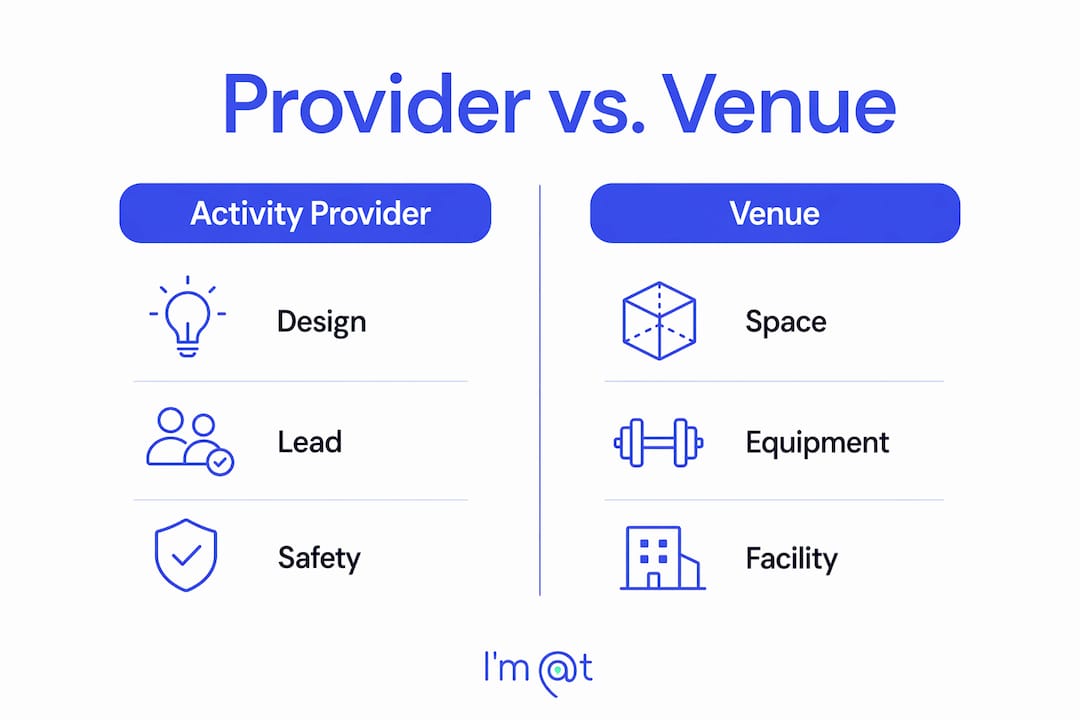
Activity providers sit at the center of every well-executed travel experience. They are not passive hosts. They design the activity, lead participants through it, manage the risks involved, and take legal accountability for what happens during delivery. This is the defining distinction between a provider and a venue.
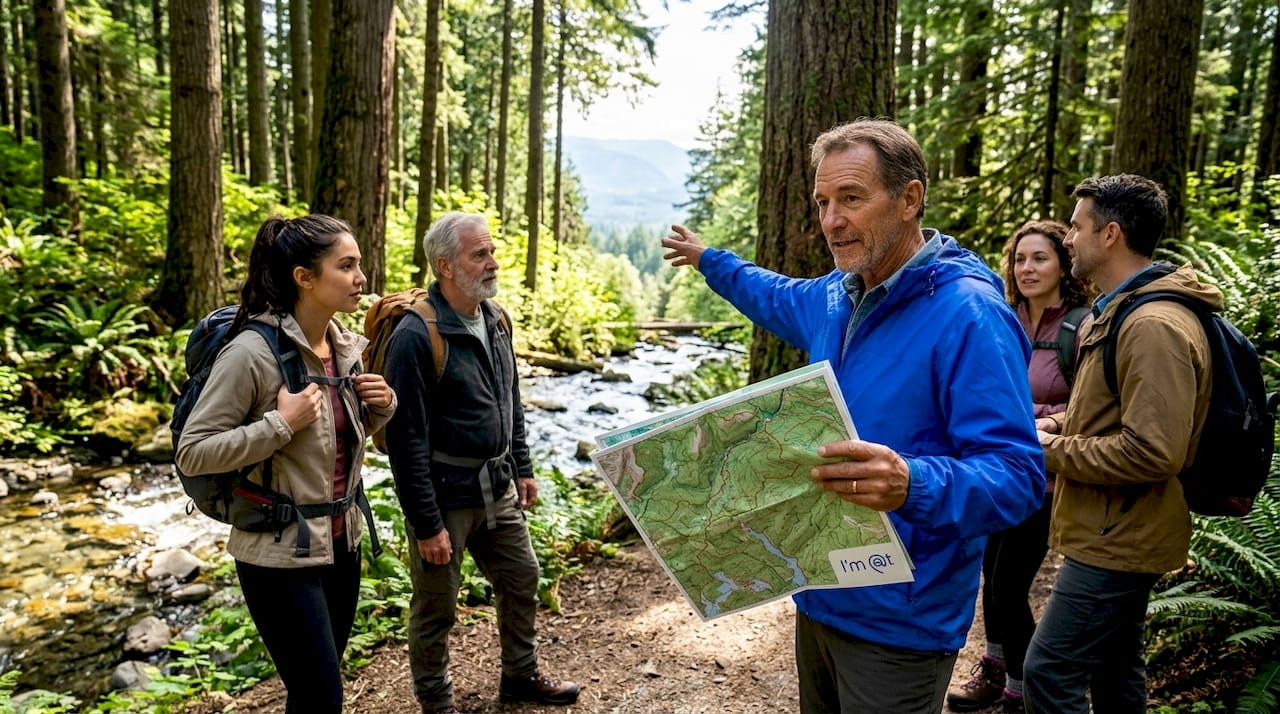
Registered Activity Providers are trained and approved to deliver high-quality, safe outdoor experiences that meet official standards. Award USA designates RAPs as quality-assured partners with full branding rights, giving them a recognized role in delivering programs like the Adventurous Journey nationwide. That designation signals to travelers that the provider has cleared a credibility threshold most informal guides never reach.
The functions of activity providers span planning, logistics, safety briefings, equipment provision, and real-time risk management. A safari guide in Kruger National Park, a kayaking instructor in the Pacific Northwest, and a cultural walking tour operator in Cape Town are all activity providers. Each one takes on responsibility for the participant's experience from start to finish.
How are activity providers different from venues or tour operators?
This distinction matters more than most travelers realize, and getting it wrong can leave you with a bad experience or no legal recourse when something goes wrong.
OEAP National Guidance draws a clear line: providers organize and lead activities, while facilities simply provide venues or resources. A climbing wall is a facility. The instructor who teaches you to climb it is the provider. The climbing wall owner is not responsible for your technique or safety briefing. The instructor is.
Tour operators occupy a third category. When a company packages activities with travel and accommodation into a single itinerary, tour operators coordinate multiple moving parts including logistics and activities, and the legal accountability shifts to them as the organizing provider. This is why booking a packaged safari through a licensed tour operator carries different protections than booking a local guide independently.
Here is a quick comparison to clarify the three roles:
| Role | Primary function | Safety accountability |
|---|---|---|
| Activity provider | Designs and leads the activity | Full responsibility for delivery |
| Venue/facility | Provides the physical space | Limited to premises safety |
| Tour operator | Packages travel, lodging, and activities | Full responsibility for the package |
The practical takeaway: when you book a guided expedition, always confirm whether the company is acting as a provider or merely a booking agent for a third-party guide. The difference determines who is responsible if something goes wrong.
What responsibilities do activity providers have for safety?
Safety is not an optional feature of a good activity provider. It is the foundation of their professional legitimacy.
OEAP National Guidance specifies that providers are responsible for risk assessment and management for every component of the activity they contract to deliver. This is not a passive checkbox. It requires active, ongoing evaluation of terrain, weather, equipment, and participant capability before and during the activity.
UW-Madison's framework for third-party youth activities goes further. Youth activity contracts require criminal background checks, insurance coverage, incident reporting protocols, and long-term documentation retention. These requirements exist because accountability does not end when the activity does. A provider who cannot produce documentation years later has no defense if a liability claim surfaces.
The activity provider responsibilities that travelers should expect any reputable provider to fulfill include:
- Risk assessment documentation covering terrain, weather conditions, and participant fitness levels
- Staff competence verification through certifications, training records, and supervised practice hours
- Insurance coverage that protects participants against injury or equipment failure
- Emergency response plans with clear protocols for evacuation, medical incidents, and communication
- Safeguarding policies including background checks for staff working with minors or vulnerable groups
Selecting an external provider creates a shared duty of care among providers, organizers, and participants. No single party carries all the risk. But the provider carries the largest share because they control the activity environment.
Pro Tip: Ask any provider to show you their risk assessment for the specific activity you are booking, not a generic company policy. A provider who cannot produce one on request is not operationally ready.
How do activity providers enhance your vacation experience?
Beyond safety, the benefits of using activity providers come down to access, personalization, and quality assurance. Providers give travelers entry to experiences they could not safely or practically arrange on their own.
Consider what it takes to organize a multi-day wilderness expedition independently. You need local knowledge of terrain and weather patterns, contacts for equipment rental, permits for protected areas, and the skills to manage emergencies. A qualified activity provider handles all of that. You show up prepared to experience the adventure, not manage the logistics.
Here is how providers add measurable value to vacation planning:
- Personalized itinerary design. Providers assess participant interests, fitness levels, and goals before building an activity plan. A group of experienced hikers gets a different route than a family with young children, even on the same trail network.
- Local expertise. A Cape Town township tour led by a community guide delivers cultural context that no travel app can replicate. Providers embed local knowledge directly into the experience.
- Equipment and logistics. Providers supply gear, arrange transport, and coordinate timing so travelers focus on the experience rather than the setup.
- Quality assurance through accreditation. Booking through a recognized provider means the activity has been reviewed against safety and quality standards, not just listed on a marketplace.
"The best travel experiences are not accidental. They are designed by people who understand both the destination and the participant."
Providers also collaborate with hospitality venues to deliver experiences that feel cohesive. A wine estate in Stellenbosch that partners with a certified cycling provider creates a day trip that neither could offer alone. That kind of collaboration is where the importance of activity providers becomes most visible to travelers.
You can explore how adventure travel companies structure these experiences to understand the operational depth behind what looks like a simple day out.
What should you look for when choosing an activity provider?
Choosing the right provider is the single most consequential decision in adventure travel planning. Price is the least reliable indicator of quality.
Verification of provider readiness means confirming that a provider has reasonable systems, competent people, and proper risk management in place. This goes beyond informal trust or a polished website. Evidence-based readiness is what separates professional providers from well-meaning amateurs.
When evaluating a provider, ask these questions directly:
- What certifications do your guides hold, and are they current?
- Can you provide a copy of your risk assessment for this specific activity?
- What is your emergency response protocol, and who is the designated contact?
- Does your insurance cover participants for the full scope of this activity?
- Are your staff background-checked, particularly for activities involving minors?
Understanding what is included in the booking also matters. Some providers quote a base price and add transport, equipment, and guide fees separately. Others include everything. Knowing the full scope of what you are paying for prevents surprises on the day.
Pro Tip: Cross-reference a provider's credentials against official registers where they exist. Award USA's RAP list and similar national registers give you independent confirmation that a provider meets recognized standards, not just their own marketing claims.
For a structured approach to evaluating options, the Im-at guide on comparing travel activities walks through the key criteria side by side.
Key takeaways
Activity providers are the professionals who design, lead, and take legal accountability for the activities that make travel memorable and safe.
| Point | Details |
|---|---|
| Providers vs. venues | Providers lead and manage activities; venues only supply physical space with no delivery responsibility. |
| Safety accountability | Providers must maintain risk assessments, staff certifications, insurance, and emergency protocols for every activity. |
| Shared duty of care | Booking through a provider creates a safety system shared among the provider, organizer, and participant. |
| Verification over trust | Ask for documented evidence of readiness, not just verbal assurances or a professional-looking website. |
| Value beyond logistics | Providers deliver local expertise, personalized design, and quality assurance that independent planning cannot match. |
Why I think travelers underestimate activity providers
Most travelers treat activity providers as a convenience, a way to skip the planning hassle. That framing misses the point entirely.
After years of observing how travel experiences succeed or fail, the pattern is consistent. The trips people remember most are the ones where a knowledgeable provider shaped the experience around them, not around a generic itinerary. The guide who knew which trail offered the best wildlife sighting at 6 a.m. The instructor who adjusted the kayaking route because the wind shifted. These are not lucky accidents. They are the result of professional preparation.
What I find most encouraging is the shift toward evidence-based provider selection. The sector-wide push to move from trust to evidence in choosing outdoor learning providers is changing how travelers and organizers think about accountability. Informal recommendations are being replaced by documented competence checks. That is a meaningful improvement for everyone who books an adventure.
My honest advice: treat your activity provider the way you would treat a surgeon. You would not choose one based on price or a friendly manner alone. You would check credentials, ask about their track record, and confirm they have the right tools for your specific situation. Adventure travel deserves the same rigor.
— Mikahil
Discover verified activity providers on Im-at
Im-at connects travelers with quality-assured activity providers across destinations worldwide, from cultural township tours in Cape Town to multi-day adventure packages.
The platform lists providers who have been reviewed for the experiences they offer, so you spend less time vetting and more time planning. If you want a starting point, the Cape Town 3-day attraction package covers a township tour, Cape Peninsula exploration, and wine tasting, all coordinated through experienced local providers. For something more unconventional, The Unholy Secrets offers a unique experience built around expert-led storytelling and local knowledge. Browse the full catalog on Im-at and book your next adventure with confidence in who is leading it.
FAQ
What is an activity provider in travel?
An activity provider is a professional or organization that designs, leads, and manages leisure or adventure activities for participants. They take on full responsibility for safety, logistics, and delivery, distinguishing them from venues that only supply a physical space.
How do activity providers differ from tour operators?
Tour operators package travel, accommodation, and activities into a single itinerary and carry legal accountability for the whole package. Activity providers focus specifically on delivering the activity itself, though a tour operator can also function as an activity provider when they lead the experience directly.
What credentials should a reputable activity provider have?
Reputable providers hold current staff certifications, carry participant insurance, maintain documented risk assessments, and follow safeguarding policies including background checks. Award USA's RAP designation is one example of a formal quality-assurance credential travelers can verify independently.
Why does choosing a verified provider matter for safety?
Selecting a verified provider creates a shared duty of care system where the provider, organizer, and participant each carry defined responsibilities. Providers who cannot demonstrate documented readiness, including emergency protocols and staff competence, represent a measurable safety risk regardless of how professional they appear.
How do I find reliable activity providers for my trip?
Use platforms like Im-at that list reviewed providers, cross-reference credentials against official registers where available, and ask providers directly for evidence of their risk management systems before booking. Reading the Im-at guide on activity booking explained gives you a practical framework for the full process.