

TL;DR:
- Pre-booking travel activities ensures access to limited-capacity experiences and saves time during peak seasons. It also offers financial benefits through discounts and fixed prices while providing flexibility with free cancellation policies. A hybrid approach of reserving key activities early and leaving room for spontaneous exploration optimizes trip planning.
Pre-booking travel activities means reserving your experiences before you arrive, so you hold a confirmed spot rather than hoping space is available on the day. This practice, formally called advance activity reservation, is the single most reliable way to protect your itinerary from sold-out tours, long queues, and last-minute price spikes. The advantages of booking in advance go beyond simple convenience. Travelers who reserve key experiences early gain guaranteed access, skip-the-line privileges, and fixed costs that make budgeting far easier. Even so, approximately 40% of travelers still choose to book close to their experience day, valuing spontaneity. The good news: a smart pre-booking strategy gives you both security and flexibility.
Why pre-book travel activities: the availability problem
The most compelling reason to book activities early is simple. Popular experiences sell out, and they sell out faster than most travelers expect.
During peak periods like the Christmas window from december 20 through january 5, operators sell out 4–8 weeks in advance. That means if you plan a holiday trip and decide to book tours on arrival, the best guides and experiences are already gone. This is not a rare edge case. It is the standard pattern at any high-demand destination during school breaks, public holidays, or festival seasons.
Certain activity types carry even tighter booking windows:
- Private guided tours require 2–4 weeks notice because guides have limited daily capacity and cannot scale up on short notice.
- Observatory visits and stargazing tours often cap groups at 10–15 people and fill weeks ahead.
- Cultural village day tours, like the Lesedi Cultural Village Day Tour, operate on fixed schedules with set group sizes.
- Safari game drives at private reserves allocate a fixed number of vehicles per session, making last-minute spots rare.
The risk of missing out is real and measurable. Early booking secures access to limited-capacity experiences that require 2–4 weeks notice. Waiting for the "right moment" to book usually means missing the best options. Intentional planning with cancellation flexibility is the key to quality experiences.
Pro Tip: Book your single must-do activity the moment you confirm your travel dates. Everything else can follow once that anchor is locked in.
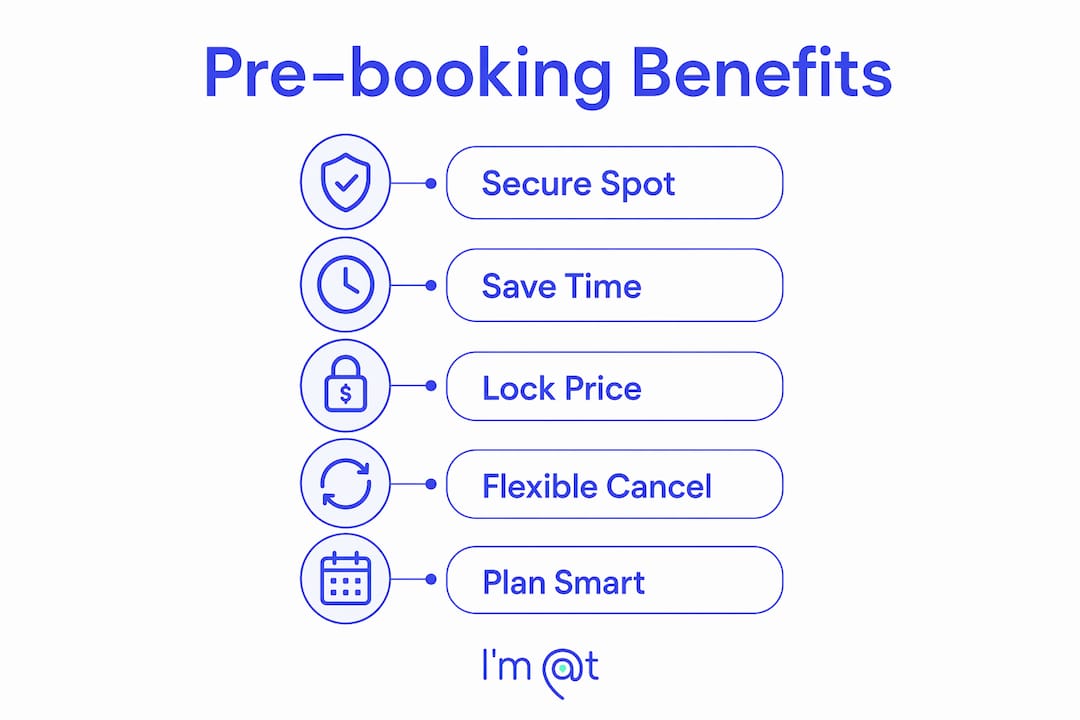
How does pre-booking save time at popular attractions?
Time is the one resource you cannot recover on a trip. Pre-booking skip-the-line passes can save travelers over an hour waiting at iconic, capacity-limited sites during peak seasons. That hour is the difference between fitting in one more neighborhood, a long lunch, or a spontaneous market visit.

Timed-entry tickets are the mechanism behind this advantage. Instead of joining a general queue that moves unpredictably, you arrive at a specific window and walk in. Major museums, heritage sites, and guided tours worldwide now operate on timed-entry systems. Travelers without pre-booked slots often wait in standby lines with no guarantee of entry.
The time savings compound across a multi-day trip. Consider a traveler spending five days in a city with three major attractions, each requiring a 60-minute queue. Pre-booking those three experiences recovers three hours of active travel time. That is enough for an additional half-day excursion or a relaxed afternoon that prevents burnout.
Here is where the benefits of pre-booking activities show up most clearly in practice:
- Timed-entry tickets eliminate unpredictable standby queues at museums and heritage sites.
- Pre-booked guided tours start on schedule, so your guide does not spend 20 minutes gathering walk-ins.
- Activity bundles booked in advance often include transport, reducing the time spent arranging logistics on the ground.
- Digital confirmation means no paper voucher lines or on-site registration delays.
Pro Tip: When booking timed-entry tickets, choose a mid-morning slot (9:30–10:30 AM). Crowds thin out after the first rush, and you still have the full day ahead.
What are the financial benefits of booking activities in advance?
Pre-booking is not just a time play. It is a money play. Many popular tours and landmarks offer early online booking discounts of 5–10% compared to walk-in or last-minute rates. That gap widens during peak season when demand drives prices up sharply.
How early booking protects your budget
Fixed pricing is the clearest financial advantage. When you book in advance, you lock in a rate. Last-minute bookings, by contrast, often carry premium pricing because operators know demand is high and supply is low. A guided Cape Town tour that costs $80 when booked two weeks out may cost $110 or more on the day.
Cross-platform price comparison
Cross-referencing multiple booking platforms can uncover better prices, terms, and inclusions not visible on a single source. This is worth doing before you commit. Spend 15 minutes comparing the same activity across two or three platforms. Look for what is included: transport, meals, entrance fees, and guide gratuity all affect the real cost.
The financial case for booking early comes down to four points:
- Discounted early-bird rates are available on many tours and experiences when booked weeks ahead.
- Fixed pricing protects you from last-minute demand surges that inflate costs.
- Budget certainty lets you allocate remaining funds to food, transport, and unplanned discoveries.
- Inclusive packages booked in advance often bundle extras that cost more when purchased separately on arrival.
For travelers planning a weekend stay, locking in activity costs alongside accommodation creates a clear total trip budget with no surprise expenses.
How do cancellation policies make pre-booking less risky?
The most common objection to booking in advance is fear of commitment. What if your flight is delayed? What if it rains? What if you simply change your mind? Flexible cancellation policies answer all three concerns directly.
Free cancellation up to 24 hours before the activity is the standard term on most reputable booking platforms. This means you carry almost no financial risk when you book weeks ahead. You hold the spot, you lock in the price, and you can release it the day before with no penalty.
The hybrid booking strategy
Experienced travelers use a hybrid approach: reserve essential "anchor" activities ahead of time and leave leisure hours open for local discovery. The anchor activities are the non-negotiables: the private safari, the cultural village tour, the observatory visit. Everything else stays flexible.
This strategy prevents two common mistakes. The first is over-scheduling, which turns a vacation into a logistics exercise with no breathing room. The second is under-planning, which leaves travelers scrambling for alternatives when their first-choice activity is sold out.
One more practical rule: avoid booking intensive activities on your arrival day. Flight delays, fatigue, and time zone adjustment make the first 24–48 hours unpredictable. Leave that window uncommitted. Your first full day is the right time to start your pre-booked schedule.
- Free cancellation windows (typically 24–48 hours before) remove financial risk from advance reservations.
- Anchor booking secures your top priorities while keeping secondary time slots open.
- Arrival day buffers protect you from starting your trip stressed or behind schedule.
- Digital reservations explained in detail at pre-arrival planning resources show how flexibility and advance booking work together.
Pro Tip: Read the cancellation policy before you pay, not after. Look for "free cancellation up to 24 hours" as your minimum standard. If a provider offers less flexibility, factor that into your decision.
Key Takeaways
Pre-booking travel activities is the most reliable way to secure availability, save time, control costs, and maintain flexibility across your entire trip.
| Point | Details |
|---|---|
| Availability is finite | Peak-season tours sell out 4–8 weeks ahead; book anchor activities the moment you confirm travel dates. |
| Time savings are real | Skip-the-line passes save over an hour per attraction, recovering meaningful exploration time. |
| Early booking saves money | Advance rates run 5–10% lower than walk-in prices, and fixed costs protect your budget from demand surges. |
| Cancellation policies reduce risk | Free cancellation up to 24 hours before is standard, making advance booking nearly risk-free. |
| Hybrid strategy beats both extremes | Book your must-do experiences early, then leave leisure time open for spontaneous local discovery. |
The case for planning with purpose, not rigidity
I have planned trips both ways: fully spontaneous and tightly pre-booked. Neither extreme works well. The fully spontaneous approach sounds freeing until you show up at a private game reserve and learn the morning drive left an hour ago with a full vehicle. The tightly scheduled approach sounds thorough until day three, when you are exhausted and locked into a 7:00 AM kayaking session you no longer want.
What actually works is intentional planning with built-in slack. I book the two or three experiences that genuinely cannot be replicated if missed. For everything else, I stay flexible. This is not a compromise. It is the smarter structure. You protect what matters most and leave room for the unexpected discoveries that often become the best memories.
The mistake I see most often is travelers waiting too long because they want more information before committing. More information rarely arrives. What arrives instead is a "sold out" notification. Booking with a solid cancellation policy is not a commitment to a rigid plan. It is a reservation of options. You can always cancel. You cannot always rebook.
One more thing worth saying: arrival day is not a planning day. I have watched travelers schedule a full-day tour for the afternoon they land, then spend it stressed, jet-lagged, and behind schedule. Build in that first-day buffer. Your trip will start better for it, and every pre-booked experience that follows will feel like a reward rather than an obligation.
— Mikahil
Plan your next experience with Im-at
Im-at connects travelers with guided tours, cultural experiences, safaris, and city excursions across destinations worldwide. The platform makes it straightforward to browse, compare, and reserve activities in minutes, with flexible cancellation terms built into most listings.
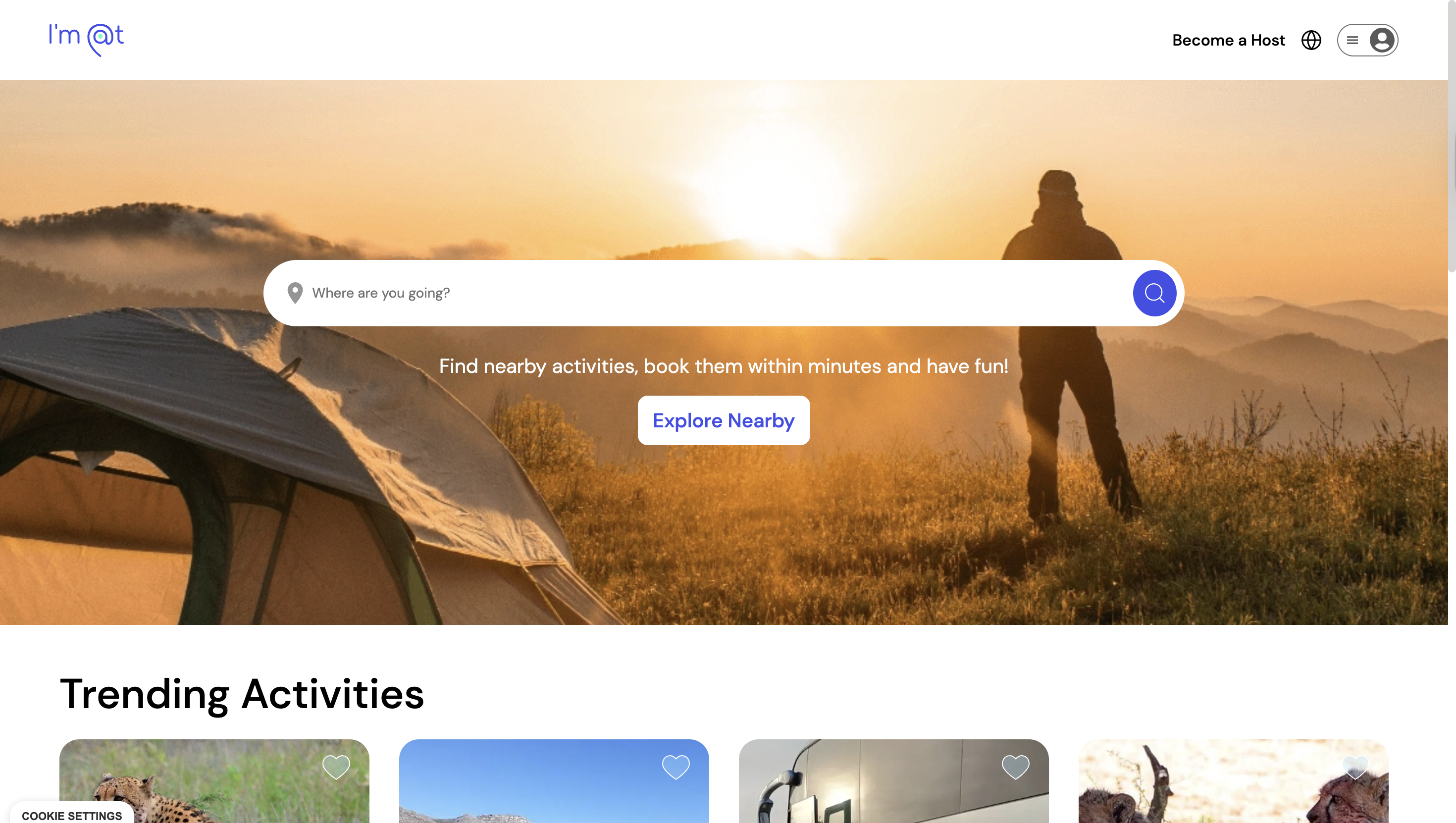
Whether you are planning a multi-day adventure or a single standout experience, Im-at's catalog covers both. The Cape Town 3-Day Attraction combines a township tour, Cape Peninsula drive, and wine tasting into one pre-booked package with guaranteed availability. For something more intimate, The Unholy Secrets offers a curated experience designed for travelers who want something beyond the standard itinerary. Browse the full catalog at Im-at and lock in your anchor activities before the spots are gone.
FAQ
Why should you pre-book travel activities?
Pre-booking secures your spot at limited-capacity experiences before they sell out, saves time with skip-the-line access, and locks in lower advance pricing. Most bookings include free cancellation up to 24 hours before, so the financial risk is minimal.
How far in advance should you book travel activities?
For peak-season travel, book anchor activities 4–8 weeks ahead. Private guides and specialty tours like observatory visits typically require 2–4 weeks notice regardless of season.
Does pre-booking cost more than booking on arrival?
Pre-booking generally costs less. Early online booking discounts of 5–10% are common, and advance rates are protected from the last-minute demand surges that push walk-in prices higher.
What is the hybrid booking strategy for travelers?
The hybrid strategy means reserving your essential "anchor" activities in advance while leaving secondary time slots open for spontaneous local discovery. It prevents both over-scheduling and the risk of missing out on must-do experiences.
Is it safe to pre-book if your plans might change?
Yes. Free cancellation up to 24 hours before the activity is the standard policy on most reputable platforms. Book with that term as your minimum requirement, and advance reservations carry almost no financial risk.