
TL;DR:
- Travelers often over-schedule, leading to exhaustion early in their trips. Adopting a flexible, goal-oriented approach with simple tools enhances enjoyment and minimizes stress. Limiting bases, planning around anchor activities, and incorporating buffers foster a balanced, memorable travel experience.
Most travelers make the same mistake before they even pack a bag: they try to do everything. They stack tours back to back, pencil in five neighborhoods before lunch, and wonder why they're exhausted by day two. The good news is that a smarter, more intentional approach to activity planning changes everything. This guide walks you through every essential step, from setting your travel goals and assembling planning tools to building a flexible itinerary and doing a final pre-departure check. By the end, you'll have a practical, realistic plan that leaves room for both structure and spontaneous joy.
Table of Contents
- What you need to plan: Essentials, tools, and mindset
- Step-by-step: Building your ideal itinerary
- Adventure and safety first: Key considerations for active travelers
- Common pitfalls and troubleshooting: How to avoid missed experiences
- Check your plan: Key verification steps before you depart
- Why real flexibility beats 'perfect' plans every time
- Plan memorable experiences with the right activity partners
- Frequently asked questions
Key Takeaways
| Point | Details |
|---|---|
| Prioritize and limit | Focus on personal trip goals and limit travel bases for more authentic experiences. |
| Balance structure and flexibility | Plan 70% of your itinerary but reserve 30% of days for spontaneous discovery. |
| Safety and readiness matter | Check gear, documents, and plans for contingencies to minimize risk and stress. |
| Respect energy and pace | Alternate high and low activity days and allow time for rest and local rhythms. |
| Adapt for the unexpected | Embrace changes and use backup plans to make the most of every trip. |
What you need to plan: Essentials, tools, and mindset
Now that you see the pitfalls of over-scheduling, let's ground your planning process in essentials and a realistic, adaptable approach.
Before you open a single booking app, start with clarity. Ask yourself what kind of trip you actually want. Do you crave constant movement and new landscapes, or do you want to sink deeply into one culture and stay put? Your answer shapes every decision that follows, from how many locations you target to which activities deserve prime morning energy versus a slow afternoon.
Once your travel goals are clear, gather the tools that keep logistics smooth:
- A map app (Google Maps or Maps.me for offline use)
- A spreadsheet or travel app for organizing bookings and timelines
- A notebook for jotting real-time observations and recommendations from locals
- Copies of all travel documents: passport, visa, travel insurance, and emergency contacts
- A budgeting tool to track activity costs alongside accommodation and transport
Mindset matters just as much as your tools. A good plan is a starting point, not a contract. Weather changes, sites close unexpectedly, and sometimes a random street food market turns out to be the best thing you encounter. Staying flexible while prepared is the core skill of experienced travelers, and those activity planning tips that experienced trip organizers swear by come back to this idea repeatedly.
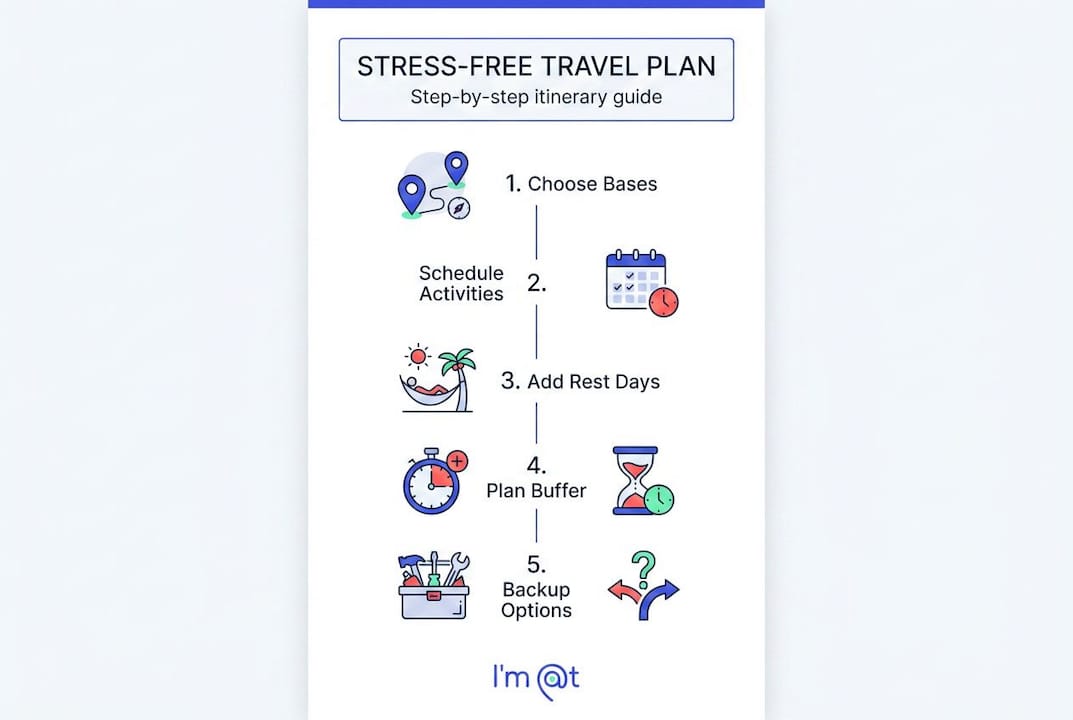
One of the most practical frameworks for realistic pacing suggests you should limit travel bases: one or two for a one-week trip, two or three for two weeks. Group activities geographically, alternate high and low energy days, plan roughly 70% of your time in advance, and leave 30% open. Also add a 25 to 50% buffer to every transit estimate because buses run late, border crossings take longer than expected, and ferry schedules are often optimistic.
Pro Tip: Depth beats breadth almost every time. Spending three days in one city and actually getting to know it is far more rewarding than touching five cities for half a day each.
| Planning tool | Best use |
|---|---|
| Google Maps | Route planning, offline maps |
| Notion or spreadsheet | Activity schedules, booking links |
| Travel insurance portal | Emergency contacts, coverage details |
| Local tourism board website | Hidden gems, official closures |
| Im-at platform | Activity discovery and booking |
Step-by-step: Building your ideal itinerary
With your priorities and tools ready, it's time to design your itinerary in a way that sets you up for both adventure and relaxation.
Building an itinerary is less about filling every hour and more about creating a rhythm. Here's a proven sequence to follow:
- List your anchor activities. These are the non-negotiables: the safari, the cooking class, the museum you've been meaning to visit for years. Build everything else around them.
- Group by location. Cluster activities that are geographically close to minimize transit time and decision fatigue. This is one of the most overlooked time savers in travel.
- Alternate intensity. Follow a physically demanding hike with a low-key afternoon at a market or café. Your body and mind will thank you.
- Apply the 70/30 rule. Plan 70% of your time in advance and leave 30% unscheduled for spontaneity and recovery. This rule is deceptively powerful.
- Add transit buffers. Add a 25 to 50% cushion to every estimated travel time. If Google Maps says 40 minutes, plan for an hour.
- Insert recovery days. Especially on trips longer than five days, one lighter day mid-trip prevents the gradual burnout that turns a dream vacation into a slog.
Overplanning leads to exhaustion, and the research backs this up. Account for jet lag with light arrival days, respect local rhythms (many restaurants and attractions close midday in parts of Europe and Latin America), and commit to a minimum two-night stay per base to let yourself actually settle in.
When comparing travel activities for different days, it helps to map out what a structured day looks like versus a flexible one:
| Feature | Pre-built day | Flexible day |
|---|---|---|
| Morning activity | Booked guided tour | Open exploration |
| Afternoon | Museum visit (timed entry) | Market, café, or rest |
| Evening | Dinner reservation | Spontaneous local spot |
| Stress level | Low (everything confirmed) | Low (no pressure) |
| Discovery potential | Moderate | High |
Understanding types of travel activities before you start building is also valuable. Cultural experiences, outdoor adventures, food tours, and guided excursions all have different energy demands and booking lead times. Some require advance reservations weeks out, while others are best discovered on the ground.
Pro Tip: Always build in time buffer for transport, delays, and recovery. If you're catching a morning flight or a train that connects to your next destination, plan the night before as a quiet one with zero major activities.
Adventure and safety first: Key considerations for active travelers
For those with a focus on adventure or active outings, certain aspects of the planning process need special attention.
Adventure travel is one of the most rewarding categories of travel, and also one of the most underestimated when it comes to preparation. A sunrise hike, a white-water rafting session, or a multi-day cycling tour can be transformative. They can also go sideways fast without the right groundwork.
Here's what to check and prepare before any active adventure:
- Physical requirements: Confirm fitness levels and any certifications needed (for example, scuba diving, rock climbing, or high-altitude trekking).
- Gear: Pack versatile, packable items suited for your specific activities. Layers, sturdy footwear, and sun protection are universal essentials.
- First-aid kit: Include basics like blister treatment, pain relief, rehydration salts, and any personal medications.
- Travel insurance: Verify that your policy covers the specific activities you're planning, especially if they're classified as high-risk.
- Local conditions: Check recent weather reports, trail closures, and any seasonal warnings. Nature doesn't follow your calendar.
- Eco-conscious choices: For adventure seekers, prioritizing conservation-focused destinations and low-impact activities protects the environments that make adventure travel worth doing.
Those looking for adventure travel planning tips should also invest time in researching local operators before booking. A reputable guide service is the single biggest safety variable on most active trips.
"The best adventure travelers aren't reckless; they're prepared. They research local laws, respect terrain limits, choose certified guides, and build in recovery time so they arrive at each activity ready to perform, not just survive."
When choosing adventure experiences, look for providers with transparent safety records, small group sizes, and genuine environmental commitments. These factors consistently separate good experiences from great ones.
Pro Tip: Schedule rest days before and after your most strenuous activities. A rest day before a major hike means you start it fresh rather than already worn down from travel. A rest day after gives your body time to recover before the next leg of your trip.
Common pitfalls and troubleshooting: How to avoid missed experiences
Since even the best plans run into snags, let's look at frequent missteps and how to handle them.
No matter how carefully you plan, things shift. Knowing the most common pitfalls in advance puts you ahead of 90% of travelers.
- Overpacking the schedule: Trying to do six things in one day almost always results in doing none of them well. Stick to one or two anchor activities per day.
- Ignoring local holidays and closures: Many popular attractions close on national holidays, Monday mornings, or religious observance days. A quick search of the local calendar before you arrive prevents a wasted morning at a locked gate.
- Skipping acclimatization: Altitude, heat, and time zone changes affect your body whether you acknowledge it or not. Build in a lighter first day to let your system adjust.
- Moving too fast between bases: If you maximize every trip, you quickly learn that staying fewer than two nights in any location almost always feels rushed and unsatisfying.
- Going paperless only: Digital copies are convenient until your phone dies or you lose connectivity. Keep a printed copy of your key documents, or at minimum a screenshot saved offline.
- Skipping cultural experience planning: Cultural activities like temple visits, local cooking classes, or artisan workshops often require advance booking or specific dress codes that catch travelers off guard.
"Overplanning leads to exhaustion. Account for jet lag, local rhythms, and always have a backup plan for weather or unexpected closures. The travelers who adapt without panic are the ones who have thought ahead."
Having a backup list of activities in each destination, things you'd happily do if your first choice falls through, is one of the most underused planning strategies. It costs you 20 minutes to build that list and saves you hours of frustration in the field.
Check your plan: Key verification steps before you depart
With your plan taking shape and contingencies in mind, a final check ensures nothing slips through the cracks.
The week before departure is not the time to start planning. It's the time to verify. Run through this final checklist:
- Passports and visas: Check passport validity for at least six months beyond your return date. Confirm visas are approved and accessible, not just applied for.
- Accommodation confirmations: Log in to every booking platform and verify check-in times, addresses, and cancellation policies. Reconfirm with the property directly if the stay is longer than three nights.
- Activity reservations: Check that all booked experiences are confirmed, especially those requiring deposits or timed entry. If a tour operator hasn't sent a confirmation email, follow up immediately.
- Digital and offline maps: Download offline maps for every region you'll visit. Cell service in national parks, rural areas, and international destinations can be unreliable.
- Insurance documentation: Have your policy number and emergency contact number saved somewhere you can access without internet.
- Gear and packing review: Cross-reference your packing list against the activities on your adventure planning checklist. Missing a piece of gear at home is an inconvenience. Missing it at a trailhead is a problem.
Pro Tip: Email a full copy of your itinerary, including accommodation addresses, booking confirmation numbers, and emergency contacts, to yourself and one trusted person at home. If your phone is lost or stolen, you can access everything from any device.
Why real flexibility beats 'perfect' plans every time
There's a temptation, especially for first-time travelers or those who've had trips go wrong before, to over-engineer every detail. The logic seems sound: more planning equals fewer surprises. But experienced travelers consistently report that their most memorable moments were unplanned. The spontaneous market they stumbled into. The local family that invited them for dinner. The detour that led to a view nobody on Instagram had posted yet.
The obsession with a perfect itinerary can actually block those moments. When every hour is accounted for, you have no bandwidth to say yes to the unexpected. Prioritize personal goals first to filter your choices, use spreadsheets and maps for logistics, but hold the structure loosely enough that real life can interrupt it in the best way.
Rick Steves, arguably the most well-known practical travel advisor in the world, consistently advises travelers to match itinerary to energy and cultural intensity, do genuine homework on local customs, and seek out the off-beaten path for authenticity. The insight here isn't just about pacing. It's about showing up as a curious participant rather than a schedule-executor.
The travelers who consistently have the best experiences are not the ones with the most detailed plans. They're the ones who plan enriching cultural experiences with clear intentions, build in breathing room, and then trust themselves to navigate what comes. The plan is a scaffold. The real trip is what you build on it.
Plan memorable experiences with the right activity partners
You've now got the framework, the mindset, and the checklists to plan a genuinely great trip. The next step is finding the right experiences to fill that intentionally designed schedule.
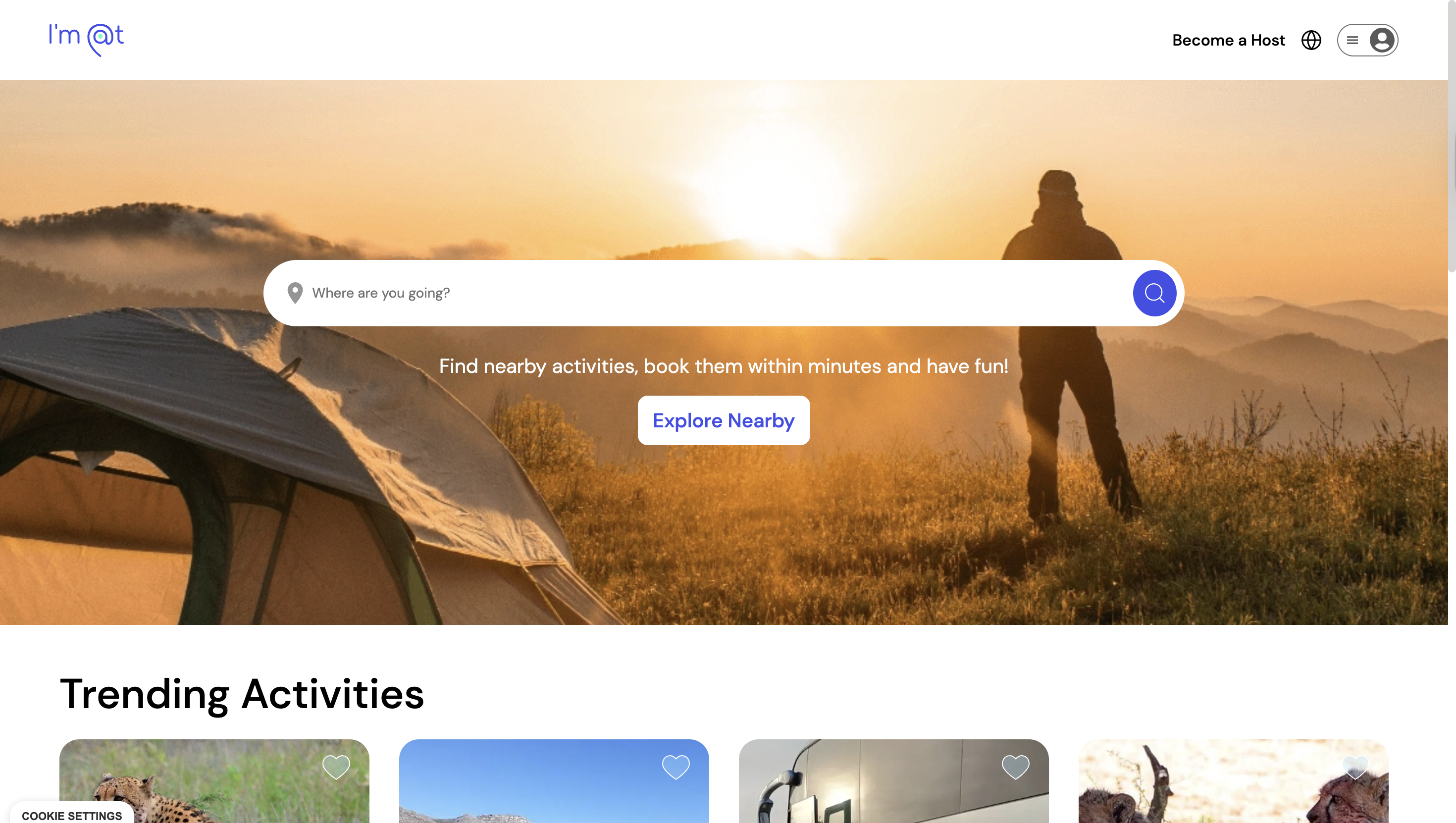
Im-at makes that part easy. Whether you're searching for a guided safari, a cultural city tour, a small-group day trip, or a hands-on outdoor adventure, Im-at connects you with vetted local operators and experience providers worldwide. You can browse by destination, activity type, and energy level, so your bookings match the rhythm you've already planned. No more hours lost to research rabbit holes. Discover, compare, and book your next standout experience in minutes, and let the real experts handle the logistics while you focus on showing up ready to enjoy every moment.
Frequently asked questions
How many activities should I plan per day?
Plan for one or two main activities each day and leave space for rest or unplanned discoveries. Group activities geographically and alternate high and low energy days to maintain a sustainable pace throughout your trip.
What's the optimal number of travel bases in a week-long trip?
Limit yourself to one or two bases for a one-week trip to avoid exhaustion and packing fatigue. A minimum stay of two nights per location gives you enough time to actually experience each place.
What's the best way to handle last-minute changes?
Keep 30% of your days unstructured and prepare a short backup list of alternative activities for each destination. Plan 70% in advance and let the remaining 30% respond to real conditions, weather, closures, and how you actually feel.
How do I minimize travel exhaustion?
Alternate high and low energy days, stay at least two nights in each location, and treat your arrival day as a light recovery day. Account for jet lag by avoiding intense activities in the first 24 hours after a long-haul flight.
What are the must-haves for adventure activity planning?
Carry versatile gear suited to your specific activities, a basic first-aid kit, and confirmed travel insurance that covers your planned activities. Always check skills and certifications required for your chosen adventures before you arrive.