

TL;DR:
- Proper research on entry requirements, health advisories, and local laws ensures safe, responsible travel.
- Organizing documents and enrolling in alert systems like STEP safeguard against emergencies and ensure smooth border crossings.
- Incorporating flexibility and unstructured time enhances travel experiences beyond strict checklists and planned activities.
Planning a leisure trip sounds exciting until you're three days out and realize you forgot to check visa requirements, haven't confirmed your hotel, or have no idea what the local emergency number is. These missed details don't just cause stress — they can derail an entire trip. A structured, official-backed checklist changes everything. It gives you a clear path from research to departure, cuts out decision fatigue, and ensures nothing critical slips through. This guide walks you through every major planning phase, from destination research to health prep, so you can focus on enjoying the experience rather than scrambling to fix avoidable problems.
Table of Contents
- Understand your destination and entry requirements
- Organize travel documents and enroll in alert services
- Review itinerary logistics: Lodging, transport, activities
- Health, safety, and travel insurance essentials
- The real world of travel checklists: Is flexibility the missing ingredient?
- Make your next trip seamless with curated experiences
- Frequently asked questions
Key Takeaways
| Point | Details |
|---|---|
| Official resources matter | Using government and expert sites ensures your checklist is reliable and up to date for any destination. |
| Document safety first | Organize and securely store travel documents and enroll in alert systems like STEP before departing. |
| Logistics drive experience | Streamlined lodging, transport, and activities make itineraries efficient and enjoyable. |
| Health and insurance are essential | Always include medical preparation, emergency contacts, and travel insurance on your checklist. |
| Flexibility enhances travel | Balance a thorough checklist with openness to spontaneous opportunities for memorable trips. |
Understand your destination and entry requirements
Every great trip starts with solid research, and that means going beyond a quick Google search. Knowing your destination's current safety climate, health conditions, and entry rules is not optional — it's the foundation of responsible travel planning.
The U.S. State Department recommends learning about destination advisories, entry requirements, and local health information before booking anything. This means checking official travel advisory levels (Level 1 through Level 4), understanding whether vaccinations are required or strongly recommended, and knowing what local laws could catch you off guard.
Here's what to research for every destination:
- Travel advisories: Check the State Department's advisory level for your destination. Level 3 and Level 4 advisories signal serious risks.
- Visa and entry requirements: Some countries require visas weeks or months in advance. Others have e-visa options you can complete in minutes.
- Health requirements: Certain regions require proof of yellow fever vaccination. Others strongly recommend malaria prophylaxis or updated routine vaccines.
- Local laws and customs: Some countries have strict rules around photography, dress codes, or even carrying certain medications.
- Currency and payment norms: Knowing whether your destination is cash-heavy or card-friendly saves real headaches.
"Travelers who skip destination research are essentially flying blind. An informed traveler is a safer, happier traveler."
For broader destination exploration tips, think beyond the tourist surface. The most rewarding trips often come from understanding a place's rhythms, not just its landmarks. Connecting with authentic travel rewards through local experiences adds a depth that no resort checkin can replicate.
Pro Tip: Set a recurring reminder to re-check advisories for your destination right up until your departure day. Political situations and health alerts can shift quickly, and staying current protects you.
Organize travel documents and enroll in alert services
Once you've researched your destination, it's time to organize the paperwork and safety communications. This step is where many travelers get lazy — and where small oversights cause the biggest problems at airport check-in or border control.
The U.S. State Department recommends organizing your passport, visas, and copies of key documents, and enrolling in STEP (Smart Traveler Enrollment Program) to receive location-specific safety alerts.
Here's a step-by-step document checklist to work through:
- Verify passport validity. Many countries require at least six months of validity beyond your travel dates. Check now, not the week before departure.
- Confirm visa status. Apply well in advance for countries requiring stamped visas. Check processing times on official embassy sites.
- Print and digitize all booking confirmations. This includes flights, accommodation, tours, and car rentals.
- Obtain travel insurance documentation. Know your policy number and the 24-hour emergency contact number by heart.
- Prepare a copy of your itinerary for a trusted person back home.
- Enroll in STEP. This free service sends you real-time alerts and helps the U.S. embassy locate you in an emergency.
- Store digital copies securely. Upload everything to an encrypted cloud service or a secure email folder you can access anywhere.
"STEP enrollment takes under five minutes and can be the single most impactful safety action you take before international travel."
Pro Tip: Use a dedicated cloud storage folder labeled with your trip name and dates. Include scanned copies of your passport photo page, visas, travel insurance card, and emergency contacts. Accessing these from your phone in a foreign country takes seconds and can save hours of stress.
For travelers leaning into smarter trip prep, digital travel guides are reshaping how people organize information before departure, combining itinerary details, local maps, and booking confirmations in one accessible place.
Review itinerary logistics: Lodging, transport, activities
With documents settled, let's move to managing the heart of your itinerary — where you'll stay and what you'll do. This is where planning either clicks into place or falls apart under the weight of unconfirmed reservations and last-minute scrambles.

The U.S. State Department stresses reviewing all travel needs, including lodging, medical access, and activity arrangements, as part of thorough pre-departure planning.
Confirming your bookings checklist:
- Re-confirm hotel or rental accommodation 48 to 72 hours before arrival
- Verify flight times, terminal, and gate information (schedules shift)
- Confirm car rental pickup location, hours, and insurance included
- Check train or ferry booking details, especially in regions with reserved seating
- Pre-book popular activities and tours to avoid sold-out disappointment
For seamless experience booking, booking activities in advance isn't just about convenience. It often unlocks better pricing and guarantees availability during peak seasons.
Here's a quick comparison of popular itinerary management approaches:
| Tool type | Best for | Key benefit | Limitation |
|---|---|---|---|
| Spreadsheet | Detail-oriented planners | Full customization | Manual updates required |
| Travel app (e.g., TripIt) | Frequent travelers | Auto-imports confirmations | Requires email forwarding |
| Booking platform (Im-at) | Activity-focused trips | Browse and book in one place | Focused on experiences |
| Printed itinerary | Low-tech backup | No battery needed | Static, can't update |
Explore dedicated travel planning tools to compare what fits your style and trip complexity.
Pro Tip: Create a single digital folder for your trip and drop every confirmation email into it. Label each file clearly (e.g., "Hotel_Lisbon_CheckIn_March12"). When something goes wrong at check-in — and sometimes it does — you have receipts instantly.
Health, safety, and travel insurance essentials
Beyond logistics, the final essentials are staying healthy and protected throughout your trip. This section doesn't get enough attention during leisure trip planning, yet it's the one that causes the most expensive and traumatic problems when skipped.
Travel insurance is not a luxury. Consider travel insurance a critical necessity since the U.S. government does not cover medical costs abroad, and reviewing all medical and safety arrangements before departure is strongly recommended.
Here's a breakdown of key insurance and health coverage types:
| Coverage type | What it covers | Average cost range |
|---|---|---|
| Trip cancellation | Non-refundable trip costs | 4% to 10% of trip cost |
| Medical evacuation | Emergency transport home | Included in most plans |
| Travel medical | Doctor visits, hospital stays | $40 to $80 for two weeks |
| Baggage loss | Lost or delayed luggage | Typically up to $1,500 |
Beyond insurance, here's what to prepare on the health and safety front:
- Prescription medications: Bring enough for your full trip plus a few extra days. Carry them in original labeled containers.
- Over-the-counter kit: Pack antihistamines, antidiarrheal medication, pain relievers, and blister care.
- Vaccination records: Carry a digital and physical copy of your vaccine history.
- Local emergency contacts: Write down the local equivalent of 911, the nearest hospital, and your country's embassy address.
- Medical alert information: If you have a chronic condition or allergy, carry a card with details in the local language.
"Emergency medical evacuation alone can cost $50,000 or more without insurance coverage. That number alone makes the case."
For inspiration on how to integrate safety-conscious planning into truly exciting adventures, browse local activity types that balance adventure with smart preparation.
The real world of travel checklists: Is flexibility the missing ingredient?
Here's the honest truth about checklists that most planning guides skip: completing every item on a list does not guarantee a good trip. It guarantees a prepared traveler. Those are not the same thing.
Experts stress flexibility over rigid plans and recommend using established guides for packing and method, while leaving room for the unplanned. And this is where most leisure travelers underperform. They treat checklists as finish lines rather than launchpads.
The traveler who has every hotel confirmed but refuses to change dinner plans when a local recommends a better spot is missing the point. Real-world travel success comes from using your checklist to eliminate risk, not to eliminate surprise. The documentation is sorted, the insurance is active, the activity is booked. Now you can actually be present.
We've seen it repeatedly: the most memorable moments from any trip come from the gaps between the scheduled items. A conversation with a guesthouse owner. A market stumbled upon by accident. A detour that became the highlight of the whole journey. None of that fits on a checklist.
Pro Tip: Always leave at least one half-day per three days of travel completely unscheduled. Protect that time fiercely. It's where the best travel memories get made.
If you're looking for alternative travel tools that support more flexible, discovery-driven planning, there are platforms built specifically to help you find experiences on the fly without sacrificing quality or safety.
Make your next trip seamless with curated experiences
Now that you know what makes a trip successful, here's how to access curated travel experiences for a seamless journey.
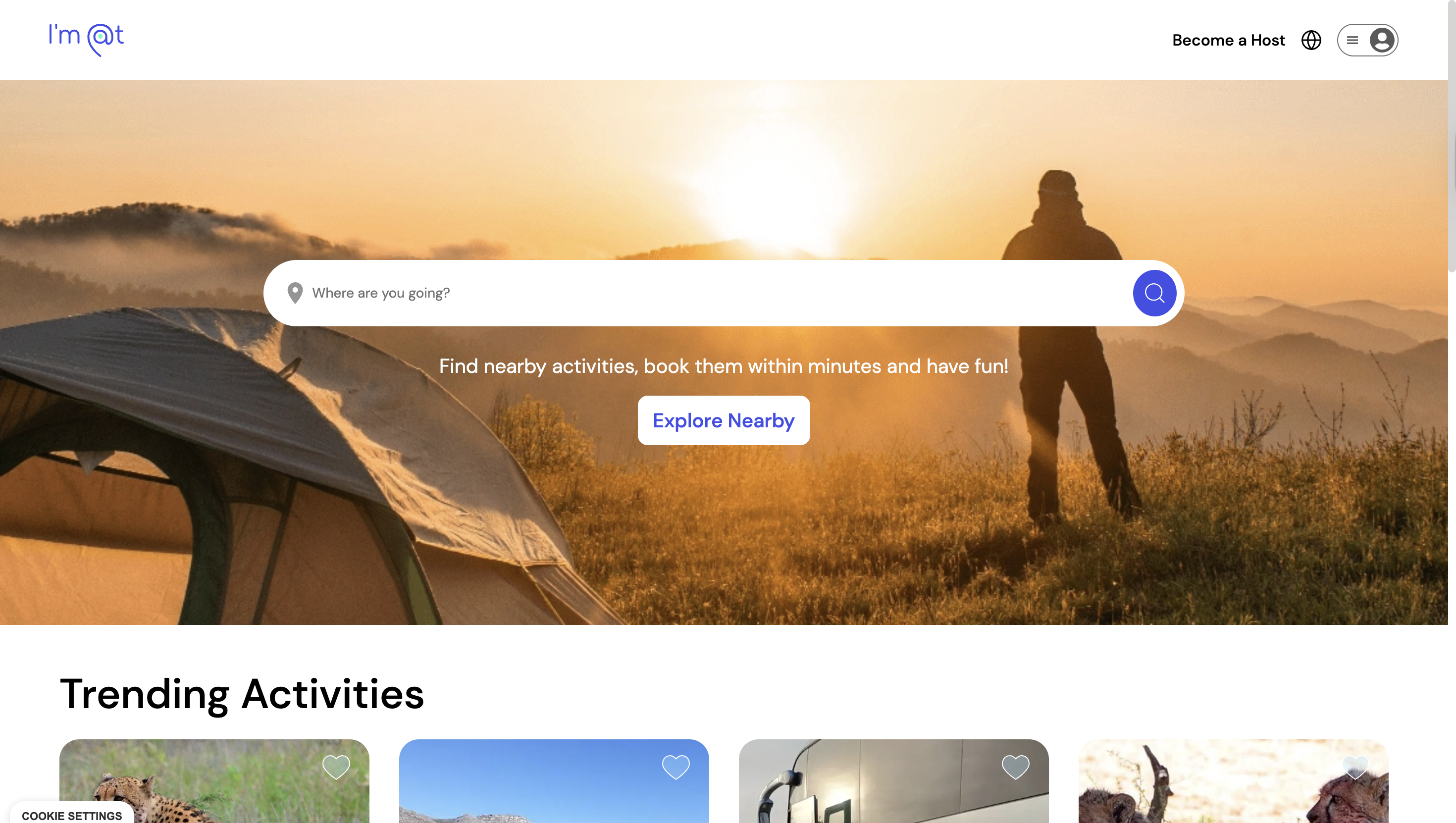
At Im-at, we've built the entire platform around this idea: planning leisure activities should take minutes, not days. Whether you want a Cape Town helicopter and wine tour that covers iconic landscapes in style, a rugged Terceira hiking and caving adventure in the Azores, or a relaxed Douro Valley wine and river tour through Portugal's wine country, Im-at connects you with vetted experiences that slot directly into your itinerary. Browse, compare, and book in one place so the logistics stay simple and the experiences stay extraordinary.
Frequently asked questions
What documents do I need for international travel?
You need a valid passport, visas for applicable destinations, and copies of all key documents. The U.S. State Department recommends keeping both physical and digital copies of your passport and visas when traveling internationally.
How can I stay safe and get travel updates during my trip?
Enroll in STEP before departure to receive real-time government alerts tied to your destination. Pair this with regular checks of official destination advisories on State.gov throughout your trip.
What should I prepare for health and medical needs while traveling?
Arrange travel insurance before departure, pack all prescription medications in labeled containers, and write down local emergency contacts including your nearest embassy. The U.S. government does not cover medical costs abroad, making insurance a necessity rather than an option.
Should I follow a strict itinerary checklist or be flexible?
Experts recommend using established planning guides as a foundation while building in flexibility to adapt to real-world conditions and spontaneous opportunities that make travel truly memorable.