
TL;DR:
- Successful adventure travel requires thorough planning, proper permits, and flexible mindset.
- Building a detailed, adaptable itinerary enhances safety and enjoyment of outdoor adventures.
- Embracing unpredictability and quick troubleshooting create memorable, stress-free experiences.
Adventure travel has a way of sounding incredible in your head and completely chaotic the moment you start planning. You've got a destination in mind, a rough idea of what you want to do, and a growing list of questions you don't know how to answer. What gear do you actually need? Which permits are required? How do you even start booking? This guide cuts through that noise. We'll walk you through every stage of planning an outdoor adventure trip, from gathering your essentials to booking activities and troubleshooting problems before they derail your experience.
Table of Contents
- What you need to get started: Essentials for adventure travel
- Step-by-step planning: Create your adventure travel itinerary
- Booking and logistics: Secure your adventure experiences
- Troubleshooting: Common mistakes and how to avoid them
- What most adventure travel guides miss: The real secret to memorable trips
- Ready for your next adventure? Plan and book with confidence
- Frequently asked questions
Key Takeaways
| Point | Details |
|---|---|
| Start with essentials | Gather permits, insurance, and proper gear before planning any adventure trip. |
| Follow a step-by-step plan | Break your itinerary into clear steps to ensure nothing is overlooked. |
| Book with caution | Use reputable companies and check provider certifications for safety. |
| Avoid common mistakes | Prepare for weather, keep backups, and double-check your bookings to ensure a smooth trip. |
| Embrace flexibility | Stay adaptable and enjoy unplanned moments for the best adventure experiences. |
What you need to get started: Essentials for adventure travel
Now that you know how this guide will help, let's start with the basics. Before you book a single thing, you need to make sure your foundation is solid. Adventure travel is not like a standard beach vacation where you pack a swimsuit and show up. It demands preparation across multiple categories.
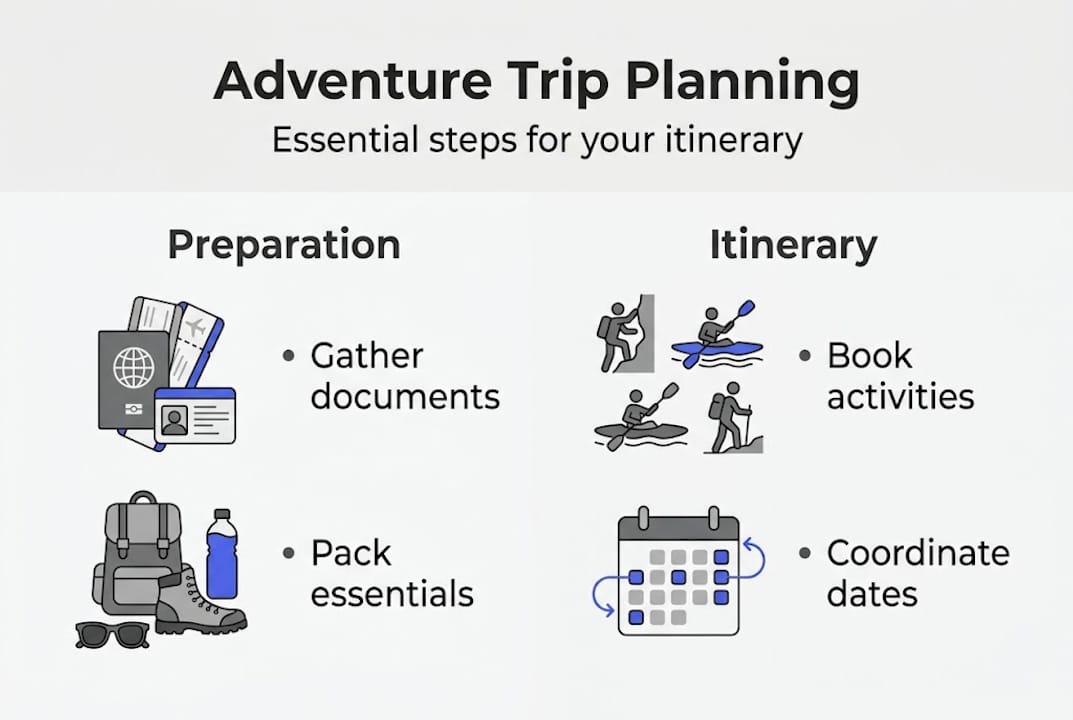
Documents and permits are your first priority. Your passport must be valid for at least six months beyond your travel dates. Many countries require visas, and some adventure destinations require additional permits for activities like trekking, diving, or wildlife safaris. Many adventure trips require special permits, insurance, or equipment that you cannot source last minute. Start this process at least three months before your trip.
Packing essentials for adventure travel go beyond clothes. Think in terms of layers, function, and safety:
- Moisture-wicking base layers and a waterproof outer shell
- Sturdy footwear appropriate for your terrain (hiking boots, water shoes)
- A compact first aid kit with blister treatment, antiseptic, and any personal medications
- Navigation tools: a downloaded offline map and a physical backup
- A headlamp with spare batteries
- A reusable water bottle and purification tablets
Mindset matters more than most guides admit. Flexibility and risk tolerance are not optional in adventure travel. Weather changes, trails close, and ferries get canceled. Travelers who treat these moments as part of the experience rather than failures tend to have far better trips.
When it comes to planning tools, both digital and physical options have real advantages:
| Tool type | Best for | Limitations |
|---|---|---|
| Digital apps | Real-time updates, booking, maps | Requires internet or data |
| Physical guides | Offline use, detailed local info | Can be outdated quickly |
| Spreadsheets | Budget tracking, itinerary overview | Manual to update |
| Local agencies | Insider knowledge, logistics | Higher cost, less flexible |
For booking adventure experiences and planning outdoor adventure trips, combining a digital platform with a physical backup is the smartest approach.
Pro Tip: Always verify that your travel insurance covers outdoor adventure activities specifically. Standard policies often exclude activities like rock climbing, white-water rafting, or trekking above certain altitudes. Read the fine print before you assume you're covered.
Step-by-step planning: Create your adventure travel itinerary
With the essentials gathered, it's time to map out your trip. A well-built itinerary is not a rigid schedule. It's a framework that keeps you moving without locking you into decisions you'll regret.
Here's how to build yours from scratch:
- Choose your destination. Research regions based on your activity interests, travel season, and budget. Cross-reference safety advisories and entry requirements.
- Decide your mode of travel. Will you self-drive, use public transport, or rely on guided transfers? Each option changes your flexibility and cost significantly.
- List your must-do activities. Tailoring activities to your interests boosts both satisfaction and safety. Prioritize three to five core experiences and build around them.
- Map the timing. Assign activities to specific days, factoring in travel time between locations. Leave at least one buffer day per week for rest or unexpected changes.
- Book in the right order. Lock in flights and accommodation first, then guided activities, then optional extras.
- Confirm all logistics. Double-check opening hours, seasonal closures, and permit availability before finalizing.
Here's a quick reference for matching steps to your options:
| Planning step | Option A | Option B | Option C |
|---|---|---|---|
| Destination | Solo research | Travel blog | Local expert |
| Transport | Self-drive | Public transit | Guided transfer |
| Activities | DIY booking | Platform booking | Tour operator |
| Accommodation | Hostel/camping | Boutique hotel | Eco-lodge |
| Permits | Government site | Agency-assisted | Included in tour |
For expert adventure planning tips, look at how experienced travelers structure their itineraries around activity clusters rather than geography alone. Grouping thrilling adventure activities by zone saves travel time and energy. When choosing adventure experiences, always factor in your fitness level and experience honestly.

Pro Tip: Use a shared calendar app to coordinate your travel bookings with any companions. Color-code travel days, activity days, and rest days so everyone stays aligned without constant check-ins.
Booking and logistics: Secure your adventure experiences
Once your itinerary is ready, the next step is to make your bookings. This phase is where most travelers either save money and stress or create unnecessary problems for themselves.
Where to book matters a great deal. Your main options include:
- Dedicated activity platforms like Im-at, which aggregate experiences across destinations and let you compare providers
- Official tourism board websites for permits and regulated activities
- Local agencies discovered through trusted traveler forums or recommendations
- Direct booking with guides for more personalized or budget-friendly arrangements
Adventure travel companies can simplify logistics and enhance safety, particularly in remote or unfamiliar destinations. They handle permits, transport, gear, and guide coordination so you can focus on the experience itself.
Logistics to nail down before departure:
- Airport transfers and inter-destination transport
- Accommodation proximity to your main activity zones
- Gear rental availability at your destination versus bringing your own
- Guide certifications and emergency protocols
For a broader understanding of how adventure tourism works, the complete adventure tourism guide is worth reading before you finalize anything.
Safety warning: Always verify that your adventure provider holds current certifications from recognized bodies. For activities like diving, climbing, or white-water rafting, certification is not optional. Ask for proof before you pay.
For last-minute bookings, act fast but don't skip verification. Many platforms offer same-day or next-day availability, but you should still confirm the guide's credentials and read recent reviews. For cancellations, always book with providers who offer at least a 48-hour cancellation window. Read the policy in full, not just the headline.
Troubleshooting: Common mistakes and how to avoid them
Even with careful planning, mistakes happen. Here's how to handle them.
Missing key steps in planning is a leading cause of trip dissatisfaction. The good news is that most mistakes are predictable and preventable.
Here are the most common pitfalls and how to sidestep them:
- Underestimating weather. Mountain conditions, monsoon seasons, and desert heat can shut down entire itineraries. Check historical weather data for your destination and build flexibility into your schedule.
- Skipping travel insurance. This is the single most costly mistake adventure travelers make. A medical evacuation from a remote location can cost tens of thousands of dollars. Don't risk it.
- Overbooking activities. Packing every day with back-to-back experiences sounds exciting until day three when you're exhausted and resenting the trip. Build in downtime deliberately.
- Ignoring fitness requirements. Many guided activities list minimum fitness levels. Ignoring these is both dangerous and disappointing. Train for your trip in advance.
- Failing to confirm bookings. Automated confirmation emails are not guarantees. Call or message your provider 48 hours before each activity to confirm everything is on track.
Quick fixes when things go wrong:
- Lost documents: Contact your country's nearest embassy immediately. Most can issue emergency travel documents within 24 to 48 hours.
- Missed bookings: Contact the provider right away. Many will reschedule if you reach out before the activity starts.
- Gear failure: Ask your accommodation or local outfitter about rental options. Most adventure destinations have gear rental shops for exactly this reason.
For solid outdoor adventure trip planning resources, bookmark reliable guides before you leave home so you can access them offline if needed.
Pro Tip: Keep both digital and physical copies of every booking confirmation, permit, and insurance document. Store digital copies in a cloud folder and carry printed backups in a waterproof document sleeve.
What most adventure travel guides miss: The real secret to memorable trips
Here's the uncomfortable truth most guides won't tell you: obsessing over a perfect itinerary can actually ruin your adventure. The travelers who come home with the best stories are rarely the ones who followed their plan exactly. They're the ones who said yes to the unexpected detour, the local's recommendation, or the spontaneous sunrise hike that wasn't on any list.
Planning for adventure is really about preparing for the unknown. You gather your gear, secure your permits, and build your itinerary not to control the experience but to create the conditions where great things can happen. The plan is a launchpad, not a script.
Flexibility is not a backup strategy. It's the core skill of a great adventure traveler. When you embrace uncertainty rather than fight it, you stop experiencing disruptions as failures and start seeing them as the actual adventure. For expert adventure travel tips that go beyond logistics, focus as much on your mindset as your gear list. The travelers who adapt fastest are the ones who enjoy the most.
Ready for your next adventure? Plan and book with confidence
Feeling inspired? Here's how to make your adventure happen.
You now have a clear framework: gather your essentials, build a smart itinerary, book with verified providers, and prepare for the unexpected. The only thing left is to actually go.
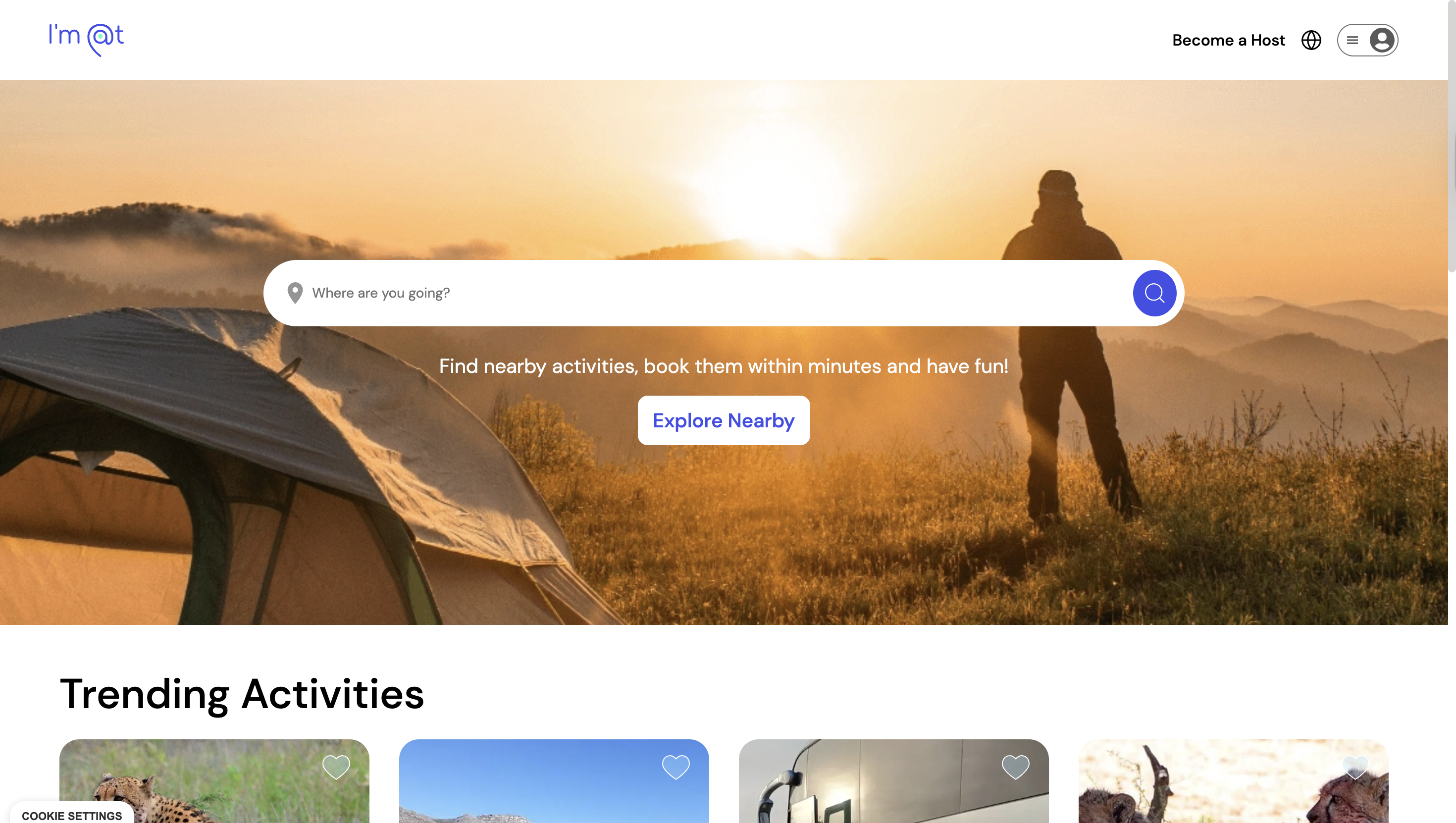
Im-at makes it easy to move from planning to doing. Whether you're dreaming of a Cape Town helicopter adventure over the Cape Peninsula or a scenic Douro Valley river cruise through Portugal's wine country, the platform connects you with curated, bookable experiences worldwide. Browse, compare, and lock in your next adventure in minutes. Plan your trip today and turn that vague travel dream into a confirmed itinerary.
Frequently asked questions
What are the most important documents for adventure travel?
Passports, visas, activity permits, and proof of insurance are essential for any adventure trip. Many adventure trips require special permits and insurance that standard travelers overlook.
How do I choose the best adventure destination?
Consider your activity preferences, travel season, fitness level, and safety conditions when selecting a destination. Tailoring activities to your interests ensures both a safer and more satisfying trip.
What is the safest way to book adventure activities?
Book through certified providers or reputable platforms and confirm that your insurance covers the specific activity. Adventure travel companies can simplify logistics and add an important layer of safety verification.
What should I do if I make a mistake in my travel planning?
Contact your provider immediately, use digital copies of all documents, and activate any backup plans you've prepared. Missing key steps in planning is common, but fast action almost always limits the damage.