
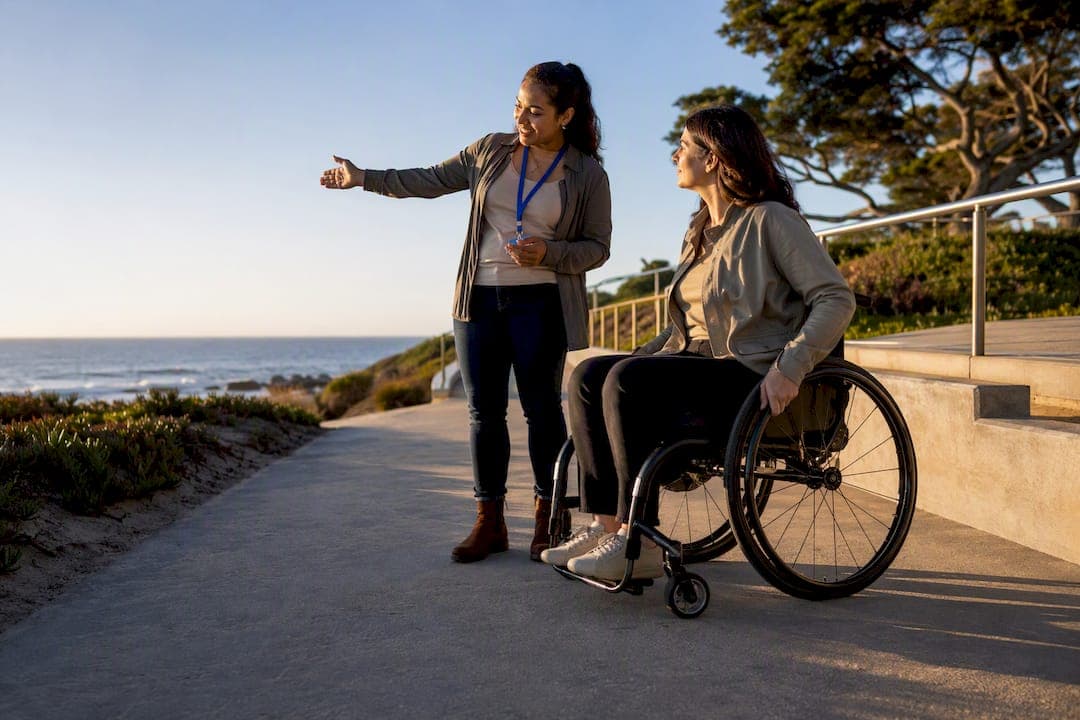
Booking an accessible tour comes down to one habit: run a checklist covering transport, route, pacing, and toilets, then confirm every detail directly with the operator before you pay. Don't trust a generic "wheelchair friendly" label. Cross-check it against the Inclusive Tourist Guiding handbook or a booking platform like Im-at that lets you message the guide directly.
TL;DR:
- Confirm vehicle securement, route surface, and restroom accessibility by requesting detailed measurements and photos from operators before booking.
- Choose private or specialist tours if you require flexible pacing, additional support, or accommodations for sensory or cognitive needs.
- Verify entire routes are step-free, ramps are appropriately graded, and lifts and toilets meet your specific size and functionality requirements with direct questions and measurements.
- Carry comprehensive medical documentation and backup plans, including spare parts and emergency contacts, to handle potential issues during the trip.
- Message hosts directly through platforms like Im-at with specific access questions to gain clearer answers than generic marketing claims.
Table of Contents
- What to Check Before Booking an Accessible Tour
- Which Type of Accessible Tour Fits You?
- How Do Inclusive Guides Adapt Tours for Access Needs?
- What Transport and Venue Details Should You Verify?
- Preparing Documents, Medical Needs, and Backup Plans
- Why Booking With Accessibility in Mind Changes the Outcome
- Book Smarter: Messaging Hosts Through Im-at
- Further Resources for Verifying Accessibility
- Sources
- FAQ
What to Check Before Booking an Accessible Tour
Accessible tourism means adapting destinations, transport, and activities to fit a wide range of permanent and temporary access needs, and it works best when it's the starting point of trip planning, not an afterthought bolted on after you've already booked, according to SME South Africa. That means asking specific questions before you hand over a deposit, not after.
Here's the checklist that actually catches problems before they ruin a trip:
- Transport. Ask what vehicle the tour uses, how you board it, and whether it has proper wheelchair securement, not just "space in the back."
- Route and pacing. Get the daily walking distance, surface type (cobblestones wreck a lot of manual chairs), and how often the group stops to rest.
- Accommodation details. If the tour includes lodging, ask specifically about roll-in showers, elevator access, and bathroom door widths, not just "accessible room."
- Attraction facilities. Confirm accessible toilets exist at each stop, and ask whether ramps or lifts bypass stairs entirely or just partially.
- Support and equipment. Find out if guides have accessibility training, whether companions ride free or at a discount, and if equipment charging is available mid tour.
Pro Tip: Send this exact line to any operator: "Can you send me a photo of the accessible toilet, the door width in inches, and confirm whether the route includes stairs anywhere?" Vague answers here are the biggest red flag you'll get before booking.
Which Type of Accessible Tour Fits You?
The format matters as much as the destination; understanding the differences in private tour vs group tour options helps you choose the best fit for your accessibility needs. A private tour built around your pace beats a packaged itinerary that assumes everyone moves at the same speed.
- Private tours give you full control over pacing, rest stops, and route changes, ideal if your stamina varies day to day or you use a power wheelchair with charging needs.
- Small-group tours offer company and lower cost, but the schedule is fixed. This works if your needs are predictable and don't require frequent adjustments.
- Packaged accessible trips, like the kind Wheel the World builds, pre-vet hotels and transport, cutting uncertainty for travelers who want fewer unknowns even if it means less flexibility.
- Specialist tours for sensory or cognitive access needs (audio description, sign language interpretation, quiet-hour scheduling) suit travelers whose access requirements go beyond mobility.
If you're traveling with a companion who also needs breaks, lean toward private or specialist options. Fixed-schedule group tours rarely accommodate two sets of needs at once.
How Do Inclusive Guides Adapt Tours for Access Needs?
Inclusive guiding borrows from universal design: build the route, tempo, and communication style around the widest range of abilities from the start, rather than retrofitting a standard tour after the fact. The Inclusive Tourist Guiding handbook lays out concrete steps guides should take, including asking guests directly about abilities in advance, preparing alternate routes for last-minute obstacles, and offering accessible formats like large print, audio description, or sign language when needed.
When you brief a guide yourself, cover these points clearly:
- Your physical needs (mobility aid type, transfer assistance, walking distance limits).
- Communication preferences (do you need things repeated, written down, or signed).
- Timing flexibility and where your assistance limits stop (can a guide push your chair, or is that a liability issue for them).
- Any sensory sensitivities, like noise or lighting, that affect indoor stops.
Ask guides directly whether they've completed accessibility training and whether they've guided travelers with your specific need before. A guide who can adapt a route on the fly, and communicate that shift clearly to a mixed-ability group, is worth more than one who just knows the standard script. Our guide to finding and evaluating a tour guide walks through how to vet this before you commit.
Pro Tip: Ask for a guide's accessibility experience in writing, even a short email. It gives you something concrete to point back to if the tour doesn't match what was promised.
What Transport and Venue Details Should You Verify?
Marketing copy says "accessible." Measurements tell you the truth. Here's what to request specifically:
- Step-free route confirmation. Ask whether the entire route, not just the entrance, avoids stairs.
- Door and ramp measurements. Request door widths in inches and ramp gradient. A ramp that's technically present but too steep for a manual chair is common.
- Lift access. Confirm which floors the lift reaches and whether it fits your wheelchair's dimensions.
- Toilet type and location. Ask if the accessible toilet is roll-in style and how far it is from the main tour area.
- Vehicle compatibility. Confirm ramp or lift presence, securement points, and whether the vehicle handles power wheelchairs (heavier and often longer than manual chairs).
- Equipment hire and charging. If you're renting a scooter or need to charge a power chair mid-tour, confirm outlets and voltage compatibility ahead of time.
Ask for photos, floor plans, or exact measurements rather than accepting "yes, it's accessible" as an answer. AI trip planners can generate a fast first draft of an accessible itinerary when you feed them your specific constraints, but that draft still needs verification against the actual venue and transport operator, according to GetOutTrip's accessible travel planner analysis.
Preparing Documents, Medical Needs, and Backup Plans
Paperwork matters more on accessible tours than standard ones, mostly because it saves time when something goes wrong mid-trip.
- Carry a medical letter summarizing your condition, medications, and equipment, and share a copy with your tour operator before departure.
- Check your travel insurance covers mobility equipment repair or replacement, plus any pre-existing conditions relevant to your trip.
- Pack spare parts and extra medication, and confirm battery voltage compatibility if you're traveling internationally with a power wheelchair.
- Save local emergency contacts and the nearest medical facility to each major stop, and line up a backup companion plan if your usual support person can't make a leg of the trip.
Why Booking With Accessibility in Mind Changes the Outcome
Most travel guides treat accessibility as a filter applied after picking a destination. That's backwards. Building the checklist first, then narrowing down tours that pass it, produces far fewer surprises on the ground. There are marketplaces where you can search guided tours and activities and message hosts directly with your specific access questions before booking, rather than guessing from a listing description. Community reports and traveler accounts, like those collected at Unhindered Travel, add real-world detail that marketing pages tend to skip.
— Mikahil
Book Smarter: Messaging Hosts Through Im-at
Some platforms offer a practical alternative to combing through dozens of tour operator websites hoping one mentions door widths. You can search activities by location, then message the host directly with your checklist before you commit to anything.

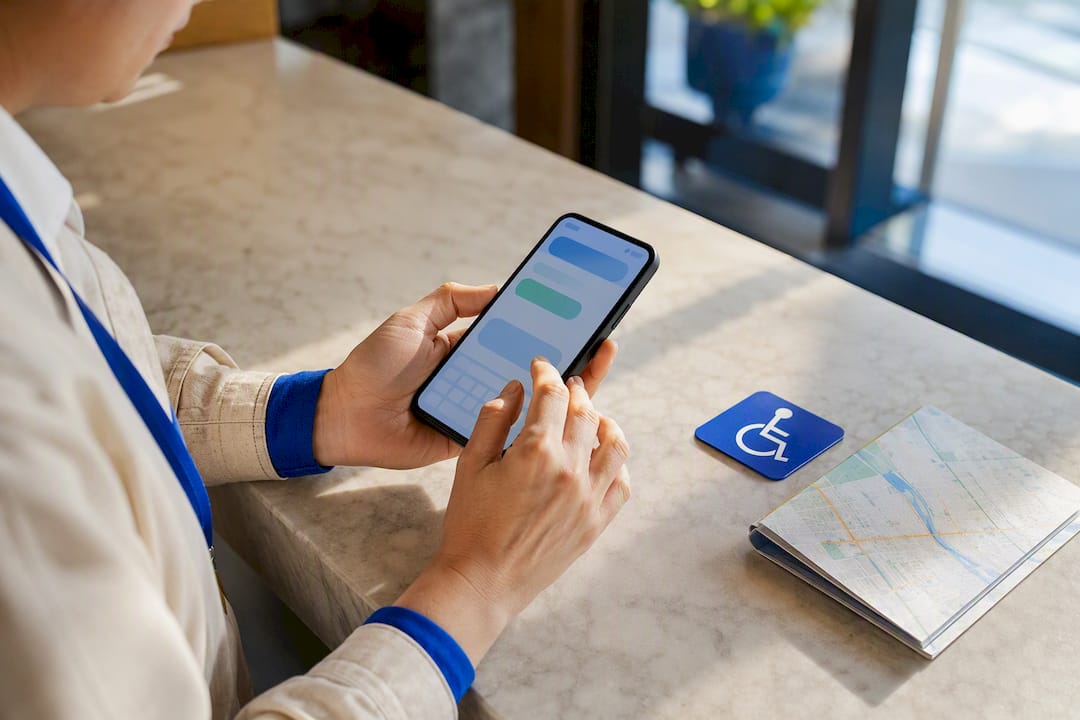
When you message a host through Im-at, keep it short and specific: mention your mobility aid, ask about step-free access, request a photo of the accessible toilet, and confirm vehicle securement if transport is included. That single message often gets you a clearer answer than an entire "accessibility" page on a generic booking site. Browse guided tours, trips, and activities to start, or see how the process works on a listing like the Lisbon Sintra day tour, where you can message the host directly about access before booking.
Further Resources for Verifying Accessibility
The Inclusive Tourist Guiding handbook remains the most detailed trainer resource for how guides should prepare and adapt. Destination-specific guides, like the Cape Town wheelchair accessibility guide, show what local verification looks like in practice. Im-at's tour hosting guide also helps travelers understand what operators are expected to prepare.
Sources
- Inclusive Tourist Guiding — Handbook for guiding people with special access requirements
- Accessibility in South African tourism — SME South Africa
- AI Accessible Travel Planner: Plan Any Trip Around Your Needs - GetOutTrip
FAQ
Where Is the Best Place to Travel for People With Limited Mobility?
There's no single "best" destination. It depends on whether a location has step-free transit, accessible lodging, and attractions with confirmed ramp or lift access. Destination-specific guides and direct verification with operators matter more than a country's general reputation for accessibility.
Which Cruise Line Is the Most Wheelchair Friendly?
Cruise accessibility varies by ship, not just by line, since older vessels in the same fleet often have narrower doorways and fewer roll-in showers than newer ones. Always request the specific ship's accessible cabin layout and deck plan rather than relying on the cruise line's general accessibility statement.
Which Airline Is Best for Disabled Passengers?
Airline accessibility depends heavily on aircraft type, staff training at your specific airport, and how far in advance you request assistance. Confirm wheelchair storage policy, aisle chair availability, and battery documentation requirements for power chairs directly with the airline before booking, since these vary by route.
Where Is the Best Place to Vacation for Disabled Travelers?
The strongest options combine step-free infrastructure with tour operators willing to answer detailed access questions before booking. Some platforms let you filter activities and message hosts directly, which often reveals more than a destination's general accessibility marketing.
What's the Difference Between an Accessible Tour and a Standard Tour Marketed as Accessible?
A genuinely accessible tour has been checked against specific measurements: door widths, ramp gradients, toilet type, and transport securement. A tour merely marketed as accessible often just means an entrance ramp exists, so verifying details yourself with the Inclusive Tourist Guiding handbook as a reference remains essential.