

A tour guide is a professional who leads travelers through destinations, interpreting cultural, historical, or natural heritage while managing logistics, safety, and group dynamics. If you want to book one right now, the fastest routes are a vetted marketplace listing (where reviews, inclusions, and cancellation terms are visible before you pay) or a direct booking with a licensed local operator.
Before you commit to either, check for these signals:
- Verified reviews with recent dates and specific details (not just star ratings)
- A sample itinerary or meeting-point photo so you know exactly what you're getting
- A written cancellation and refund policy
- Clear group size and language options
- Stated accessibility accommodations if relevant to your group
Pro Tip: Ask the guide for a micro-itinerary before booking — a one-page outline of stops, timing, and what's included. Guides who can produce one on request almost always deliver a better experience than those who can't.
Key Takeaways
A professional tour guide combines local expertise, safety management, and interpretive skill — and the right booking signals tell you which guides actually deliver that combination.
| Point | Details |
|---|---|
| Verify before you book | Check for verified reviews, a sample itinerary, stated inclusions, and a written cancellation policy. |
| Match tour type to your travel style | Private tours offer flexibility; small-group tours balance cost and attention; walking and food tours suit niche interests. |
| Understand what drives price | Exclusivity, guide expertise, included entry fees, and seasonality all affect cost more than tour length alone. |
| Tip appropriately in the U.S. | Walking tours: $10–$20 per person; food tours: $15–$25; full-day or multi-day tours: $20–$50 per person per day. |
| Im-at for vetted options | Im-at lists guided tours with clear inclusions, verified reviews, and secure booking across global destinations. |
Table of Contents
- What does a tour guide actually do?
- What types of guided tours are available?
- How do you find and vet a local tour guide before booking?
- What affects the price and logistics of a guided tour?
- How are tour guides paid, and what should you tip?
- Why verified credentials and reviews are worth your attention
- What cancellation and rescheduling policies should you expect?
- How do guides handle safety and emergencies on tour?
- The case for booking through a vetted marketplace
- Im-at connects you to vetted guided tours worth booking
- Sources
What does a tour guide actually do?
The job covers far more than pointing at landmarks. A professional guide interprets heritage — cultural, historical, or natural — in ways that give travelers context they'd never get from a sign or an audio clip. That interpretive layer is the core of the role, and it's what separates a skilled guide from someone who simply knows the route.
According to the U.S. Bureau of Labor Statistics, tour and travel guide roles vary widely: some focus on short attraction-based experiences, while others manage multi-day logistics across regions. Education requirements typically start at a high school diploma, though specialized knowledge, language skills, and local licensing often matter far more in practice.
The World Federation of Tourist Guide Associations (WFTGA) draws a useful distinction: "tourist guide" is the internationally recognized professional designation, usually implying area-specific qualifications recognized by local authorities. "Tour guide" is the colloquial term most travelers use. The difference matters when you're evaluating credentials.
On a typical tour day, a professional guide handles:
- Route planning and time management across multiple stops
- Language interpretation for multilingual groups
- Emergency procedures and first-aid awareness
- Accessibility accommodations for guests with mobility or sensory needs
- Meeting point logistics and headcount management
- Real-time adjustments when weather, crowds, or closures intervene
The vital role guides play in travel satisfaction goes beyond logistics. A good guide turns a two-hour walk into something travelers remember for years.
What types of guided tours are available?
Tour formats vary enough that choosing the wrong type can undercut an otherwise great trip. Here's a quick map of the main options and who each suits best:
- Private tours: Custom pace, custom stops, full guide attention. Best for families with young children, travelers with specific interests, or anyone who dislikes group dynamics. Higher cost, but the flexibility is often worth it. Read more on when private guides are worth the premium.
- Small-group tours (typically 6–12 people): The sweet spot for solo travelers and couples who want social energy without losing the guide's attention. Usually priced between private and large-group options.
- Large-group tours: Budget-friendly, good for popular attractions where the experience doesn't depend on intimate interaction. Expect less flexibility and more waiting.
- Walking tours: Ideal for city neighborhoods, historic districts, and food markets. Low physical barrier for most travelers; some operators offer seated or slow-pace variants.
- Food and culinary tours: Best for travelers whose primary interest is local cuisine. A specialist guide here knows producers, chefs, and neighborhood spots that no restaurant app surfaces.
- Multi-day tours: Suited to adventure seekers and travelers who want a fully managed itinerary across a region. The guide often doubles as a logistics coordinator.
- Audio and self-guided tours: Lowest cost, maximum flexibility. Works well for independent travelers who want context without a fixed schedule. No live interaction, so questions go unanswered.
Pro Tip: Search by niche interest rather than city name. Queries like "Art Deco architecture Chicago" or "Sichuan food San Francisco" surface specialist guides who rarely appear in generic city-tour results — and those guides tend to go deeper than generalists.
For travelers interested in culturally rooted experiences, authentic local experiences are worth exploring before defaulting to the most-reviewed option on any platform.
How do you find and vet a local tour guide before booking?
Use this sequence to move from search to confident booking:
- Search across sources. Start with a marketplace for breadth, then check the guide's own website or social presence for depth. A guide with no web presence at all is harder to vet.
- Shortlist by tour type and group size. Filter to the format that matches your travel style before comparing prices.
- Verify credentials. In regulated jurisdictions, look for a badge number or association membership. In lightly regulated markets (including most of the U.S.), lean harder on reviews and itinerary detail.
- Read the listing carefully. A strong listing includes a sample itinerary, clear inclusions (entry fees, transport, food), language options, accessibility notes, and group size limits.
- Check the cancellation policy. Transparent policies — "full refund up to 48 hours before" — are a baseline expectation. Vague or absent policies are a warning sign.
- Confirm logistics. Meeting point, start time, duration, and what to bring should all be stated. If they're not, ask before you pay.
Questions to ask a prospective guide:
- What's included in the price, and what costs extra?
- How many guests will be on this tour?
- What happens if weather or a site closure affects the itinerary?
- Do you carry liability insurance?
- What's your cancellation and rescheduling policy?
- Can you accommodate dietary restrictions or mobility limitations?
- How long have you been guiding in this area?
Red flags to watch for: no reviews or only generic five-star ratings with no text; vague inclusions ("various sites"); cash-only payment with no receipt; no stated cancellation policy; pressure to book immediately.
Selling tours online effectively requires clear offers, quality photos, and transparent terms — guides who meet that bar on their listings tend to meet it on the tour itself. A guide's Google Business Profile with geo-tagged photos and detailed reviews is also a fast credibility check you can do in under two minutes.
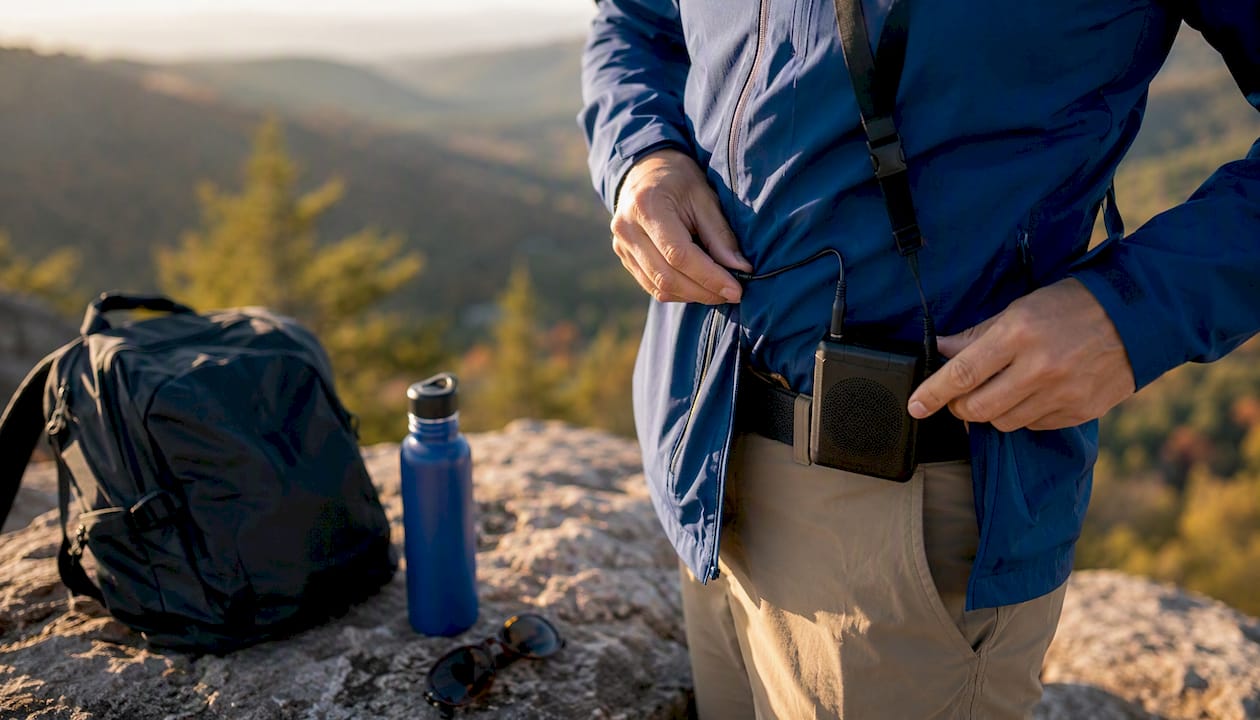
For a step-by-step companion to this checklist, the how to find the perfect tour guide resource covers the full vetting process in detail.
What affects the price and logistics of a guided tour?
Price is driven by a handful of factors that are easy to read once you know what to look for.
Primary price drivers:
- Exclusivity: Private tours cost more than group tours for the same route, sometimes two to three times as much.
- Guide expertise: Specialist guides (licensed historians, sommeliers, naturalists) command higher rates than generalists.
- Inclusions: Entry fees, transport, meals, and tastings add real cost. A tour priced at $120 with entry fees included may be cheaper than a $75 tour where you pay separately at every door.
- Seasonality: Peak travel periods push prices up. Off-peak dates often yield the same guide at a lower rate.
- Duration: Half-day tours are priced differently from full-day or multi-day experiences.
Most marketplace bookings process payment online, which gives you a receipt and a paper trail. Direct bookings with independent guides may use bank transfer or payment apps — always get written confirmation of what you paid for.
Cancellation norms: Expect a full refund window of 24–72 hours for most day tours. Multi-day tours often have stricter terms, sometimes requiring 7–14 days' notice for a full refund. Read the policy before you pay, not after.
Packing and preparation: Comfortable walking shoes matter more than most travelers expect. Check the tour's stated physical demand level — many listings rate this as easy, moderate, or strenuous. If accessibility is a concern, ask directly rather than assuming the listing covers every scenario.
Pro Tip: Booking two or more tours with the same operator often unlocks a discount, and off-peak morning slots are frequently cheaper than afternoon departures for the same experience.
The tour booking process guide covers what to expect from operators at each stage, from search to post-tour follow-up.
How are tour guides paid, and what should you tip?
Most guides earn through one of three arrangements: a day rate or hourly fee paid by the operator, a per-guest fee that scales with group size, or a commission split with the marketplace or agency that booked the tour.
Platforms typically charge operators a commission on each booking on each booking. That cost is usually baked into the retail price, which is why a direct booking with an independent guide sometimes looks cheaper — the guide keeps more of the fee and can price accordingly. The tradeoff is that direct bookings require more trust-building on your part, since you're bypassing the marketplace's review system and payment protections.
U.S. tipping customs by tour type:
- Walking tours (2–3 hours): $10–$20 per person is standard; more for exceptional guides
- Food tours: $15–$25 per person, given the guide's role in curating the experience
- Full-day or multi-day tours: $20–$50 per person per day, depending on the guide's effort and the group size
Tips go directly to the guide in most cases and represent a meaningful share of their income, especially on lower-priced group tours. If a listing says "gratuity included," verify whether that means the guide receives it or the operator does.
Distribution channel strategy matters for guides building sustainable businesses: marketplaces drive discovery, but direct channels preserve margin. As a traveler, understanding this helps you interpret pricing differences between a marketplace listing and a guide's own website.
Why verified credentials and reviews are worth your attention
The distinction between "tourist guide" and "tour guide" isn't just semantic. As the WFTGA explains, the "tourist guide" designation typically implies formal, area-specific qualifications recognized by local authorities. In countries with strict licensing regimes — France, Italy, and Egypt among them — working without that credential is illegal. In the U.S., licensing requirements vary by state and attraction type; some national parks and federal lands require permitted guides, while most city walking tours operate without formal licensing.
Wikipedia's overview of tour guide licensing confirms that many countries require area-specific certification and that international standards bodies like the WFTGA exist to set professional benchmarks. Where licensing exists, it's a reliable trust signal. Where it doesn't, reviews and professional association memberships carry more weight.
The trust signals that consistently predict a good experience:
- Verified reviews with specific, recent, detailed feedback
- Membership in a professional association (WFTGA, National Tour Association, or a regional body)
- A clear insurance or liability statement on the listing
- A sample itinerary with named stops and realistic timing
- Transparent cancellation terms stated before payment
Pro Tip: To validate a guide's credentials quickly, search their name alongside the city and "licensed guide" or their claimed association. Legitimate credentials usually appear on the association's public member directory.
Travelers who prioritize local knowledge and authentic experiences will find local experiences worth seeking out — guides rooted in their communities consistently deliver more than those who treat guiding as a side gig.
What cancellation and rescheduling policies should you expect?
Cancellation terms are one of the clearest signals of an operator's professionalism, and they vary more than most travelers realize.
For day tours, the industry standard is a full refund if you cancel 24–48 hours before the start time. Many operators extend that window to 72 hours during peak season. Cancellations inside that window typically result in a partial refund or a credit toward a future booking — rarely a full refund.
Multi-day tours carry stricter terms. A 7-day notice window for a full refund is common; some operators require 14–30 days for tours that involve pre-booked accommodation or transport. Always read the fine print on these before paying a deposit.
Rescheduling is often more flexible than cancellation. Most operators will move your booking to another date at no charge if you give enough notice, especially outside peak periods. Ask explicitly whether rescheduling is treated as a cancellation under the policy — some operators count it the same way.
Weather cancellations are handled differently by different operators. Reputable guides state their weather policy clearly: either a full refund, a reschedule, or an indoor alternative. If a listing says nothing about weather, ask before you book.
How do guides handle safety and emergencies on tour?
Safety on a guided tour is a shared responsibility, but the guide carries the operational weight of it. Professional guides typically hold current first-aid certification and know the emergency contact protocols for every site on their route. Before the tour starts, a good guide will brief the group on meeting-point procedures if someone gets separated, point out the nearest medical facility, and note any physical demands or hazards on the route.

For outdoor and adventure tours, safety preparation goes deeper. Guides operating in wilderness areas, on water, or at altitude are expected to carry emergency communication devices, know evacuation routes, and hold activity-specific certifications (wilderness first responder, swift-water rescue, or similar). Ask about these credentials directly for any tour that takes you off the beaten path.
Accessibility safety is a separate consideration. Guides who list accessibility accommodations should be able to describe exactly what that means: step-free routes, rest points, hearing loops, or visual description services. "Accessible" on a listing without specifics is worth questioning.
For travelers, the practical safety checklist before any tour:
- Share your itinerary and guide contact with someone not on the tour
- Carry your own water, medication, and emergency contact information
- Know the local emergency number (911 in the U.S.; varies internationally)
- Confirm the guide's emergency protocol at the start of the tour
The case for booking through a vetted marketplace
Most travelers who've had a bad guided tour experience share one thing in common: they booked based on price alone, without checking the policy or the reviews. The format of the booking matters less than the quality of the information available before you commit.
Marketplaces that surface verified reviews, clear cancellation terms, and detailed itineraries give you the information you need to make a good decision fast. Independent guides with strong direct-booking infrastructure — a real website, a Google Business Profile with recent reviews, and a clear contact process — can offer the same transparency without the platform layer.
What I'd push back on is the assumption that a lower-priced tour is a better deal. A $45 walking tour with no stated inclusions and a cash-only payment requirement carries real risk. A $90 tour with a named guide, a sample itinerary, verified reviews, and a 48-hour cancellation window is almost always the better value, even before you factor in what you actually learn on the day.
The Mediterranean hospitality and cultural interpretation lens is useful here: the best guides don't just deliver information, they create an experience of place. That's worth paying for, and it's worth vetting carefully before you hand over your money.
Im-at connects you to vetted guided tours worth booking
Finding a great guided tour used to mean hours of cross-referencing review sites, operator websites, and travel forums. Im-at cuts that down to minutes. The platform lets you search, compare, and book guided tours and experiences across destinations worldwide, with verified listings, clear inclusions, and secure payment built into every booking.
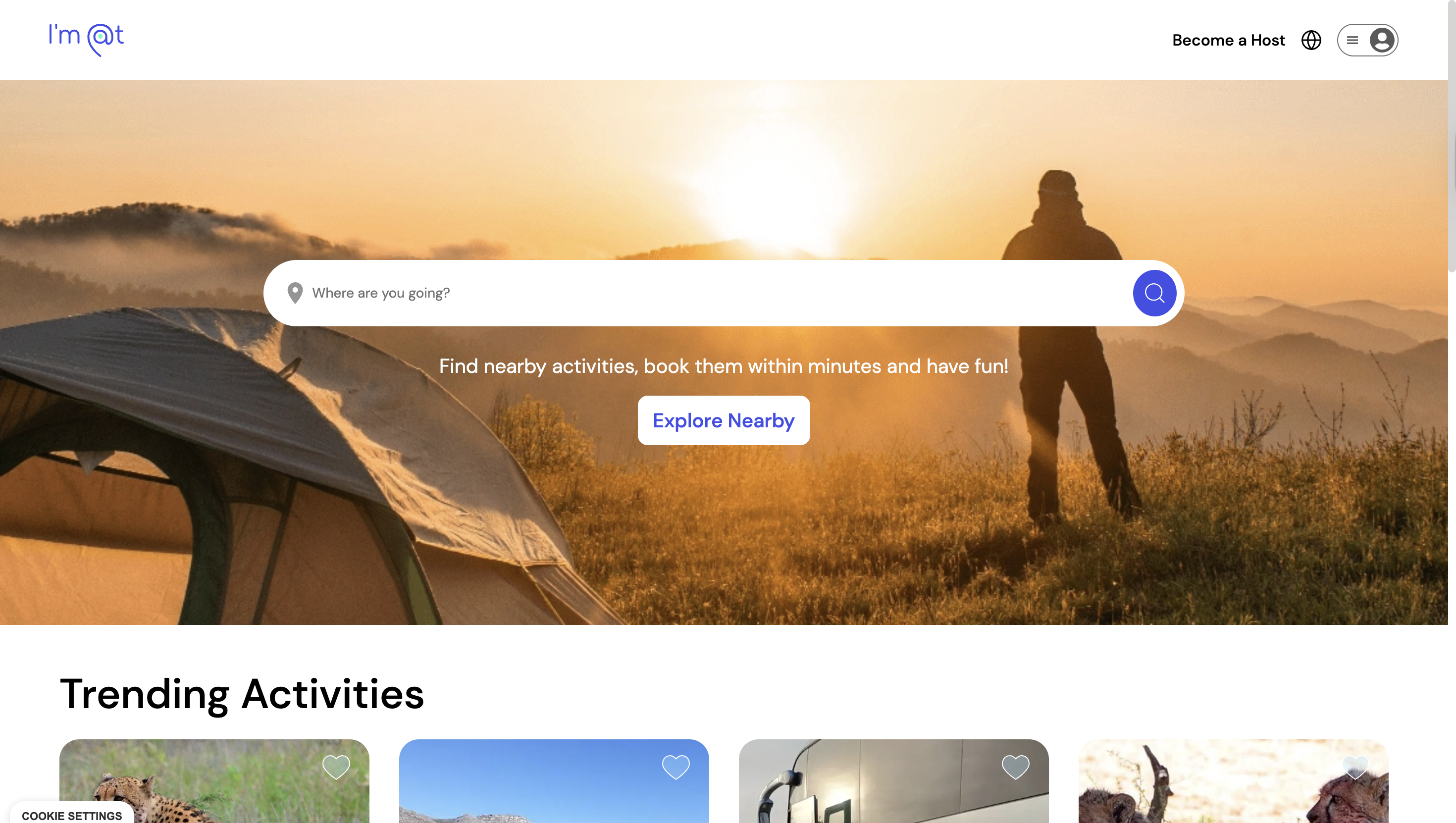
Whether you're looking for a single-day cultural experience like the Lesedi Cultural Village Day Tour, a multi-day adventure such as the Cape Town 3-Day Attraction, or something unexpected like The Unholy Secrets, Im-at's catalog covers the range. Every listing shows the details that matter: group size, duration, inclusions, cancellation terms, and guide credentials. Customer support is available if something goes wrong before or after your booking. Browse the full catalog at Im-at and book the experience that fits your trip.
Sources
- Tourist guide vs tour guide
- Tour and travel guides — U.S. Bureau of Labor Statistics
- Tour guide — Wikipedia
- How to Get More Bookings as an Independent Tour Guide Without Viator in 2026 — Monolit Blog
- Tour Guide SEO: Direct Bookings Without Platform Commission — Authority Specialist
- How to Get More Bookings for Your Tour Business (2026) | Kong
- How to Sell Your Guided Tours Online 2026 — Tourbiz