

TL;DR:
- An effective excursion booking process involves pre-planning with a draft itinerary, clear priorities, and knowledge of booking windows. Following a step-by-step workflow that includes building a shortlist, prioritizing tours, confirming availability, and scheduling reviews helps prevent missed bookings or conflicts. Scheduling full time blocks with buffers and reconfirming details two weeks before travel ensures smooth, enjoyable excursions without last-minute surprises.
A booking excursions workflow is the step-by-step process of researching, scheduling, and confirming excursion experiences so they fit your travel itinerary without conflicts or last-minute scrambles. Most travelers treat excursion planning as an afterthought, which is exactly why they end up locked out of the tours they wanted most. A structured approach to the excursion booking process changes that outcome entirely. It protects your time, secures your preferred experiences, and removes the guesswork from one of the most rewarding parts of any trip.
What does an effective booking excursions workflow require?
Every solid excursion booking process starts before you open a single booking page. The work you do upfront determines whether you spend your trip on the experiences you actually want or settling for whatever is still available.
The three non-negotiable prerequisites are a draft itinerary, a clear list of priorities, and an understanding of booking windows. Without a draft itinerary, you cannot evaluate whether two excursions conflict. Without priorities, you will waste time browsing instead of booking. Without knowledge of booking windows, you will miss the dates that matter most.
Tools that support the process:
- Itinerary planner or calendar app (Google Calendar, Notion, or a printed schedule): maps your travel days against available excursion slots
- Booking platform with real-time availability: shows confirmed open slots rather than estimated ones
- Email folder or notes app: stores confirmation numbers, cancellation policies, and operator contact details
- Calendar reminders: set alerts for final payment deadlines and cancellation cutoff dates
Understanding booking windows is critical. Cruise lines open booking windows between 4 and 18 months before sailing, with Royal Caribbean opening at 18 months and Norwegian at 4–12 months. That range is wider than most travelers expect. Missing the open window for a high-demand port can mean losing access to the only guided tour that fits your schedule.
Cancellation policies deserve the same attention as booking dates. Operators vary widely: some offer full refunds up to 48 hours before departure, while others lock in payment the moment you confirm. Read the policy before you pay, not after.
Pro Tip: Set a calendar reminder for the exact date your cruise line or tour operator opens its booking window. Logging in on day one gives you the widest selection before popular slots fill.
A booking platform also needs to cover more than just payment processing. Booking engines handle sales but lack the operational functions needed for guide assignment and resource scheduling. For travelers, this means checking that your confirmation includes specific guide details, meeting points, and equipment notes, not just a receipt.
How do you execute the excursion booking process step by step?
A repeatable sequence removes the anxiety from organizing excursion bookings. Follow these steps in order, and you will rarely miss a slot or double-book a time block.
-
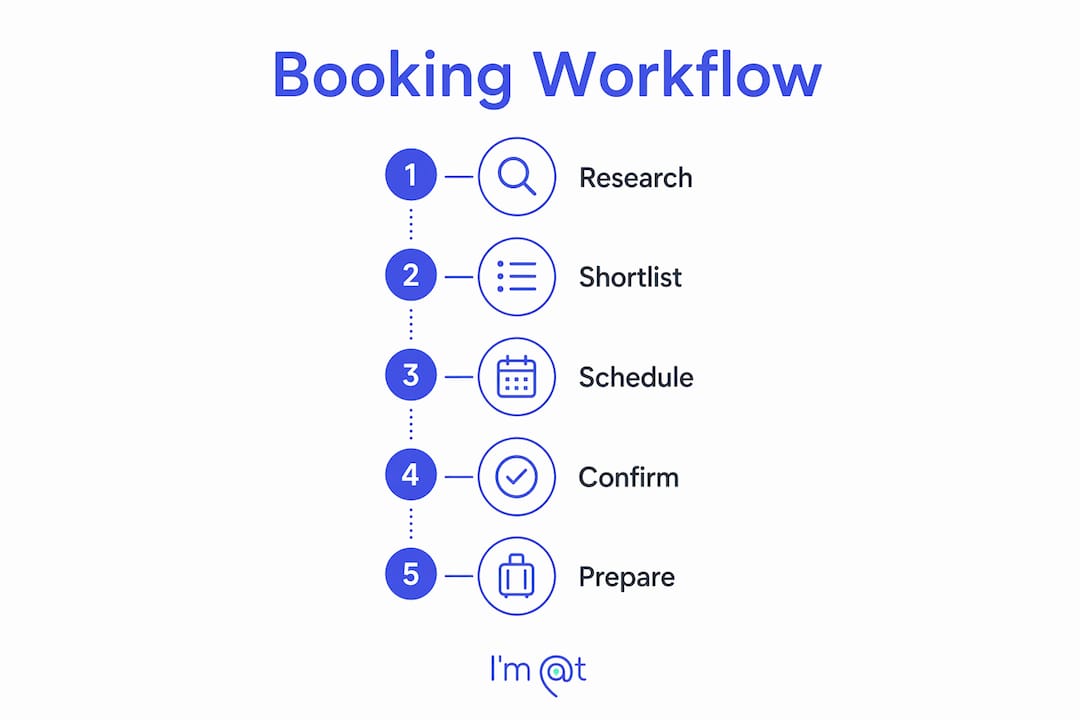
Build your shortlist. List every excursion that interests you for each destination. Include the activity type, duration, and physical requirements. Aim for two to three options per destination so you have a backup if your first choice sells out.
-
Rank by priority. Separate must-do experiences from flexible ones. Book must-have tours first before filling in optional activities. This prevents the common mistake of booking a flexible afternoon tour and then finding your top-priority morning experience is sold out.
-
Check the booking window. For standard destinations, book 60–90 days in advance. For high-demand experiences like Antarctic expeditions, whale watching in peak season, or popular safari routes, aim for 4–6 months out.
-
Confirm availability and details. Before paying, verify the exact start time, meeting point, group size, and what is included. A tour listed as "full day" can mean anywhere from 5 to 10 hours depending on the operator.
-
Complete payment and save confirmation. Store your confirmation number, the operator's contact information, and the cancellation deadline in one place. A dedicated email folder or notes file works well.
-
Schedule a review date. Set a reminder two weeks before each excursion to reconfirm the booking, check for operator updates, and verify that your travel schedule has not shifted.
A typical booking workflow includes reviewing reservation details, assigning guides, sending confirmation emails, and scheduling review requests. Each step has a time cost. Travelers who skip the review step often arrive at a meeting point to find the operator has changed the departure time.
| Step | Action | Timing |
|---|---|---|
| Build shortlist | List excursions by destination and interest | 6+ months before travel |
| Rank priorities | Separate must-do from flexible options | Same session as shortlist |
| Book must-haves | Confirm and pay for top-priority tours | 4–6 months out for high-demand |
| Book flexible options | Fill remaining slots after priorities are secured | 60–90 days out |
| Review and reconfirm | Check details and operator updates | 2 weeks before each excursion |

The table above treats each step as a separate task with its own deadline. That separation is what makes the process repeatable across multiple destinations on the same trip.
How to schedule excursions efficiently to avoid conflicts
Scheduling is where most travelers make their biggest mistakes. The problem is treating excursions as single time points rather than full time blocks. Effective scheduling requires accounting for start times, end times, turnaround periods, and travel between locations, not just the listed start time.
A practical example: a morning snorkeling tour listed as starting at 9:00 AM and ending at 12:00 PM still requires travel back to port, a shower, and lunch before you are ready for a 2:00 PM city walking tour. That 2-hour gap looks comfortable on paper. In practice, it is tight if the boat returns late or the port is crowded.
Scheduling rules that prevent conflicts:
- Add a 90-minute buffer between any two excursions on the same day. This covers transport delays, equipment returns, and basic recovery time.
- Limit yourself to one full-day excursion per day. Back-to-back full-day tours across consecutive days lead to fatigue that ruins the second experience.
- Check guide and equipment availability separately. A booking system with resource management assigns guides and equipment automatically, preventing double-booking. If you are booking through a platform without this feature, call the operator directly to confirm.
- Account for port or location logistics. If you are on a cruise, factor in tender boat times and port security lines. These can add 30–60 minutes to any excursion start.
- Build a rest day into multi-day itineraries. One unscheduled day per week of travel gives you room to recover or reschedule if something falls through.
Pro Tip: When scheduling two excursions on the same day, map the physical route between them. Two tours in opposite directions from your hotel or port can double your transit time and turn a manageable schedule into a stressful one.
Managing time blocks that include preparation and turnaround times leads to more reliable scheduling and a better experience overall. Travelers who think in blocks rather than start times rarely find themselves running between locations.
For resort-based trips, check how your accommodation handles excursion start times and turnarounds. Some resorts coordinate pickups and returns directly, which removes a layer of scheduling complexity.
What common mistakes should you avoid in the excursion booking process?
The most expensive mistakes in organizing excursion bookings are not financial. They are the experiences you miss because of poor timing or skipped steps.
- Booking too late. Waiting until you arrive at a destination to book excursions is the single fastest way to lose access to the best options. Popular tours sell out weeks or months in advance.
- Ignoring cancellation policies. A non-refundable booking on a tour that conflicts with a flight change costs you twice: once in money, once in stress.
- Overbooking consecutive days. Three full-day excursions in a row sounds productive. By day two, most travelers are too tired to enjoy the experience they paid for.
- Skipping the reconfirmation step. Operators change departure times, meeting points, and even cancellation status. A quick email or call two weeks out catches these changes before they become problems.
- Not verifying guide or equipment availability. A booking confirmation from a platform does not always guarantee that a specific guide or piece of equipment is reserved. Confirm the operational details directly with the operator.
"The biggest risk in excursion planning is not that you will book the wrong tour. It is that you will book the right tour at the wrong time, with no buffer, and no backup plan. A 15-minute check of your full-day schedule before you confirm any booking prevents most of the problems travelers complain about after the fact."
Travelers who use digital reservation tools that connect sales booking with operational platforms catch conflicts before they happen. The gap between a booking engine and an operations platform is where most scheduling errors live.
Operators using automated systems reduce daily operational communication by 50–66%, saving up to 30–60 minutes per day. That efficiency benefit flows to travelers too, in the form of faster confirmations and fewer last-minute changes.
Key Takeaways
A structured booking excursions workflow, built around priority ranking, advance booking windows, and full time-block scheduling, is the most reliable way to secure the experiences you want without conflicts or wasted days.
| Point | Details |
|---|---|
| Book high-demand tours early | Reserve must-have excursions 4–6 months out; standard tours at 60–90 days. |
| Prioritize before you pay | Rank must-do experiences first so popular slots go to your top choices. |
| Schedule in time blocks | Add 90-minute buffers between excursions to cover delays and transit. |
| Reconfirm two weeks out | Check operator updates and verify guide and equipment details before departure. |
| Read cancellation policies first | Know the refund window before paying to avoid losing money on plan changes. |
Why I stopped winging excursion planning (and what changed)
For years, I treated excursion booking as something to figure out once I landed. I told myself it kept things flexible. What it actually kept was a pattern of arriving at tour offices to find the best options sold out, or cramming two full-day experiences into back-to-back days and being too exhausted to enjoy either one.
The shift happened when I started treating excursion planning the same way I treat flight booking: with a fixed process, a priority list, and hard deadlines. The first trip I planned that way, I secured a sunrise safari, a guided cultural tour, and a half-day hike, all on the days I wanted, with enough breathing room between them to actually recover.
The counterintuitive part is that a structured process gives you more flexibility, not less. When your must-have tours are locked in early, you can afford to leave the rest of the schedule loose. You are not scrambling to fill gaps. You are choosing how to fill them.
My advice: treat the tour booking process as a pre-trip project with its own checklist and deadlines, not a task you handle on arrival. Use smart activity planning tips to build your shortlist before you open a single booking page. And always, always add buffer time between excursions. The 90 minutes you leave open will save the day more often than any backup plan.
— Mikahil
How Im-at makes your next excursion easier to plan
Im-at is built for travelers who want to find and book experiences without spending hours across multiple sites. The platform covers guided tours, cultural day trips, outdoor adventures, and multi-day packages, all searchable by location and activity type.

Whether you are looking for a Cape Town 3-day package covering townships, the Cape Peninsula, and wine tasting, or a focused adventure like hiking Table Mountain, Im-at lists the details you need to book with confidence: duration, meeting points, inclusions, and availability. The catalog also includes unique experiences like The Unholy Secrets for travelers who want something off the standard tourist path. Browse by destination, compare your options, and confirm your booking in one place.
FAQ
How far in advance should I book excursions?
Book standard excursions 60–90 days before your travel date. For high-demand experiences, book 4–6 months out to secure availability.
What is the difference between a booking engine and an excursion reservation system?
A booking engine handles payments and availability. An excursion reservation system also manages guide assignment, equipment allocation, and post-booking scheduling tasks.
How do I avoid scheduling conflicts between excursions?
Schedule in full time blocks rather than just start times. Add at least 90 minutes between any two excursions on the same day to account for transit and delays.
What should I do if my plans change after booking?
Check the cancellation policy immediately and contact the operator directly. Most operators allow changes or refunds within a set window, but that window closes fast.
How do I choose which excursions to book first?
Rank every excursion by how much it matters to you and how quickly it sells out. Book your top-priority, high-demand tours first, then fill in flexible options around them.