
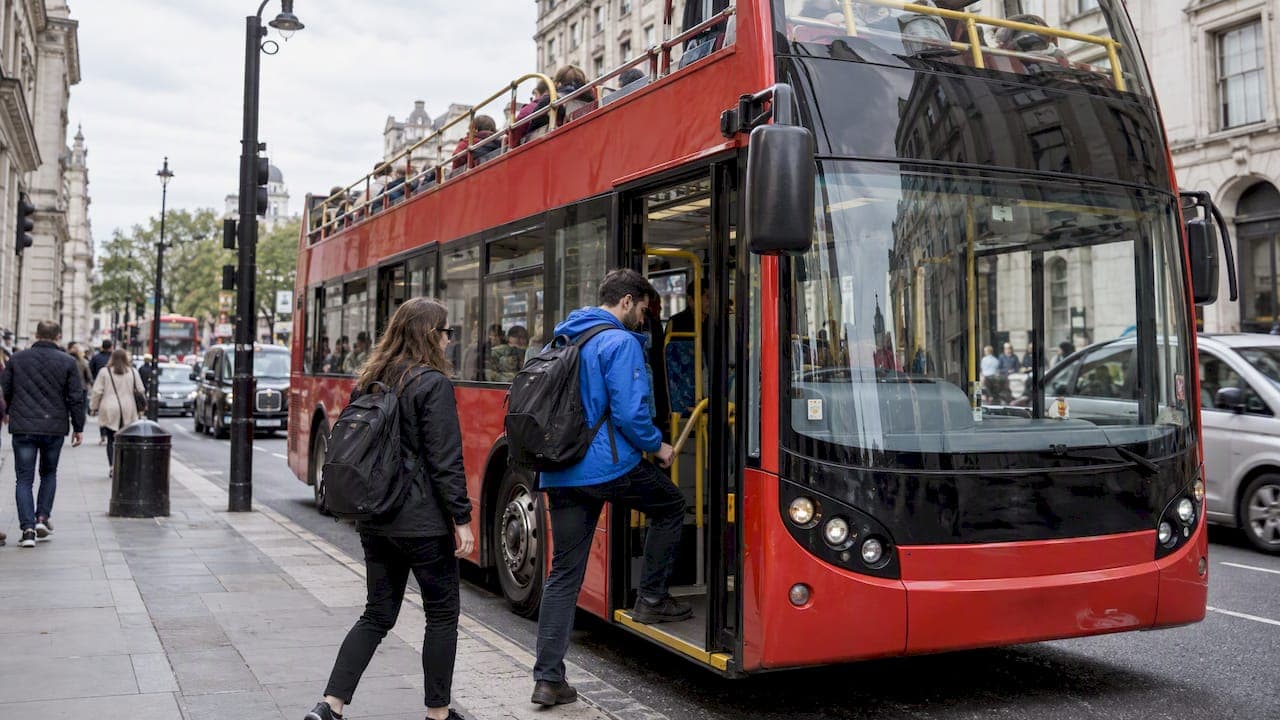
Hop on hop off buses are the fastest, lowest-effort way to cover a city's major sights in a day or two: pick a loop, buy a 24, 48, or 72-hour pass with an instant mobile voucher, and start riding. Most networks offer combo deals that bundle bus access with attraction entry, so comparing pass durations before you book saves both time and money once you land.
TL;DR:
- A pass lasting 24 hours usually starts when you first use it, not when you buy it or at midnight; confirm the activation rules.
- Map the busiest hub and check loop coverage; tickets do not cover another company's route, and buses may run less often outside peak hours.
- Longer passes can cost less per day than buying separate days; choose a combo only for attractions you already plan to visit.
- Board the first or second morning bus to avoid longer lines, then schedule indoor attractions for midday when the loop is busiest.
Table of Contents
- How Hop On Hop Off Bus Tours Work
- Routes, Stops, and What Attractions They Serve
- Ticket Types, Pricing Patterns, and What to Check Before Booking
- How to Choose the Best Pass for Your Trip
- Tips to Make the Most of a Hop On Hop Off Day
- Why Book Through Im-at for Hop On Hop Off Passes
- A Planner's Take on Running a Hop On Hop Off Day
- Book Your Hop On Hop Off Pass and Nearby Experiences
- FAQ
- Sources
How Hop On Hop Off Bus Tours Work
Every network runs on a fixed loop with numbered stops, so you board, get off wherever you like, and reboard a later bus on the same ticket without paying again. Your pass stays valid for its full duration no matter how many times you hop off, as long as you stay within the loop and the time window.
Commentary comes either live from a guide or recorded through onboard headphones, often in several languages. Buses on popular loops tend to run every 10 to 30 minutes depending on the city and season, though frequency drops outside peak hours.
- Expect a printed or digital route map at boarding, often paired with a mobile app showing live bus tracking.
- Reboarding is unlimited within your pass window, but you cannot switch to a different company's loop on the same ticket.
- Some operators publish real-time arrival estimates so you are not guessing at the next stop.
Routes, Stops, and What Attractions They Serve
A route map usually shows one or two main hubs where multiple loops intersect, plus smaller stops near single attractions. Reading the map before you ride helps you figure out which stop sits closest to each place on your list, rather than guessing and backtracking later.
Most networks are built around a mix of landmarks: historic districts, waterfronts, major museums, and central squares. In Washington, DC, for example, Big Bus Tours runs open-top buses past the National Mall with live commentary and offers one to three-day pass options, a pattern repeated by similar operators in cities worldwide.
- Start at the hub with the most frequent service so you are never waiting long for the next bus.
- Group nearby stops together in your plan to avoid doubling back across the loop.
- Check whether the network runs more than one loop and whether a single pass covers both, since some cities split downtown and waterfront routes separately.
Ticket Types, Pricing Patterns, and What to Check Before Booking
Pass options generally fall into a few tiers, and knowing what each one actually buys you matters more than the sticker price.
- A single-loop ticket covers one full circuit with no reboarding, suited to travelers with very limited time.
- A 24-hour pass is the most common choice and typically means 24 hours from first use, not from purchase or from midnight.
- 48 and 72-hour passes suit travelers spreading sightseeing across several days, often at a lower per-day cost than buying single days separately.
- Combo tickets bundle bus access with attraction entry, a river cruise, or a walking tour, which can be worth it if you were planning to book those attractions anyway.
Booking mechanics matter just as much as the pass length. Most platforms issue an instant e-ticket or mobile voucher you can activate on arrival, which beats queuing at a kiosk on a day you'd rather spend sightseeing. Before you pay, confirm the cancellation window, whether activation starts at purchase or first use, and whether operating hours shrink in the off-season.
How to Choose the Best Pass for Your Trip
Matching the pass to your actual schedule is the single biggest factor in getting good value. A half-day pass makes sense if you are stopping in a city for a few hours; a 48 or 72-hour pass pays off if you are splitting museum days with bus days.
- Confirm the route covers your must-see sites and connects reasonably to public transit for anything it misses.
- Check bus frequency on the loop you'll use most, since a 40-minute wait can eat into a short pass fast.
- Look for cancellation terms, available commentary languages, and any accessibility accommodations before booking.
- Weigh combo deals against buying attraction tickets separately, since bundled pricing sometimes beats booking each piece on its own.
Pro Tip: Book your pass the night before and activate it the moment you board your first bus, so you are not burning pass hours while still eating breakfast.
Before you commit, ask yourself a few quick questions: when does the clock start on activation, what's the refund policy if plans change, where exactly is the first boarding point, and does the voucher work straight from your phone without printing.
Tips to Make the Most of a Hop On Hop Off Day
Riding early beats riding at midday almost every time. Boarding the first or second bus of the morning means shorter lines at popular stops and a better shot at open seating up top.
Seats on the open-top deck near the front tend to give the clearest views and the smoothest ride, which also helps travelers prone to motion sickness; arriving a few minutes before your intended stop time helps you snag one. Front-row seating also reduces motion sickness on longer bus rides, a detail worth remembering if your loop runs over an hour.
- Save your combo ticket attractions for midday, when the bus loop itself is busiest and lines indoors tend to be shorter.
- Carry water and sun protection since open-top decks offer little shade, and light, hydrating meals help maintain energy through a full day of sightseeing.
- Pack a light layer, since open-top seating gets cooler once the bus is moving even on warm days.
- Travelers with mobility needs should confirm wheelchair access or ramp availability at the specific stop they plan to board.
Why Book Through Im-at for Hop On Hop Off Passes
Travelers can compare pass durations, combo options, and nearby experiences in one place instead of checking several operator sites separately. Listings come with instant confirmation and a mobile voucher, allowing you to activate your pass upon arrival without waiting in a ticket line.
- Clear cancellation windows are shown upfront, so options are known before payment.
- Support is available if a voucher or activation question arises mid-trip.
- Our guide to city excursion types explains how bus loops stack up against walking tours and private guides.
- Our post on how transport shapes a tour covers planning details that apply directly to bus-day logistics.
Check listings for city-specific route coverage before booking, since maps and stop counts vary by network and season.
A Planner's Take on Running a Hop On Hop Off Day

I once planned a full day around a single pass, assuming I'd hit five stops by lunch. I hit two, because I hadn't checked which hub had the most frequent service, and I waited nearly 40 minutes for a connecting bus.
The lesson stuck: check frequency before you plan stops, not after. If you want the flexible, low-effort sightseeing day the pass promises, book through Im-at and build your stop order around the busiest hub first.
— Mikahil
Book Your Hop On Hop Off Pass and Nearby Experiences
We make comparing and booking sightseeing passes simple: search by city, check route coverage and combo options, and get an instant mobile voucher without any back-and-forth. No printing, no kiosk lines, just a voucher on your phone the moment you book.

- Start on our landing page to search tours, passes, and combo listings by city.
- Browse example listings like our private walking tour in Utrecht to see how the booking and voucher flow works before you commit.
- Pair your bus pass with a local experience, such as a private tour in Pula with a local history teacher, to round out your day.
Check availability for your destination and lock in your pass before your trip dates fill up.
FAQ
How does a hop-on hop-off bus pass actually work?
You buy a pass for a set number of hours, board at any stop on the route, and get off wherever you like. Reboarding later on the same loop costs nothing extra as long as your pass is still valid.
What does "hop on hop off" actually mean?
It describes a bus service that lets you board and exit at any designated stop on its route without buying a new ticket each time. The pass covers unlimited reboarding within its set time window, not unlimited travel forever.
What should I plan for on a long multi-stop sightseeing day?
Pace stops by priority, save indoor attractions for the bus's busiest midday hours, and carry water, sun protection, and a light layer for open-top seating. Booking a 48 or 72-hour pass through operators like Big Bus Tours gives you room to split sightseeing across more than one day without rebuying tickets.
How do I find a route map for a specific city's bus tour?
Operator and booking listing pages publish current route maps and stop lists, which is the most reliable source since routes can shift seasonally. Check the specific listing for your city before boarding to confirm stop names and hub locations match what you planned around.