

TL;DR:
- Transport plays a vital role in tour satisfaction by affecting accessibility, comfort, and how much travelers can explore. Choosing the right modes and ensuring good service, engagement, and connectivity improve both experience and destination appeal. Planning transport early and integrating it with attractions enhances trips, making travel itself an enjoyable part of the journey.
Transport is the single most decisive factor in whether a tour delivers on its promise or falls short of expectations. The role of transport in tour experience extends far beyond moving you from point A to point B. It determines how comfortably you reach attractions, how much time you spend waiting versus exploring, and how deeply you connect with a destination. Research confirms that transport accessibility significantly improves tourist satisfaction and destination competitiveness. Getting this right is the difference between a trip you remember fondly and one you spend recovering from.
How does the role of transport in tour experience affect satisfaction?
Transport accessibility is a core pillar of tourism, sitting alongside attractions and accommodation as a foundation of any successful trip. A study of 200 tourists found that transport and public facilities explain a substantial share of the variance in overall tourist experience. That finding means your satisfaction with a destination is shaped as much by how you get around as by what you see when you arrive.
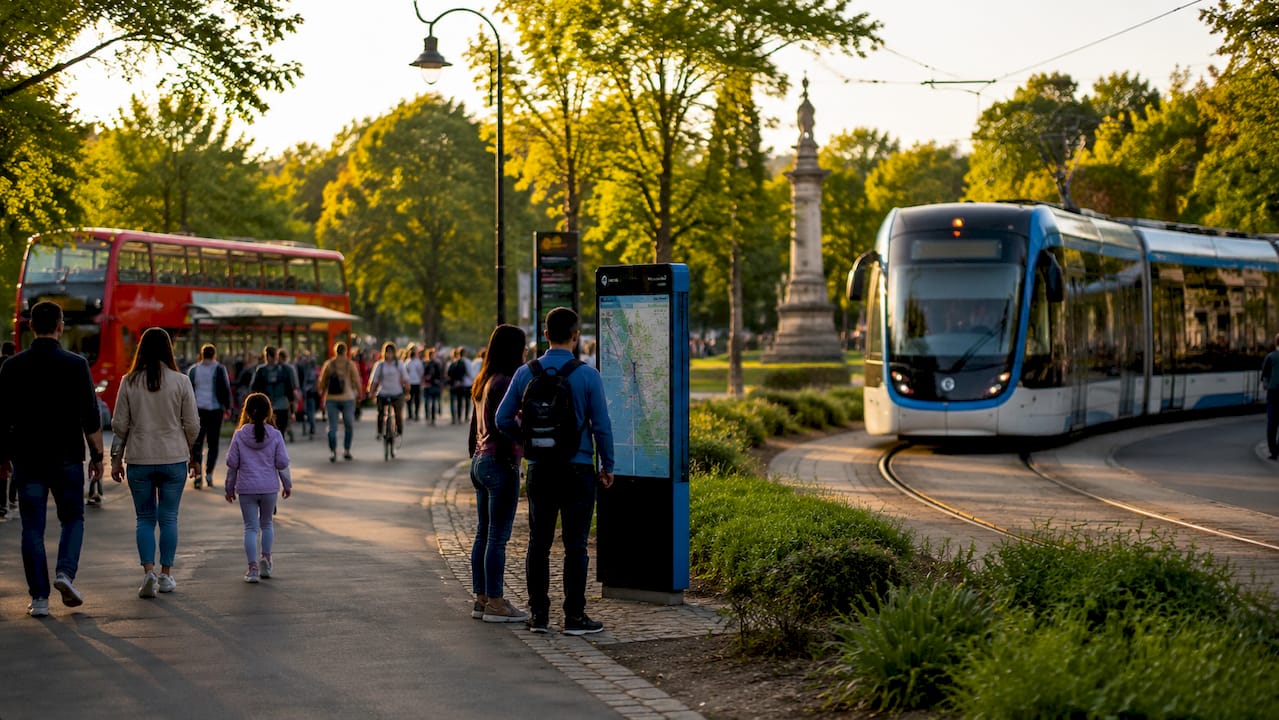
Public facilities tied to transport compound this effect. Clear signage, clean restrooms near transit hubs, reliable parking, and visible safety measures all reduce traveler stress. When those elements are missing, even a world-class attraction loses its appeal because the friction of getting there overshadows the reward.
Integrated transport systems push this further. Destinations that connect airports, rail stations, bus networks, and walking paths into one coherent system give travelers confidence. That confidence translates directly into longer stays, higher spending, and stronger word-of-mouth recommendations.
Pro Tip: Before booking accommodation, check whether your hotel sits within walking distance of a metro station or a major bus stop. Proximity to reliable transit cuts daily friction and gives you more time at the places that matter.
| Transport factor | Effect on tourist experience |
|---|---|
| Ease of access to attractions | Reduces travel stress and increases time spent exploring |
| Availability of transport options | Expands the range of accessible sights and activities |
| Quality of public facilities at transit points | Improves comfort and reduces decision fatigue |
| Safety and signage at stops | Builds traveler confidence and reduces anxiety |
| Connectivity between transport modes | Enables flexible, efficient itinerary planning |
What are the best transport options for sightseeing?
The impact of transport on travel depends heavily on which mode you choose and when. Each option carries real trade-offs that shape your day.
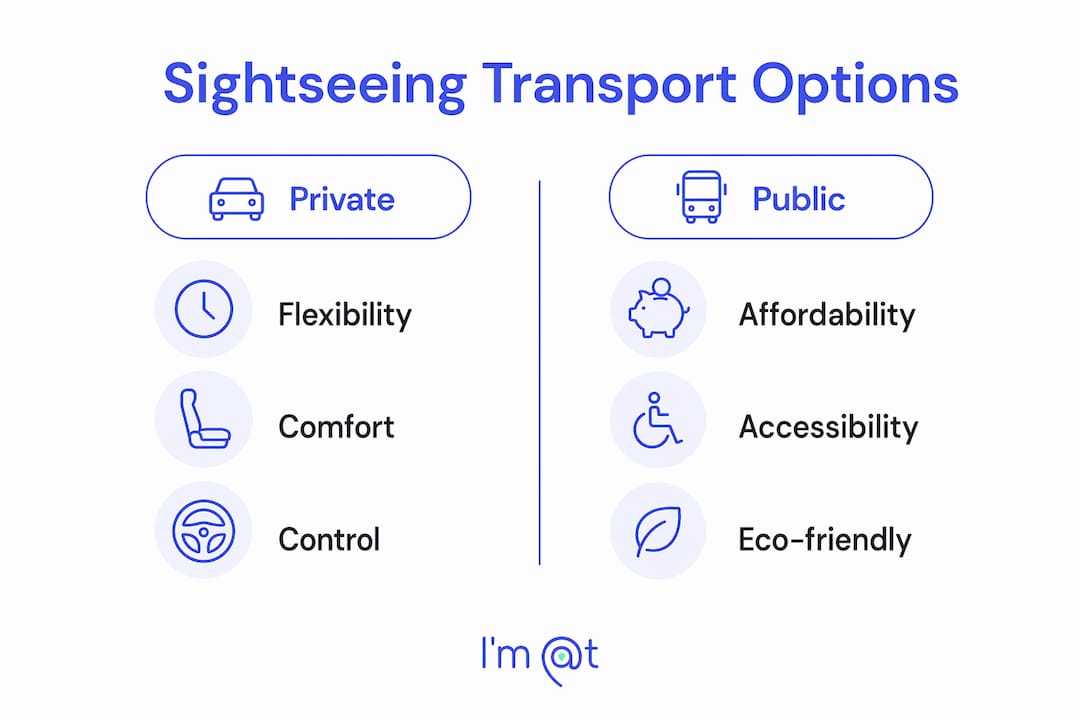
Private vehicles
Private cars and rental vehicles give you maximum flexibility. You set the schedule, choose the route, and stop wherever you want. The downside is parking costs, traffic stress in city centers, and the cognitive load of navigating unfamiliar roads. Private vehicles work best for rural destinations or multi-stop road trips where public transit is sparse.
Trains and long-distance buses
Trains deliver speed, comfort, and scenery in one package. Intercity rail in Europe and Japan, for example, connects major destinations with precision timing and minimal hassle. Long-distance buses cost less but take longer. Both options free you from driving, letting you read, rest, or watch the landscape pass.
Hop-on hop-off buses
Hop-on hop-off buses occupy a unique space between transport and guided tour. A 24-hour ticket typically costs $35–$45 in major cities and includes multilingual audio commentary at each stop. That combination of mobility and information makes them ideal for first-time visitors who want orientation alongside access. The trade-off is fixed routes and slower speeds compared to metro systems.
Public transit
City metros, trams, and local buses offer speed and affordability. The challenge is that public transport can feel confusing for travelers unfamiliar with local routes, fare systems, or language. Apps like Google Maps reduce that barrier significantly, but the learning curve still exists on day one.
Water transport
Ferries and river boats add a dimension that no road vehicle can match. Crossing Sydney Harbour by ferry or taking a vaporetto in Venice turns transit into an attraction. Water transport is slower but delivers views and experiences that justify the time.
Experienced travelers often combine transport modes for the best results. A hop-on hop-off bus on day one provides orientation. Public transit handles efficient movement on subsequent days. A private vehicle or guided tour fills gaps where neither option reaches. You can also consider sustainable transport options like bikes and eBikes, which reduce your environmental footprint while keeping you close to the street-level experience of a destination.
Why do driver behavior and service quality matter so much?
The vehicle type is only part of the story. Intangible service elements outweigh mere vehicle design for lasting positive impressions. An analysis of 457 Google Reviews linked operational certainty, including clear queuing rules and reliable information, to satisfaction more directly than the physical quality of the transport itself.
A driver who greets you warmly, answers questions about local spots, and handles luggage carefully creates a memory. A driver who ignores passengers and runs late creates frustration that colors the entire day. Driver courtesy and warmth are recognized industry-wide as key outputs of effective transport management, not soft extras.
Accurate information matters just as much. When a bus schedule says 9:00 AM and the bus arrives at 9:00 AM, you trust the system. When it arrives at 9:25 AM with no explanation, you spend the next hour second-guessing every other connection in your itinerary. Operational certainty prevents that cascade of doubt, especially during peak travel periods when delays compound quickly.
Social and cognitive engagement during transit adds another layer. Guide commentary on tourist buses significantly boosts satisfaction more than sensory or physical comfort factors alone. Studies from Jakarta and Hainan identify "thinking" and "social interaction" as the primary satisfaction drivers during transport. That finding reframes the guided tour bus from a convenience into an experience in its own right.
Pro Tip: When booking a guided tour, ask specifically whether the guide rides with the group or meets you at each stop. A guide who travels with you transforms transit time into learning time, which is time you would otherwise spend staring at your phone.
How to plan transport that actually improves your trip
Choosing the right transport is a planning decision, not an afterthought. These steps give you a practical framework.
-
Map your attractions first. List every site you want to visit and check which transport routes connect them. Attractions clustered along a single metro line or bus corridor are far easier to visit efficiently than those scattered across a city.
-
Check transit connectivity to your accommodation. Your hotel or rental should sit within a short walk or one direct ride from a major transit hub. If it does not, factor in the extra time and cost of daily transfers. Booking activities online through platforms that show transport links alongside activity listings saves significant planning time.
-
Build buffer time into every leg. Rushing between transport connections is the fastest way to turn a good trip into a stressful one. Add 20–30 minutes of buffer at each transfer point, especially in unfamiliar cities.
-
Evaluate the trade-off between cost and experience. Public transit costs a fraction of a private transfer but delivers none of the commentary or comfort. A guided tour with professional transport costs more but often includes private guide expertise that enriches every stop. Decide which currency matters more to you on each day of your trip.
-
Prioritize transport that adds value beyond movement. A scenic train route, a hop-on hop-off bus with audio commentary, or a guided safari vehicle all do more than carry you from place to place. They make the journey itself worth having.
-
Check peak-period schedules in advance. Public transport in tourist-heavy cities runs differently on weekends, public holidays, and during local events. Confirming schedules the night before prevents morning surprises.
Key Takeaways
Transport quality, accessibility, and service elements collectively determine the depth and satisfaction of any leisure tour experience.
| Point | Details |
|---|---|
| Accessibility drives satisfaction | Transport ease and connectivity directly improve tourist satisfaction and destination competitiveness. |
| Mode choice shapes the day | Combining hop-on hop-off buses, public transit, and private options gives you flexibility and depth. |
| Service quality beats vehicle type | Driver warmth, accurate schedules, and clear information matter more than the vehicle itself. |
| Engagement during transit adds value | Guide commentary and social interaction during transport significantly boost overall trip satisfaction. |
| Planning transport early pays off | Mapping attractions to transit routes and building buffer time prevents stress and maximizes exploration. |
Transport is the part of travel most travelers underestimate
I have planned and taken enough trips to know that travelers obsess over hotels and restaurants but treat transport as a checkbox. Book a flight, figure out the rest later. That approach costs you more than money. It costs you time, energy, and the kind of calm that lets you actually enjoy where you are.
The trips I remember most clearly are the ones where transport was thoughtfully chosen. A train through the Swiss Alps where the window was the attraction. A guided safari vehicle where the driver knew every animal by behavior, not just species. A hop-on hop-off bus in Lisbon that gave me the city's geography in two hours before I ever walked a street on my own. In each case, the transport was not a means to an end. It was part of the experience.
What I have learned is that the human element is everything. A knowledgeable, engaged guide or driver changes the quality of your attention. You notice more. You ask better questions. You leave with stories instead of just photos. The role of tour guides in transport-linked experiences is not decorative. It is structural.
My honest advice: spend as much time choosing your transport as you spend choosing your accommodation. The hotel is where you sleep. Transport is where your trip actually happens.
— Mikahil
Well-planned tours with transport built in
The best tours handle transport so well that you stop thinking about it entirely. Im-at connects travelers with curated experiences where professional transport is part of the package, not a last-minute add-on.
Take the Mother City Cape Town 3-Day Attraction, which integrates township visits, Cape Peninsula scenery, and wine tasting with transport designed to keep you comfortable and on schedule across all three days. For something more theatrical, The Unholy Secrets delivers a fully guided experience where every logistical detail, including how you get there and back, is handled for you. Im-at makes finding and booking these experiences fast, so you spend your time traveling, not planning.
FAQ
What is the role of transport in tour experience?
Transport determines how easily travelers access attractions, how comfortable they feel between stops, and how much time they spend exploring versus waiting. It is a core pillar of tourism satisfaction alongside accommodation and attractions.
How does transport accessibility affect tourist satisfaction?
Transport accessibility has a statistically significant positive effect on tourist satisfaction. Ease of access, reliable availability, and strong connectivity between modes all contribute directly to how positively travelers rate a destination.
Are hop-on hop-off buses worth the cost for sightseeing?
A 24-hour hop-on hop-off ticket costs $35–$45 in most major cities and includes audio commentary at each stop. They are worth the cost for first-time visitors who want orientation and flexibility without the stress of navigating public transit from day one.
Why does driver behavior matter in tourist transport?
Intangible service elements like driver warmth, luggage handling, and accurate information outweigh vehicle quality in shaping lasting positive impressions. Friendly, knowledgeable drivers increase satisfaction and encourage repeat visits.
How can I choose the best transport for my itinerary?
Map your attractions first, then identify which transport modes connect them most efficiently. Build buffer time at every transfer point, and prioritize options that add value through commentary, comfort, or scenic routing rather than speed alone.