
TL;DR:
- Experiential travel emphasizes active participation, cultural immersion, and personalized experiences in 2026.
- Travelers prefer hands-on activities like skill workshops, storytelling, and local food tasting over passive sightseeing.
Experiential travel is defined as tourism centered on active participation rather than passive observation, and it is the dominant force shaping how people plan trips in 2026. Research shows 80% of global travelers believe hands-on local activities deepen cultural appreciation. That figure signals a fundamental shift: travelers no longer want to simply see a place. They want to cook in its kitchens, run its trails, and learn its crafts. Millennials and Gen Z are leading this charge, with 89% prioritizing local food tasting as a core part of their trips. Platforms like Im-at are built precisely for this moment, connecting travelers with guided tours, cultural experiences, and outdoor adventures that match these immersive travel priorities.
What are the top experiential travel trends shaping 2026?
The leading trends in experiential travel for 2026 share one common thread: they replace spectating with doing. Each trend below reflects real shifts in traveler behavior, backed by search data and industry reports.
1. Sight-doing: skills over sightseeing
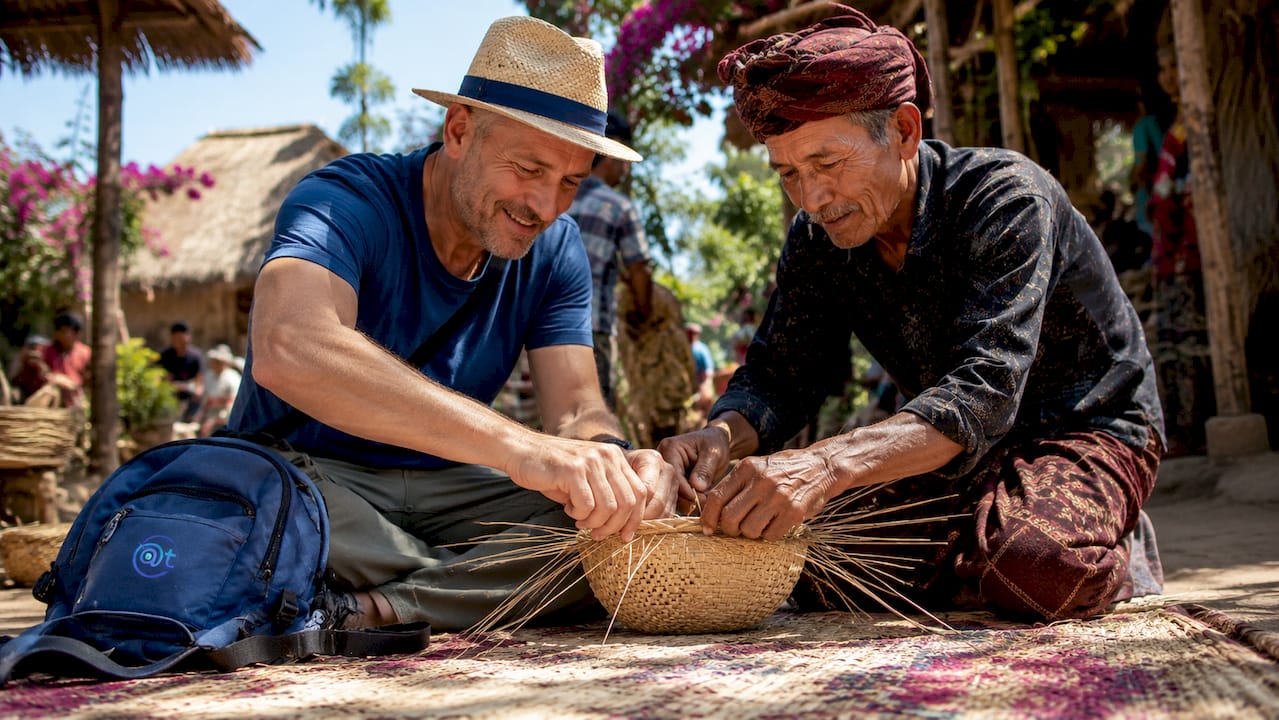
Sight-doing is the practice of learning a local skill rather than simply visiting a landmark. 70% of travelers now prefer booking workshops or skill-based activities that let them leave with something tangible. That preference has reshaped tour catalogs worldwide, pushing cooking classes, pottery workshops, and weaving lessons to the front of activity listings. The shift from sightseeing to skill acquisition represents one of the most significant reorientations in modern travel culture.
Pro Tip: Book sight-doing activities within the first 48 hours of your trip. Skills learned early give you context for everything else you experience at the destination.
2. Lore chasing: spontaneous storytelling experiences
Lore chasing describes the pursuit of once-in-a-lifetime encounters and local storytelling moments that cannot be scheduled in advance. Think stumbling into a village festival, joining a fisherman at dawn, or hearing an elder recount regional history in real time. These unscripted moments are what travelers increasingly describe as the highlight of their trips. The trend reflects a growing fatigue with over-curated itineraries and a desire for genuine human connection. Im-at's immersive cultural experiences catalog is built to surface exactly these kinds of opportunities.
3. Snackpacking: local food as the main event
Snackpacking treats local street food and regional snacks as a primary travel motivation rather than a side activity. Research confirms 69% of travelers actively seek out street food experiences when visiting a new destination. That number reflects a broader truth: food is now a lens through which travelers understand culture, history, and community. Snackpacking pairs naturally with culinary tourism guides like those from Wild Foodz, which show how combining lodging with local gastronomy creates a richer, more connected stay.
4. Darecations: extreme challenges as vacation
A darecation is a trip built around a physical or mental endurance challenge. Search interest in this category has risen 75% year over year, and sports insurance uptake for trekking and mountaineering grew 182% in the same period. The Marathon des Sables marked its 40th edition in 2026, covering 251km over six days across the Sahara. That event alone illustrates the scale of commitment darecation travelers are willing to make. For planners, this trend demands serious logistical preparation, not just a spirit of adventure.
5. Slow travel: the journey as the experience
Slow travel prioritizes depth over distance, favoring extended stays and scenic routes over rapid destination hopping. Search interest in "slow travel" doubled during Q2 2026, confirming that travelers are actively choosing to spend more time in fewer places. The best slow travel itineraries anchor around 2–3 key stops and leave room for unplanned discoveries. Rigid schedules reduce the quality of local engagement, so flexibility is not optional. It is the core feature of this travel style.
6. Nostalgia and playcations: revisiting with fresh eyes
Nostalgia travel and playcations are surging, particularly among Gen Z travelers who are rediscovering destinations popular a decade ago with entirely new interests and activities. A playcation is not passive. It involves active, budget-conscious engagement with a destination through games, local sports, outdoor recreation, and community events. Gen Z's appetite for this style of travel reflects both financial pragmatism and a genuine desire for cultural rootedness. The trend is reshaping how destinations market themselves to younger audiences.
7. AI-powered trip planning and personalization
AI travel assistants have moved from novelty to necessity. Search interest in AI travel tools spiked 350% in the past year, and AI flight booking interest rose 315% in the same period. These tools now generate full itineraries, flag off-season pricing windows, and surface niche experiences that standard search engines miss. Digital travel guides powered by AI are transforming how travelers discover activities at their destination, making personalization accessible to every budget level.
How to choose the best experiential activities for your trip
Choosing the right activity starts with matching it to your actual interests, not a generic bucket list. The following criteria help travelers cut through the noise and select experiences that deliver real value.
- Match to personal interest. Culinary travelers should prioritize cooking classes and market tours. Adventure seekers should look at guided treks, endurance events, or wildlife safaris. Artisan-focused travelers benefit most from craft workshops and studio visits.
- Assess intensity and duration. A darecation demands months of physical preparation. A snackpacking afternoon requires only curiosity and a comfortable pair of shoes. Know which style fits your current fitness level and travel window.
- Prioritize local expert guidance. Small group tours led by local experts consistently outperform large group alternatives in both authenticity and satisfaction. The adventure travel industry has moved toward smaller, tailored groups for exactly this reason.
- Use AI tools for personalization. AI travel assistants can cross-reference your interests, budget, and travel dates to surface activities you would not find through standard search. This is especially useful for niche experiences in unfamiliar destinations.
- Budget for experiences over souvenirs. Research shows 76% of travelers remember learned skills longer than physical souvenirs. Allocating budget toward workshops, tours, and cultural activities delivers more lasting value than retail spending.
Pro Tip: When evaluating an activity, ask whether you will leave with a skill, a story, or a meaningful connection. If the answer is none of the above, keep looking.
What role do local culture and cuisine play in 2026 travel?
Cultural immersion and culinary participation are the two most consistent drivers of traveler satisfaction in 2026. They are not add-ons. They are the core of the trip for a growing majority of travelers.
- Cooking classes and food preparation. Joining a local chef to prepare a traditional dish teaches technique, history, and community values in a single session. These classes are among the fastest-growing activity categories on booking platforms worldwide.
- Street food and local snack culture. Tasting regional snacks is the most direct way to understand a place's agricultural history and daily life. Snackpacking as a travel style elevates this from casual eating to intentional cultural study.
- Traditional crafts and artisan workshops. Weaving, pottery, batik printing, and woodcarving workshops give travelers a hands-on window into traditions that have shaped communities for generations.
- Cultural village experiences. Spending time in a living cultural village, where traditions are practiced daily rather than performed for tourists, creates a depth of understanding that no museum can replicate.
"Travelers who engage with local food and craft traditions report the highest levels of trip satisfaction. These experiences create memories that outlast the trip itself, because they are tied to physical skill and human connection rather than passive observation."
The 2026 guide to immersive cultural experiences outlines how travelers can structure their itineraries around these participation-first activities for maximum impact.
How technology is reshaping experiential travel in 2026
Technology is not replacing the human element of experiential travel. It is making the human element easier to find and access.
| Technology | Function | Impact on Travelers |
|---|---|---|
| AI travel assistants | Generate personalized itineraries | Surfaces niche experiences faster |
| AI flight booking tools | Optimize pricing and timing | Reduces cost barriers to travel |
| Digital travel guides | Curate local activity discovery | Replaces generic tourist recommendations |
| Activity booking platforms | Centralize experience search and booking | Cuts planning time significantly |
The 350% spike in AI travel assistant searches shows that travelers are actively seeking technology to handle logistics so they can focus on the experience itself. Im-at functions as both a search engine and booking portal, letting travelers find and reserve guided tours, cultural experiences, and outdoor adventures in one place. Platforms built around travel and leisure trends are increasingly essential tools for anyone planning an immersive trip.
Expert recommendations for maximizing experiential travel
The best experiential trips share a common structure: clear priorities, physical preparation, and built-in flexibility. These practices separate memorable trips from exhausting ones.
- Choose small group, expert-led tours. The adventure travel industry has shifted toward smaller groups and tailored expert guidance, reflecting both sustainability goals and traveler demand for quality over volume.
- Prepare physically for darecation-style trips. Ultramarathon participants and endurance trekkers need pre-trip gear testing and environment-specific fitness training. Arriving unprepared for extreme terrain is the most common cause of trip failure in this category.
- Build flexibility into your schedule. Successful journey-as-experience trips balance 2–3 anchor stops with open time for spontaneous local discoveries. Overscheduling eliminates the moments that become the best stories.
- Choose activities that produce something tangible. A cooking class produces a recipe. A weaving workshop produces a textile. A photography tour produces a portfolio. Tangible outputs extend the value of the experience long after you return home.
- Balance challenge with rest. Adventure travel operators now explicitly design itineraries with recovery time built in. Physical exhaustion without recovery reduces both enjoyment and retention of the experience.
Pro Tip: For any multi-day adventure trip, test your gear in conditions that simulate the destination environment at least four weeks before departure. Blisters from untested boots have ended more darecations than bad weather.
Key takeaways
Experiential travel in 2026 is defined by active participation, cultural immersion, and technology-assisted personalization, making hands-on activities the new standard for meaningful trips.
| Point | Details |
|---|---|
| Hands-on beats passive | 80% of travelers say local activities deepen cultural understanding more than sightseeing. |
| Darecations require preparation | Gear testing and fitness training are non-negotiable for endurance-based travel. |
| Slow travel demands flexibility | Anchor around 2–3 stops and leave room for spontaneous local discoveries. |
| Technology accelerates discovery | AI tools and activity platforms cut planning time and surface niche experiences. |
| Culture and food drive satisfaction | Cooking classes, street food, and craft workshops create the most lasting travel memories. |
Why experiential travel resonates more than ever
I have watched the travel industry cycle through trends for years, and what is happening in 2026 feels genuinely different. The shift toward sight-doing, darecations, and snackpacking is not a marketing invention. It reflects something real: people are tired of collecting passport stamps and coming home with nothing to show for it except photos.
What strikes me most is how the skill-building element of experiential travel changes the traveler. Someone who learns to make pasta in Bologna or completes a desert ultramarathon in Morocco returns home with a different relationship to their own capabilities. That is not something a resort stay delivers.
The tension I see most often is between the desire for adventure and the fear of discomfort. Travelers want the darecation story but underestimate the preparation it demands. My honest recommendation: start one level below your ambition. A challenging multi-day trek before a full ultramarathon. A local cooking class before a week-long culinary immersion. The confidence you build in smaller experiences makes the bigger ones possible.
The travelers who get the most from 2026's experiential trends are the ones who treat the trip as a practice, not a performance.
— Mikahil
Plan your next immersive experience with Im-at
Im-at connects travelers with the kinds of hands-on, culturally rich experiences that define the best trips of 2026. The platform's catalog spans guided outdoor adventures, cultural village tours, and tailored excursions designed for travelers who want more than a standard itinerary.
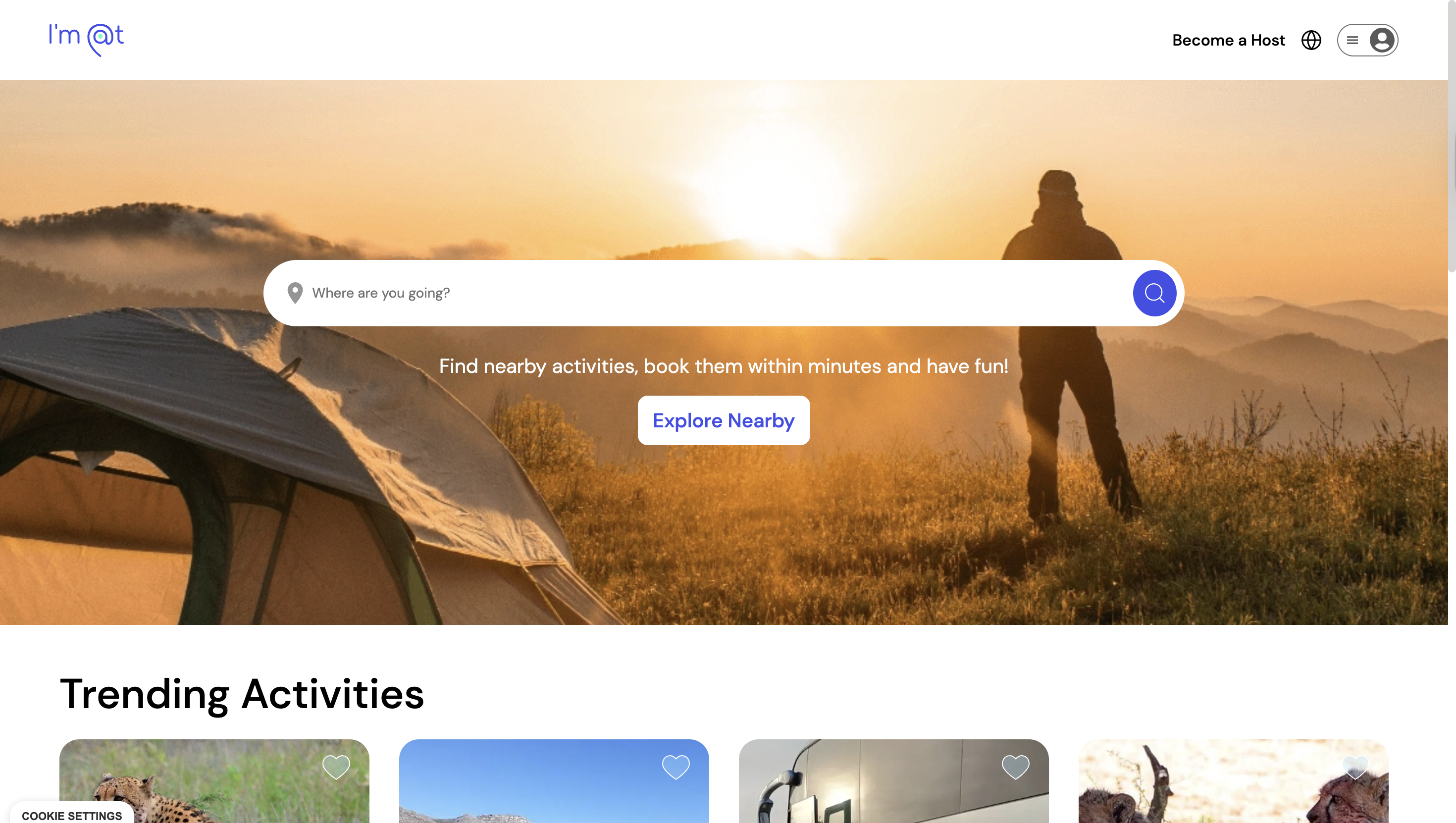
The Exclusive 4x4 Nature & Beach Tour puts you in the terrain, not just near it, combining active exploration with the kind of unscripted moments that lore chasers live for. For cultural immersion, the Lesedi Cultural Village Day Tour delivers a full sight-doing experience rooted in living tradition. Both tours reflect exactly what the top travel experiences of 2026 demand: local expertise, small groups, and genuine participation. Browse Im-at's full activity catalog to find the experience that fits your travel style and goals.
FAQ
What is experiential travel?
Experiential travel is tourism focused on active participation in local culture, skills, and environments rather than passive sightseeing. Research shows 80% of global travelers believe hands-on activities create deeper cultural understanding than observation alone.
What are the biggest experiential travel trends for 2026?
The leading trends include sight-doing, lore chasing, snackpacking, darecations, slow travel, nostalgia playcations, and AI-powered trip personalization. Each trend centers on active engagement over passive consumption.
How do I find trending travel activities for my destination?
AI travel assistants and activity booking platforms like Im-at let you search by destination, interest, and intensity level to surface relevant local experiences. Digital travel guides also curate niche activities that standard search engines typically miss.
Are darecations suitable for average travelers?
Darecations range from challenging day hikes to multi-day ultramarathons, so they suit a wide range of fitness levels. Pre-trip gear testing and environment-specific training are critical for any endurance-based trip to reduce injury risk.
Why do travelers prefer experiences over souvenirs?
76% of travelers remember learned skills longer than physical souvenirs, making experiences a higher-value investment of travel budget. Skills, stories, and human connections outlast any object purchased at a market stall.