
TL;DR:
- Nearly half of global travelers now seek adventure experiences, driving a market projected to surpass $1.5 trillion by 2029.
- Adventure travel emphasizes active participation, cultural immersion, and natural environments, appealing to modern motivations.
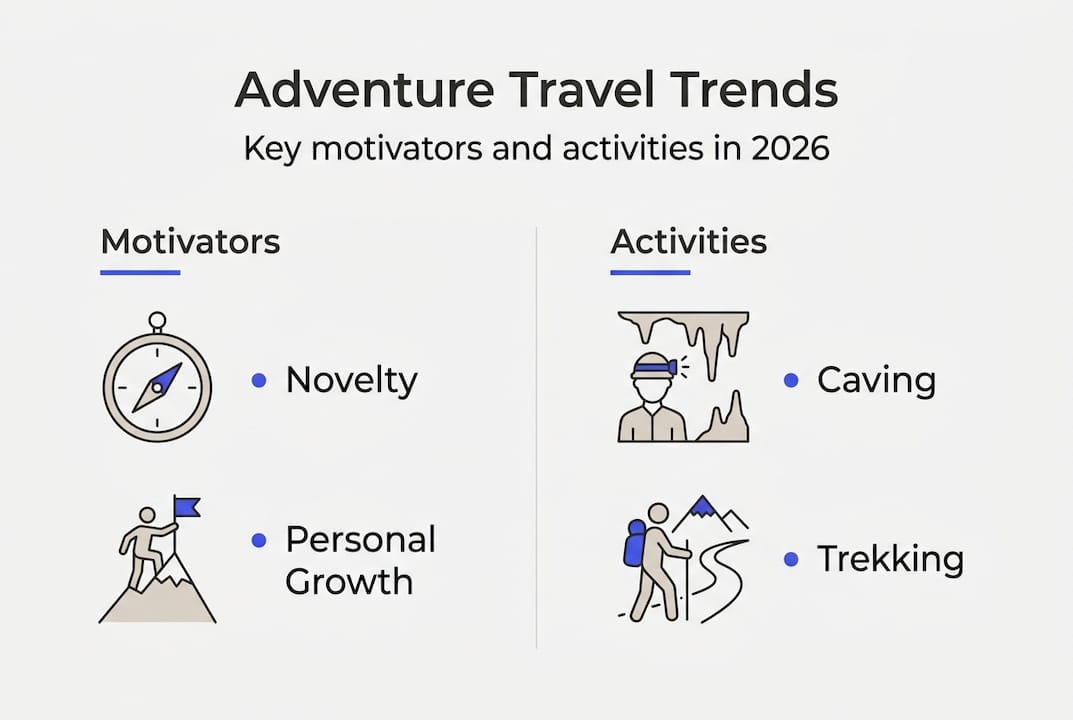
- Trending activities in 2026 include hiking, caving, eco-tours, and off-road adventures, with sustainability being a key factor.
Adventure travel is no longer a niche pursuit reserved for adrenaline junkies scaling remote mountain faces. Nearly half of all global travelers now actively seek some form of adventure in their trips, and the adventure tourism market is projected to surpass $1.5 trillion by 2029. That number should stop you in your tracks. What was once considered extreme is now mainstream, and the reasons behind this shift are far more nuanced than simply wanting a rush. This guide breaks down what adventure travel really means, why it resonates so deeply with modern travelers, what activities are trending in 2026, and how you can start planning your own unforgettable experience.
Table of Contents
- Understanding adventure travel and its rapid rise
- What makes adventure travel so appealing to modern travelers
- Popular types of adventure travel activities in 2026
- How adventure travel shapes destinations and local communities
- Our perspective: Why the popularity of adventure travel truly matters
- Ready to experience adventure travel? Discover handpicked tours
- Frequently asked questions
Key Takeaways
| Point | Details |
|---|---|
| Explosive growth | Adventure travel is rapidly expanding as more people seek immersive, unique experiences. |
| Motivated by self-growth | Travelers are drawn to adventure for personal challenge, fulfillment, and memorable stories. |
| Diverse activities | Adventure travel now includes a range of activities suitable for nearly everyone. |
| Broader impact | Adventure tourism benefits local economies and encourages cultural exchange and sustainability. |
Understanding adventure travel and its rapid rise
Adventure travel is not just about bungee jumping or white-water rafting, though both absolutely qualify. At its core, the adventure tourism overview defines it as travel that combines physical activity, cultural exchange, and immersion in natural environments. The key distinction from traditional tourism is active participation. You are not just observing a destination. You are engaging with it.
The industry broadly splits adventure travel into two categories. Hard adventure covers high-risk, physically demanding activities like mountaineering, skydiving, and deep-sea diving. Soft adventure includes hiking, kayaking, wildlife safaris, and cultural village tours. Soft adventure is where the real growth is happening, because it opens the door to travelers who want something more meaningful than a resort pool but are not necessarily training for an Ironman.
The numbers tell a compelling story. The global adventure tourism sector has grown at a compound annual rate that outpaces conventional tourism by a significant margin, driven by a post-pandemic hunger for real, tangible experiences. Travelers want to feel something.
"The adventure tourism market is expected to reach $1.57 trillion by 2029, growing at a CAGR of over 17%, driven by increasing demand for experiential and sustainable travel." — Mordor Intelligence, 2024
Several forces are accelerating this growth:
- Social media has made extraordinary experiences visible and aspirational to millions
- Wellness culture has reframed outdoor activity as essential self-care, not just recreation
- Sustainability awareness has pushed travelers toward low-impact, nature-based experiences
- Remote work flexibility has extended travel windows, making longer adventure trips more practical
| Region | Market growth driver | Dominant activity type |
|---|---|---|
| Asia-Pacific | Rising middle class, ecotourism | Trekking, river cruises |
| Africa | Safari demand, wildlife tourism | 4x4 tours, cultural immersions |
| Europe | Heritage trails, adventure sports | Hiking, caving, cycling |
| Latin America | Biodiversity, eco-lodges | Rainforest tours, zip-lining |
| North America | National park culture | Kayaking, rock climbing |
Beyond statistics, this growth reflects a broader cultural appetite for immersive luxury experiences that blend comfort with genuine discovery. People want the story, not just the stamp in the passport.
What makes adventure travel so appealing to modern travelers
The psychology behind adventure travel is fascinating. Humans are wired for novelty. Our brains release dopamine when we encounter new environments, challenges, and stimuli. Adventure travel delivers all three simultaneously, which is why it feels so profoundly satisfying compared to lying on a beach for the fifth consecutive year.

But it goes deeper than brain chemistry. Travelers are seeking richer experiences and personal growth as primary motivators for their trips. People return from adventure experiences reporting higher confidence, greater resilience, and a clearer sense of identity. That is not a coincidence. Overcoming a physical or cultural challenge in an unfamiliar environment forces genuine self-discovery.
Social dynamics play a huge role too. Shared adventure creates bonds that ordinary vacation experiences rarely match. Think about it: the group that navigated a jungle trail together or survived a surprise rainstorm on a mountain ridge has a shared story that lasts decades. Adventure travel builds community, both among travelers and between visitors and local guides.
Cultural shifts are also reshaping what people consider a "good" vacation. Younger travelers especially are moving away from passive consumption toward meaningful participation. They want to explore unique travel experiences that leave them changed, not just rested.
Here is a summary of the core motivational drivers:
- Novelty and stimulation: Breaking routine and experiencing genuinely new environments
- Personal growth: Building confidence, resilience, and new skills
- Social connection: Bonding with fellow travelers and local communities
- Wellness: Physical activity and nature exposure improving mental health
- Sustainability values: Choosing travel that respects and supports natural ecosystems
- Storytelling: Collecting experiences worth sharing and remembering
The types of adventure activities available today are broad enough to accommodate every motivation on this list, which is precisely why the market keeps expanding.
Pro Tip: Start by honestly assessing your comfort zone, not your aspiration zone. Choosing an activity that genuinely excites you without triggering dread will give you the best first adventure experience. You can always push further on the next trip.
Operators who understand how to elevate guest experience know that the sweet spot between challenge and comfort is where the magic happens.
Popular types of adventure travel activities in 2026
Knowing why people seek adventure is one thing. Knowing what they are actually booking is another. In 2026, the range of adventure activities drawing the biggest crowds reflects both timeless appeal and emerging trends.
| Activity type | Intensity level | Best for | Trending in 2026 |
|---|---|---|---|
| Hiking and trekking | Soft to hard | All fitness levels | Yes, especially multi-day trails |
| Caving and spelunking | Moderate | Curious explorers | Growing rapidly |
| 4x4 off-road tours | Soft | Families, groups | Very popular in Africa |
| River cruises | Soft | Older travelers, couples | Eco-focused variants rising |
| Cultural village immersions | Soft | First-time adventurers | Strong growth globally |
| Rock climbing | Hard | Fitness enthusiasts | Steady demand |
| Wildlife safaris | Soft | All demographics | Consistently top-rated |
A few specific trends stand out this year. Caving has surged in popularity because it combines physical exploration with genuine awe at natural geology. Small-group eco-tours are replacing large bus tours as travelers prioritize meaningful interaction over crowd-based sightseeing. 4x4 off-road experiences in destinations like southern Africa continue to dominate because they combine accessibility with raw, unfiltered landscape.
Approximately 68% of adventure travelers now say that sustainability is a key factor in choosing their activity or operator, a figure that has grown steadily year over year.
If you are ready to start booking adventure experiences, here is a practical framework:
- Define your intensity preference: Be honest about soft versus hard adventure
- Choose your environment: Mountains, ocean, jungle, desert, or urban cultural settings
- Set your group dynamic: Solo, couple, family, or group adventure each suits different activities
- Research operator credentials: Look for safety certifications and sustainability commitments
- Check seasonal timing: Many activities are weather-dependent and have optimal windows
Following these steps will save you from booking something that looks great on Instagram but does not actually match what you enjoy.
How adventure travel shapes destinations and local communities
As adventure travelers flock to new destinations, the ripple effects go far beyond the individual experience. Adventure tourism's contributions to local economies are substantial and often transformative, particularly in rural and developing regions where traditional industry is limited.
When you book a guided hike or a local cultural immersion, a significant portion of that fee flows directly into the host community. Local guides earn income. Local food suppliers benefit. Infrastructure improves. In many destinations across Africa, Asia, and Latin America, adventure tourism has become a primary economic pillar, funding schools, conservation programs, and community health initiatives.
Cultural exchange is another powerful outcome. Travelers who engage with local communities through adventure experiences gain perspectives that no museum exhibit can replicate. And host communities gain economic agency, pride in their cultural heritage, and a reason to preserve it.
"Responsible adventure tourism, when managed well, creates a virtuous cycle: it funds conservation, empowers local guides, and gives travelers a reason to care about the places they visit." — World Tourism Organization
But the picture is not entirely rosy. Overtourism is a real risk. When adventure destinations become too popular too fast, ecosystems suffer, local prices inflate, and the authentic experience that attracted travelers in the first place erodes. The role of adventure travel companies in managing this responsibly is critical.
Key impacts of adventure tourism on destinations:
- Economic: Job creation, income diversification, infrastructure investment
- Environmental: Conservation funding, but also habitat pressure if unmanaged
- Social: Cultural pride, community empowerment, risk of cultural commodification
- Educational: Mutual learning between travelers and host communities
The role of tour guides in mediating these impacts is enormous. A skilled, locally rooted guide is not just a safety asset. They are a cultural ambassador who shapes how travelers understand and respect a destination.
Pro Tip: Before booking, check whether your operator has a written responsible tourism policy. Operators who can articulate their community investment and environmental practices are far more likely to deliver an experience you can feel good about.
For travelers considering romantic adventure getaways, destinations like those featured in honeymoon destinations in South Africa show how adventure and intimacy can coexist beautifully.
Our perspective: Why the popularity of adventure travel truly matters
Here is what the market reports will not tell you: adventure travel's rise is not a trend. It is a correction.
For decades, mass tourism trained people to be passive consumers of destinations, checking boxes rather than building connections. Adventure travel is the pushback. It is travelers collectively saying that they want more from their time and money than a sunburn and a souvenir.
What we have observed, watching this space closely, is that the people who take even one meaningful adventure trip rarely go back to purely passive travel. Something shifts. They start asking better questions about where they go and why. They become more curious, more empathetic, and frankly more interesting to talk to.
"Adventure travel is not about the destination. It is about who you become on the way there."
The adventure travel planning tips that matter most are not logistical. They are philosophical. Go somewhere that challenges your assumptions. Choose an experience that requires something of you. That is where the real value lives, and it is why this movement will outlast any tourism trend cycle.
Ready to experience adventure travel? Discover handpicked tours
Inspired to step beyond routine travel? Here is how you can get started today.
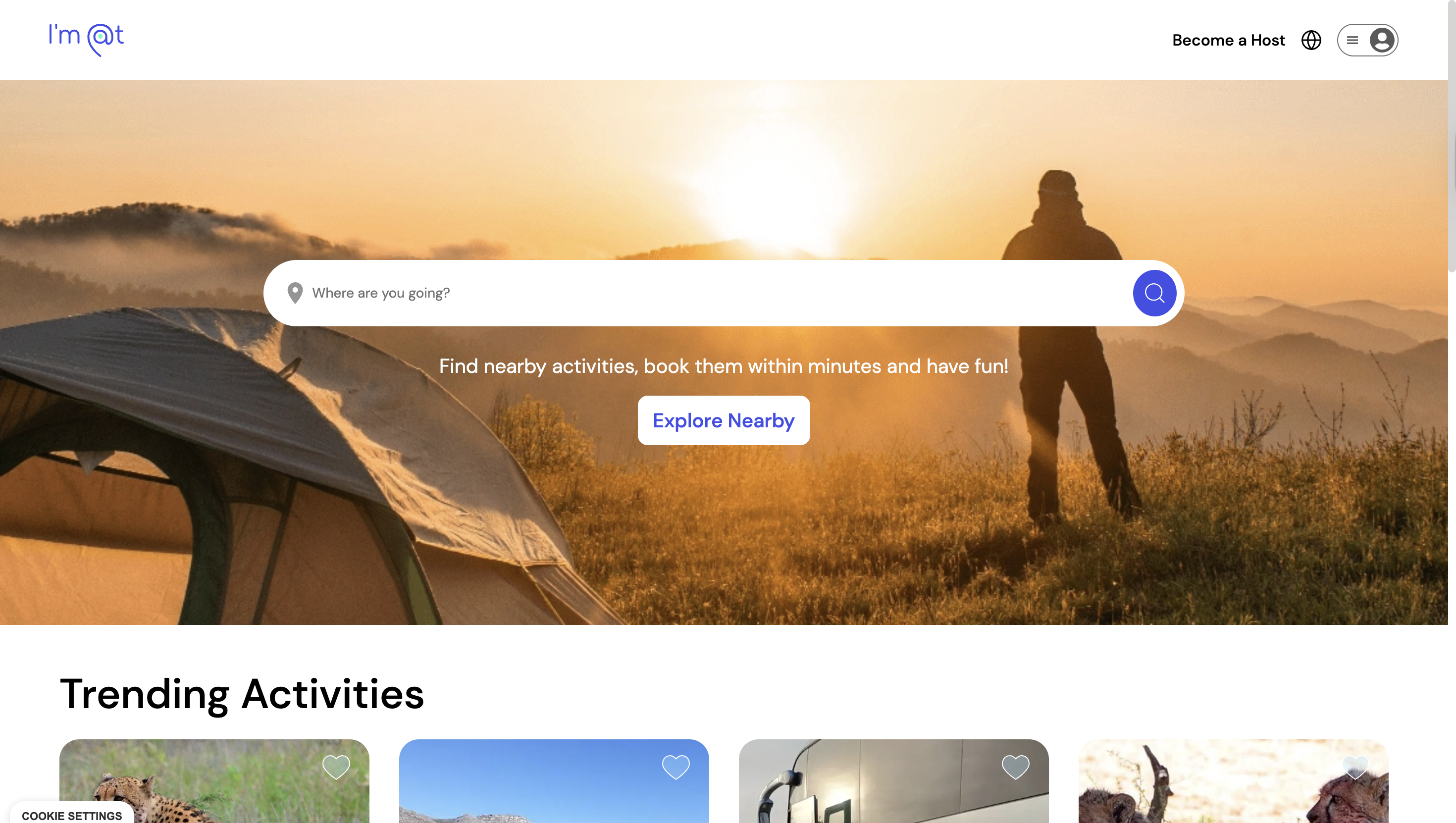
At Im-at, we have curated a catalog of adventure experiences designed for travelers who want more than a standard itinerary. Whether you are drawn to the raw landscapes of a Tailor-Made 4x4 Tour, the underground wonder of Hiking and Caving on Terceira Island, or something entirely different, our platform makes it easy to find, compare, and book. Every experience in our catalog is vetted for quality, safety, and authentic local engagement. You can explore more adventure experiences across dozens of destinations and activity types, all bookable within minutes. Your next story is waiting.
Frequently asked questions
What defines adventure travel compared to traditional tourism?
Adventure travel involves physically engaging activities, cultural exchanges, and immersive experiences that go beyond typical sightseeing. Unlike traditional tourism, it requires active participation and deeper engagement with the destination.
Are adventure travel experiences suitable for all ages and fitness levels?
Absolutely. Soft adventure activities make adventure travel accessible to a wide audience, from families with young children to older travelers seeking cultural immersions without extreme physical demands.
How can I book a safe and responsible adventure trip?
Research accredited operators with strong reviews who emphasize safety protocols and sustainable practices. Responsible operators will have transparent community investment policies and certified safety standards.
What are some trending adventure travel activities in 2026?
Hiking, caving, small-group eco-tours, and 4x4 off-road experiences are among the top adventure activities generating the most bookings and traveler interest in 2026.