

TL;DR:
- Wellness, adventure, and cultural travel are increasingly participation-focused and immersive.
- Regenerative travel aims to actively improve destinations, not just minimize harm.
- Travelers should define clear goals and select experiences to ensure meaningful trips.
Discover the Latest Travel and Leisure Trends for 2026
Wellness tourism is on track to surpass $1 trillion globally, and that single number tells you everything about where travel and leisure are heading. The way people plan vacations, choose destinations, and define a "good trip" has shifted significantly. Adventure seekers want more meaning. Culture lovers want deeper access. And everyone seems to want fewer decisions and more impact. Whether you are planning a weekend escape or a month-long expedition, understanding what is actually driving these changes will help you travel smarter, spend better, and come home feeling like the trip genuinely mattered.
Table of Contents
- Travel and leisure in 2026: A landscape transformed
- Wellness, adventure, and quality: Travel's leading trends
- From sustainability to regeneration: The next step in responsible travel
- Unlocking your next adventure: Applying new trends to your travel plans
- What most guides miss about travel and leisure trends
- Ready to explore the latest trends firsthand?
- Frequently asked questions
Key Takeaways
| Point | Details |
|---|---|
| Wellness travel surge | Trips focused on mental and physical wellbeing are driving record tourism growth in 2026. |
| Adventure gets personal | Micro-expeditions, food-led journeys, and small-group experiences are reshaping adventure travel. |
| From sustainable to regenerative | Travelers increasingly seek trips that improve destinations, not just avoid harm. |
| Application is key | Knowing how to choose, book, and customize trend-driven experiences enhances every journey. |
Travel and leisure in 2026: A landscape transformed
With wellness tourism's rise as a defining force, it is worth stepping back to understand the full picture of what is changing across travel and leisure. This is not just about new destinations appearing on Instagram. The motivations behind travel have shifted at a fundamental level, and the industry is scrambling to catch up.
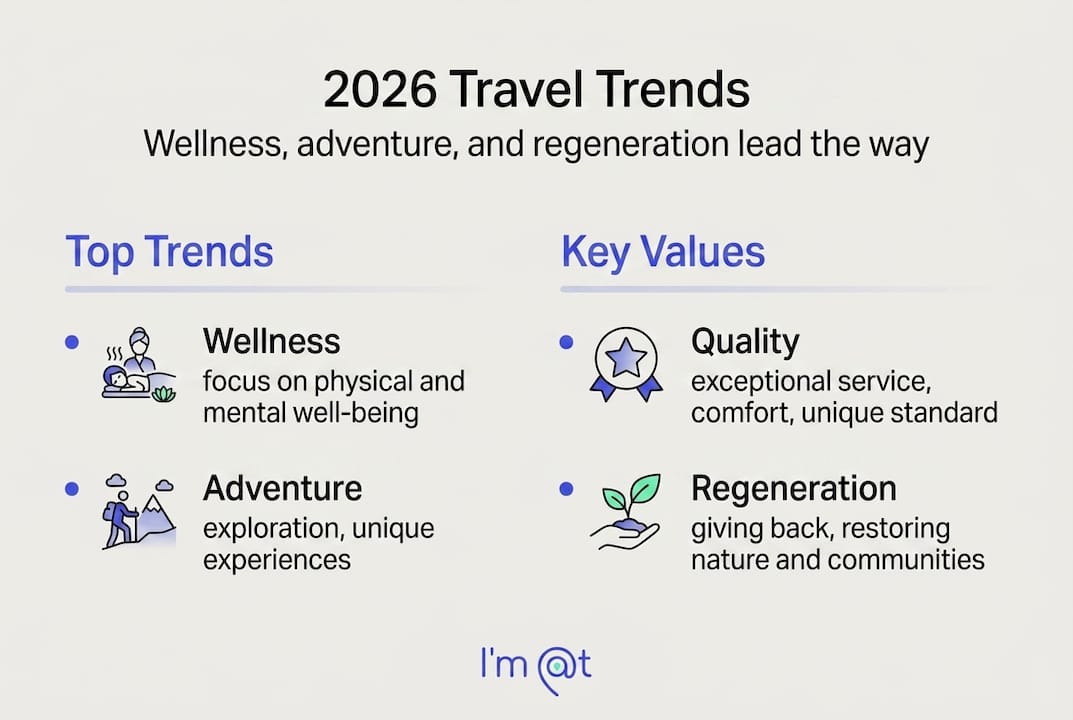
The clearest signal comes from travel intent data. Domestic travel intent is down 3 percentage points, while international travel intent is up 7 percentage points. People are choosing to go further, stay longer, and make each trip count. The old model of multiple short getaways is giving way to the "one big trip" mindset, where travelers invest deeply in a single experience rather than spreading time and budget across several ordinary ones.
This shift connects directly to what researchers call "decision-detox" itineraries. Rather than open-ended travel that demands constant choices about where to eat, what to see, and how to get around, more travelers are opting for structured, curated journeys where most decisions are made in advance. The appeal is clear: less mental load, more genuine rest and discovery.
Here is a quick comparison of how travel priorities have shifted:
| Area | Pre-2020 mindset | 2026 mindset |
|---|---|---|
| Trip frequency | Multiple short trips | One or two meaningful trips |
| Main motivation | Escape and relaxation | Wellness, growth, and impact |
| Destination choice | Popular, well-known spots | Off-grid, regenerative locations |
| Itinerary style | Flexible, spontaneous | Curated, decision-light |
| Experience type | Sightseeing and leisure | Immersive, adventure, cultural |
The types of travel activities gaining the most traction right now reflect this new mindset perfectly. Five categories stand out clearly:
- Wellness travel: Sleep retreats, longevity programs, digital detox escapes
- Adventure travel: Micro-expeditions, e-biking, off-grid exploration
- Culinary travel: Food-led itineraries built around local producers and regional cuisine
- Conservation travel: Wildlife experiences tied to real environmental work
- Cultural immersion: Deep-access community tours, language experiences, artisan workshops
What connects all five? None of them are passive. Every category asks travelers to participate, engage, and invest emotionally. That is a fundamental departure from the resort-and-pool model that dominated leisure travel for decades. The industry is not just responding to demand. It is being reshaped by a generation of travelers who want their trips to feel worthwhile long after the tan fades.
Wellness, adventure, and quality: Travel's leading trends
Now that the landscape is clear, here is what is leading the charge in new travel experiences and why these trends have real staying power.
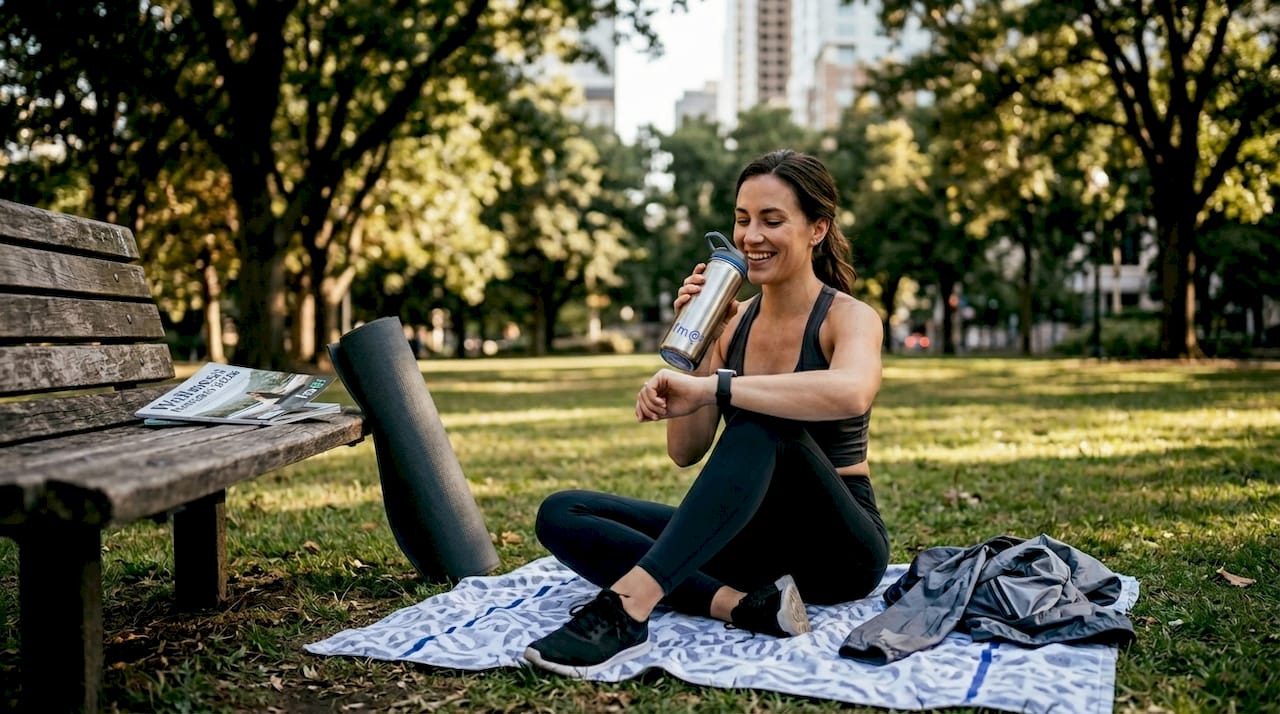
Wellness tourism has moved well beyond spa days and yoga retreats. According to recent research, the sector is exploding with focus on mental resets, longevity programs, and highly targeted well-being goals. Travelers are booking sleep clinics in the Swiss Alps, longevity retreats in Japan focused on diet and movement, and digital detox camps in Costa Rica where phones are surrendered at check-in. These are not niche offerings for the ultra-wealthy. They are becoming mainstream options for anyone who wants more than a sunburn from their time off.
The data on adventure travel is equally striking. Micro-expeditions, e-biking, and food-led trips are among the fastest-growing categories in the sector. Off-grid expeditions have seen a 119% increase in interest, while food-led travel has grown by a remarkable 236%. These numbers are not flukes. They reflect real shifts in what travelers consider an adventure worth taking.
Here is a closer look at the growth data:
| Travel trend | Growth rate | Who is driving it |
|---|---|---|
| Off-grid expeditions | 119% increase | Millennials and Gen X |
| Food-led travel | 236% growth | All age groups |
| Wildlife conservation | 25% increase | Eco-conscious travelers |
| Small-group trips | 70% solo travelers | Solo adventurers |
The trending experiences right now, ranked by momentum, include:
- Wellness and longevity retreats with personalized health programs
- Food-led adventures combining cooking classes, market visits, and farm-to-table dining
- Micro-expeditions to remote or undervisited natural areas
- Wildlife conservation travel tied to real on-ground projects
- E-biking tours that blend physical challenge with scenic exploration
- Cultural immersion trips focused on craft, language, and community access
For popular adventure activities that blend physical challenge with genuine discovery, the sweet spot right now is combining two trends in a single trip. A culinary hiking tour, for example, merges the 236% growth in food travel with the outdoor adventure format.
"The best travel experiences in 2026 are not defined by where you go, but by how deeply you engage with where you are."
Pro Tip: If you want maximum value from your next trip, look for experiences that blend wellness and adventure intentionally. A morning hike followed by a guided meditation or a foraging walk that ends with a cooking class gives you physical engagement, mental restoration, and cultural depth in a single itinerary. Check what the adventure tourism guide recommends for combining these elements without overloading your schedule.
From sustainability to regeneration: The next step in responsible travel
Quality experiences do not just consider the traveler. They prioritize the destinations too, and this is where the conversation has shifted from sustainability to something more ambitious: regenerative travel.
The distinction matters. Sustainable travel focuses on minimizing harm, doing less damage to ecosystems, communities, and local economies. Regenerative travel goes further. It asks whether your visit actually improves the destination for the people and wildlife who live there year-round. This is not just an ethical upgrade. It is a fundamentally different way of thinking about what travel is for.
Wildlife conservation travel illustrates this perfectly. According to current research, this niche has seen a 25% increase in demand, and the experiences go far beyond watching animals from a jeep. Travelers are participating in tagging programs, habitat restoration, anti-poaching monitoring, and community-based conservation funding. The trip generates revenue that goes directly into protecting the ecosystem you came to see.
Here is how you can genuinely participate in regenerative travel rather than just ticking a box:
- Choose operators with verified community partnerships: Look for companies that employ local guides, source food locally, and reinvest a share of revenue into community programs.
- Volunteer at least one day of your trip: Even a single morning of beach cleanup, trail maintenance, or tree planting shifts the trip from extractive to contributive.
- Opt for conservation-linked accommodations: Eco-lodges that fund wildlife corridors or marine reserves are a direct way your accommodation dollars generate positive outcomes.
- Eat local and seasonal throughout: Every meal at a community-owned restaurant or market stall supports economic resilience in the destination.
- Skip the cruise ship port stops: These generate massive visitor numbers with minimal local economic benefit. Choose land-based alternatives instead.
"Regenerative travel is not a product you buy. It is an intention you carry into every decision you make during a trip."
Pro Tip: Before booking with any operator claiming regenerative or eco credentials, ask three specific questions. How much of your revenue goes to local community programs? Can you show certification from a recognized body? What measurable environmental outcomes have you achieved in the last year? Genuine operators will have real answers. The adventure travel companies worth trusting will welcome these questions rather than deflect them.
Unlocking your next adventure: Applying new trends to your travel plans
Armed with knowledge about what matters in 2026's travel landscape, it is time to put these trends into practice. Here is how to move from inspiration to a booked, meaningful trip.
Step 1: Define your primary travel intention. Before you search for destinations, decide what you want this trip to do for you. Are you seeking a mental health reset? A physical challenge? A deeper understanding of a culture or cuisine? Your answer determines which trend category fits best and immediately narrows your destination choices.
Step 2: Match your intention to a trend category. Wellness goals point toward longevity retreats, sleep programs, or nature-immersion experiences. Adventure goals lead toward micro-expeditions, e-biking routes, or wildlife conservation trips. Culinary curiosity opens the door to food-led travel with a 236% growth rate that signals an enormous range of quality operators to choose from.
Step 3: Vet your providers carefully. The growth in these categories has attracted operators of wildly varying quality. Look specifically for small-group formats, local guide employment, community ownership models, and transparent pricing. Small-group trips currently attract solo travelers at a rate of 70%, which tells you these formats are specifically designed to be social, safe, and accessible for individuals.
Step 4: Customize within the structure. The best itineraries in 2026 balance structure with flexibility. Book the anchors, such as the conservation day, the cooking class, the guided hike, then leave mornings or afternoons open for independent exploration. This mirrors the decision-detox model while preserving the spontaneity that makes travel feel alive.
Step 5: Build in reflection time. One of the biggest mistakes travelers make is filling every hour. Regenerative and wellness travel both require space for processing. A long dinner, a slow morning walk, or an unscheduled afternoon are not wasted time. They are where the trip actually settles into memory.
Understanding the group vs solo travel guide dynamics can help you decide which format suits your goals. And when you are ready to commit, the booking travel experiences guide walks you through the practical steps to confirm a quality experience with confidence.
Pro Tip: Consider combining a structured group element for the first few days of a trip with a solo extension afterward. This approach gives you instant social connection and expert guidance upfront, then personal freedom once you know the area. It is one of the smartest ways to get the benefits of both formats without committing fully to either.
What most guides miss about travel and leisure trends
Most trend roundups hand you a list and move on. What they rarely address is the deeper question: why do so many people plan a trend-aligned trip and still come home feeling like something was missing?
The answer, in our experience, is intent. Booking a wellness retreat without a clear personal goal is just an expensive vacation with better food. Joining a conservation tour without genuine curiosity about the ecosystem is tourism with a green sticker. The trend is not the transformation. Your engagement with it is.
We believe the real breakthrough in modern travel is not finding the right experience. It is arriving with the right question. What do I need from this trip? What do I want to leave behind? What do I want to understand better? When those questions are answered before you board, even an ordinary destination becomes extraordinary.
Regenerative travel and decision-detox itineraries are not just marketing language. They are practical frameworks for traveling with purpose. The travelers who get the most from 2026's trends are the ones treating every booking as a deliberate act rather than a reaction to what looked good on social media. Stay adaptive, stay curious, and keep asking whether your next trip is serving your actual goals.
Ready to explore the latest trends firsthand?
Excited to be part of these trends? Here is how our platform can help you experience them directly.
Im-at curates trend-driven experiences that match exactly what today's travelers are looking for, from food-led cultural tours to small-group nature adventures built around genuine local access.
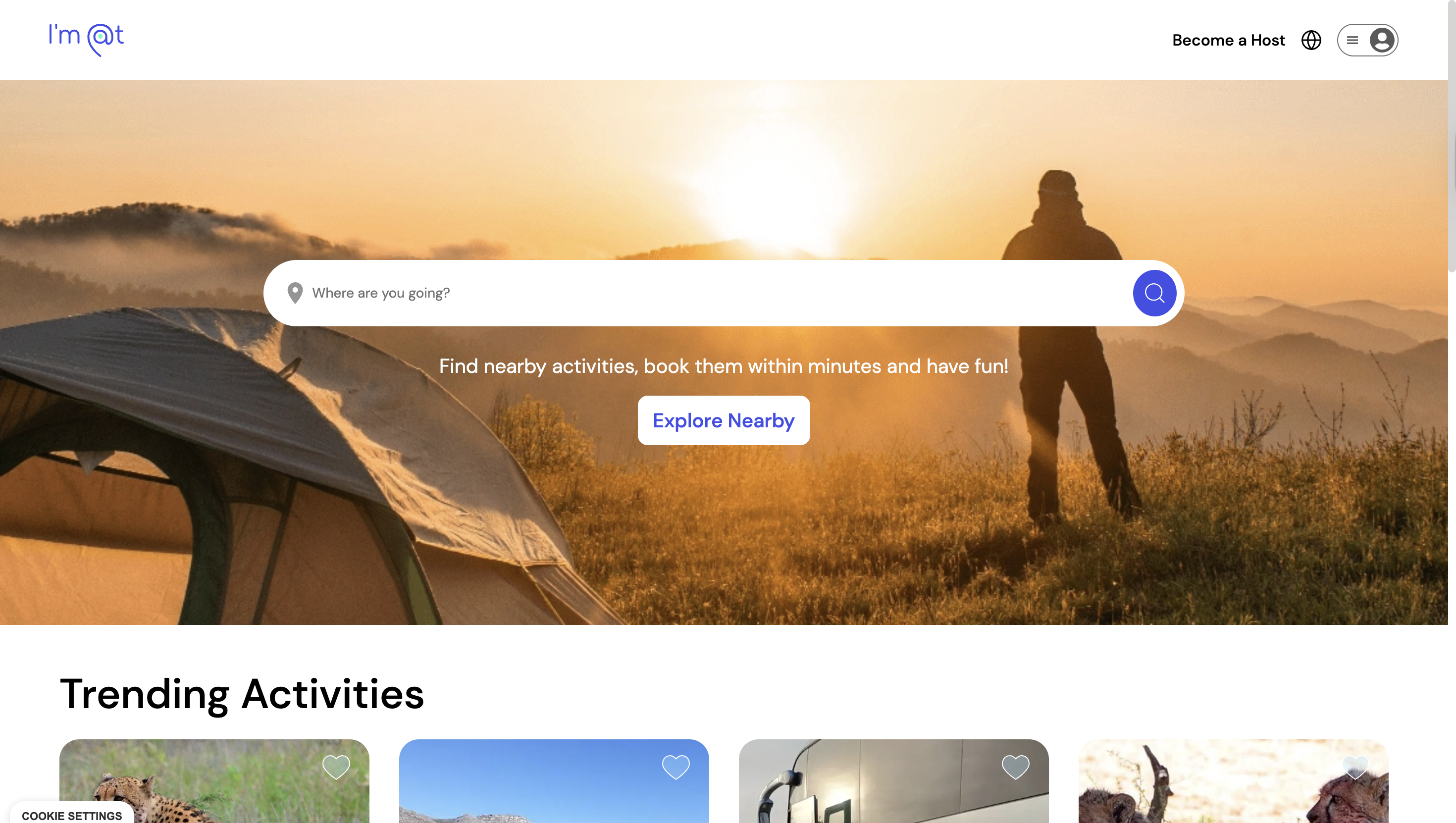
Whether you want to immerse yourself in wine country culture with the Cape Town cultural and wine tour or experience the quiet beauty of European wine regions on the Douro Valley small-group wine tour, Im-at connects you with expertly curated, on-trend experiences that prioritize local immersion and quality over crowds. Browse the full catalog, find what matches your 2026 travel intention, and book in minutes.
Frequently asked questions
What is the difference between sustainable and regenerative travel?
Sustainable travel aims to minimize negative impacts on destinations, while regenerative travel goes further by actively improving ecosystems and communities for future generations.
Which adventure activities are trending in 2026?
Micro-expeditions, small-group trips, and conservation experiences lead the field, alongside e-biking, food-led travel, and solo-friendly adventure formats.
Why is wellness tourism so popular now?
Travelers are prioritizing mental health resets, longevity programs, and personalized well-being, driving a surge that has wellness tourism projected to surpass $1 trillion globally.
Are solo travelers choosing small groups?
Yes. 70% of adventure travelers in small-group trips are solo travelers, making these tours an ideal blend of social connection and personal freedom.
What is a 'decision-detox' itinerary?
A decision-detox itinerary minimizes the number of choices a traveler needs to make daily, reducing mental fatigue and making vacations genuinely restorative rather than exhausting.