

What are the main types of city excursions?
City excursions are short leisure trips taken within or just outside an urban area, typically lasting a few hours to a full day. They differ from full tours in scope and structure, focusing on a single activity, neighborhood, or theme rather than a comprehensive city sweep. Here is a quick map of the main categories:
- Walking tours: Foot-based exploration of neighborhoods, historic districts, or themed routes
- Hop-on hop-off bus tours: Flexible, self-paced city overviews on fixed routes
- Food and culinary tours: Guided tastings through markets, street stalls, and local restaurants
- Bike tours: Active sightseeing covering more ground than walking
- Boat tours: Water-based perspectives on canal cities, riverfronts, and coastlines
- Private and custom tours: Personalized itineraries built around your specific interests
- Night tours: Illuminated landmarks, nightlife districts, and after-dark atmosphere
- Self-guided excursions: Independent exploration using maps, apps, or audio guides
- Cultural and art tours: Museums, galleries, historic sites, and street art routes
- Day trips: Short journeys to nearby towns, natural sites, or regional attractions
Each format suits a different travel style, budget, and physical comfort level. The sections below break down what each one actually delivers.
Table of Contents
- A closer look at each type of urban excursion
- How to choose the right city excursion for your trip
- Excursions vs. tours: what is actually different?
- Im-at puts the right city experience in front of you
- Key Takeaways
A closer look at each type of urban excursion
Walking tours
Walking tours are the most immersive format available. A guide leads you through narrow streets, local markets, and historic neighborhoods that a bus simply cannot reach. The slower pace allows genuine conversation with the guide and real interaction with the city. They work best in compact historic centers where the density of stories per block is high.
Hop-on hop-off bus tours
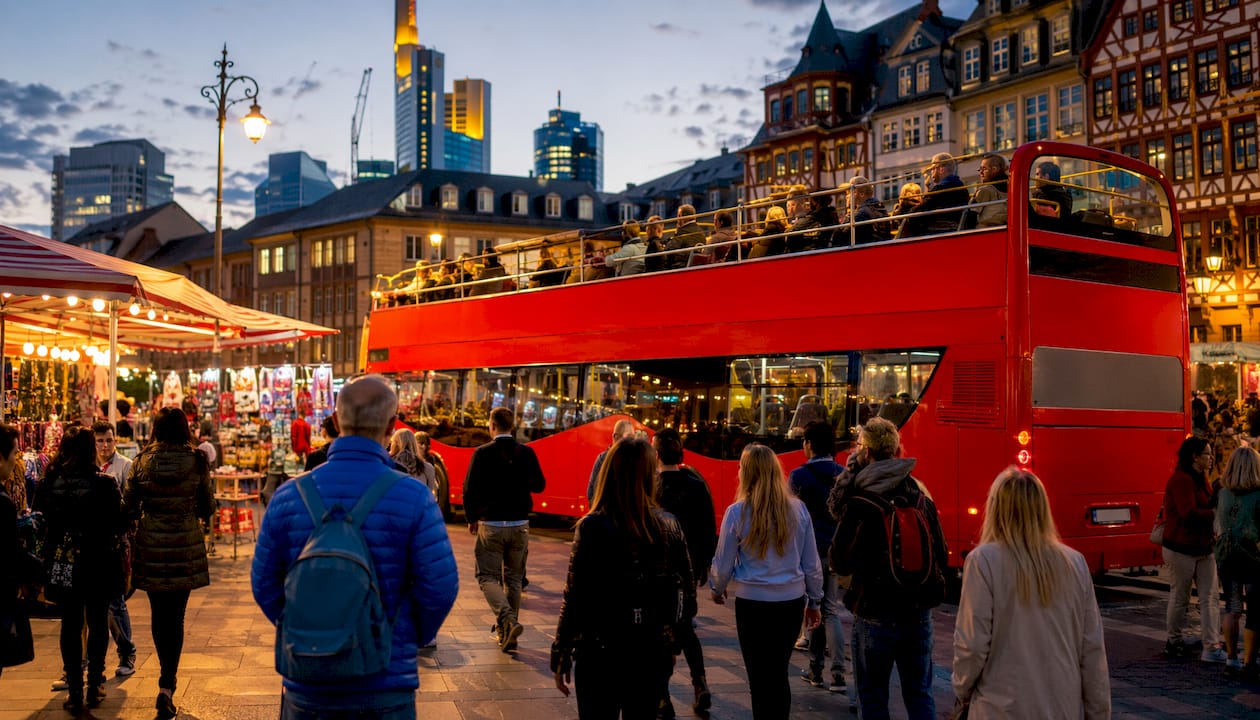
Hop-on hop-off buses function as both orientation tools and flexible transport. You buy a day pass and board or exit at any stop along a fixed route. For first-time visitors in large cities with spread-out landmarks, this format reduces decision fatigue and covers ground quickly. It is less useful in compact cities where most sights are within walking distance.
Food and culinary tours
A food tour combines neighborhood discovery with a shared meal. Guides lead small groups through markets, street food stalls, and family-run restaurants, explaining the cultural context behind each dish. A well-designed food tour can replace lunch or dinner while giving you a reliable local filter for where to eat on your own later.
Bike tours
Bike tours cover significantly more ground than walking while keeping you at street level. They suit travelers who want an active experience and are comfortable cycling in urban traffic. Cities like Amsterdam and Copenhagen have purpose-built cycling infrastructure that makes this format especially practical. Check your physical condition and the city's terrain before booking. You can often find discounted guided bike tours when booking directly with local operators.
Boat tours
Boat tours offer a perspective you simply cannot get on foot. Canal cruises in Amsterdam, river tours in Paris, and skyline cruises in Miami each reveal architecture and city scale from an angle that changes how you read the place. They range from small chartered boats with a handful of passengers to larger vessels with dinner service.
Private and custom tours
Private guided tours let you build an itinerary around your specific interests, whether that is street art, culinary history, architecture, or local nightlife. Instead of following a fixed group schedule, you work directly with a guide. This format costs more but delivers a depth of experience that group tours rarely match.
Night tours
Some cities reveal their real character after dark. Rome by night, Hong Kong's evening skyline, and New Orleans ghost tours each offer a visual and emotional experience that a daytime visit cannot replicate. Night tours often include rooftop dinners, illuminated landmark walks, or neighborhood bar crawls. Summer evenings are particularly well-suited to this format, when longer daylight hours give way to dramatic artificial lighting.
Self-guided excursions
Self-guided exploration gives you complete freedom over pace and direction. Audio guides, city apps, and downloadable walking routes make this format more structured than it sounds. It works best for experienced travelers who already have some orientation in the city and prefer to move without a group.
Cultural and art tours
History and art tours go deep on a single theme: World War II sites in London, Banksy murals in Bristol, or pre-Columbian collections in Mexico City. They suit travelers who want context and interpretation rather than a broad city overview. Museum-focused excursions often pair well with a neighborhood walking segment afterward.
Day trips
Day trips extend your base city outward. Lisbon to Sintra, New York to the Hudson Valley, or Chicago to the Indiana Dunes each offer a regional layer that the city itself cannot provide. These excursions usually run six to eight hours and require more logistical planning than in-city options.
Pro Tip: Match the excursion format to your physical comfort level first, then your interests. A five-hour walking tour is a poor choice if you are arriving jet-lagged on day one. A hop-on hop-off bus or a boat tour gives you the city overview with far less physical output.
How to choose the right city excursion for your trip
The city's layout is the first filter. Compact historic centers reward walking tours. Sprawling cities with spread-out landmarks reward bus tours. Neighborhood-based cities make food tours especially useful because they pull you beyond the main tourist core.
- Solo travelers: Walking tours offer social contact and reliable local tips without committing a full day.
- Couples: Food tours combine atmosphere, activity, and a shared meal, particularly strong in cities where dining choices feel overwhelming.
- Families with mixed ages: Hop-on hop-off buses create movement, flexibility, and natural rest breaks.
- Repeat visitors: Themed walking tours and food tours deliver more value than general sightseeing because you no longer need basic orientation.
- Travelers with mobility considerations: Boat tours and bus tours minimize walking distance while still covering major sights.
Cost is worth thinking through honestly. A food tour can seem expensive until you account for the meal it replaces. A private tour costs more upfront but eliminates the inefficiency of a large group moving at the slowest member's pace. Seasonal timing also shapes the decision: food tours during local festivals and night tours in summer months tend to deliver the richest experience.
Pro Tip: Combine a guided segment with free time afterward. Many shore excursions already build this in, dropping you at a destination with structured highlights first, then leaving you to wander independently. The same logic applies to any city trip.
For more on making the most of your time, the urban adventure planning guide on Im-at's blog covers practical strategies worth reading before you book.
Excursions vs. tours: what is actually different?
The terms get used interchangeably, but they describe different things. An excursion is typically a short trip focused on a single activity or destination, lasting a few hours to a day. A tour is more structured, covers multiple stops, and usually includes guided commentary throughout.
| Feature | Excursion | Tour |
|---|---|---|
| Duration | A few hours to one day | Half-day to multi-week |
| Focus | Single activity or destination | Multiple sites or themes |
| Structure | Flexible, often leisure-led | Fixed itinerary, guided |
| Group size | Varies, often smaller | Often larger groups |
| Purpose | Leisure, exploration | Comprehensive sightseeing |
A boat trip to a nearby island is an excursion. A guided journey through five neighborhoods with commentary at each stop is a tour. The distinction matters when you are budgeting time: excursions slot neatly into a half-day without disrupting the rest of your trip, while tours often require a full commitment. For a deeper comparison, Im-at's breakdown of guided vs. self-guided options is worth a read before deciding.
Im-at puts the right city experience in front of you
Knowing which type of excursion fits your trip is one thing. Finding a quality version of it quickly is another. Im-at is a booking platform built specifically for experiential travel, connecting you with curated city excursions, cultural tours, private experiences, and day trips across destinations worldwide.

The catalog covers everything from tailor-made private tours to themed cultural excursions like The Unholy Secrets, a specialized city experience that goes well beyond the standard sightseeing route. Every listing is vetted, clearly described, and bookable in minutes. Browse Im-at's full activity catalog at im-at.com and lock in your next urban adventure before the best spots fill up.
Key Takeaways
Choosing the right city excursion comes down to matching the format to your city's layout, your group's needs, and your actual goals for the day.
| Point | Details |
|---|---|
| Format follows city layout | Compact cities reward walking tours; sprawling cities reward bus or boat formats. |
| Excursions differ from tours | Excursions focus on one activity or place; tours cover multiple stops with structured commentary. |
| Cost includes what it replaces | A food tour may replace a meal; a private tour replaces the inefficiency of a large group. |
| Seasonal timing shapes value | Night tours in summer and food tours during local festivals deliver richer experiences. |
| Im-at simplifies the search | Im-at's curated catalog lets you find and book vetted city excursions across global destinations in minutes. |