
TL;DR:
- Exploring neighborhoods beyond main landmarks leads to deeper, more authentic travel experiences.
- Using public transport and alternative routes allows better access to local, less touristy areas.
- Connecting with locals through timely visits and conversations enriches your cultural understanding.
Most travelers spend their first day at the same five landmarks, snap the same photos, and wonder why the city feels flat. The real pulse of any place lives in its side streets, neighborhood cafes, and the conversations you stumble into by accident. Research consistently shows that tourists who venture beyond the main circuit report deeper satisfaction and stronger memories from their trips. This guide gives you practical, tested strategies for exploring cities the way curious, well-traveled people do. We cover neighborhood discovery, smart transport, local food, cultural timing, and responsible adventure so you can stop being a spectator and start actually experiencing the places you visit.
Table of Contents
- Go beyond the highlights: Discover hidden neighborhoods and local gems
- Master public transport and alternative routes
- Savor cities through food: Eat where the locals do
- Connect with locals: Timing, conversation, and cultural cues
- Responsible and adventurous exploration: Urban hikes, hidden events, and safety
- Why living like a true local is a myth—And what city explorers should aim for instead
- Make your next city adventure unforgettable
- Frequently asked questions
Key Takeaways
| Point | Details |
|---|---|
| Explore outside tourist zones | The most memorable city experiences start beyond landmarks in true local neighborhoods. |
| Eat and move like residents | Using public transit and eating at local venues unlocks genuine city culture. |
| Connect and respect | Meaningful travel grows from authentic interactions and honoring local routines. |
| Balance adventure with safety | Pushing boundaries is rewarding when you stay safe, legal, and aware. |
Go beyond the highlights: Discover hidden neighborhoods and local gems
The average tourist itinerary is built around monuments. That is understandable, but it creates a strange problem: you spend days in a city without ever feeling like you have touched it. Neighborhoods are where real life happens. Laundry hangs between windows, kids kick balls in small squares, and the bakery on the corner has been run by the same family for forty years.
Finding these pockets takes a little homework before you arrive. Local blogs written by residents (not travel brands) are gold. Search the city name plus "neighborhood guide" or "where locals eat" and filter for recent posts. Social media is equally useful: look at geotagged photos in areas that are not the main tourist zone and you will quickly see where people actually spend time. AI tools can now suggest lesser-known districts based on your interests, which is a fast way to build a shortlist.
Once you are on the ground, authentic travel rewards come from slowing down. Focus on one or two neighborhoods per day rather than trying to cover the whole map. Walk without a destination for thirty minutes. Notice what is open, what smells good, and where groups of people are gathered.
Here are the clearest signals that you have found a genuinely local area:
- Menus posted in the local language only
- No souvenir shops within eyesight
- Residents outnumber tourists at cafes and benches
- A neighborhood market with fresh produce, not crafts
- Street art that references local politics or culture
As exploring off the tourist trail consistently shows, the most authentic city experiences happen away from the main circuit. Etiquette matters here. Observe before you engage. Do not point cameras at people without a nod of permission. If a street feels private, it probably is.
"The goal is not to pretend you live there. It is to pay attention the way a resident would."
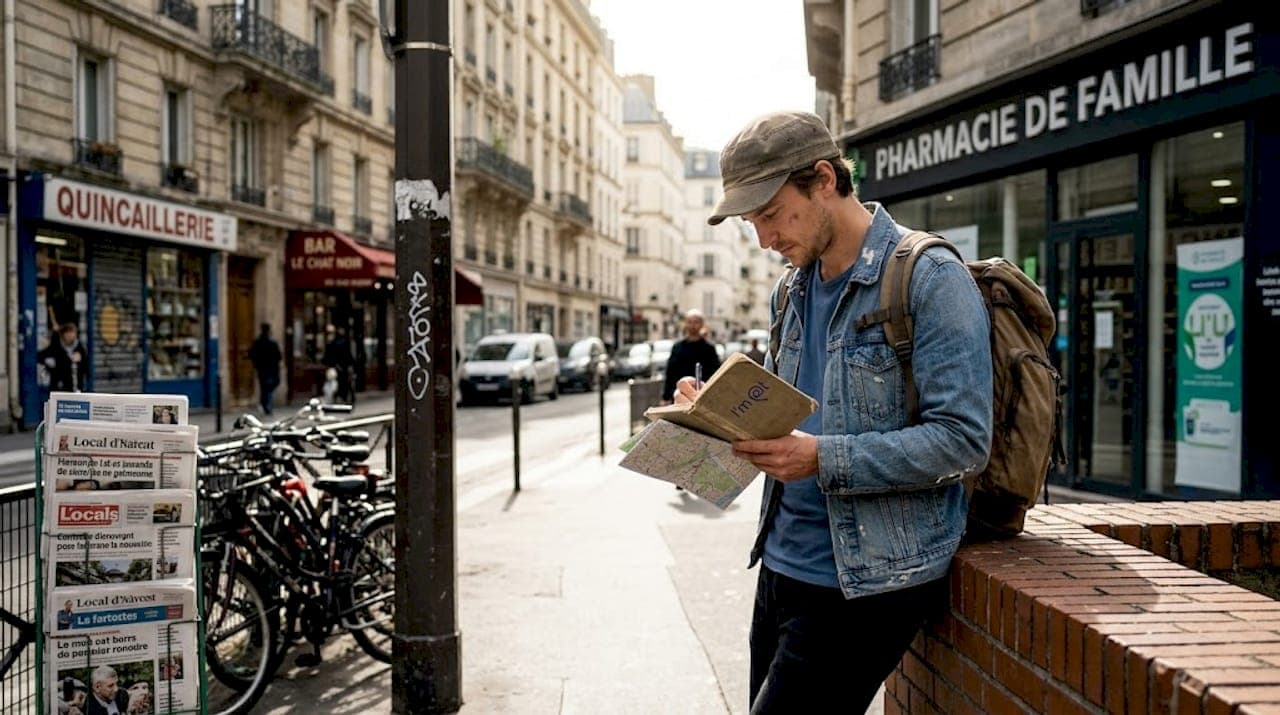
Pro Tip: Look for streets with a mix of a pharmacy, a hardware store, and a local bar within the same block. That combination almost always signals a working residential area, not a tourist zone.
For a broader look at what kinds of activities open up when you explore this way, the range of local activities for travelers and nearby activities available in most cities is wider than most people realize.
Master public transport and alternative routes
How you move through a city shapes what you see. A taxi from landmark to landmark is efficient but isolating. Public transit, walking, and cycling put you inside the city rather than passing through it.

Start by getting a transit card on day one. Most major cities offer a rechargeable card that covers metro, bus, and sometimes ferry lines. Download the official transit app for your destination before you land. It will show you real-time departures and, crucially, routes that do not appear in tourist guides.
Here is a quick comparison of the main ways to get around:
| Mode | Speed | Cost | Local interaction | Best for |
|---|---|---|---|---|
| Walking | Slow | Free | High | Short distances, neighborhoods |
| Cycling | Medium | Low | Medium | Flat cities, riverside routes |
| Metro | Fast | Low | Medium | Longer distances, commuter hours |
| Ferry | Slow | Low to medium | High | Coastal cities, river crossings |
As public transit and cycling demonstrate in cities like Oslo, mixing these modes opens access to neighborhoods that most visitors never reach. The ferry, in particular, is underused by tourists. A short water crossing often deposits you in a residential area with no tour groups in sight.
To get the most from your transport choices:
- Ride the metro during morning commute hours at least once. Watch where people get on and off.
- Take a residential bus line to its final stop and walk back.
- Rent a bike and follow a cycling lane out of the center for twenty minutes.
- Use a ferry crossing even if it is not the fastest route.
- Walk a route you already know in the opposite direction.
Pro Tip: Sit near the doors on any bus or metro and watch which stops generate the most local foot traffic. Those stops are worth revisiting on foot.
For travelers who want guided movement through a city, local excursions offer a structured way to cover ground with insider knowledge. If you need seamless point-to-point travel between cities, private transfer options take the logistics out of the equation entirely.
Savor cities through food: Eat where the locals do
Food is the fastest way to understand a city. What people eat, when they eat it, and where they gather to eat tells you more about a place than any museum exhibit.
Spotting a genuine local food venue is a skill, and it is easier than you think. Look for these signs:
- The menu is handwritten or printed in one language
- The specials change daily based on what is fresh
- Locals make up the majority of the clientele at lunch
- The place is slightly hard to find
- There are no photos of the food on the menu
Markets are the single best starting point. A covered food market in any city will have vendors selling regional specialties, seasonal produce, and prepared foods that you will not find in a restaurant. Buy a few things, find a bench outside, and eat slowly. That is a better meal than most sit-down tourist options.
As neighborhood trattorias and local markets consistently prove, the best way to eat local is to skip the tourist menu entirely and follow the clientele. If the lunch crowd is made up of office workers and retirees, you are in the right place.
"The best meals on any trip are the ones you find by walking past a door that smells good and deciding to go in."
Table sharing is common in many cultures and worth embracing. Sitting next to strangers at a communal table often leads to the best recommendations of the trip. Order what the table next to you ordered. Skip the English translation if you can manage it.
For a structured way to experience this, a Bologna local food tour with a resident guide covers the markets, producers, and family-run spots that most visitors walk past. Similarly, a Madrid hidden gem food tour takes small groups through neighborhoods where the food is genuinely local.
Ethical eating matters too. Choose seasonal dishes, avoid venues that serve out-of-season ingredients at tourist prices, and keep portions reasonable. Eating mindfully supports local producers and reduces waste.
Connect with locals: Timing, conversation, and cultural cues
The most memorable travel moments usually involve a conversation you did not plan. Getting there requires timing, a little courage, and basic cultural awareness.
Timing is everything. Morning or off-peak visits deliver a version of the city that tourist crowds never see. Markets before 9 a.m. are quieter, vendors are more relaxed, and the atmosphere is genuinely local. Parks in the early evening fill with residents, not sightseers.
Here is a quick guide to the best interaction windows by venue:
| Venue | Best time | Why it works |
|---|---|---|
| Market | 7 to 9 a.m. | Vendors are calm, crowds are thin |
| Cafe | Mid-morning | Regulars gather, pace is slow |
| Park | Late afternoon | Families and retirees, relaxed mood |
| Bar or tavern | Early evening | Pre-dinner crowd, locals only |
| Transit | Morning commute | Authentic daily rhythm |
Starting a conversation does not require fluency. A smile, a gesture toward something on someone's plate, or a simple "Is this good?" in the local language opens more doors than you expect. Engaging locals through questions and basic phrases creates genuine exchange rather than a transaction.
Etiquette dos and don'ts:
- Do ask for a recommendation rather than directions.
- Do learn the local greeting and use it every time.
- Do not interrupt a meal or a conversation to ask for a photo.
- Do not assume English is welcome everywhere.
- Do follow the lead of the people around you in terms of volume and pace.
Pro Tip: Learn two or three phrases beyond "hello" and "thank you." Knowing how to say "What do you recommend?" or "Is this the local specialty?" in the local language earns instant goodwill and often leads to a longer conversation.
Understanding local influence on travel and what drives deeper travel experiences helps you approach these interactions with the right mindset.
Responsible and adventurous exploration: Urban hikes, hidden events, and safety
Every city has layers that most visitors never reach. Street art corridors, rooftop gardens, pop-up markets, neighborhood film screenings, and historic walking routes are all accessible if you know where to look and how to approach them safely.
Safety comes first. Urban exploration requires research, a partner when possible, and a clear understanding of what is legal. Never trespass on private property or force entry into a closed site. The thrill is never worth the legal or physical risk.
Before you head out for an offbeat adventure, run through this checklist:
- Research the area online and check recent visitor reports
- Tell someone where you are going and when you expect to return
- Carry a fully charged phone and a portable battery
- Wear appropriate footwear for uneven surfaces
- Know the local emergency number
Finding hidden events is easier than it used to be. Local Facebook groups, neighborhood apps, and city-specific event newsletters list pop-up markets, outdoor concerts, and cultural gatherings that never make it onto tourist sites. Seeking niche or local events and booking major sites in advance frees up your schedule for spontaneous discoveries.
Legal and safe adventure options include:
- Historic walking routes through old city walls or industrial districts
- Street art and mural tours in emerging neighborhoods
- Food festivals and seasonal outdoor markets
- Community sports events open to spectators
- Guided rooftop or architectural tours
Pro Tip: Always share your live location with a friend when exploring unfamiliar areas. Stick to public spaces or clearly identified event venues, and trust your instincts if something feels off.
For a curated approach to this kind of exploration, the immersive experiences guide covers how to find and prepare for experiences that go well beyond the standard itinerary.
Why living like a true local is a myth—And what city explorers should aim for instead
There is a version of travel advice that tells you to "live like a local" as if a week in someone else's city earns you resident status. It does not, and chasing that idea can actually make your experience worse.
Locals have context you do not have. They know the neighborhood because they grew up in it, argued about it, and watched it change. You are arriving with fresh eyes, which is actually a gift if you use it correctly. The true meaning of local travel is not imitation. It is respectful observation and genuine curiosity.
Smart city explorers focus on learning, not belonging. They notice things residents stopped noticing years ago. They ask questions without expecting to fully understand the answers in three days. They accept that they are visitors and let that honesty shape how they engage.
Aim for meaningful moments rather than a performance of local life. One real conversation at a market counter is worth more than a week of ordering the "local" dish from a tourist menu. Depth over breadth, always.
Make your next city adventure unforgettable
You now have a practical framework for exploring cities with intention, curiosity, and respect. The next step is finding the right experiences to put it all into practice.
Im-at connects curious travelers with handpicked local experiences that go well beyond the standard tour. Whether you want to uncover unique local secrets in a historic city, take on a full Cape Town urban discovery covering townships and wine country, or join a Douro Valley group tour with wine tasting and a river cruise, the platform makes booking fast and straightforward. Every experience is designed for travelers who want real access, not a surface-level highlight reel.
Frequently asked questions
What is the best way to find authentic local neighborhoods?
Local research and engagement through blogs and social media is a strong start, and talking to locals at cafes or markets will quickly surface spots that no travel guide covers.
How can I eat like a local without speaking the language?
Stick to neighborhood venues where locals outnumber tourists, use a translation app for the menu, and point at what someone nearby is eating. Basic phrases and neighborhood trattorias go a long way even without fluency.
Are there safety risks with urban exploration?
Urban exploration requires safety gear and a firm respect for legal boundaries. Always research your destination, bring a partner, and never enter private or restricted spaces.
What is the most efficient way to get around unfamiliar cities?
A combination of public transit for longer distances and walking or cycling for neighborhoods gives you both speed and access. Cycling, metro, buses, and ferries each open different parts of a city that a single mode cannot reach.
How early should I visit markets and major attractions?
Early market visits before 9 a.m. give you the most authentic experience, with fewer crowds and more relaxed vendors. For major attractions, arriving at opening time or booking a timed entry slot in advance saves hours of waiting.
Recommended
- Local excursions: why they matter for authentic travel
- 12 Must-Try Travel Adventures for Unforgettable Journeys
- Why try local experiences? Authentic travel rewards explained
- How locals shape authentic, meaningful travel (75% proof)
- Top 8 Alternativas a Intravel.net en 2026 para Viajeros Audaces - Desi Galli