
TL;DR:
- Local experience passes provide free or discounted access to local attractions through library-issued or purchased programs. They promote authentic discovery, support local communities, and offer significant savings, especially for families and small groups. Use library or tourism resources to find and plan your visits, maximizing the benefits of these passes during trips or staycations.
A local experience pass is defined as a card or program that grants access to local attractions, cultural sites, and activities, either free of charge or at a discount. These passes come in two primary forms: library-issued passes that cover free admission for groups, and commercial passes purchased through tourism boards or visitor centers. Both types serve the same core purpose. They lower the cost of exploring your own city or a destination you're visiting, and they push you toward experiences you'd likely never find on your own. Im-at connects travelers and locals with exactly these kinds of authentic local experiences, making the pass model a natural fit for anyone planning a vacation or staycation in 2026.
What is a local experience pass and how does it work?
A local experience pass operates on a simple premise: pay once (or nothing), access more. The industry often refers to these programs under broader terms like "attraction passes" or "cultural access programs," but the mechanics are consistent across formats.

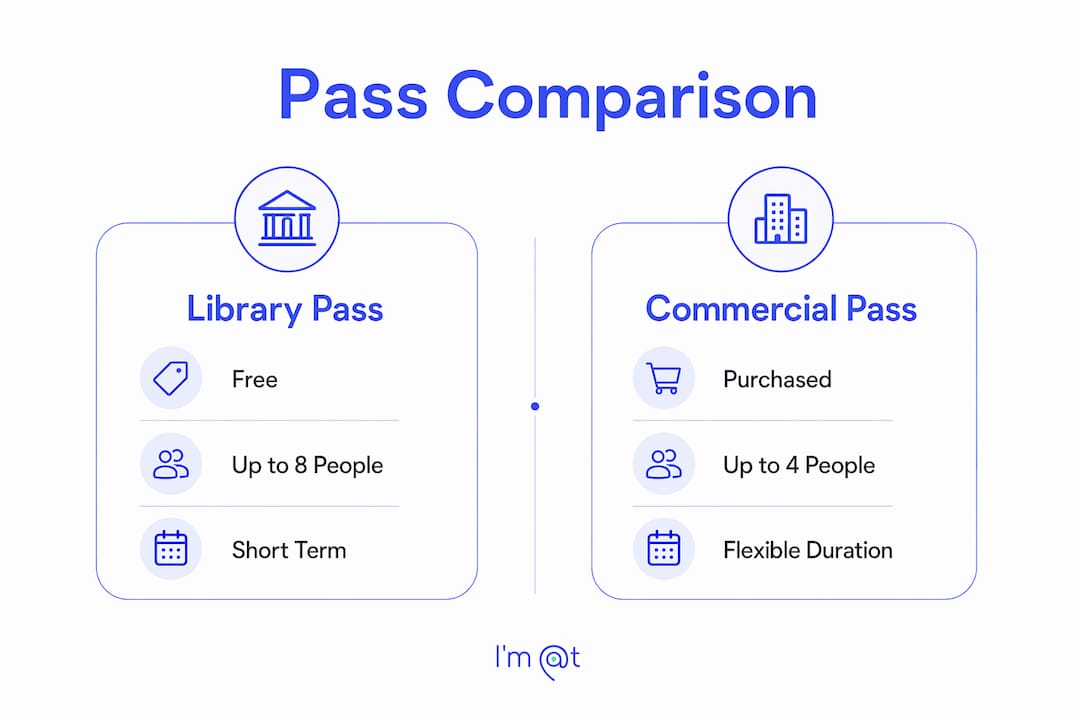
Library-issued passes cover groups of up to 8 people and are checked out for 1–2 week periods, much like a book. You walk in with your library card, ask staff at the circulation desk for the pass, and walk out with free admission to a museum, zoo, or cultural center. Commercial passes work differently. You purchase them online or at a visitor center, and they typically cover up to 4 people, remain valid for 12 months, and deliver discounts of up to 20% on dining, retail, and tours.
The redemption process also differs by format. Library passes are often physical cards or printed PDFs. Some library programs, like the Local Wanderer program run by the Orange County Library System, send passes via email. You download the PDF and present it at the venue. Commercial passes increasingly use digital wallets or QR codes, which participating businesses scan at the point of entry.
Library pass vs. commercial pass: key differences
| Feature | Library-issued pass | Commercial pass |
|---|---|---|
| Cost | Free with library card | Purchased upfront |
| Group size | Up to 8 people | Up to 4 people |
| Validity | 1–2 week checkout | Up to 12 months |
| Renewal | Not renewable | Typically non-renewable |
| Discount type | Free admission | Up to 20% off |
| Availability | First-come, first-served | Available on demand |
Pro Tip: Library passes are high-demand and not held in automated reservation systems. Ask circulation staff directly to check availability rather than searching the catalog.
What are the benefits of using a local experience pass?
The financial case for a local experience pass is straightforward. Admission to a single science museum or cultural village can cost $25–$40 per adult. A library pass covering a family of four at no cost delivers immediate, tangible savings. Commercial passes amplify this by stacking discounts across multiple venues over a full year.
The less obvious benefit is discovery. Curated pass programs select participating businesses carefully, filtering out generic tourist traps in favor of authentic local spots. That curation is what separates a good pass from a coupon book. You're not just saving money. You're being pointed toward places that locals actually value.
Community impact is the third benefit, and it's the one most travelers overlook. Regional tourism bodies and pass curators emphasize that these programs strengthen local economic ties by directing spending toward independent businesses rather than chain attractions. Some commercial passes allocate a portion of proceeds directly to local charities, deepening that community connection. For travelers who care about where their money goes, this matters.
Library cultural passes carry an additional social function. Programs like Local Wanderer democratize access to expensive arts and science institutions, making them available to families who couldn't otherwise afford admission. That's a meaningful public good, not just a travel perk.
Pro Tip: Check whether your commercial pass allocates proceeds to local charities before purchasing. It costs the same but delivers more community value.
Key local experience pass benefits at a glance:
- Cost savings: Free or discounted admission to multiple venues
- Curated discovery: Access to vetted, authentic local spots beyond standard tourist routes
- Community support: Spending directed to independent businesses and local charities
- Cultural access: Entry to arts, science, and heritage institutions for all income levels
- Group value: Passes covering families or small groups multiply the savings per person
How to find and use a local experience pass on vacation or staycation
Finding the right pass takes about 15 minutes of research before your trip. The payoff lasts the entire visit.
-
Check your home library first. Many public library systems offer experience passes to cardholders regardless of where the attraction is located. The Georgia Public Library Service maintains a statewide pass program connecting residents to cultural institutions across the state. If your library participates in a similar network, you may already have access.
-
Contact the local tourism board or chamber of commerce. Most destination cities publish a list of available passes on their official tourism websites. These are often commercial passes tied to local visitor programs, and they frequently include experiences that don't appear in standard travel guides.
-
Ask at your hotel's front desk. Hotels in tourist-heavy areas often stock commercial passes or can direct you to the nearest visitor center. Some hotel partnerships include complimentary passes as part of a room package.
-
Search for passes specific to the neighborhood or region. A city-wide pass and a neighborhood-specific local attractions pass are different products. Neighborhood passes tend to be smaller, cheaper, and more focused on authentic local businesses. They're worth seeking out for staycations especially.
-
Download and organize your digital passes before you leave. Automated confirmation emails for digital passes frequently land in spam folders. Check your junk mail immediately after purchase or checkout, download the PDF, and save it to your phone's photo library as a backup.
-
Plan your itinerary around pass validity. Commercial passes are typically valid for 12 months but are non-renewable. Library passes run 1–2 weeks and cannot be extended. Map out which venues you want to visit and schedule them within the valid window to avoid losing access.
Pro Tip: For staycations, treat the pass like a weekly challenge. Pick two or three venues per week rather than rushing through everything at once. You'll retain more and enjoy each experience fully.
Pairing a local pass with a deeper guide to curating authentic local experiences helps you build an itinerary that goes beyond the obvious stops. The goal is to use the pass as a starting point, not a checklist.
Common questions about local experience passes
Is a local experience pass the same as a city tourist pass?
Not exactly. A city tourist pass, sometimes called a city experience pass, typically targets visitors and bundles major landmarks, public transit, and top-rated attractions into one prepaid product. A local experience pass leans toward community-focused venues, independent businesses, and cultural institutions that residents use. The tourist pass prioritizes convenience. The local pass prioritizes authenticity.
Who gets the most value from a local experience pass?
Families and small groups benefit most from library-issued passes because the free admission scales with group size. Solo travelers and couples often get better value from commercial passes, which offer flexible multi-use discounts across dining, retail, and tours over a full year. Staycationers who plan to use the pass repeatedly over several months get the strongest return on a commercial pass.
What happens if you lose a library pass?
Lost physical passes at many library systems incur replacement fees of up to $50. Treat the pass like cash. If your library issued a digital PDF version, keep a backup copy in cloud storage so you can reprint it if needed.
Can you use a local experience pass for group bookings?
Library passes typically cover groups of up to 8 people in a single visit. Commercial passes usually cap coverage at 4 people. If your group is larger, you may need two passes or separate tickets for the additional members. Always confirm group size limits with the issuing organization before your visit.
Are local experience passes worth it for a one-day trip?
For a single day, a library pass almost always delivers value because it costs nothing. A commercial pass requires more planning. Calculate the total admission cost for the venues you plan to visit, then compare it against the pass price. If the savings exceed the cost by a meaningful margin, the pass is worth it.
Key Takeaways
A local experience pass delivers the most value when you match the pass type to your travel style, group size, and visit duration.
| Point | Details |
|---|---|
| Two pass types exist | Library passes are free with a card; commercial passes are purchased and valid up to 12 months. |
| Group size matters | Library passes cover up to 8 people; commercial passes typically cover up to 4. |
| Curation drives quality | Well-run pass programs select authentic local businesses, not generic tourist attractions. |
| Digital passes need attention | Check spam folders immediately after checkout to avoid missing your confirmation PDF. |
| Community impact is real | Some commercial passes direct proceeds to local charities, supporting the neighborhoods you visit. |
Why local experience passes changed how I travel
I used to plan trips around the obvious landmarks. The famous museum, the top-rated restaurant, the viewpoint everyone photographs. Then I started using local experience passes, and my itineraries got genuinely interesting.
The shift happened because a good pass forces you off the main road. The venues that participate in community-focused pass programs are rarely the ones with the biggest marketing budgets. They're the independent theater, the neighborhood food market, the cultural center that locals actually attend. That's where you learn something real about a place.
What I've found is that the library pass model is underused by travelers who assume it's only for residents. That assumption is wrong. If you're visiting a city and you have a library card from any participating network, you may already have access to free admission at dozens of local institutions. The local excursions that stick with you longest are rarely the ones you paid the most for.
The economic argument also holds up. Spending through a local pass program keeps money inside the community. That's not sentiment. It's a structural difference in where tourism dollars land. Independent businesses that participate in these programs reinvest locally in ways that chain attractions don't. Choosing a pass over a standard ticket is a small decision with a real downstream effect.
My practical advice: buy or borrow the pass before you arrive, not on the day you need it. Availability is limited, especially for library passes that operate on a first-come, first-served basis. Plan two or three experiences per visit rather than rushing through the full catalog. And always check the local cuisine angle when a pass includes dining partners. Food is often the fastest way into a place's actual culture.
— Mikahil
Extend your local experience with Im-at
A local experience pass opens the door. What you walk through next depends on where you look.
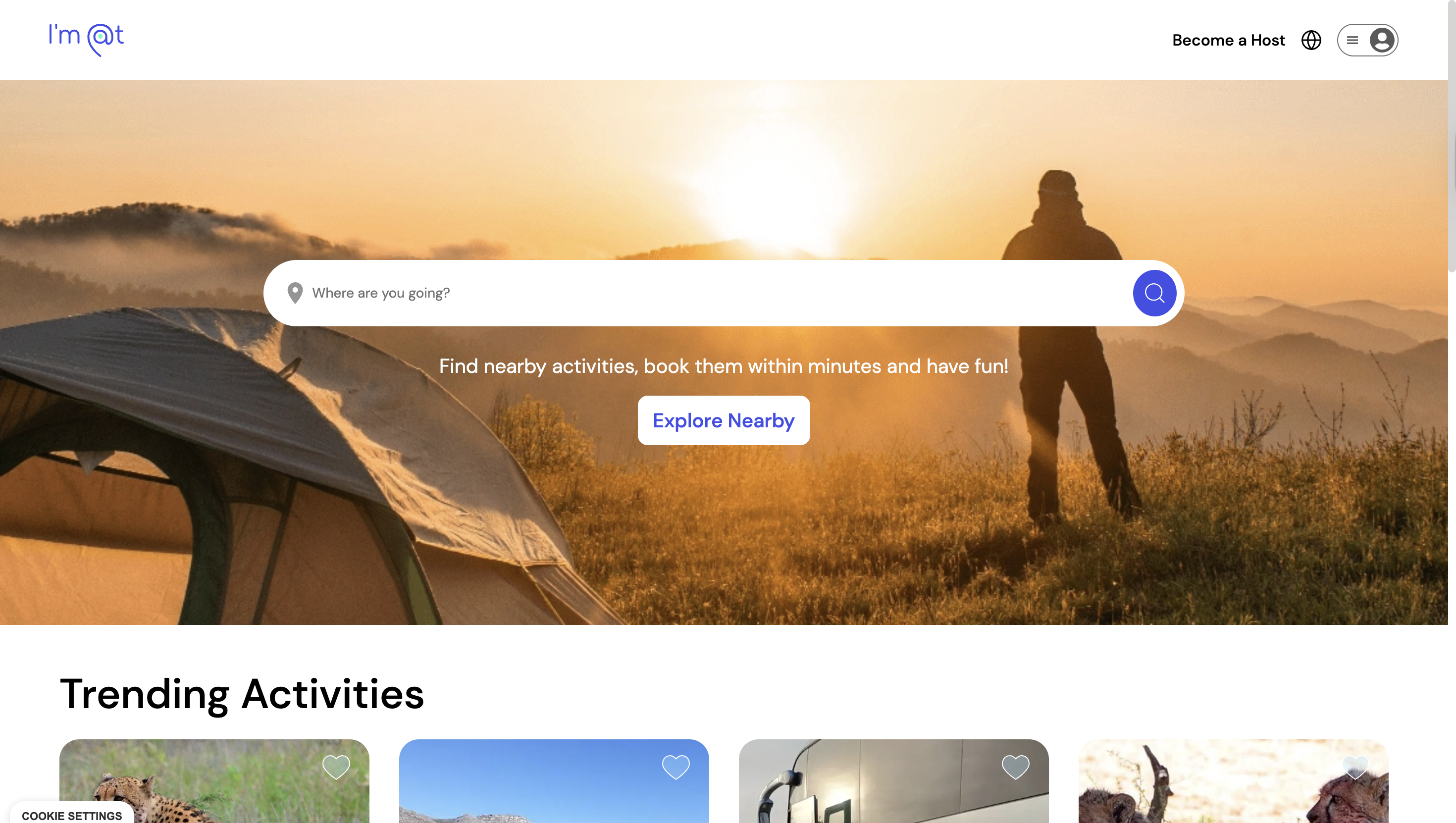
Im-at lists curated cultural tours, day trips, and immersive local events across destinations worldwide, giving you a direct path from "I have a pass" to "I have a plan." If you're looking for something beyond the standard museum visit, the Lesedi Cultural Village Day Tour delivers an immersive cultural experience that pairs naturally with any local attractions pass. For something more unexpected, The Unholy Secrets offers a cultural event unlike anything in a standard tourism guide. Browse Im-at to find experiences worth building your next trip around.
FAQ
What is a local experience pass?
A local experience pass is a card or program that provides free or discounted access to local attractions, cultural sites, and activities. It comes in two main forms: library-issued passes and purchased commercial passes.
How do I get a local experience pass?
Library passes require a valid library card and are checked out directly from circulation staff. Commercial passes are purchased online or at visitor centers and are typically valid for up to 12 months.
What is the difference between a local pass and a city tourist pass?
A city tourist pass bundles major landmarks and transit for visitors. A local experience pass focuses on community venues, independent businesses, and cultural institutions that residents use regularly.
Can I use a local experience pass for my whole family?
Library-issued passes cover groups of up to 8 people per visit. Commercial passes generally cover up to 4 people, so larger families may need additional tickets for extra members.
Are local experience passes renewable?
Most library passes are non-renewable and have fixed checkout periods of 1–2 weeks. Commercial passes are valid for up to 12 months but are also typically non-renewable once they expire.